


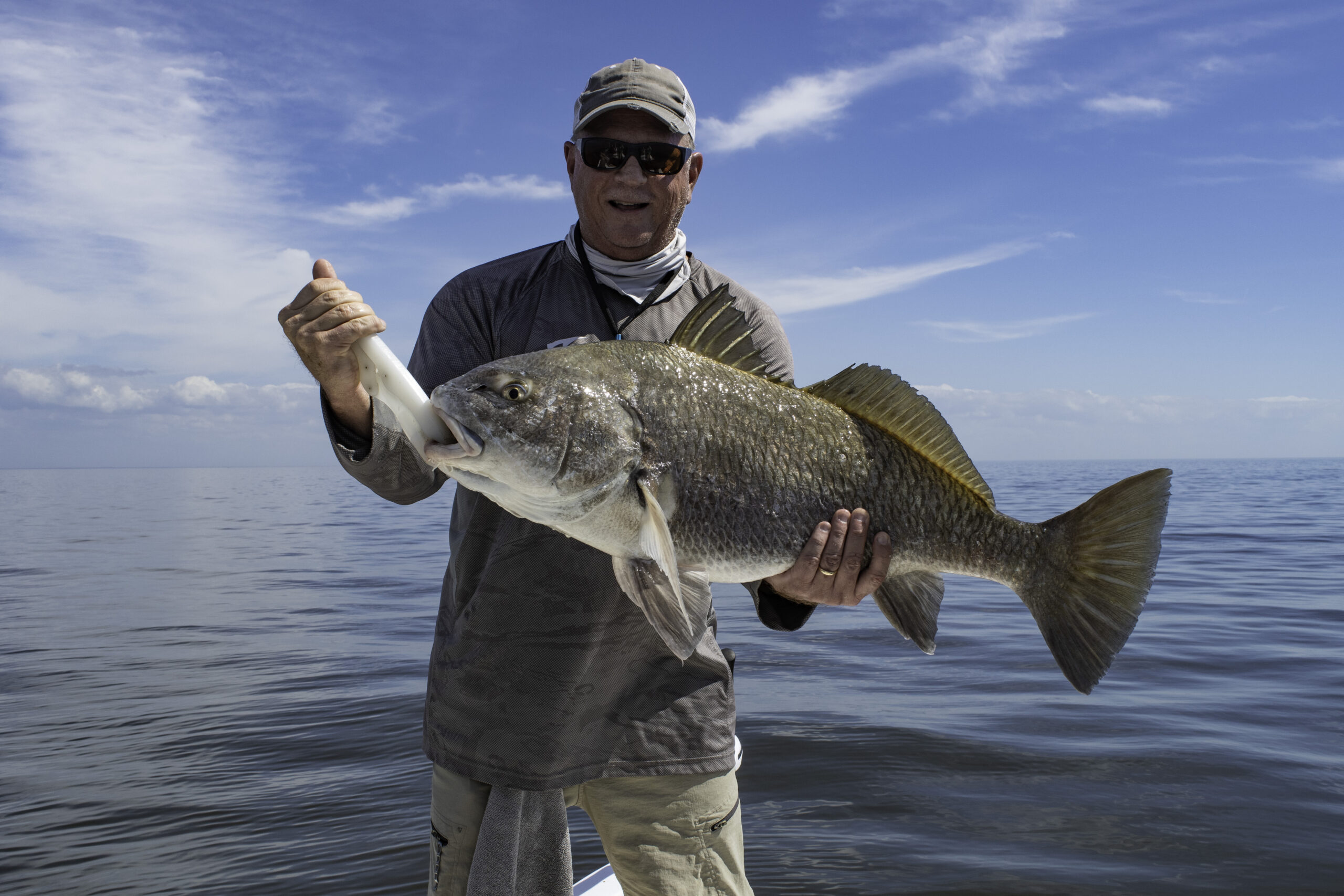
As November rolls in, anglers across the U.S. know that the shift from crisp fall mornings to early winter can drastically change fishing conditions. One of the most underrated opportunities during this time is the foggy morning—the perfect setting for capitalizing on fish behavior when visibility is low and water temperatures are dropping. Understanding how to fish during misty November mornings can give you an edge over other anglers who overlook these subtle conditions.
Why Fog Changes Fish Behavior
Fog occurs when cold air passes over warmer water, creating a layer of condensation just above the water’s surface. While it may seem like an inconvenience, fog actually affects fish behavior in several ways:
- Reduced Light Penetration: Fog softens sunlight, creating low-light conditions even during mid-morning. Predatory fish like bass, pike, and walleye often feel safer venturing into shallower areas when light is diffused.
- Cooler Surface Temps: Early November fog often coincides with dropping water temperatures. Fish are more likely to move slowly, feeding strategically rather than chasing prey long distances.
- Increased Confidence in Prey Movement: Fog can mask subtle movements in the water, allowing fish to approach baits and lures with less caution. This creates prime opportunities for anglers using realistic presentations.
Choosing the Right Spots
When targeting fish on foggy November mornings, location is everything:
- Shallow Flats Near Deep Water: Fish often cruise shallow flats for bait early in the day, retreating to deeper water as the sun rises. Look for areas where shallow flats slope into deeper channels.
- Vegetation Pockets: Emergent vegetation, like weed edges or lily pads, provides cover for baitfish and ambush points for predators. Fog can make these areas particularly productive because fish feel safer moving in low visibility.
- Current Breaks and Inlets: Streams, river mouths, and areas where current slows down are often overlooked during foggy mornings. Predatory fish congregate here to intercept baitfish pushed by currents.
Best Lures and Baits for Foggy Mornings
Low-light conditions require careful lure selection. Here are some tactics that work especially well during November fog:
- Topwater Lures: Frogs, poppers, and buzzbaits create vibrations and sound that predators can detect even when visibility is limited. Early-morning fog is one of the few times topwater action can still produce big strikes late in the season.
- Soft Plastics on Slow Retrieve: Soft plastics like worms, swimbaits, and creature baits can mimic lethargic prey. Slow, deliberate retrieves are key when fish aren’t chasing aggressively.
- Jigs and Spoons: Heavier jigs and spoons allow you to reach deeper fish hiding in shaded or cooler areas. Subtle bounces along the bottom are often irresistible to hungry predators.
Adjusting Your Technique
Fishing in fog requires more than just picking the right lure—it demands precision and patience:
- Focus on Presentation: Reduced visibility doesn’t mean reduced pressure. Fish can still sense unnatural movements. Keep your casts smooth and deliberate.
- Listen to the Water: Fog often muffles sounds, making splashes, underwater clicks, and line noise more pronounced. Use this to your advantage by incorporating lures that add subtle vibrations.
- Timing is Everything: The fog usually lifts as the sun warms the water. Prime fishing often occurs during the first 60–90 minutes of daylight. Be ready and set up before the mist fully develops.
Safety and Gear Tips
Fog can be visually deceptive, so safety is important:
- Navigation Lights and GPS: When fishing from a boat, ensure lights are on and GPS is active. Fog can obscure shorelines and landmarks.
- Layered Clothing: November mornings can be cold and damp. Waterproof outer layers and insulated waders keep you comfortable while staying mobile.
- Line and Visibility: Brighter line colors or lures with vibration features help keep your setup effective when the water is hard to see.
Conclusion
Misty November mornings aren’t just beautiful—they are an angler’s secret weapon. By understanding how fog impacts fish behavior, choosing the right locations, and using precise lure presentations, you can consistently capitalize on early winter feeding patterns. With the right preparation and timing, foggy mornings can turn into some of the most productive fishing of the season.