

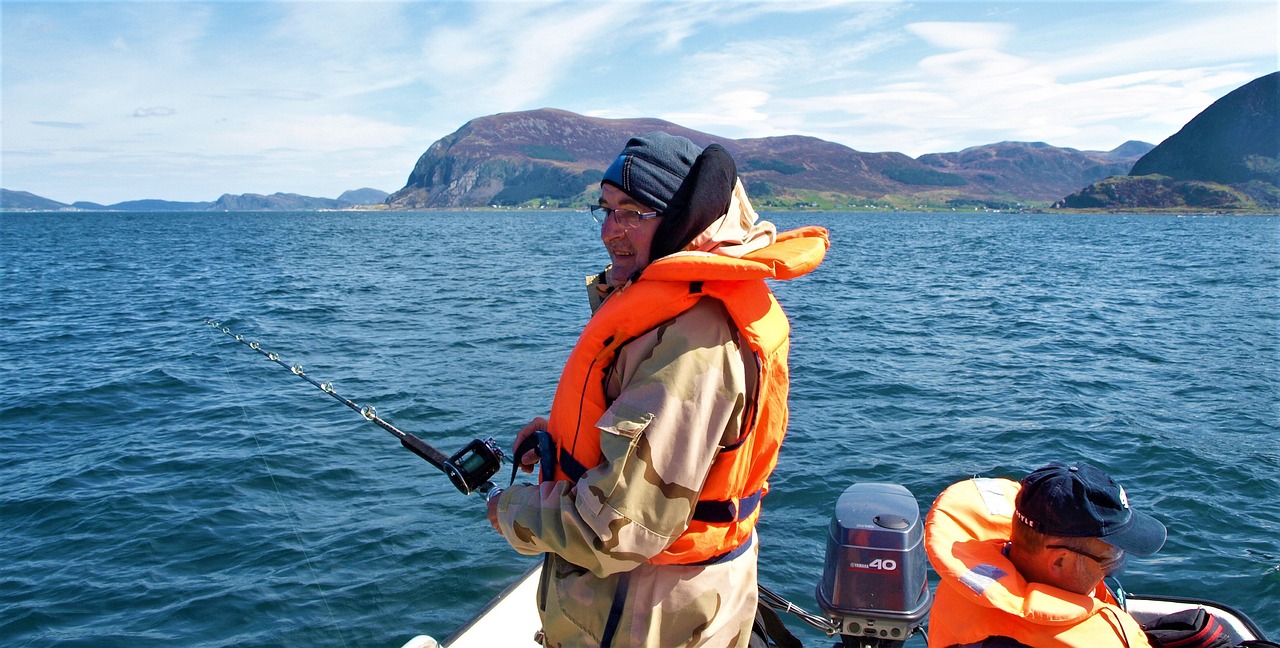
When December’s first real cold front sweeps across a lake, everything changes. The surface cools quickly, baitfish retreat, predators reposition, and the entire food chain shifts almost overnight. For anglers, this is one of the most underrated big-fish windows of the year—if you know exactly where to look.
And when the mercury drops, one location consistently outperforms everything else: drop-offs.
These underwater edges—whether they’re subtle breaks, sharp ledges, channel swings, or bluff walls—become magnets for winter-feeding fish. This article breaks down why drop-offs matter so much in early winter, how to locate the most productive ones, and which presentations deliver the heaviest hits when temperatures crash.
Why Cold Fronts Push Big Fish to Drop-Offs
1. Stable Temperatures Set the Stage
As shallow water cools rapidly after the first December cold front, the deeper layers below thermal mixing offer something fish desperately need: stability.
Water just a few feet deeper can be several degrees warmer, and even tiny differences matter when metabolism slows.
Drop-offs act as safety zones—allowing fish to slide deeper when the cold hits and rise up to feed when conditions soften.
2. Baitfish Funnel Along Structural Edges
Shad, smelt, and other forage species often ball up and push toward deeper basins once temperatures fall below 50°F.
These baitfish don’t move randomly—they follow the edges that provide quick access to deep water. Predators follow right behind them.
Drop-offs become winter highways.
3. Predators Consolidate into Predictable Areas
Cold fronts shrink the playing field. Instead of roaming, big fish conserve energy by sticking close to structure that guarantees food and shelter.
Bass, walleye, lake trout, and pike all behave this way.
If you want quality over quantity in early winter, you fish the edges—not the flats.
How to Identify the Most Productive December Drop-Offs
1. Look for Sharp, Clean Breaks Near Late-Fall Feeding Areas
Use your electronics to find breaks that transition quickly from 5–8 feet down into 12–20+ feet.
The best early-winter drop-offs sit adjacent to:
- grass edges
- shallow flats with fall bait activity
- creek arms
- sandy spawning shelves
- early-winter staging coves
If fish fed in an area during late fall, they’re probably sitting just below it now.
2. Find the First Drop-Off Closest to Deep Water Access
Not all drop-offs are created equal. December fish prioritize energy conservation and safety, so they favor edges that connect directly to:
- channels
- river bends
- sunken roadbeds
- old creek channels
- deep offshore humps
Fish want shortcuts, and those edges provide them.
3. Target Sun-Facing Banks During Midday Warmups
In early winter, a few hours of sunlight can create micro-temperature changes that attract baitfish.
Southern-facing drop-offs warm the fastest and often see a brief feeding push between 11 a.m. and 2 p.m.
4. Look for Hard Bottoms
Winter fish love:
- rock
- gravel
- shell beds
- clay transitions
Hard bottoms retain heat better and are always more productive after a cold snap.
Best Lures & Presentations for First-Front Conditions
1. Blade Baits
Few baits trigger cold-front fish better than blades.
They imitate dying baitfish perfectly and work on every predator species.
When to use: Clear, cold water with suspended baitfish
Retrieve: Slow hops, long pauses, subtle lifts
2. Jigs (Football, Finesse, or Hair Jigs)
Jigs excel when fish glue themselves to the bottom after a temperature crash.
Key tip: Downsize your trailer and move slow—really slow.
3. Jigging Spoons
Perfect for vertical fishing directly over deep drop-offs.
Match spoon size to baitfish size for maximum effect.
4. Deep Crankbaits or Tight-Wobble Shad Cranks
These come into play when fish sit just above the break rather than at the bottom.
Retrieve: Steady, slow roll; maintain bottom contact
5. Soft Plastics on Vertical Rigs
- Damiki rigs
- Drop-shot rigs
- Soft jerkbaits
These are deadly when fish are suspended a few feet off the drop.
How Weather Shapes Fish Movement Right After a Cold Front
Day 1: Shock and Shutdown
Fish drop deeper and tighten into structure. Bite window is short but predictable—usually around mid-afternoon when temps level.
Day 2–3: Stabilization
Fishing improves as fish adjust. Drop-offs close to baitfish become the hottest zones on the lake.
Day 4+: New Pattern Establishes
Fish settle into winter routines. Deep edges outperform everything else from here onward.
Seasonal Tips for December Drop-Off Success
- Use your graph constantly. Winter fish cluster tightly; finding one means more are nearby.
- Avoid noise and speed. Cold water amplifies vibration—move your boat quietly.
- Watch the wind. North winds push bait deeper; south winds pull them shallow.
- Fish smaller, slower, lower. Winter is not a power-fishing season.
- Trust the micro-bite. Light taps are often big fish barely moving your bait.
Final Thoughts: December Drop-Offs Deliver the Giants
Early winter is a magical time for anglers willing to brave the cold. The first true December cold front clears the lake, consolidates bait, and positions the biggest fish on predictable structural edges.
Find the right drop-off, slow down your presentation, and you’ll tap into one of the most overlooked trophy windows of the season—right as winter begins.