


Few things change a day on the water as dramatically as a cold front. One moment, fish are feeding actively in the shallows, chasing bait with reckless aggression. Then, almost overnight, the air cools, the wind shifts, and the bite shuts down. To many anglers, it feels like a mystery — but in reality, cold fronts don’t stop the fish. They just make them move.
Understanding how fish respond to dropping temperatures — and how to adapt your tactics accordingly — is what separates a frustrating outing from a productive one. Let’s dive into the science, behavior, and strategy behind fishing in post-front conditions.
1. What a Cold Front Really Does to the Water
A cold front typically brings a quick drop in air temperature, followed by clear skies, rising barometric pressure, and calmer winds. While that might sound like nice weather for people, it’s a major shift for fish.
The surface water cools rapidly, and because cold water is denser, it sinks — forcing warmer water and baitfish downward. This sudden temperature turnover disrupts the comfort zone of many species. Fish that were feeding in shallow, oxygen-rich water now move deeper or seek shelter near structure where conditions remain stable.
In short: the fish don’t stop existing — they just relocate to survive.
2. How Different Species React to a Cold Front
Every species responds a bit differently, but there are some reliable trends to watch for:
- Bass: During a front, largemouth bass pull away from open, shallow flats and retreat to deeper cover — such as submerged logs, ledges, or rocky drop-offs. Smallmouth, however, tend to remain slightly more active but still slow their feeding pace.
- Walleye: They often move from expansive flats to channel edges and deeper humps, hugging the bottom to conserve energy.
- Crappie and panfish: Expect them to school tighter and suspend in mid-depth zones near structure or brush piles.
- Trout: Cold fronts can actually energize trout in rivers and streams, especially if the front brings cooler water and more oxygen.
Knowing these behavioral shifts helps you predict where the bite will move, rather than guessing where it disappeared.
3. The Science Behind Fish Movement
Fish are cold-blooded, meaning their body temperature — and metabolism — depend entirely on the surrounding water. When a cold front sweeps through, their metabolism slows, digestion takes longer, and their need to feed drops temporarily.
They become less aggressive and less willing to chase fast-moving lures. Instead, they focus on conserving energy. That’s why during and immediately after a front, the key is to slow down and stay close to structure.
Another overlooked factor? Barometric pressure.
When pressure rises after a front, it can make fish feel uncomfortable — literally. Their swim bladders expand slightly, which affects buoyancy. This often pushes them toward deeper water, where the pressure is more stable.
4. Adjusting Your Strategy: Turning Post-Front Conditions into Opportunity
Cold fronts don’t ruin the bite — they change the rules. Here’s how to adapt:
Slow Everything Down
Use smaller baits, lighter line, and a more patient presentation. Think finesse jigs, Ned rigs, or slow-rolled spinnerbaits for bass. For walleye, vertical jigging or dragging a live minnow across the bottom can outproduce any flashy lure.
Fish Deep and Tight
Look for ledges, creek channels, submerged timber, or rocky points. Fish won’t venture far from cover, so focus on precise casting. Electronics can be your best friend here — once you locate a bait ball or a cluster of arches, stay on them.
Pick the Right Time
The bite often improves during the warmest part of the day, especially late morning or early afternoon when the sun slightly warms the water column. A few degrees can make a huge difference in fish activity.
Simplify Your Color Choices
Clear skies and high pressure mean bright light penetration — water clarity improves. Switch to natural hues like green pumpkin, silver, or shad patterns that mimic local forage more realistically.
5. Post-Front Windows: When the Bite Returns
Typically, the toughest period is the first 12–24 hours after a cold front passes. Once the weather stabilizes for a day or two, fish begin to adjust to the new conditions.
Watch for:
- Slight warming trends in the afternoon
- Gentle south or southwest winds returning
- Consistent barometric pressure
When these factors align, fish regain confidence and move shallower to feed again. That’s your cue to capitalize on the rebound.
6. Reading the Water: Visual Clues That Help
Cold fronts often bring crystal-clear skies and calm surfaces — which means fish are extra cautious. To stay stealthy:
- Keep boat noise to a minimum.
- Use longer casts.
- Fish from a lower angle to reduce shadows.
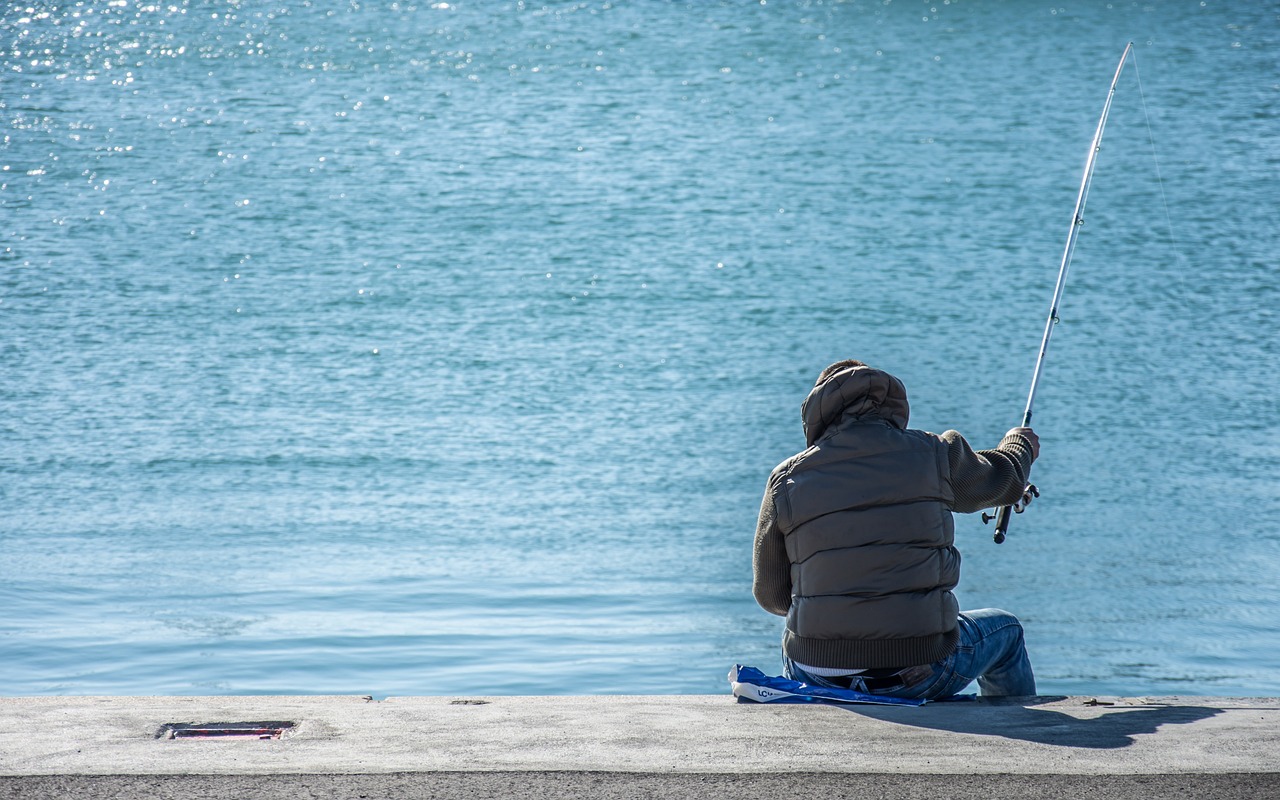
If you’re on the bank, position yourself where wind has pushed warmer surface water toward structure. Even slight ripples or wind-driven points can concentrate baitfish — and hungry predators.
7. Mind Over Weather: The Angler’s Advantage
Fishing after a front requires a shift in mindset. Many anglers pack it in when the temperature drops — but the ones who stay? They learn to read the subtle patterns that others overlook.
That’s the beauty of post-front fishing: it teaches you patience, adaptability, and precision. Every bite you earn feels twice as rewarding because it’s not luck — it’s skill, timing, and a deep understanding of nature’s rhythms.
Final Thoughts
Cold fronts might intimidate weekend anglers, but seasoned fishermen see them for what they are — a reset button on the ecosystem. Fish still feed, just differently. By reading the weather, understanding how temperature and pressure influence behavior, and slowing your presentation, you can turn a “tough day” into a quietly successful one.
The next time a cold front sweeps across your favorite lake or river, don’t hang up the rods. Instead, grab a thermos of coffee, layer up, and hit the water with clarity. The fish are still there — just waiting for the angler who knows how to find them.