

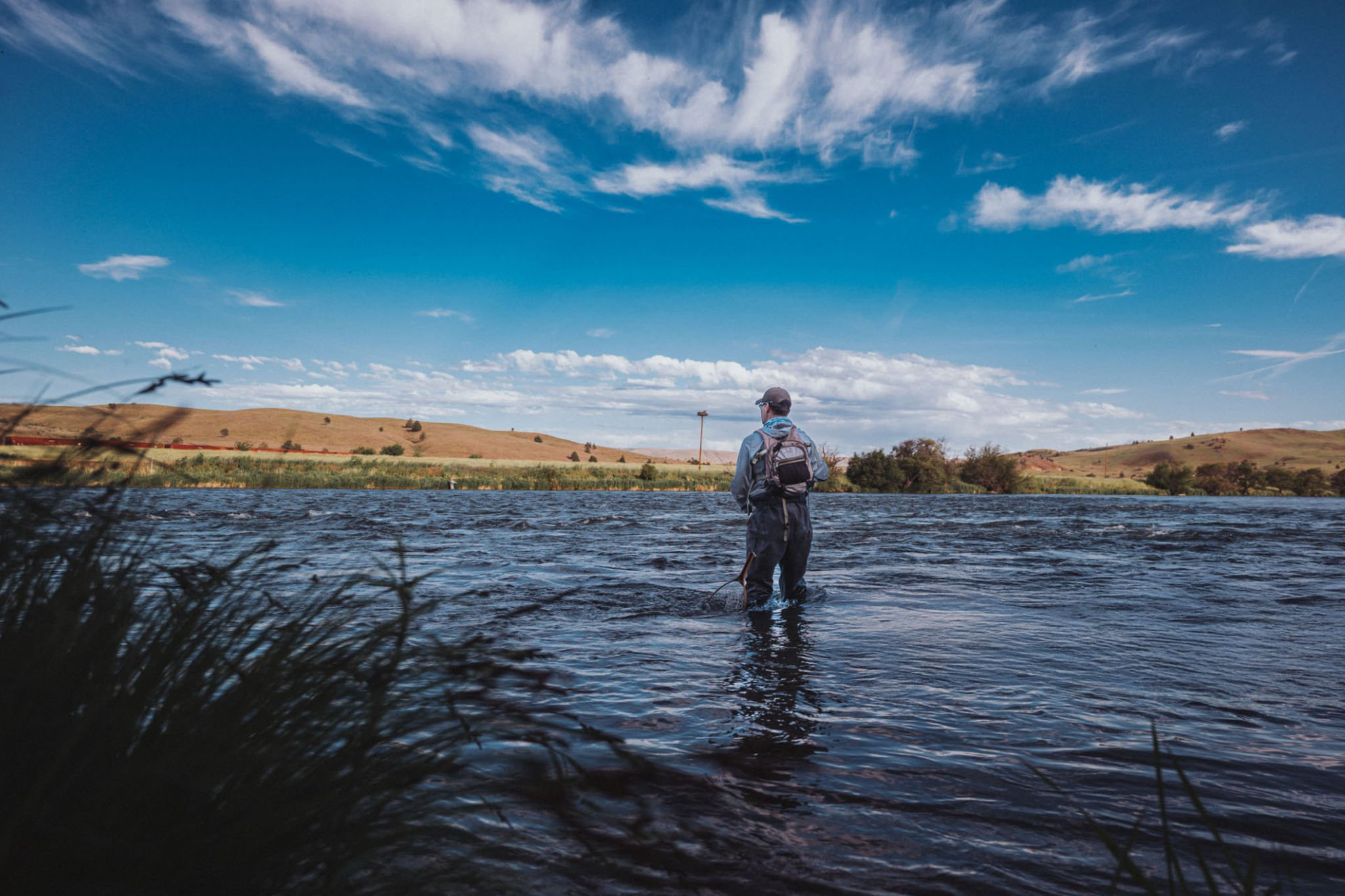
There’s something quietly electric about a gray sky hanging over still water. The air feels heavier, the light softer, and every cast seems filled with possibility. For seasoned anglers, overcast days aren’t gloomy—they’re golden. When the clouds roll in and the sun fades away, fish behavior shifts dramatically, creating a perfect storm for consistent strikes. Understanding why that happens—and how to take full advantage—can turn an ordinary trip into a day of steady hookups and heavy nets.
The Science Behind Cloud Cover Fishing
Cloud cover transforms the underwater world. When sunlight is blocked, it diffuses evenly through the water column, reducing sharp contrasts and eliminating harsh shadows. That soft light does three key things:
- Fish Feel Safer to Roam
In bright sun, fish—especially bass, walleye, and trout—tend to stick close to cover to avoid predators and harsh light. But under clouds, the lower visibility allows them to move freely in search of food without feeling exposed. - Baitfish Become More Active
Overcast skies trigger subtle changes in light and temperature that often make baitfish like shad or minnows move higher in the water column. When bait rises, predators follow. - The Feeding Window Expands
On sunny days, many species feed primarily during low-light periods—dawn and dusk. But with all-day cloud cover, those ideal conditions last from morning to evening. Essentially, the entire day becomes “prime time.”
Light Levels Dictate Behavior
To understand why cloud cover is such a game-changer, you have to think like a fish. Most freshwater species rely heavily on light to navigate, hunt, and protect themselves. When the sun disappears, visibility drops, and both prey and predator rely more on motion, vibration, and sound than sight.
That means your presentation—how your bait looks and moves—needs to adapt to this shift. Fish may not see every detail, but they’ll notice silhouettes, flashes, and vibrations more readily.
On sunny days, you might succeed by sight-fishing or targeting shaded areas. On cloudy ones, it’s all about covering water efficiently and presenting baits that trigger reaction strikes.
Choosing the Right Lures for Cloudy Conditions
When the sky turns gray, lure selection becomes as much about visibility as it is about presentation.
Here’s what works best when the sun takes the day off:
- Spinnerbaits: The flash of the blades mimics baitfish under diffused light and creates vibration fish can feel even in murky conditions. White, chartreuse, or silver patterns are ideal.
- Crankbaits: Medium-diving crankbaits with a steady wobble work wonders in overcast conditions. Use natural shad or craw patterns to match local forage.
- Swimbaits: These mimic larger prey and can draw in aggressive strikes when fish are roaming open water. Slow and steady retrieves are key.
- Topwater Lures: Believe it or not, cloudy days often extend the topwater bite well into midmorning—or even all day. Try walking baits, poppers, or buzzbaits in dark or natural hues.
And here’s a quick tip: Darker colors produce stronger silhouettes in low light. Black, junebug, and dark green are often better choices than bright colors on cloudy days.
Depth and Location Adjustments
Overcast conditions encourage fish to leave deep water and roam more freely. Instead of staying buried in brush piles, they might patrol open flats, points, or the edges of weed lines.
To stay on the bite, think about where bait moves when light levels drop:
- Shallow flats: With less sunlight penetrating the water, baitfish move shallow to feed. Target these areas with moving baits.
- Windward banks: Wind and cloud cover often go hand-in-hand. Wind pushes plankton and baitfish toward one side of the lake—follow them.
- Mid-depth transitions: Look for gradual drop-offs or submerged humps where roaming fish pause to ambush prey.
If you normally fish deep on sunny days, cut your depth by half when clouds roll in. You’ll find more active fish closer to the surface or suspended off structure.
Fine-Tuning Presentation: Subtle but Strategic
Fish under clouds aren’t sluggish—they’re opportunistic. They’ll roam, chase, and hit baits that mimic natural prey movement. Your goal is to keep your bait moving and visible without spooking them.
A few presentation tweaks for cloudy days:
- Speed up slightly. Fish are often more willing to chase in low light.
- Use steady retrieves. Erratic movements can look unnatural when light is limited.
- Add scent or rattles. These increase your bait’s profile when visibility is reduced.
- Fan-cast wide. Cover water in multiple directions to intercept moving fish.
Barometric Pressure and Clouds: The Perfect Pair
Overcast weather often accompanies falling barometric pressure—another key factor that triggers feeding activity. As pressure drops before or during a storm front, fish sense the shift and feed aggressively.
When you see clouds forming and the wind picking up, don’t head for the ramp—that’s often when the bite peaks. The combination of lower light and changing pressure creates an irresistible window for predators.
After the front passes, though, high pressure and bright skies usually make fish sluggish again. That’s why the best bites often come right before the rain.
Species-Specific Cloud Cover Tips
- Bass: On cloudy days, leave the docks and target shallow flats or grassy points with moving baits.
- Walleye: Follow bait into shallower water and use crankbaits or live bait rigs.
- Trout: Overcast skies make trout bolder—try drifting small spinners or nymphs just under the surface.
- Pike and Muskie: These apex predators love low-light conditions; work larger swimbaits or jerkbaits near weed edges.
Don’t Forget the Angler: Comfort and Awareness
Fishing through overcast weather often means chilly air, damp clothes, and unpredictable wind. Staying dry and warm keeps your focus sharp—and your reaction time quicker when the rod doubles over.
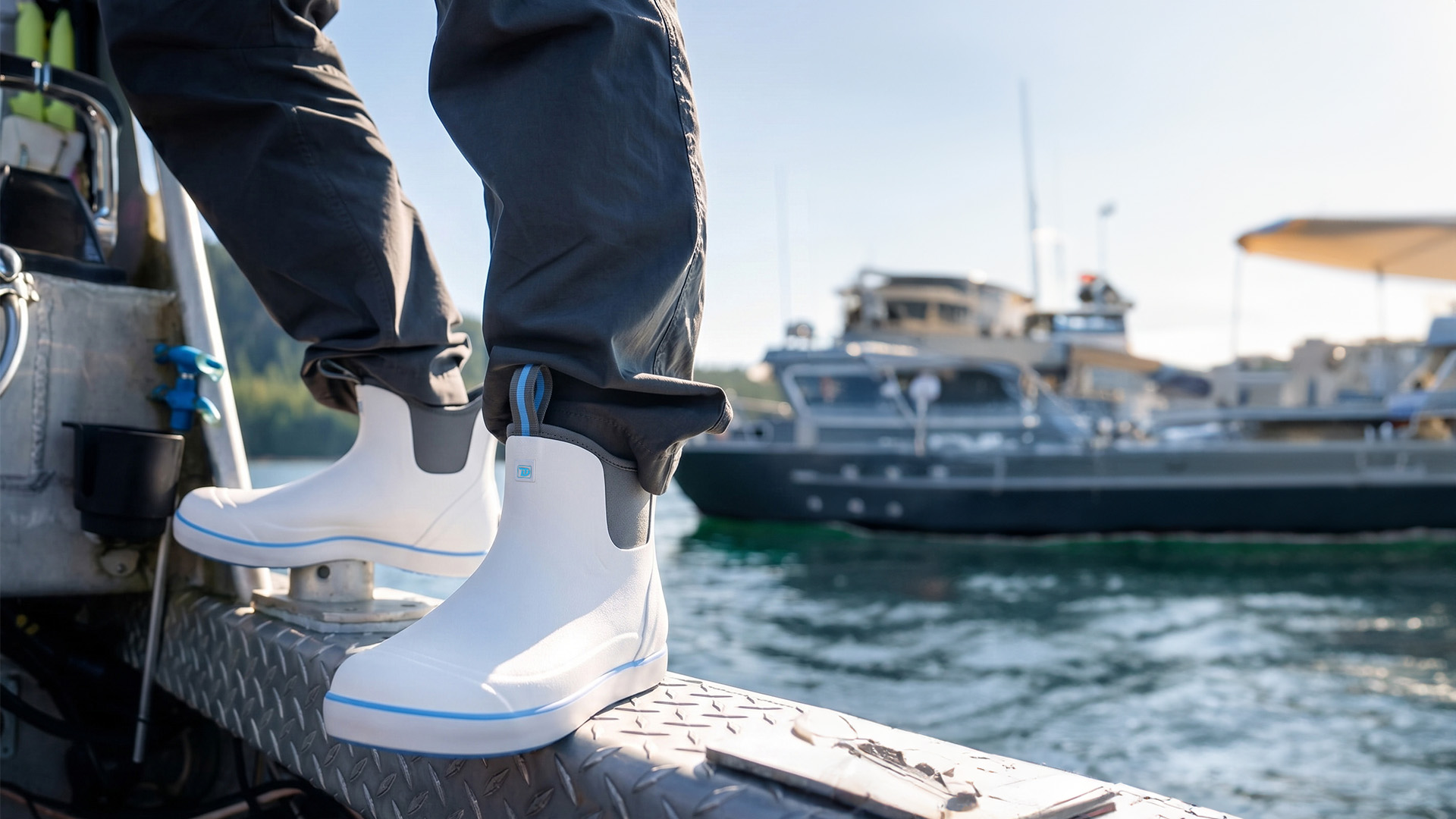
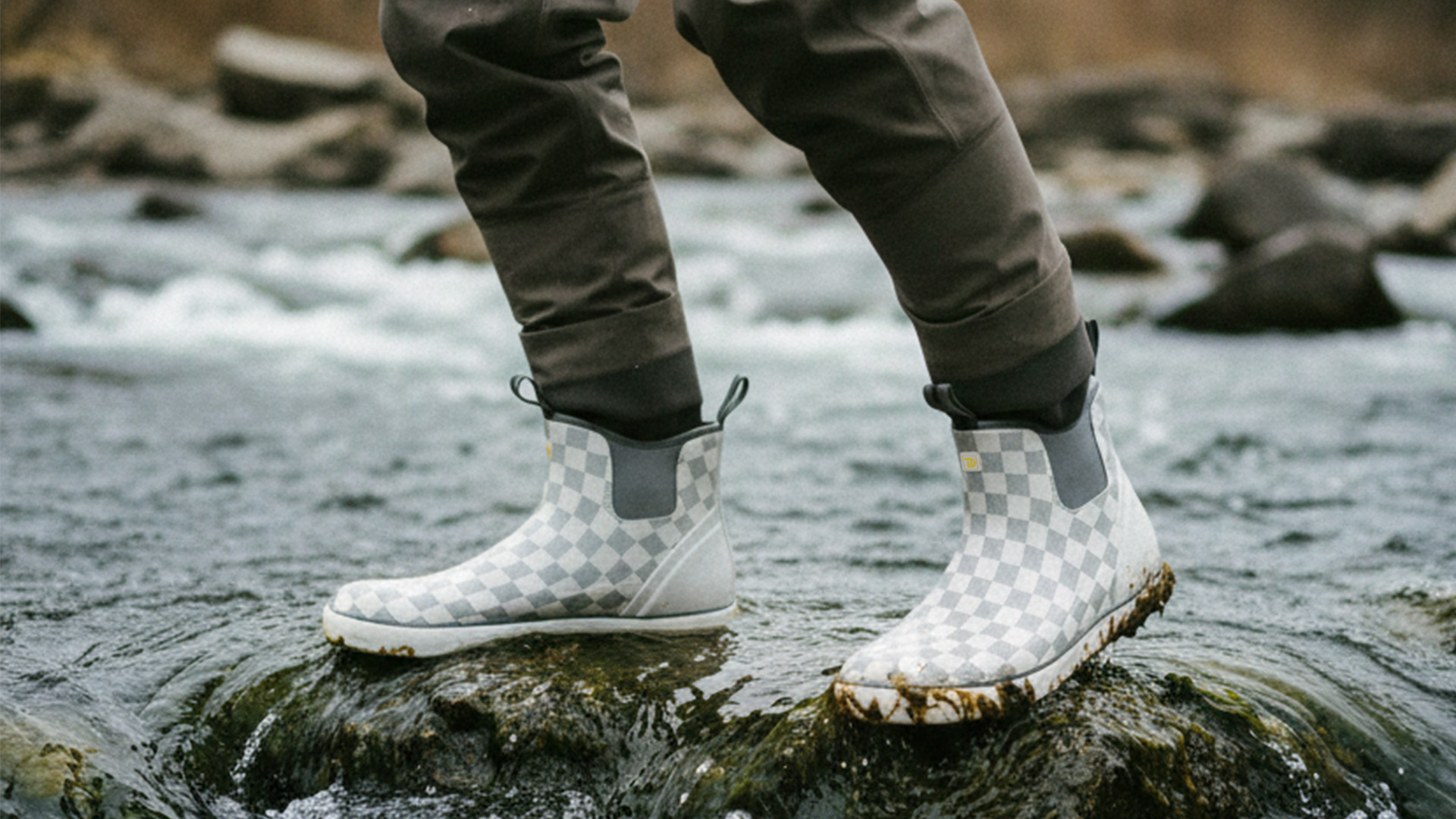
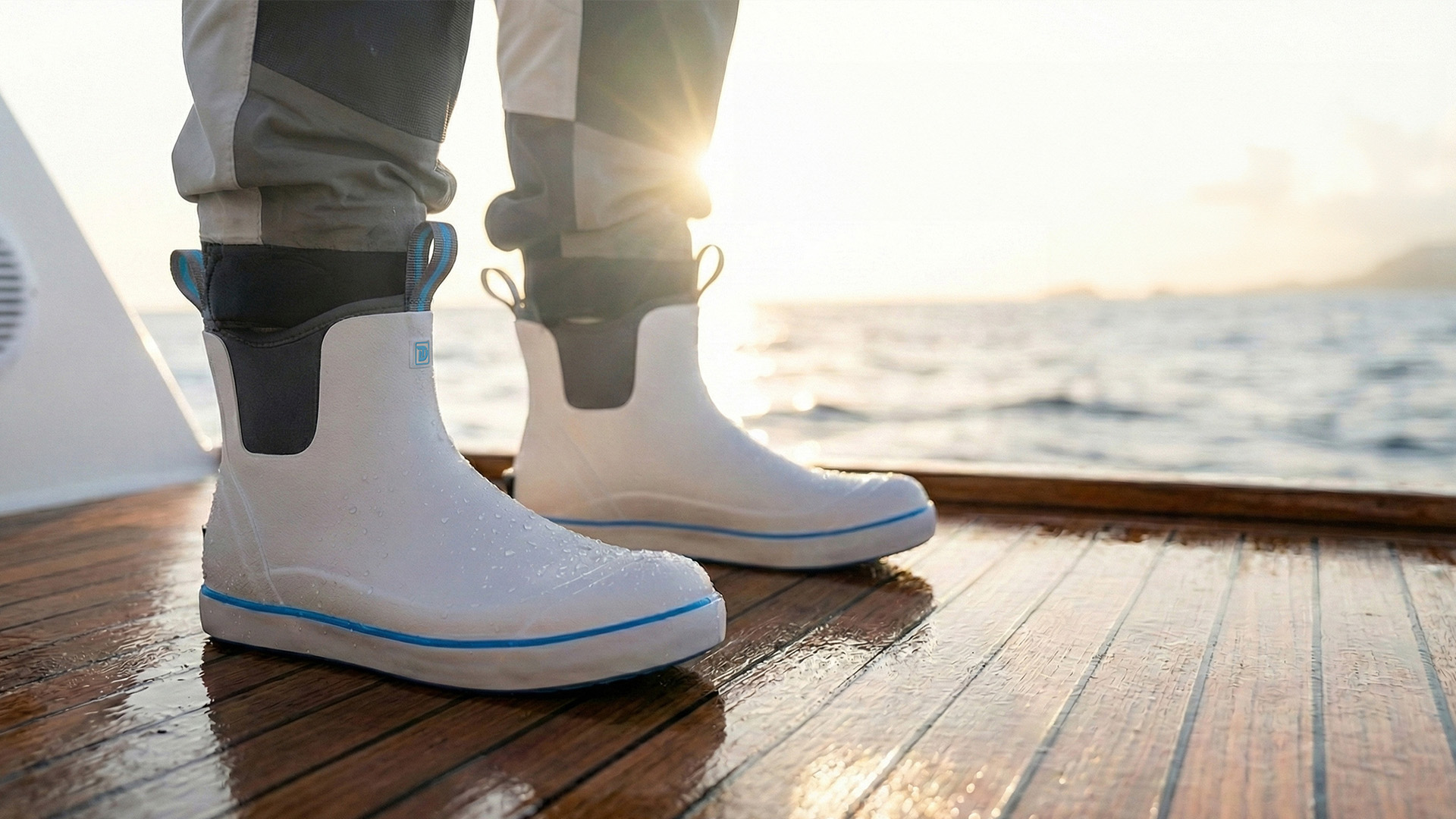
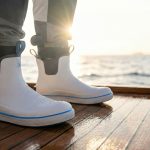
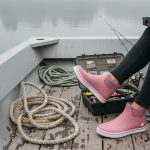
Layer up with moisture-wicking base layers and waterproof outerwear. Keep your hands protected with insulated gloves that still allow you to tie knots or grip reels. Footwear matters too—waterproof deck boots or neoprene waders from brands like Trudave keep your feet warm and dry during long, cold sessions.
And remember: cloudy days can quickly turn to rain or fog. Always check weather forecasts and keep safety gear—like a headlamp and rain jacket—on board.
Final Thoughts
Cloudy days aren’t just a break from the sun—they’re a signal that nature’s balance is shifting. Light fades, prey moves, and predators awaken. By reading the subtle cues of light, wind, and temperature, you can turn overcast skies into a consistent bite.
Next time clouds roll in and the lake grows quiet, don’t hesitate. Pick up your rod, trust the gray, and fish with confidence. Because when the light softens and shadows vanish, your odds of a strike only grow stronger.