


Winter fishing can humble even the most seasoned anglers. The icy air bites at your face, waves slap against the hull, and the wind seems to have a mind of its own. Yet, beneath the chaos, opportunity hides. On blustery winter days, understanding how to read and use the wind can mean the difference between a frozen skunk and a loaded livewell. Wind dictates water temperature, current, bait movement, and—most importantly—fish position. If you can interpret its patterns and adjust accordingly, you can turn brutal winter conditions into some of the most productive fishing days of the year.
The Wind Is Your Compass, Not Your Enemy
Most anglers dread wind, treating it as an obstacle that complicates casting and boat control. But for the strategic fisherman, wind is information. It reveals where baitfish move, how oxygen disperses, and where predators will concentrate.
Wind pushes surface water toward the downwind side of a lake or reservoir. As that water piles up, it carries plankton, debris, and disoriented baitfish—creating a buffet line for larger predators. This means the windy side is often the feeding side, even when it’s uncomfortable to fish.
In cold water, this becomes even more critical. The wind mixes slightly warmer surface water with colder depths, sparking short feeding windows. Understanding this movement allows you to predict not only where fish will be, but when they’ll bite.
Positioning 101: Let the Wind Work for You
Your position relative to the wind determines your control, presentation, and ultimately, your success. Every cast, every drift, and every anchor drop should be made with wind direction in mind.
Here’s how to think strategically:
- Fish the Windward Shore
The side of the lake where the wind blows into often holds more active fish. Wind-driven current pushes baitfish there, and predators like bass, walleye, and trout follow. Cast into the wind if possible, or use it to drift your lure naturally into the strike zone. - Anchor or Spot-Lock Upwind
If you’re fishing from a boat, position yourself slightly upwind from your target area. This lets you cast or drift downwind naturally without fighting the elements. Using the wind to move your bait subtly is far more natural than a constant retrieve. - Work Crosswind for Control
When the wind is too strong to face head-on, fish perpendicular to it. This reduces bow in your line and allows for a more precise presentation, especially with jigs or soft plastics. - Bank Anglers: Seek the Windy Points
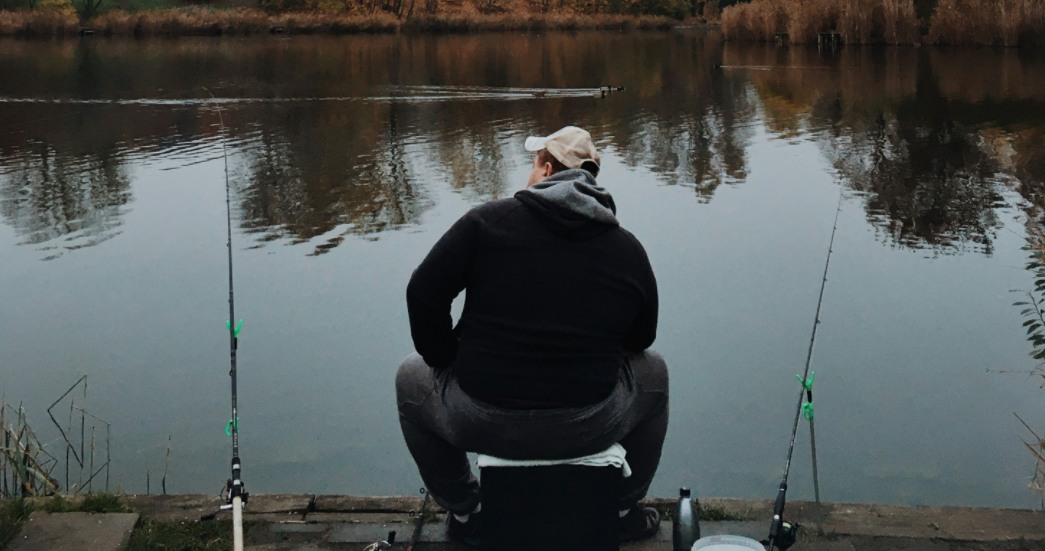
Even from shore, fish will be more active along wind-blown banks. It might not be comfortable, but it’s where the action happens. Focus on points, corners, or coves that collect surface debris and bait.
Lure and Presentation Adjustments for Windy Days
When the water is choppy and visibility drops, fish rely more on vibration and contrast than sight. Choosing the right lures—and working them the right way—can make a huge difference.
- Spinnerbaits and Bladed Jigs: Their flash and vibration cut through murky, wind-stirred water.
- Crankbaits: Lipless or mid-diving crankbaits perform well when drifted with the wind along structure.
- Jerkbaits: In clear but windy conditions, suspending jerkbaits mimic disoriented baitfish getting tossed by waves. Slow down your cadence and let the bait hover longer between twitches.
- Vertical Presentations: When waves make precision tough, use jigs or spoons directly under the boat. The vertical approach limits wind interference and keeps you in the strike zone.
Tip: Heavier lures are your best friends in strong winds. They cast farther, sink faster, and maintain contact with the bottom, even when gusts try to push your line off course.
Boat and Line Control in the Wind
Wind can make even the best boat feel like a runaway sled. The key is mastering boat position without overworking your trolling motor or line.
- Drift Socks or Anchors: Use a drift sock to slow your movement and maintain a controlled drift through productive areas.
- Spot-Lock Technology: If your trolling motor has GPS anchoring, it’s a game-changer for holding position in wind.
- Line Selection: Choose heavier fluorocarbon or braided line to reduce bow and maintain sensitivity. Avoid monofilament—it tends to stretch and lose feel in high wind.
- Casting Angles: Always cast with or across the wind rather than directly into it. You’ll achieve better distance, accuracy, and lure control.
The Subtle Science of Wind Temperature
Not all wind is created equal. A mild southern breeze can warm surface water just enough to trigger activity, while a cold northern gust can shut fish down entirely. Paying attention to temperature changes and wind direction is crucial.
- South or Southwest Winds: Often signal warming trends that encourage feeding behavior.
- North or Northwest Winds: Usually follow cold fronts—expect tougher bites but more predictable fish locations near structure.
- Stable Light Winds: Typically offer the best balance between comfort and productivity, especially for finesse techniques.
Smart anglers check not just the wind direction, but also the consistency. A day with steady 10–15 mph winds is often better than a calm morning followed by erratic gusts. Fish respond to stability, even in harsh conditions.
Gear and Comfort: Staying Sharp When It’s Rough
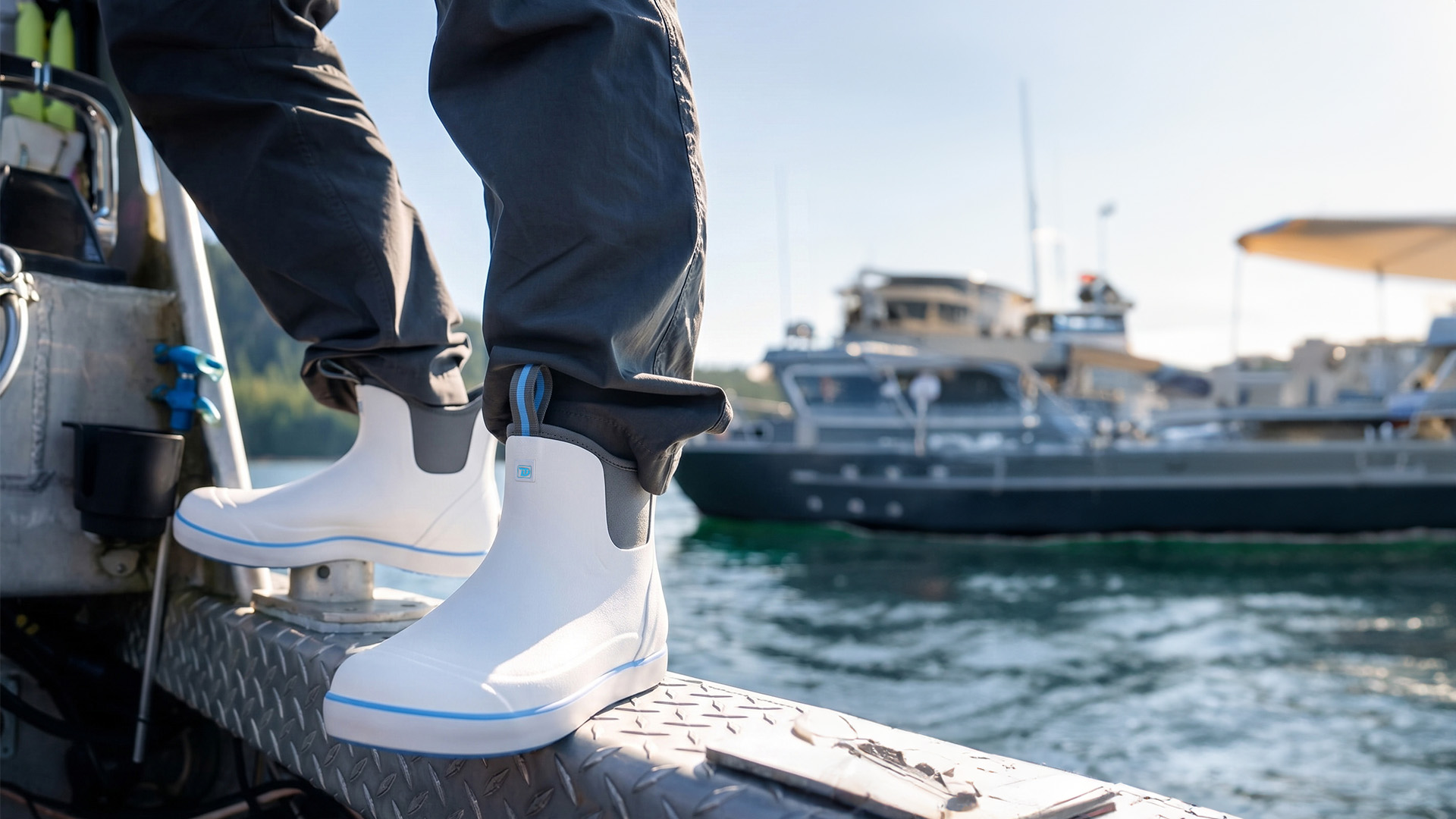
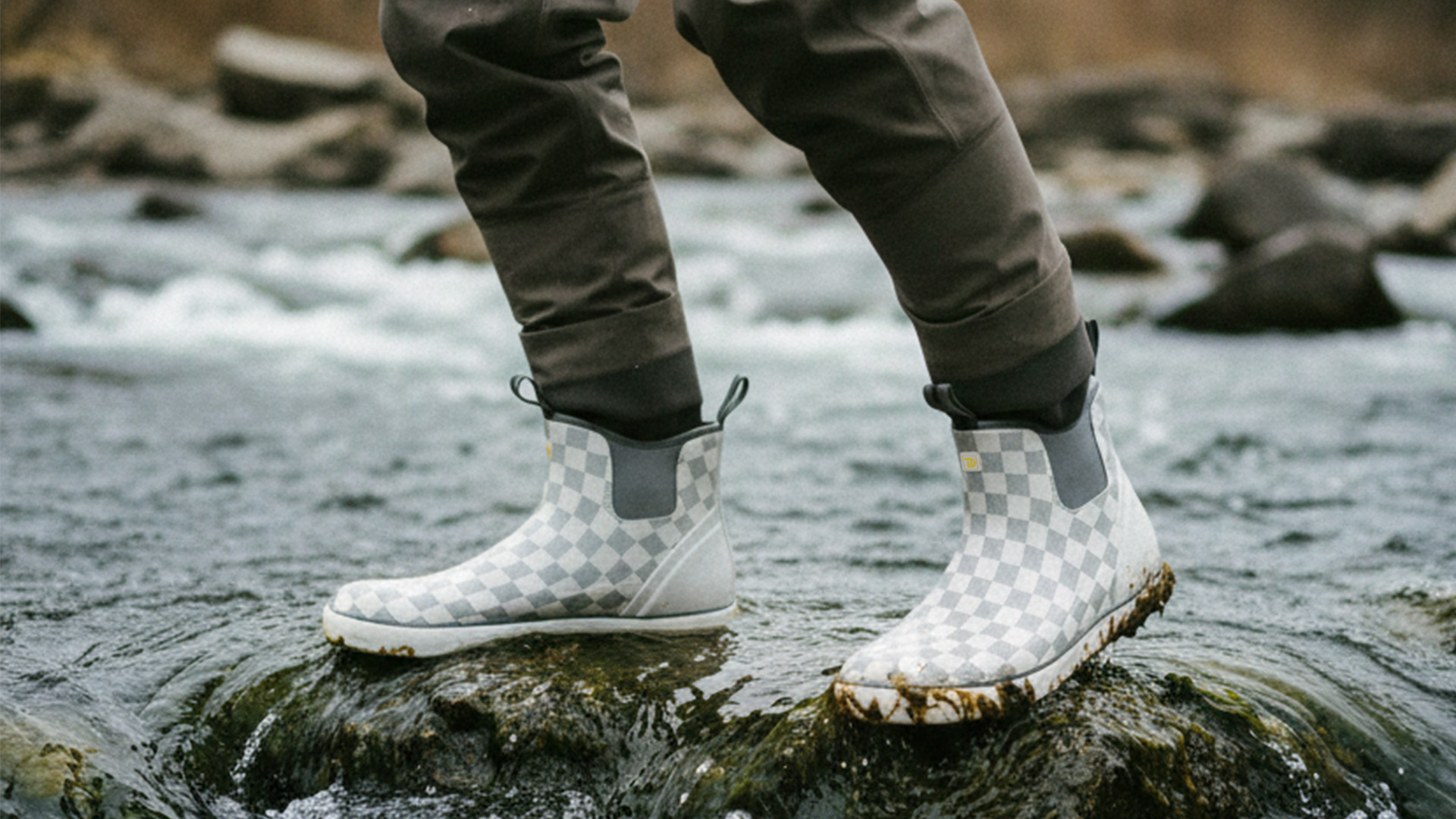
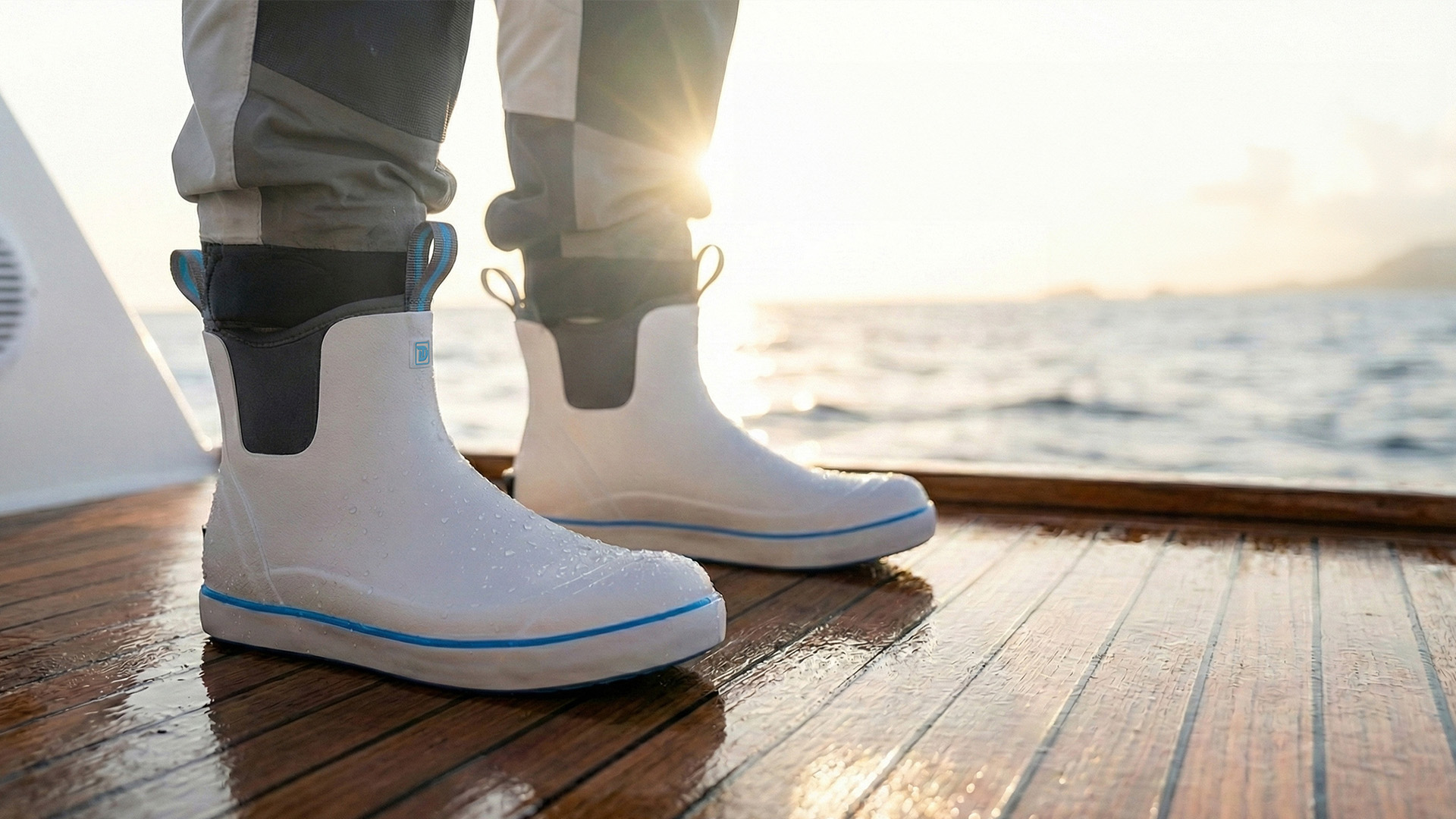
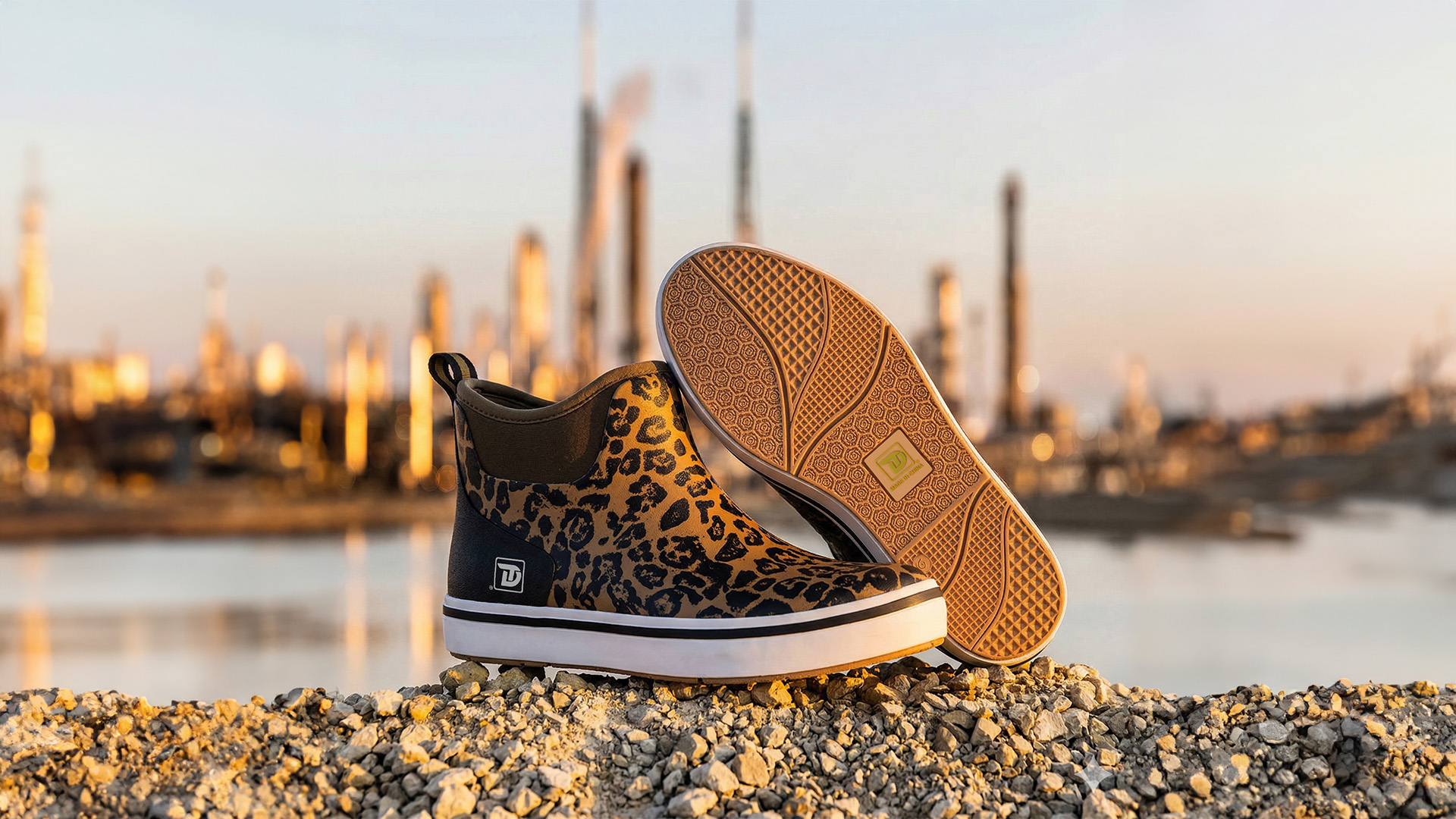
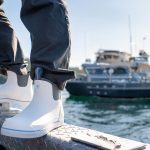
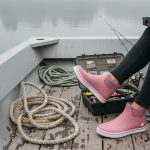
Fishing in wind and cold demands preparation—not just for your tackle, but for your body. When your hands are numb and your face stings, focus disappears fast. Dress in layers, wear a windproof shell, and keep your feet dry with insulated boots or waterproof deck shoes from brands like Trudave or Hisea.
Gloves with exposed fingertips let you tie knots and feel bites without sacrificing warmth. Keep hand warmers in your pockets, and always secure loose gear—wind gusts have no mercy for tackle boxes or rods left unattended.
Reading the Wind Like a Pro
When you spend enough time on the water, you’ll start noticing the wind’s language. You’ll see how small ripples form along submerged humps, how gulls hover over bait pushed against a bank, or how foam lines trace invisible currents. These are clues—messages written across the surface—that point toward fish activity.
Learning to interpret them transforms the way you fish. You stop fighting the wind and start fishing with it.
Final Thoughts
Blustery winter days aren’t just for the brave—they’re for the strategic. Wind doesn’t ruin a fishing trip; it defines it. By understanding how it shapes water movement, bait distribution, and fish positioning, you can use it to your advantage.
So the next time the weather turns rough and the wind howls across the lake, don’t pack up—position smart, read the signs, and let the elements guide you to success. The fish are still there, waiting in the current, just beyond the gust.