
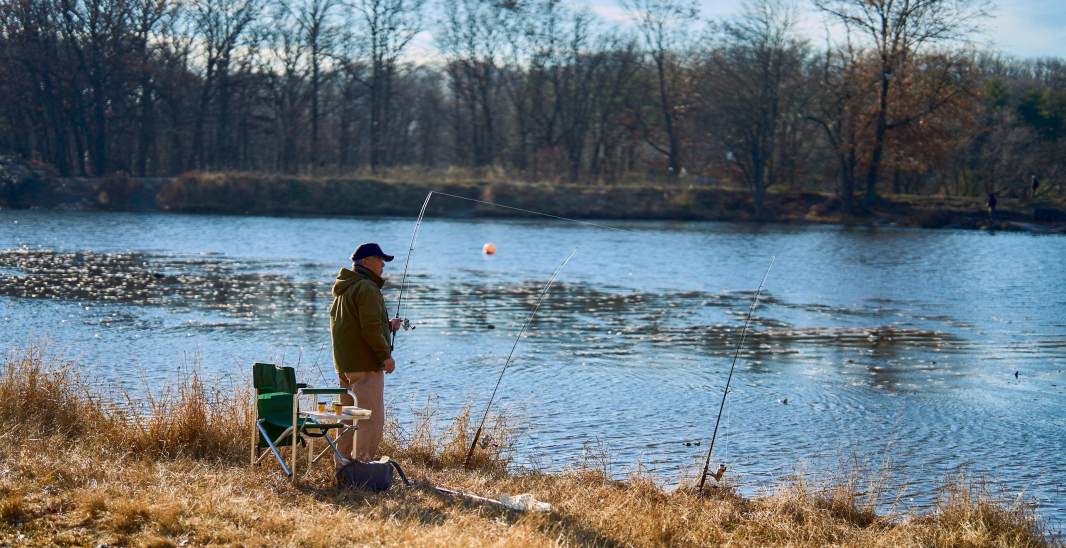
As the fiery reds and golds of fall fade into the stark chill of early winter, the once frenzied bite begins to slow. The fish that were crushing baits during the cooling weeks of October now move with deliberate patience. Their metabolism drops, their feeding windows shrink, and your once productive patterns seem to vanish overnight. For serious anglers, this is the season of precision — when understanding fish behavior in cold water separates the catchers from the casters.
Understanding the Transition: Why Fish Slow Down
When water temperatures dip below 50°F, a fish’s metabolism enters a kind of “energy conservation mode.” They simply don’t need to eat as often or move as far to feed. Their strike zones shrink dramatically, and their preference shifts toward easy meals. Bass, crappie, walleye, and trout all react differently, but they share one common trait: efficiency. Every movement costs energy, so they wait for food that’s worth the effort.
During this phase, baitfish behavior also changes — shad and minnows begin to migrate toward deeper, more stable water, often clustering tightly around structure or thermoclines. Predators follow, but their feeding windows narrow to short bursts of activity around midday when sunlight slightly warms the water column.
Slow Down Everything: Presentation Is Key
The first and most important adjustment to make is speed. What worked in October will not work in December. Every retrieve, every jig, every movement should slow to a crawl. Fish are less likely to chase, so your presentation should mimic an easy, wounded meal.
- For bass: Switch from fast-moving crankbaits to jigs, blade baits, or suspending jerkbaits. Let your lure pause longer than feels natural — sometimes up to 10 seconds between twitches.
- For crappie: Tiny hair jigs or live minnows suspended under a slip bobber work best. Hold them steady with minimal movement.
- For walleye: Jigging spoons or soft plastics on vertical presentations near deep structure outperform trolling this time of year.
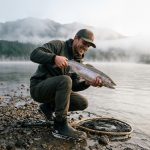
- For trout: Focus on drifted nymphs or small jerkbaits, especially during the warmest part of the day.
Patience becomes your most valuable tackle. The slower you fish, the more bites you’ll get.
Location: Depth and Stability Over Cover
When the water turns cold, fish stop roaming. Instead, they prioritize stable environments — places where the temperature and oxygen remain consistent. Look for:
- Deep points and ledges: These zones offer both safety and access to baitfish.
- Rocky bottoms: Rocks absorb sunlight and radiate heat, creating slightly warmer microzones.
- Channel bends: Current breaks where sediment collects often hold bait and resting fish.
- Green vegetation: In lakes where it persists, submerged grass continues to produce oxygen and attracts prey.
Electronics become invaluable here. Use your sonar to locate bait clusters and vertical lines indicating inactive, suspended fish. Those are often your best winter targets.
Tackle Adjustments for Cold Conditions
Cold weather affects more than fish — it affects your gear. Line stiffness increases, reels can freeze, and rod guides ice up. Smart anglers winterize their setups:
- Switch to fluorocarbon: It sinks faster, stays flexible in the cold, and transmits subtle bites.
- Use spinning setups: Baitcasters struggle with frozen line and reduced casting distance.
- Downsize: Lighter line and smaller baits look more natural in clear, cold water.
- Keep gear dry: Moisture freezes fast — store rods upright and bring spare gloves.
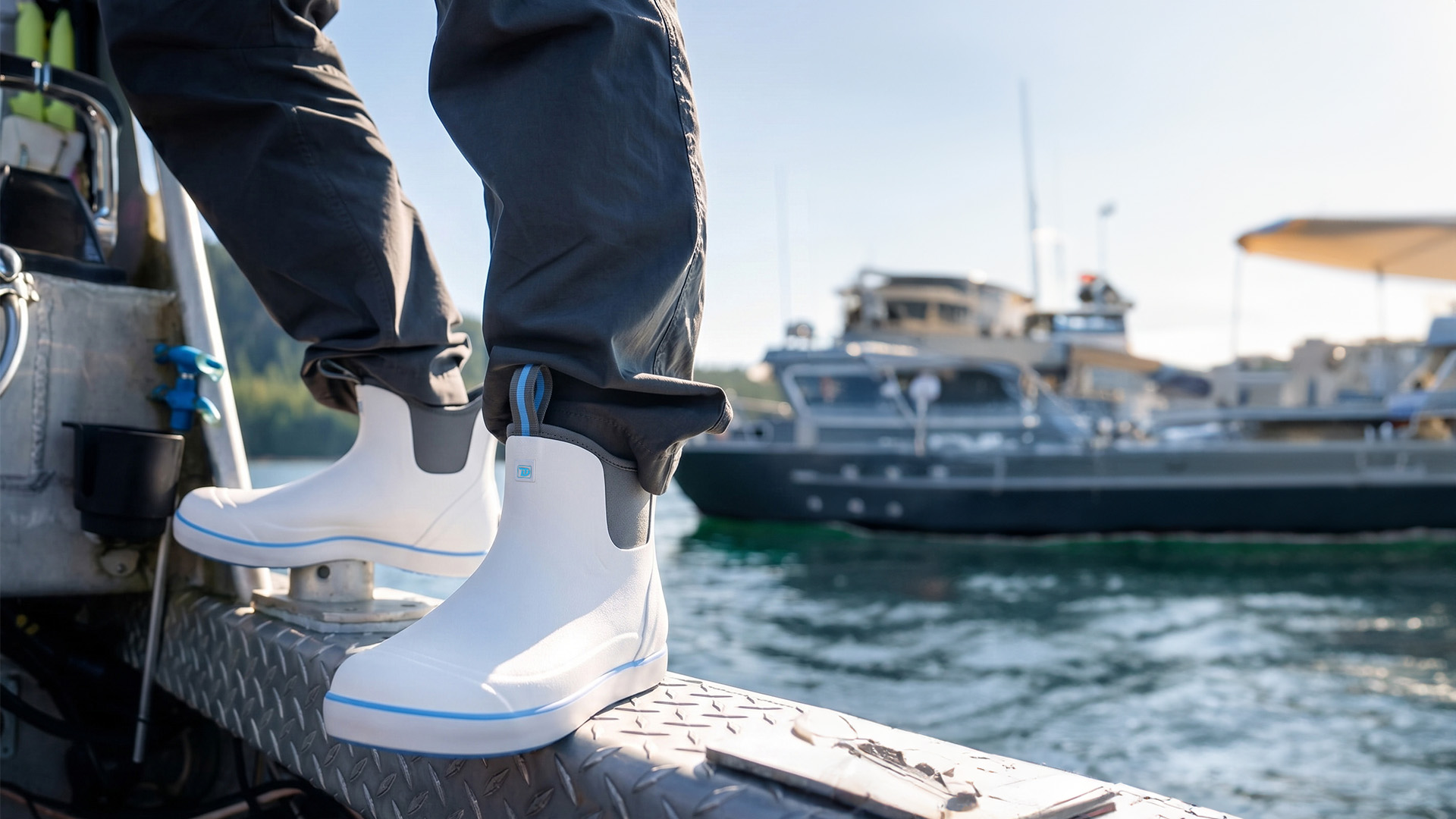
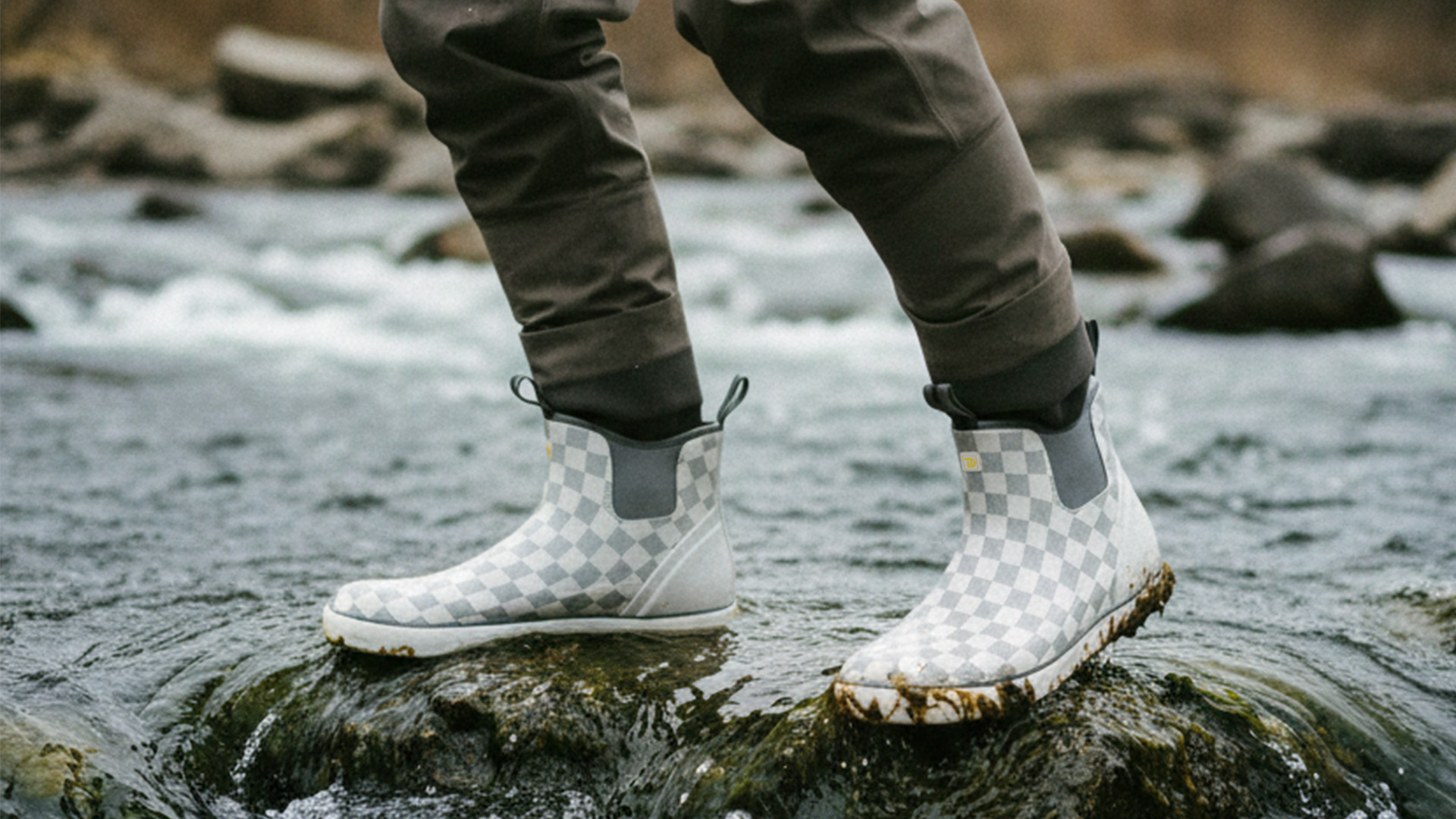
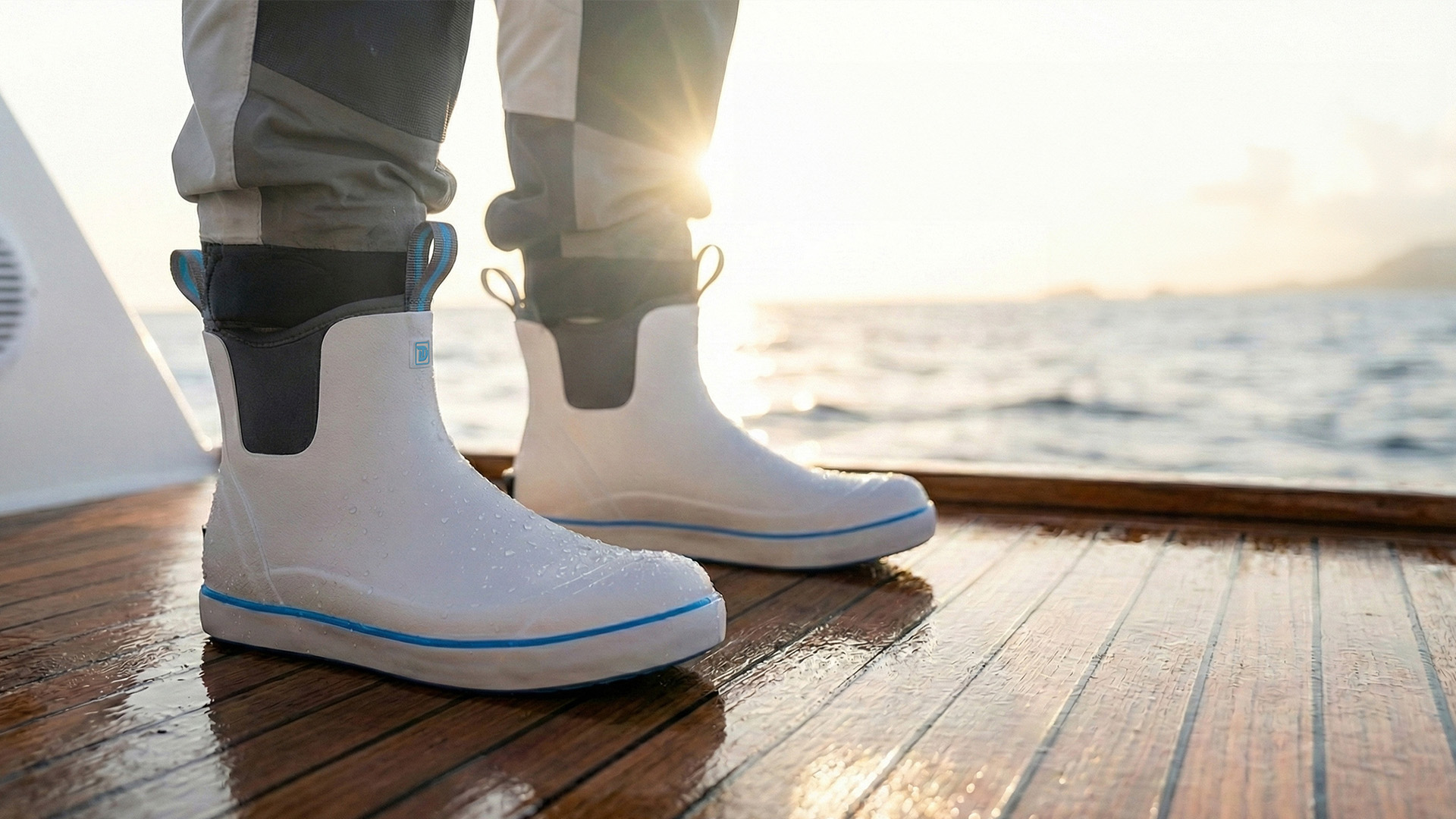
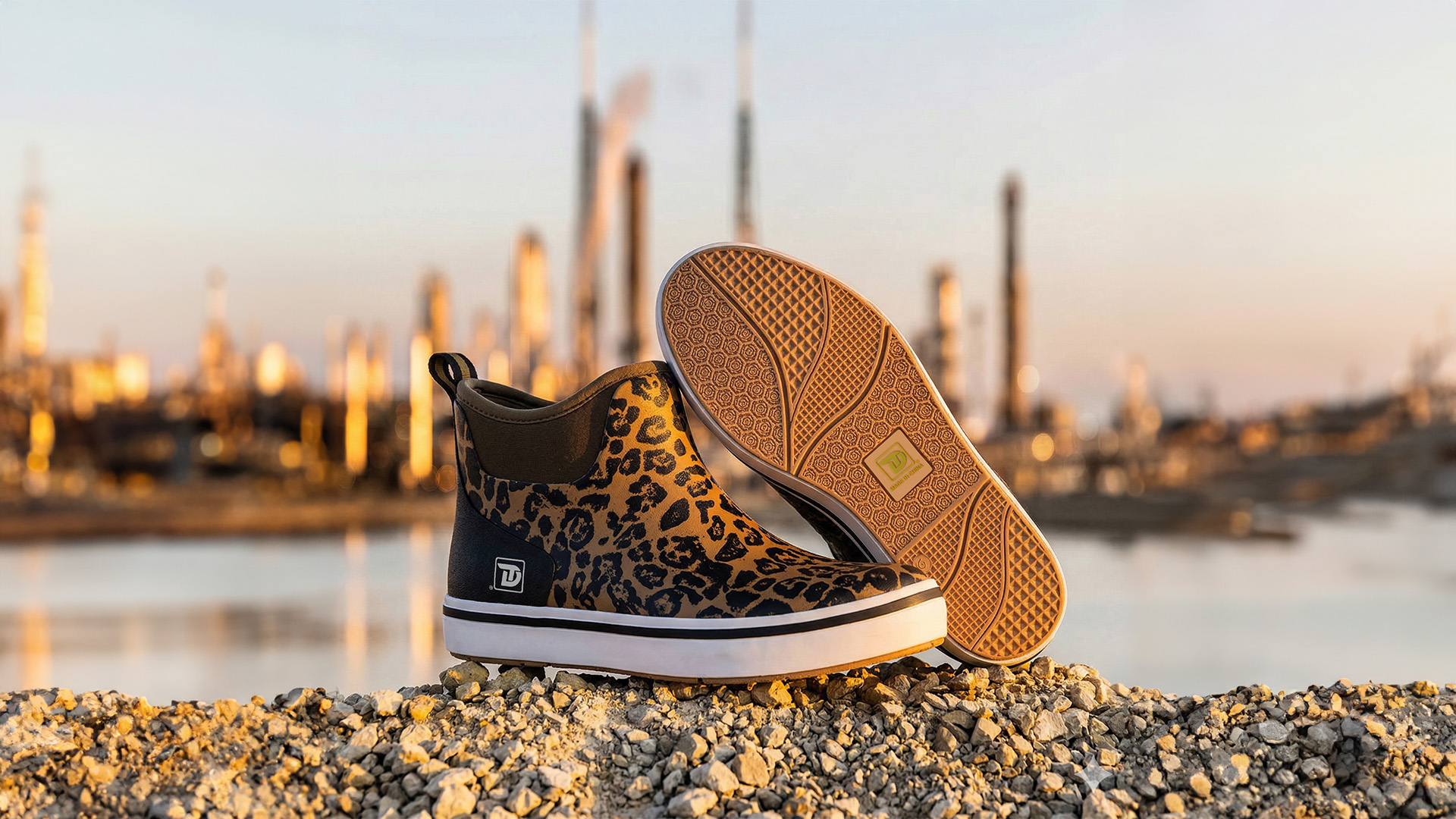
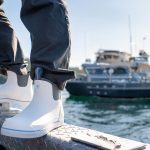
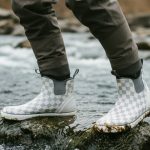
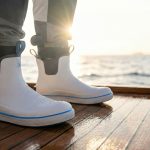
Even footwear matters this time of year. Insulated deck boots or waterproof waders, like those from Trudave or Hisea, keep your feet warm when standing in icy shallows or boat decks. Staying comfortable lets you focus longer — and that means more fish.
Feeding Windows: Timing the Bite
Unlike in summer, when dawn and dusk dominate, winter bites often peak between 10 a.m. and 3 p.m. That’s when sunlight has had time to raise water temperature just enough to trigger activity. Watch your electronics — if you see baitfish begin to rise slightly in the column, that’s your cue.
Wind direction and barometric pressure also matter more in winter. A light south or southwest breeze paired with falling pressure before a front can trigger aggressive short feeding spurts. When you see those conditions, drop everything and hit the water.
The Mental Game: Embracing the Grind
Fishing in cold weather is as much about mindset as it is about skill. You won’t get dozens of bites, and you’ll likely battle numb fingers, frosted guides, and stubborn fish. But when you do get that slow, deliberate thump on a freezing morning, it’s worth every minute of patience.
The “winter grind” rewards anglers who understand subtlety — those who can read sonar, feel a light pickup, and resist the urge to overwork a lure. Success this time of year isn’t about covering water; it’s about precision.
Final Thoughts
As fall’s energy gives way to winter’s stillness, fishing becomes an exercise in discipline. The frenzy may have faded, but the opportunity hasn’t. Beneath that glassy surface, fish are still there — conserving, waiting, surviving. Adapt your pace, refine your technique, and embrace the season for what it is: a test of patience and mastery.
Because when you finally feel that soft tug in the dead of winter, it won’t just be another fish — it’ll be proof that you’ve learned to fish smarter, not harder.