


As the season shifts from crisp mornings to frosty afternoons, something subtle yet powerful happens beneath the surface—baitfish begin their migration. The shallow bays and weedy flats that teemed with life all summer start to cool, pushing forage species like shad, minnows, and smelt toward deeper, more stable water. For anglers who understand this transition, November and early winter can be the perfect time to follow the forage—and find the predators that follow them.
Fishing deep water isn’t just about dropping a lure into the abyss; it’s about reading the underwater movement of life. From bass and walleye to lake trout and stripers, almost every predator in freshwater follows the same seasonal cue: go where the bait goes. Here’s how to track that movement, interpret the signs, and stay ahead of the bite when the shallows go quiet.
1. Why Baitfish Move Deep When Temperatures Drop
As surface water cools, baitfish seek stability. Shallow water cools rapidly in fall, creating wide temperature swings between day and night. In contrast, deep water holds consistent temperatures, offering both comfort and safety. Oxygen levels and thermocline shifts also play a major role—when the thermocline drops or disappears, baitfish spread out, often forming dense schools between 15 and 40 feet deep, depending on the lake.
These schools attract predators that were once scattered across shallows. The fall-to-winter transition becomes a buffet for larger fish, but finding them requires understanding not just depth, but how and where the bait moves.
2. Locating the Forage: Electronics Are Your Best Friend
If there’s ever a time of year when electronics make or break your trip, it’s now. Use sonar, side imaging, or forward-facing sonar to locate bait clouds suspended off points, humps, or drop-offs.
A few telltale signs:
- Dense, shifting clusters that look like cotton balls on your sonar screen.
- Predator arcs (larger fish marks) hanging below or beside those clusters.
- Sudden flares of movement—bait pushed upward by feeding fish.
Once you locate bait, stay patient. Sometimes predators move in waves, feeding briefly before disappearing. The best approach is to stay with the forage, not chase random marks. The bait is the anchor; the predators will come.
3. Key Areas to Target
Late fall and early winter structure plays a huge role in baitfish positioning. Look for areas where deep and shallow zones connect—these are highways for migration.
- Main-lake points: Baitfish stack here when winds push warmer surface water offshore.
- Channel bends and ledges: Classic holding zones where deep meets shallow.
- Submerged timber or rock humps: Offer both cover and temperature stability.
- Mouths of coves and creeks: Transitional routes where bait exits the shallows.
The north ends of lakes often cool first, pushing bait toward southern, deeper basins. On windy days, leeward sides of points can collect bait, especially if the water is slightly warmer or clearer.
4. Lures That Match the Migration
Once you’ve found the bait, presentation matters more than lure color. Your goal isn’t to imitate a single baitfish—it’s to blend in with the school and provoke strikes from opportunistic predators.
Here are proven choices for deep-water forage chasers:
- Vertical jigging spoons: Drop them into bait clouds and let them flutter naturally—perfect for bass, walleye, and lake trout.
- Soft jerkbaits on jig heads: Mimic wounded shad when worked slowly through suspended schools.
- Blade baits: Deliver vibration that draws attention in deeper, darker water.
- Swimbaits: 3–5 inch models fished on underspin heads closely match fall forage size and profile.
- Jigging raps or ice spoons: Deadly for fish hugging structure beneath bait schools.
When baitfish are tightly schooled, subtle, vertical movements work best. When they’re scattered, use a slow, steady retrieve along contour lines to intercept cruising predators.
5. Understanding Predator Behavior: Who’s Following the Bait
Different species follow forage differently, and understanding those nuances helps refine your approach.
- Bass (largemouth and smallmouth): Often suspend beneath bait schools or hold near the closest vertical structure. Target them with flutter spoons or drop-shot rigs.
- Walleye: Cruise along break lines or points below bait balls, especially near dusk. Slow presentations like jig-and-minnow combos work best.
- Stripers and hybrids: Actively chase bait into open water—watch for surface boils or birds diving.
- Trout and lake trout: Relentlessly follow smelt or shiners into the deep basins, sometimes over 60–100 feet of water. Vertical jigs and swimbaits excel here.
No matter the species, the rule holds: find the bait, and you’ll find the bite.
6. Reading Environmental Cues
Even without electronics, the environment can tell you a lot about baitfish movement.
- Bird activity: Diving gulls or loons often pinpoint where bait is balled up near the surface.
- Wind direction: A steady wind can push plankton and small forage to one side of a lake, concentrating both bait and predators.
- Water clarity: After a front, baitfish often move deeper into clear water to avoid light penetration and pressure changes.
Track these cues over multiple days to build a pattern—you’ll often find that bait revisits the same areas when conditions repeat.
7. Staying Confident Through the Depths
Fishing deep can feel intimidating, especially when you can’t see the action. But confidence separates the few who stick it out from the many who head home early. Trust your electronics, move with purpose, and commit to the idea that you’re not fishing for numbers—you’re fishing for the best bites of the season.
Late fall is also when gear and comfort become crucial. Keep yourself focused and safe:
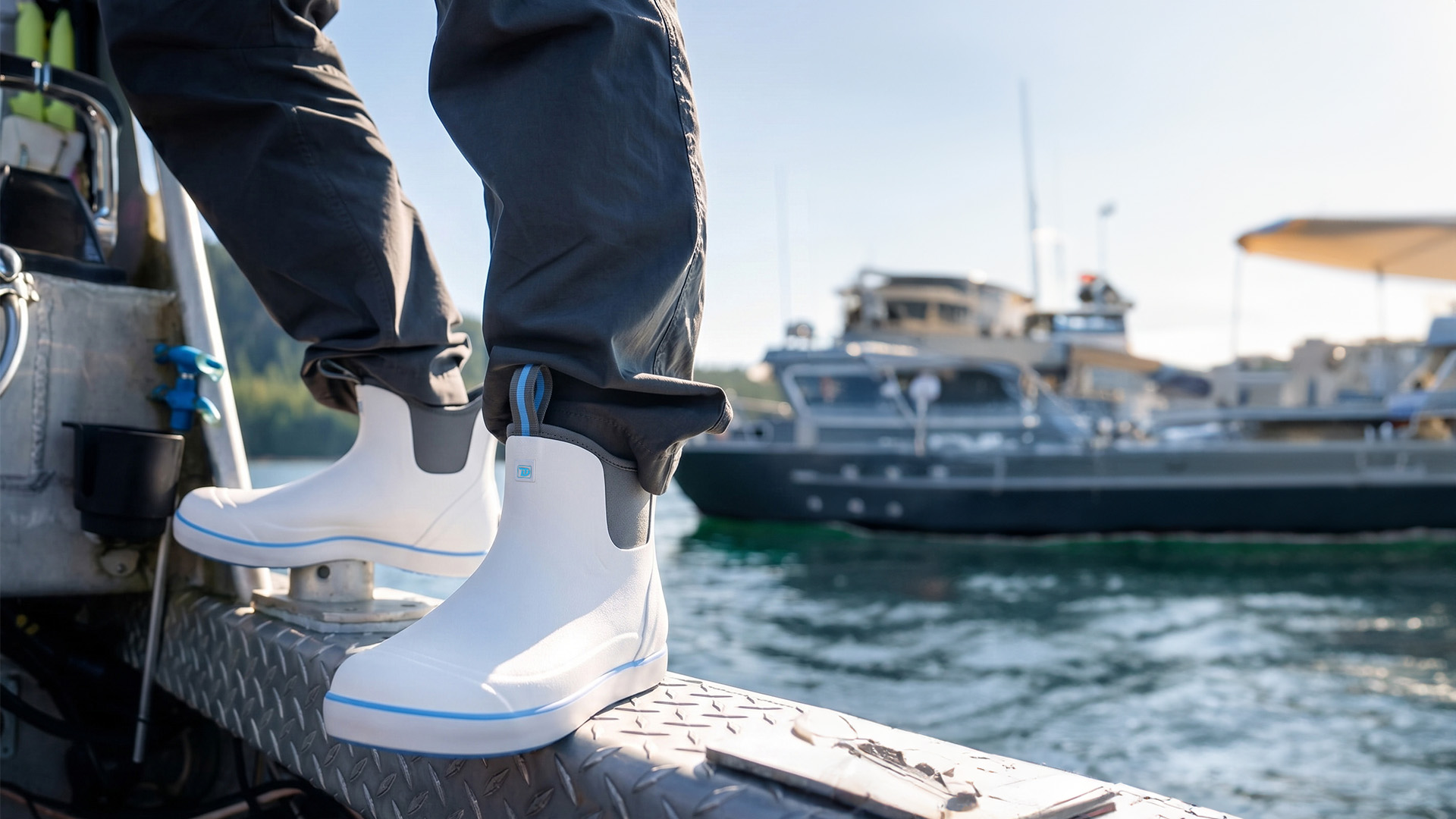
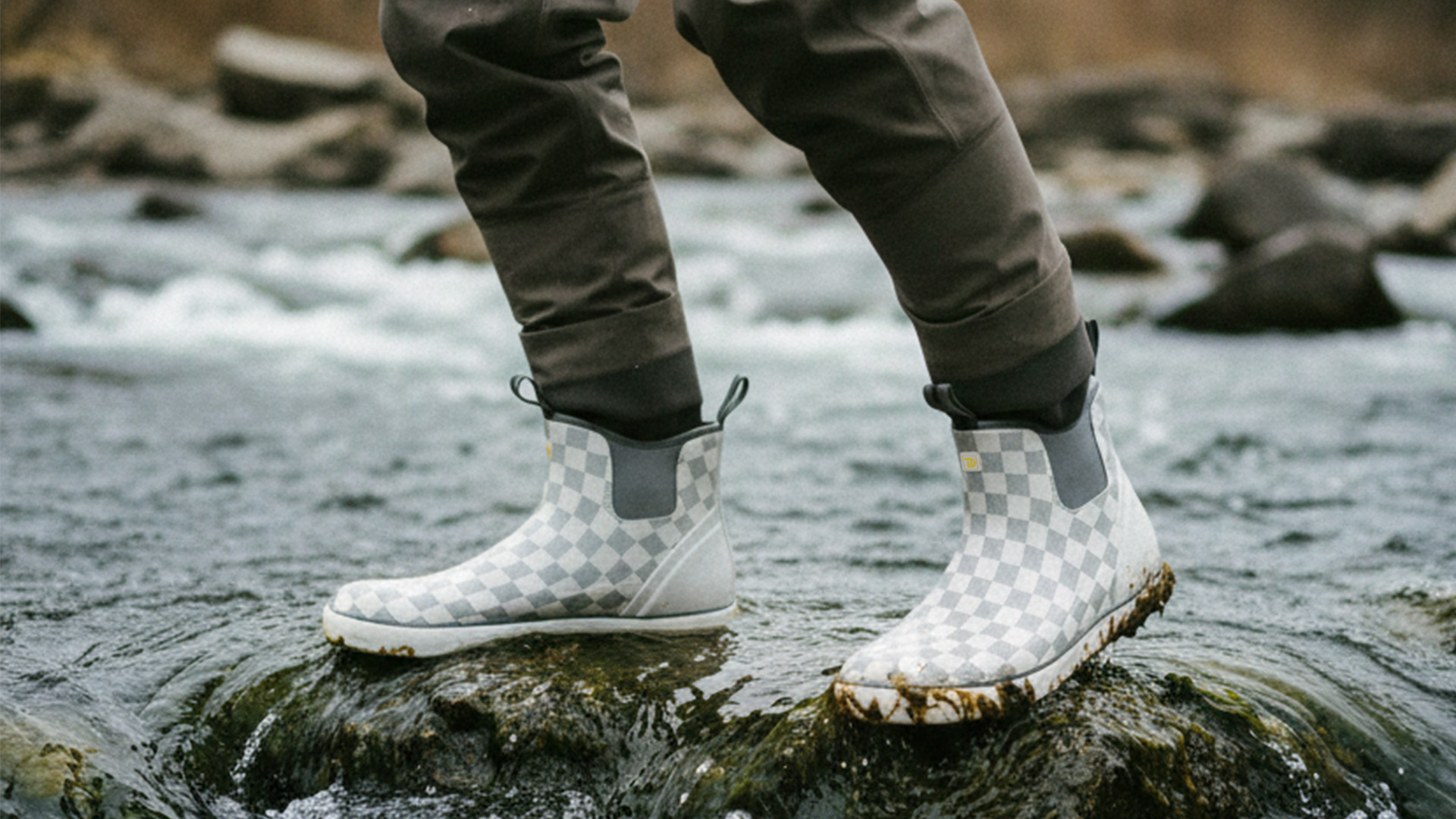
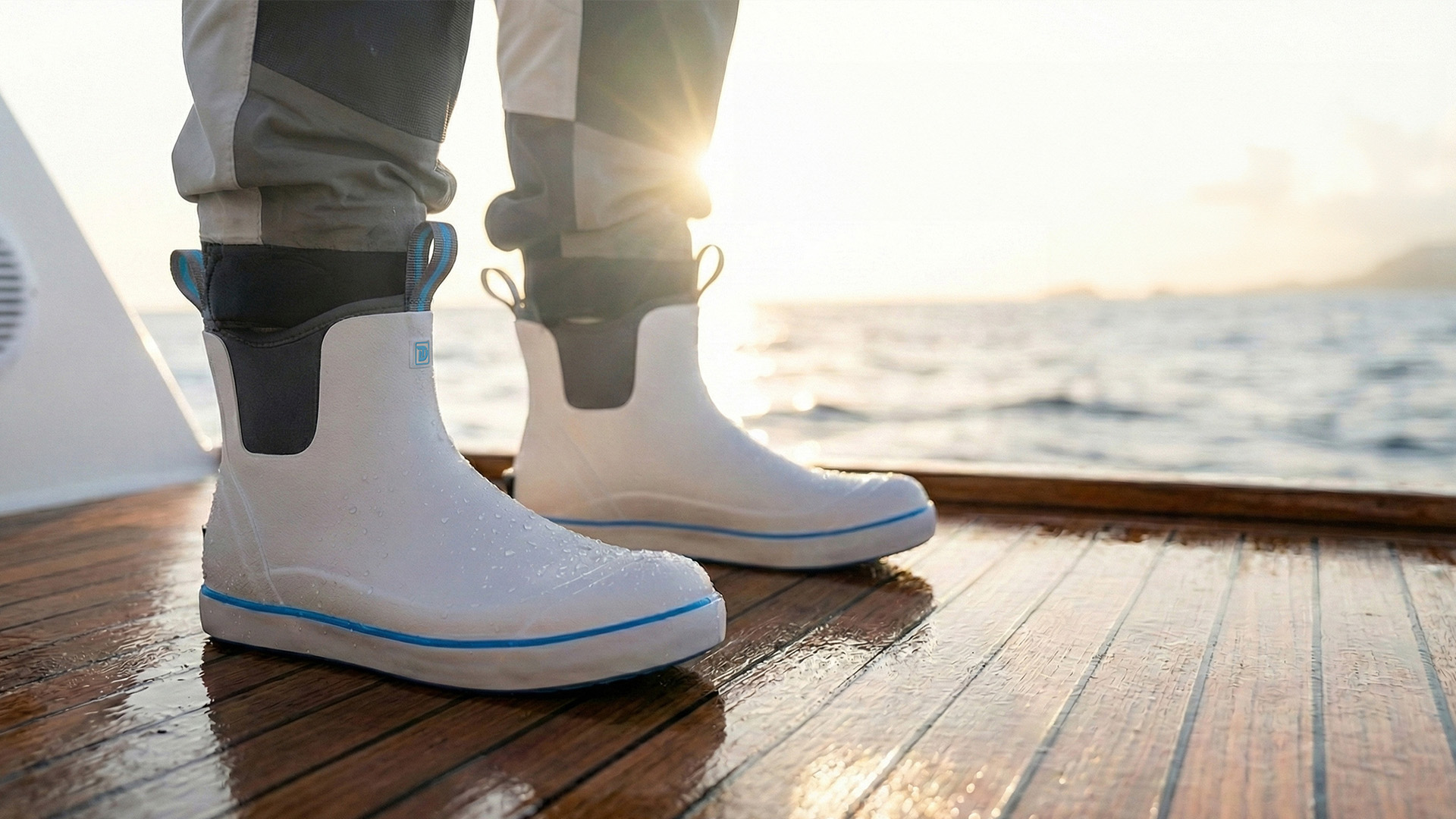
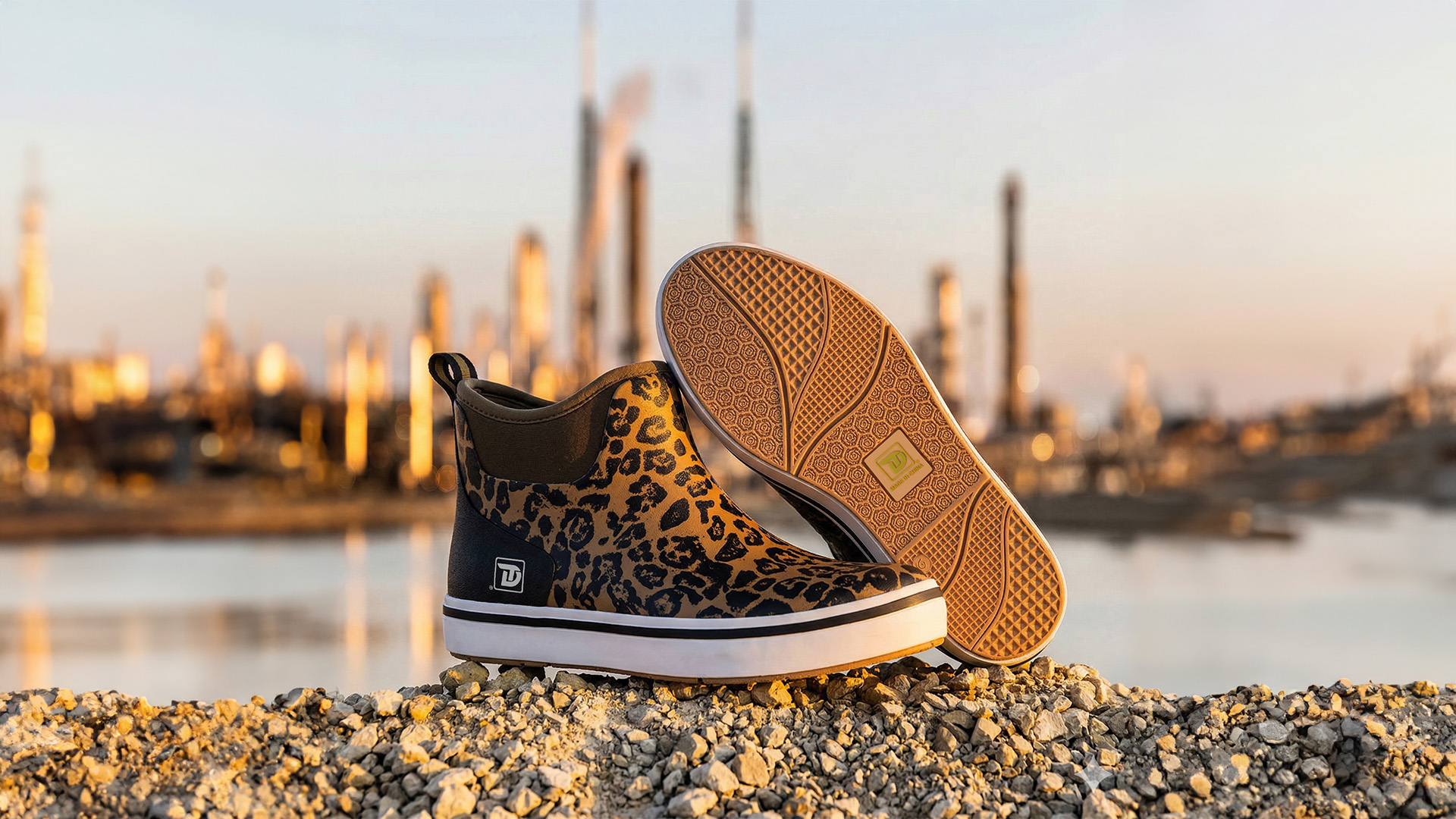
- Wear waterproof insulated boots like Trudave or Hisea neoprene models to stay dry during long, cold sits on the deck.
- Use breathable outerwear that blocks wind without trapping sweat.
- Keep your hands functional—dry gloves, hand warmers, and fingerless liners are worth their weight in gold.
Comfort keeps you patient, and patience is everything when fishing deep water.
8. The Reward of Following the Forage
Following baitfish into deep water isn’t just about catching fish—it’s about understanding the seasonal heartbeat of the lake. Every shift in temperature, every gust of wind, every flicker on your sonar screen tells part of a bigger story.
By following that story—by tracking the forage—you’re not guessing where fish might be. You’re following nature’s blueprint. And when you finally feel that deep, heavy thump at the end of your line, you’ll know you’re not just lucky—you’re dialed in.
Final Thoughts
As the surface ices over and the shorelines grow silent, the real action often happens far below. The baitfish are still moving, the predators are still feeding, and for those willing to follow the forage into the depths, the late-season payoff can be unforgettable.