
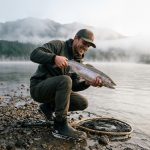
As the year winds down and a thin skim of ice begins to creep along the shoreline, many anglers pack away their gear and wait for spring. But for those who stay on the water just a little longer, late fall can deliver some of the most rewarding fishing of the entire season. The bite may not be fast and furious, but when you find the right pattern, the payoff—fat, aggressive fish feeding before winter—can be incredible.
Here’s how to make the most of your last casts before ice-up, understanding where fish move, how they feed, and what presentations work best when temperatures plummet.
1. Understand Late-Fall Fish Behavior
As water temperatures drop into the low 40s and even 30s (°F), fish metabolism slows dramatically. Most species—whether bass, walleye, or panfish—transition from active, shallow feeding to slower, energy-efficient movements.
But that doesn’t mean they stop feeding. In fact, this is a prime window for big bites, as fish instinctively bulk up before winter sets in. They often move toward deeper structure near wintering holes—points, drop-offs, channel edges, or rocky humps—but will rise into shallower water to feed when the sun warms the surface even slightly.
Pay attention to temperature fluctuations of just a degree or two—those can be the difference between a slow day and a banner one.
2. Downsize and Slow Your Presentation
When the water turns cold and clear, less is more. Fish won’t chase fast-moving baits like they did in summer. Instead, switch to smaller, subtler presentations:
- Jigs and plastics: Finesse swimbaits, grubs, or tubes worked slowly near the bottom mimic lethargic baitfish.
- Blade baits and spoons: Subtle lifts and drops can trigger reaction bites from cold fish hugging structure.
- Live bait rigs: Minnows and leeches fished slowly on drop-shots or slip-sinkers often outperform artificials in icy water.
Retrieve speed is critical—think crawl, not sprint. The goal is to stay in the strike zone as long as possible and tempt neutral fish into biting.
3. Find Structure, Then Find the Transition
Late in the season, fish congregate in very specific zones—usually near deep wintering areas but close enough to shallow feeding zones that they can move easily between the two.
Here’s what to look for on your electronics:
- Steep breaklines that drop from 8–12 feet into 20–30 feet of water.
- Rocky points that catch afternoon sun and retain heat.
- Submerged weed edges, especially where green vegetation still lingers.
- Channel bends and current seams in rivers where baitfish are pushed together.
If you’re not marking fish, don’t assume they’re gone—they’re just grouped tighter. Slow down, scan thoroughly, and you’ll find them stacked up in predictable spots.
4. Follow the Sun and the Wind
The cold season rewards anglers who pay attention to environmental cues. On sunny days, shallow bays and north-facing shorelines warm fastest. Even a slight bump in temperature can bring fish shallow for a short window.
Wind direction also plays a big role. A steady breeze pushing warmer surface water into one side of the lake often creates the most active zone. Fish the windblown bank—it’s uncomfortable, but that’s usually where the bite happens.
5. Dress for the Conditions and Stay Mobile
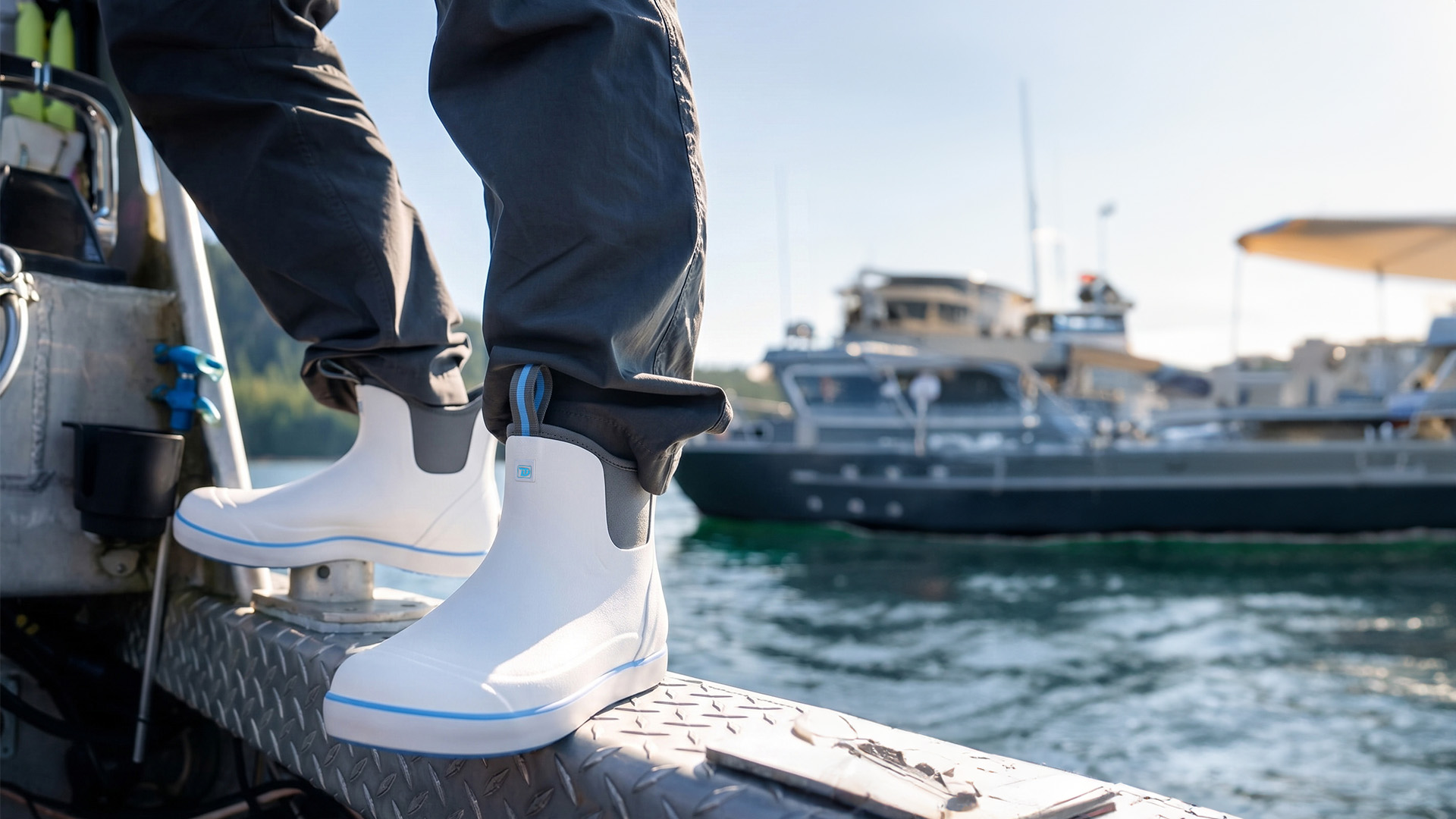
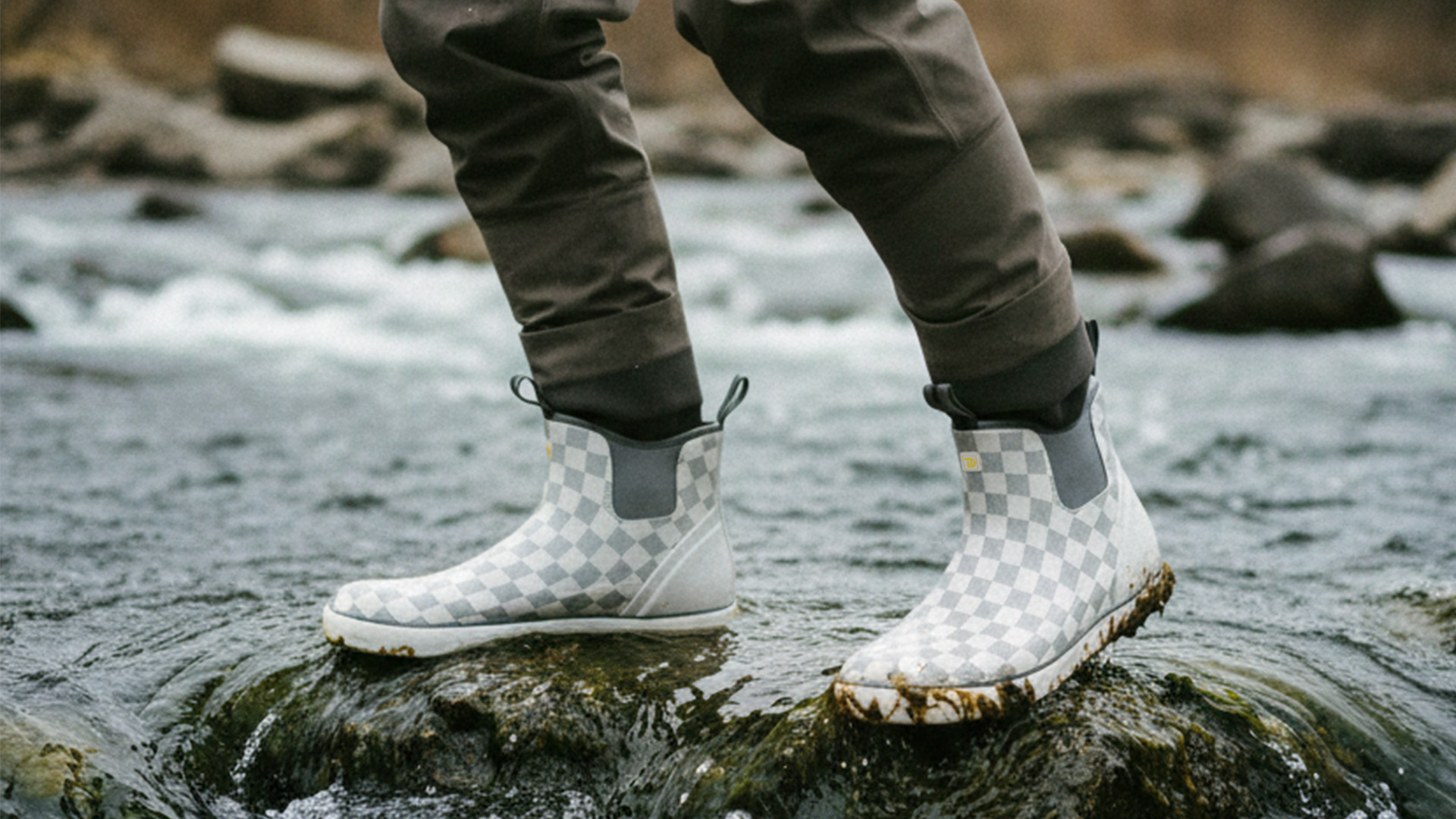
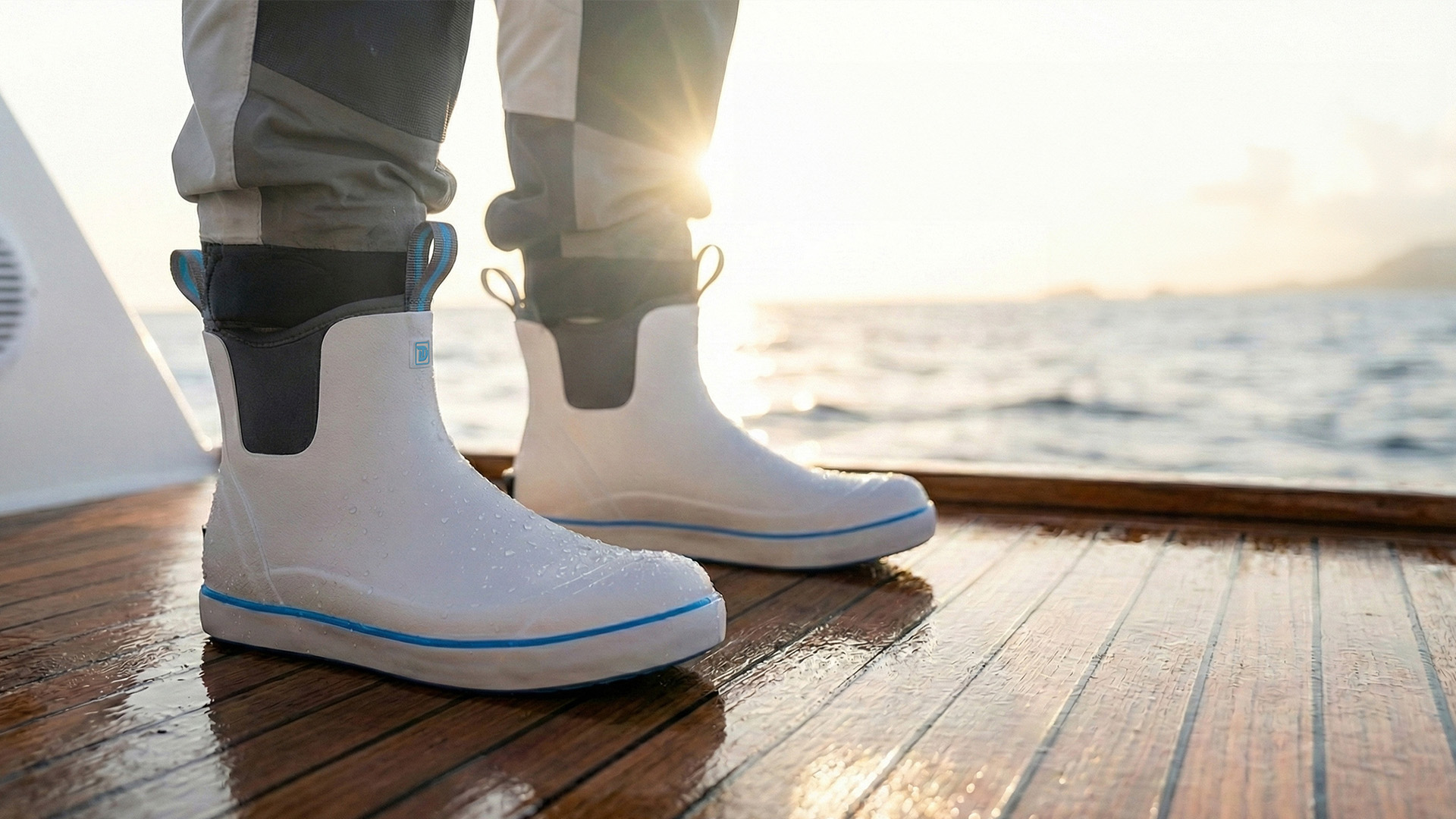
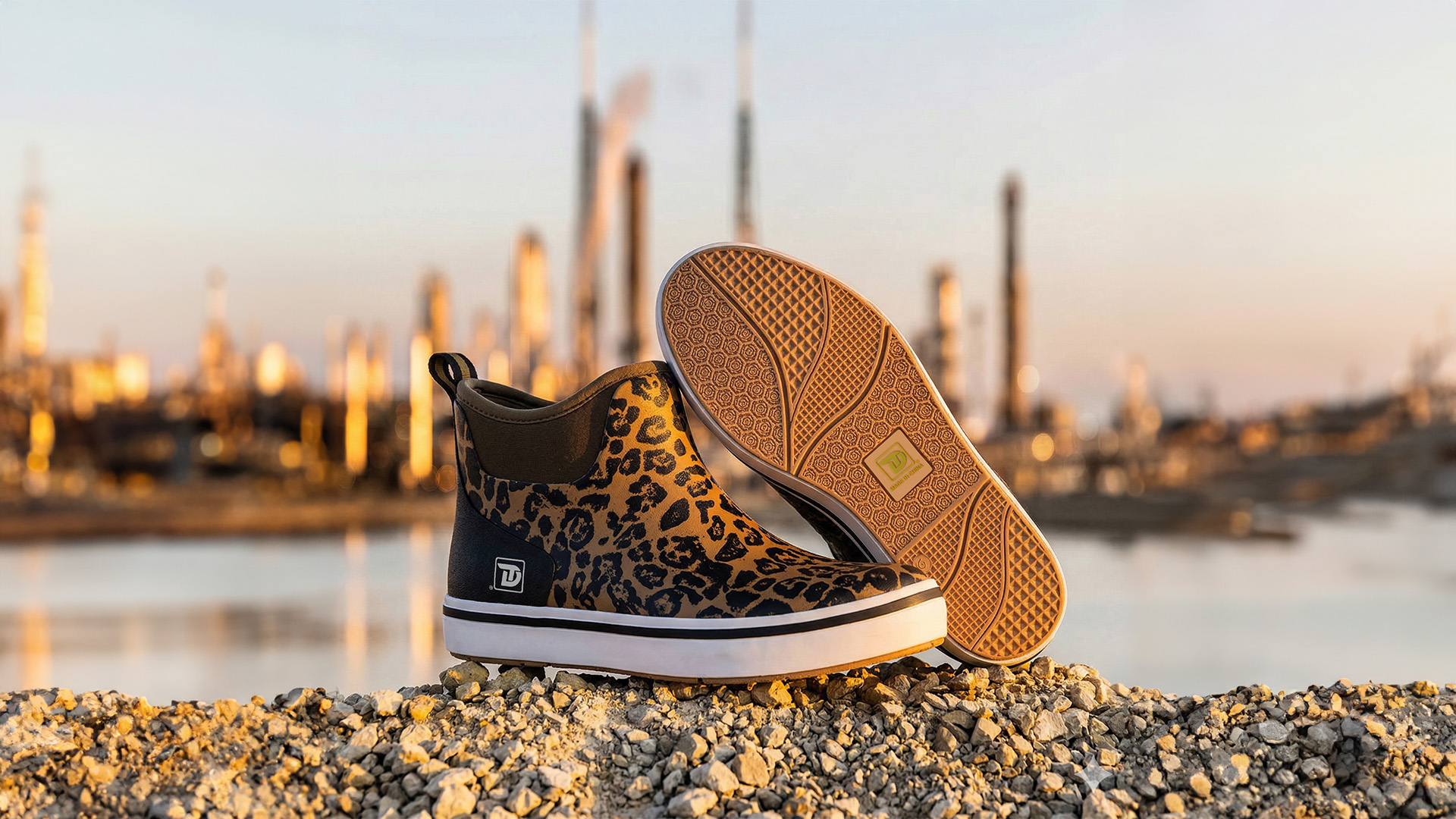
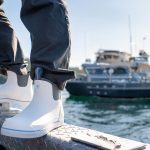
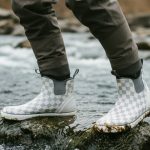
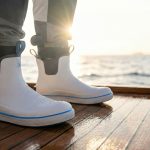
Late-fall fishing is not for the faint of heart. Air temps can drop below freezing, and frost can make decks slick. Dress in layers, wear insulated waterproof boots (like Trudave or Hisea neoprene waders), and keep a thermos of something hot within reach.
Don’t be afraid to move. The window of activity might be short, but relocating to follow sunlight, temperature shifts, or bait concentrations can make the difference between skunked and successful.
6. Respect the Transition — Ice Is Coming
As the season closes, be mindful of safety. Ice can form faster than you think, especially overnight. Always check water access points, avoid isolated bays with surface skim, and never push too far into unsafe areas just for one more cast.
The beauty of this time is in the solitude. The crowds are gone, the air is sharp, and every bite feels like a reward for your persistence.
Final Thoughts
The last cast before ice isn’t just about catching fish—it’s about savoring the transition. It’s the quiet rhythm of nature winding down, the stillness before the deep freeze. When you understand late-fall patterns—slowing your presentation, following temperature shifts, and targeting the right structure—you’re not just fishing smarter; you’re fishing in sync with the season.
So bundle up, stay patient, and make those final casts count. Winter will be long—but the memories from those cold, clear November waters will keep you warm until spring.