


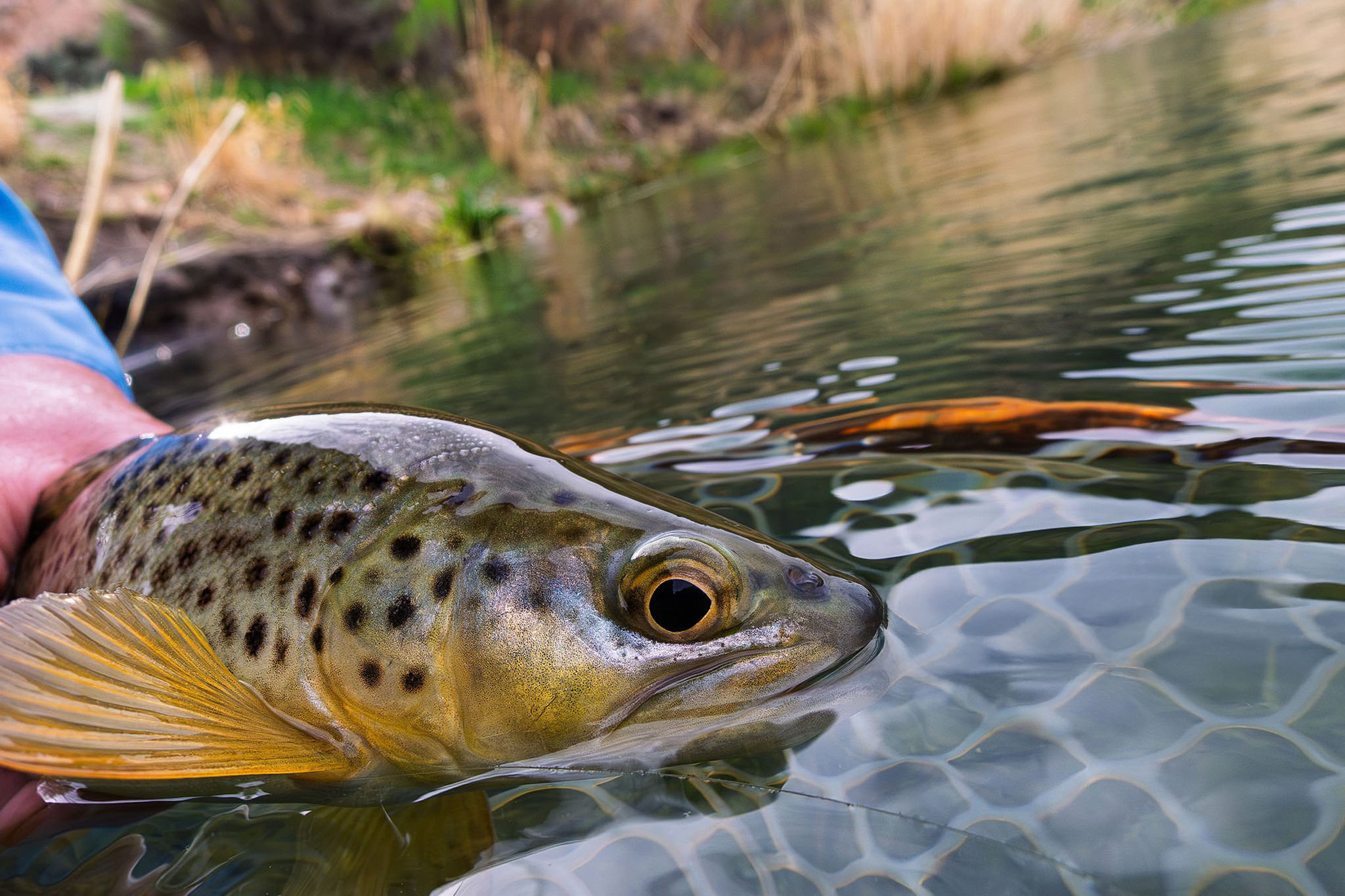
There’s something magical about a gray, rainy day on the water. The mist hangs low, raindrops ripple the surface, and most anglers have already called it quits. But for those who stay — those willing to brave the chill and the drizzle — the rewards can be huge. Late in the season, when cold fronts and rain showers roll through, fish behavior changes dramatically. While most people think the bite shuts down in foul weather, the truth is the opposite: overcast, rainy days often deliver some of the biggest fish of the year.
This isn’t luck — it’s science, strategy, and a little grit. Let’s dive into why dreary days can produce trophy catches and how you can make the most of them.
1. The Science Behind the “Hot Bite” in Cold Rain
When the sky darkens and rain begins to fall, several things happen in a fish’s world:
- Light penetration drops, which means predators can move freely without being easily spotted.
- Barometric pressure falls, making fish more active and comfortable in shallower water.
- Oxygen levels rise as rain and wind churn the surface, bringing fresh oxygen into the upper water column.
Combined, these factors trigger an instinctive feeding response. Bass, walleye, trout, and pike sense the change and begin to hunt. The dim light gives them the advantage, and with baitfish disoriented near the surface, predators go on the prowl.
In short, bad weather for humans often equals prime conditions for fish.
2. Cloud Cover Changes Everything
On bright, sunny days, fish often stay deep or tuck tight to cover to avoid light and predators. But when the sky turns gray, they roam. Overcast conditions eliminate harsh shadows and glare, expanding the feeding zone across the lake or river.
This is when big fish — the cautious ones that hide during bright conditions — venture out to hunt. They’re less spooky, more confident, and more willing to chase moving baits.
Pro Tip: On cloudy days, don’t stay glued to one spot. Fish will be more spread out. Cover water with search baits like spinnerbaits, chatterbaits, or crankbaits.
3. Rainfall Brings Life (and Opportunity)
Rainfall isn’t just about the drops hitting the water. It’s a biological event that changes the ecosystem:
- Runoff brings nutrients and baitfish into creeks and shallow bays.
- Cooler surface temperatures can draw fish shallow even late in fall.
- Rain noise masks your presence, letting you get closer to fish without spooking them.
Target areas where small creeks or drains enter the main water body — those inflows often carry worms, insects, and small baitfish. Predator fish like bass and trout stack near these areas waiting for an easy meal.
If the rain’s steady but not torrential, you’re in the sweet spot — just enough disturbance to stir things up, not enough to muddy the water completely.
4. Understanding Temperature Transitions
Late-fall rain can vary: sometimes it’s just a cool mist, other times it’s a bone-chilling downpour. Each scenario affects fish differently.
- Light rain + mild temps: Fish stay active across shallow flats and weedy bays. Ideal for crankbaits and swimbaits.
- Heavy cold rain after a front: Fish move deeper but remain aggressive for short bursts, especially during warm afternoon periods.
- Continuous drizzle: Fish feed throughout the day instead of just during morning or evening windows.
Temperature stability is key. A sudden cold snap can shock the bite, but a gentle, steady rain? That’s feeding weather.
5. Lure Selection for Rainy, Overcast Conditions
When the sky is gray and the rain is falling, think visibility and vibration. You’re fishing in low light, so you need lures that fish can feel and see in murky water.
Top Lure Picks:
- Spinnerbaits: Perfect for covering water and creating flash in dim light.
- Chatterbaits: Excellent vibration and thump, even in stained water.
- Squarebill crankbaits: Ideal for shallow, rocky, or woody cover where fish move during rainfall.
- Topwater frogs or buzzbaits: During warm rain, fish often strike topwater all day long.
- Jigs and soft plastics: When the rain slows or stops, switch to slower baits for pressured or lethargic fish.
Color Tips:
- Use bright or high-contrast colors like chartreuse, white, or black in murky water.
- Stick to natural shad or green pumpkin tones in clearer rain-fed conditions.
6. Where to Find Fish When It’s Raining
Rain reshapes how fish position themselves. Here’s where to look when the drizzle sets in:
| Condition | Fish Location | Best Technique |
|---|---|---|
| Light Rain, Overcast | Shallow flats, grassy points | Spinnerbait, crankbait, swimbait |
| Heavy Rain, Drop in Temp | First breakline off structure | Jig, Texas rig, slow-rolled spinnerbait |
| Creek Runoff or Drain Inflow | Mouth of creek, current seam | Chatterbait, jerkbait |
| Wind-Blown Banks | Points with current and bait | Topwater or crankbait |
| After Rain Clears | Secondary points, mid-depth brush | Drop shot, finesse plastics |
Adapt your strategy with the weather. The best anglers are those who can move fast, read the conditions, and stay one step ahead of the fish.
7. Rain Gear: The Unsung Hero of Success
The difference between a good day and a miserable one often comes down to your gear. You can’t fish effectively if you’re wet, cold, and uncomfortable.
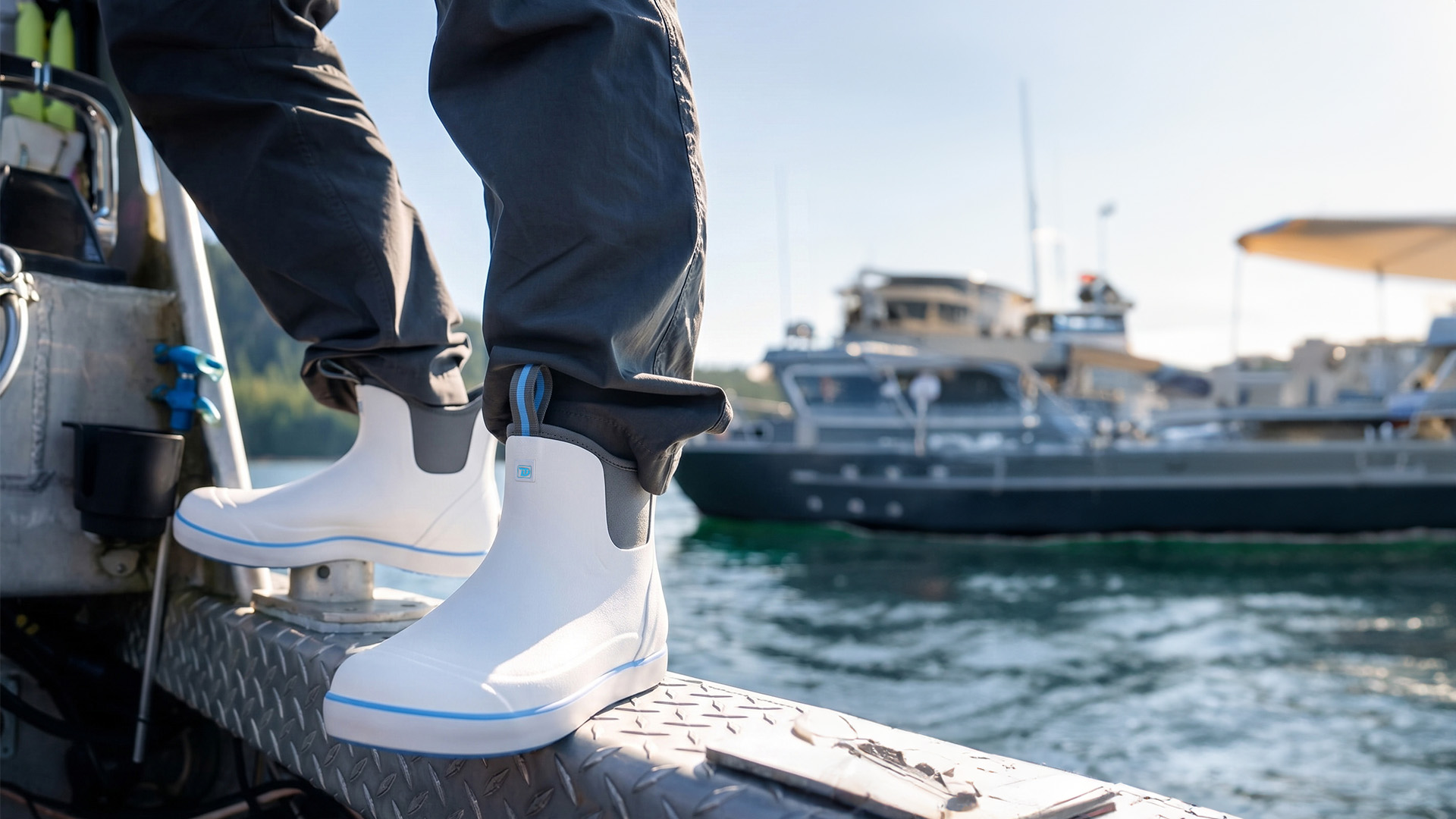
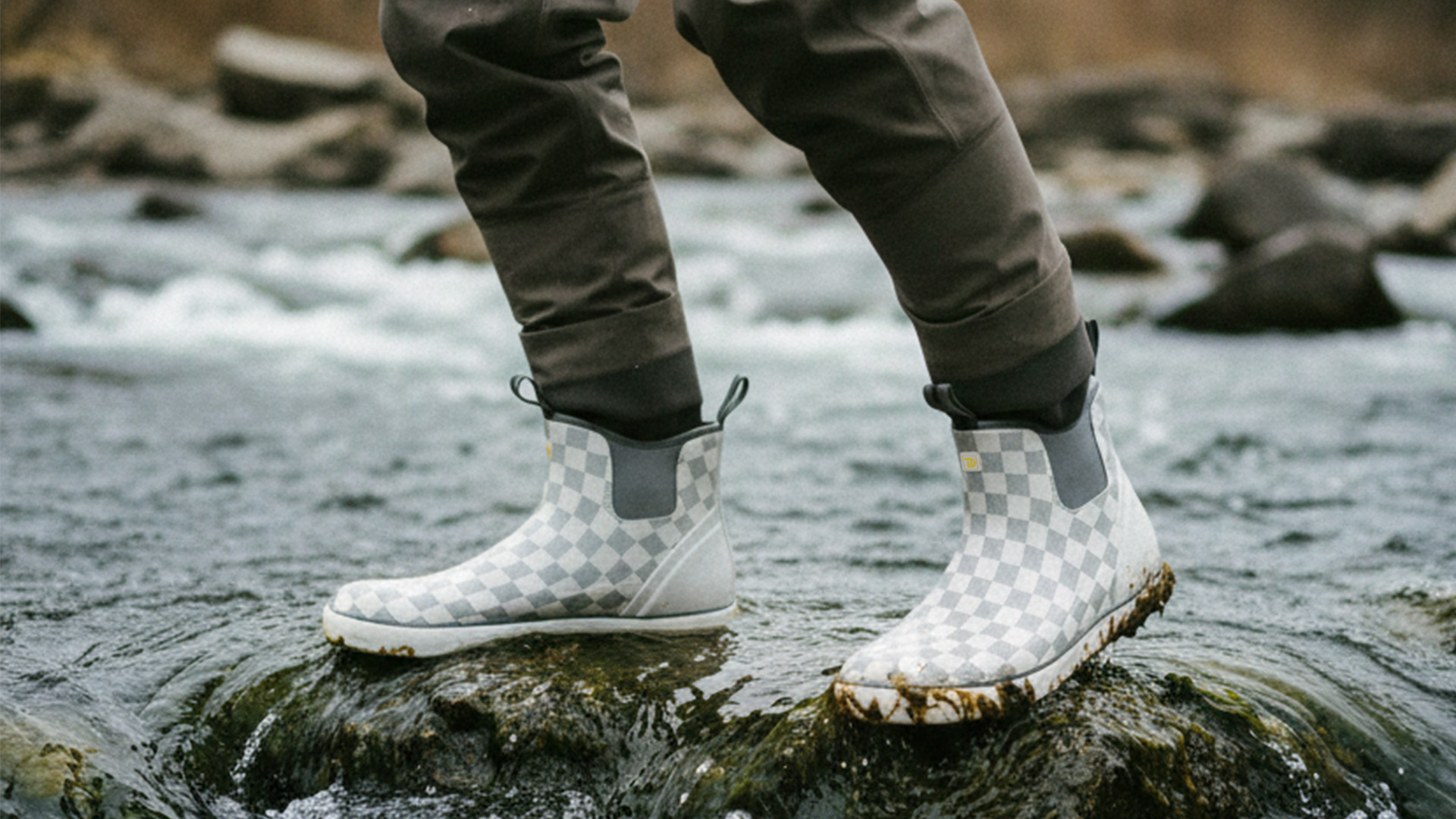
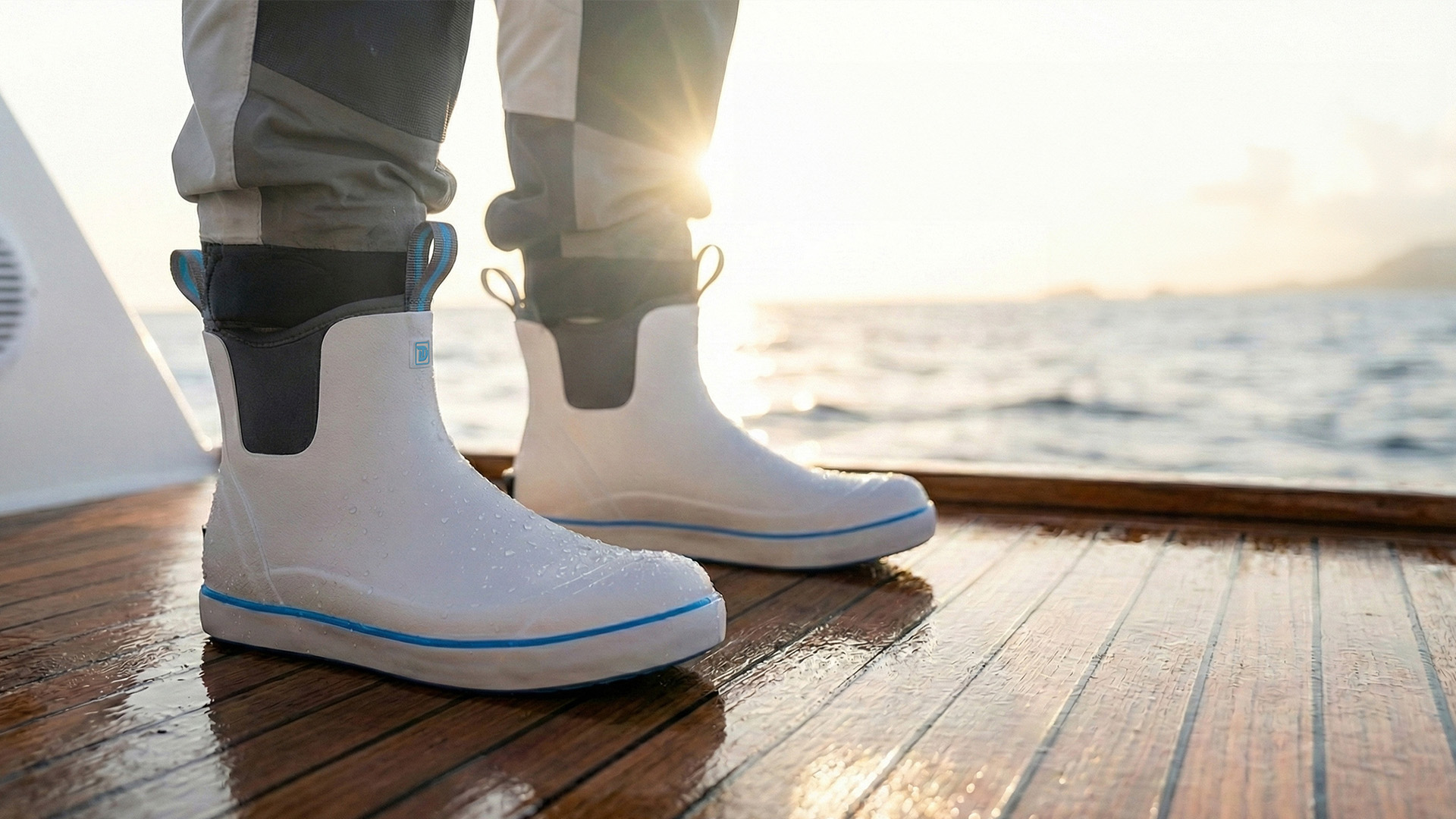
Invest in quality waterproof clothing — not just a poncho. Look for breathable rain jackets, insulated waterproof boots, and gloves that still give you casting control. Brands like Trudave and Hisea specialize in durable outdoor gear designed for anglers who refuse to quit when the clouds roll in.
The longer you stay dry and comfortable, the longer you’ll stay on the water — and the more likely you are to hook that trophy.
8. The Mindset: Embrace the Storm
There’s a mental toughness to fishing in the rain. You’ve got to embrace the discomfort and see it as an opportunity, not an obstacle. Rainy days thin the competition — both human and fish alike. While fair-weather anglers sit home, you’ll have the water to yourself.
That solitude, paired with nature’s quiet hum under the rain, is something every true angler comes to love. And when your line suddenly tightens under that cold gray sky, the satisfaction is unmatched.
9. Safety and Smart Fishing
Even as you chase big bites, never ignore safety.
- Watch for lightning. If you see it, get off the water immediately.
- Keep electronics covered. Rain and metal don’t mix well.
- Stay visible. Overcast conditions reduce visibility; wear reflective accents.
Fishing in the rain isn’t about recklessness — it’s about preparedness. The right setup makes you unstoppable.
10. Final Thoughts: The Beauty of Gray Days
A sunny day might make for pretty photos, but it’s the gray, moody ones that make for legendary catches. Cold rain and overcast skies create the perfect storm for big fish behavior — stealth, comfort, and aggression rolled into one.
So next time the clouds roll in and everyone else packs up, don’t head for the truck. Zip up your rain jacket, tie on that spinnerbait, and cast into the mist. Somewhere out there, under that gray curtain, a trophy fish is waiting — and the rain is your secret weapon.