For every angler who’s ever wondered why a perfect day on the water produces nothing but quiet bobbers and empty hooks, there’s one factor that consistently makes or breaks success: water temperature. More than moon phases, weather fronts, or lure color, temperature dictates fish behavior, metabolism, and location. It tells you not only where fish are but how they’ll bite — or if they’ll bite at all. Learning to “read the depths” isn’t just about sonar and structure; it’s about understanding the silent, invisible influence of temperature that governs life beneath the surface.
The Temperature Blueprint of Every Lake
Whether it’s a small pond or a deep reservoir, every body of water follows a seasonal rhythm shaped by temperature. In warm months, fish spread out, feeding heavily in shallows. As the year cools, the water column starts to layer — a process called thermal stratification.
- Epilimnion: The warm upper layer, rich in oxygen and light.
- Thermocline: The middle layer, where temperature drops rapidly with depth.
- Hypolimnion: The cold, dense lower layer with limited oxygen.
Fish adjust to these changes constantly. When the surface cools in fall, the layers mix again, oxygen levels stabilize, and fish begin moving freely through different depths — but their temperature preferences remain.
Knowing these zones helps you pinpoint active fish. Bass and crappie might suspend near the thermocline, while trout and walleye hug cooler, deeper layers.
Understanding Fish Metabolism and Feeding Response
Fish are cold-blooded, which means their body temperature and metabolism mirror the water around them. In warmer water, digestion and muscle function speed up, encouraging frequent feeding. In colder water, everything slows down — and so should your presentation.
Here’s a general guide to how temperature shapes the bite:
| Water Temperature (°F) | Fish Behavior | Recommended Strategy |
|---|---|---|
| 75–85°F | High metabolism, aggressive feeding | Fast retrieves, topwater, crankbaits |
| 65–75°F | Peak activity, balanced aggression | Variety of lures and speeds |
| 55–65°F | Transitional phase, following baitfish | Moderate retrieve, focus on structure |
| 45–55°F | Slower metabolism, selective feeding | Slow jigs, finesse plastics, live bait |
| Below 45°F | Dormant or deep-holding | Vertical jigging, minimal movement |
The rule: As water cools, patience pays. Fish still feed — but only when it’s easy.
Finding the Right Depth Zone
When fish become less active, temperature stability becomes more important than structure alone. Depths where the temperature holds steady for long periods become “comfort zones.”
For example:
- Bass and crappie move from shallow cover to deeper ledges and brush piles.
- Walleye concentrate along drop-offs or near bottom transitions.
- Trout often suspend just below the thermocline, where the temperature is ideal for oxygen and forage.
Use your fishfinder to locate these stable zones. The thermocline appears as a faint band on sonar — fish tend to hover just above it in cooler months.
Temperature Changes and Feeding Windows
Even a small temperature shift can ignite or kill the bite. Fish sense change faster than most anglers realize, and even a 2°F difference can signal a new feeding opportunity.
- Warm Front: A short warm-up in late fall or early spring can push fish shallow for brief feeding windows.
- Cold Front: Sudden temperature drops send fish deeper and make them sluggish; finesse presentations are key.
- Overnight Cooling: Fish often move to mid-depths at dawn as the surface warms slightly — prime time for an early bite.
Understanding these micro-patterns allows you to anticipate movement rather than react to it.
Matching Lure Presentation to Temperature
Once you know the temperature and depth, adjust your tactics accordingly:
- Cold Water (below 50°F):
- Use slow, deliberate motions.
- Try blade baits, hair jigs, or live minnows.
- Pause between movements — often the strike happens on the fall.
- Moderate Water (55–65°F):
- Mix slow and steady retrieves.
- Crankbaits, jerkbaits, and spinnerbaits mimic baitfish well during this range.
- Warm Water (above 70°F):
- Go fast and aggressive.
- Topwater lures, buzzbaits, and frogs trigger reaction strikes when fish metabolism peaks.
Every degree dictates a different rhythm — finding it is what separates guessing from mastery.
Reading Real-Time Clues
If you don’t have a fishfinder, nature still offers hints:
- Fog rising off the water often signals warmer water meeting cooler air — a good time to find fish shallow.
- Surface activity like baitfish dimples or insect hatches means the top layer is warm and oxygen-rich.
- Bird behavior can be a giveaway; diving gulls and herons often reveal where warm-water bait congregates.
Sometimes, watching the environment tells you more than any screen ever could.
Gear Considerations for Temperature Swings
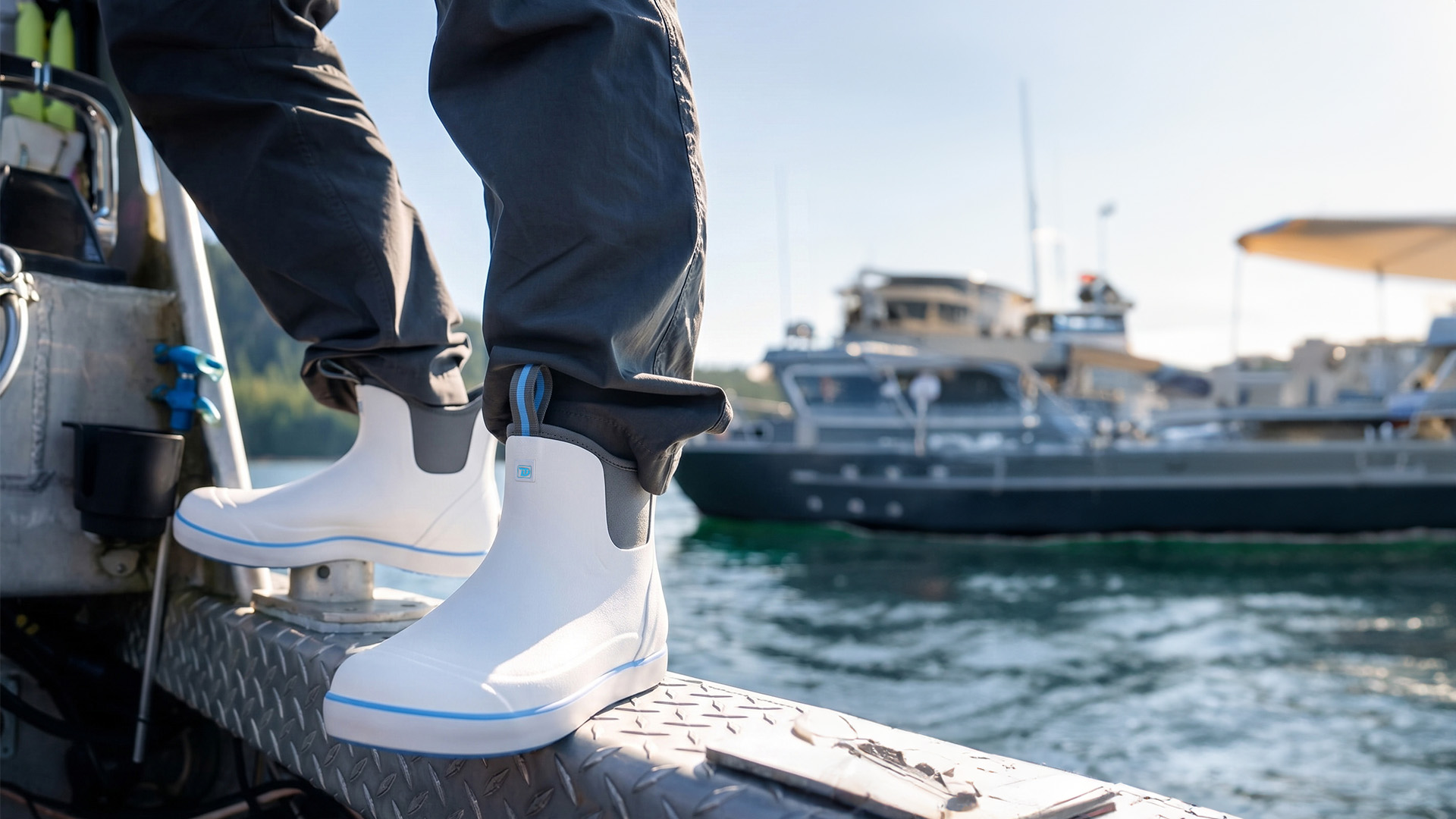
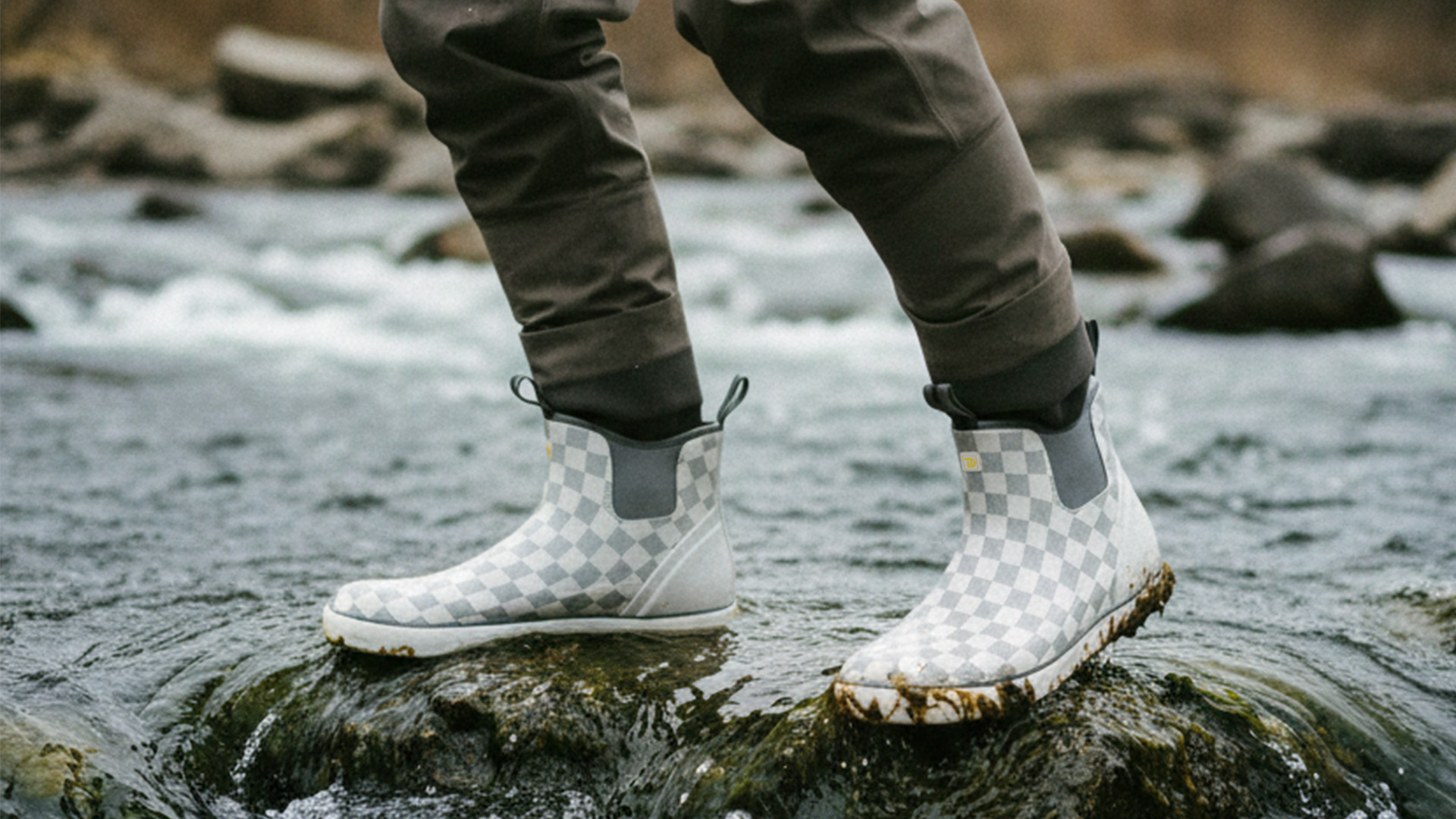
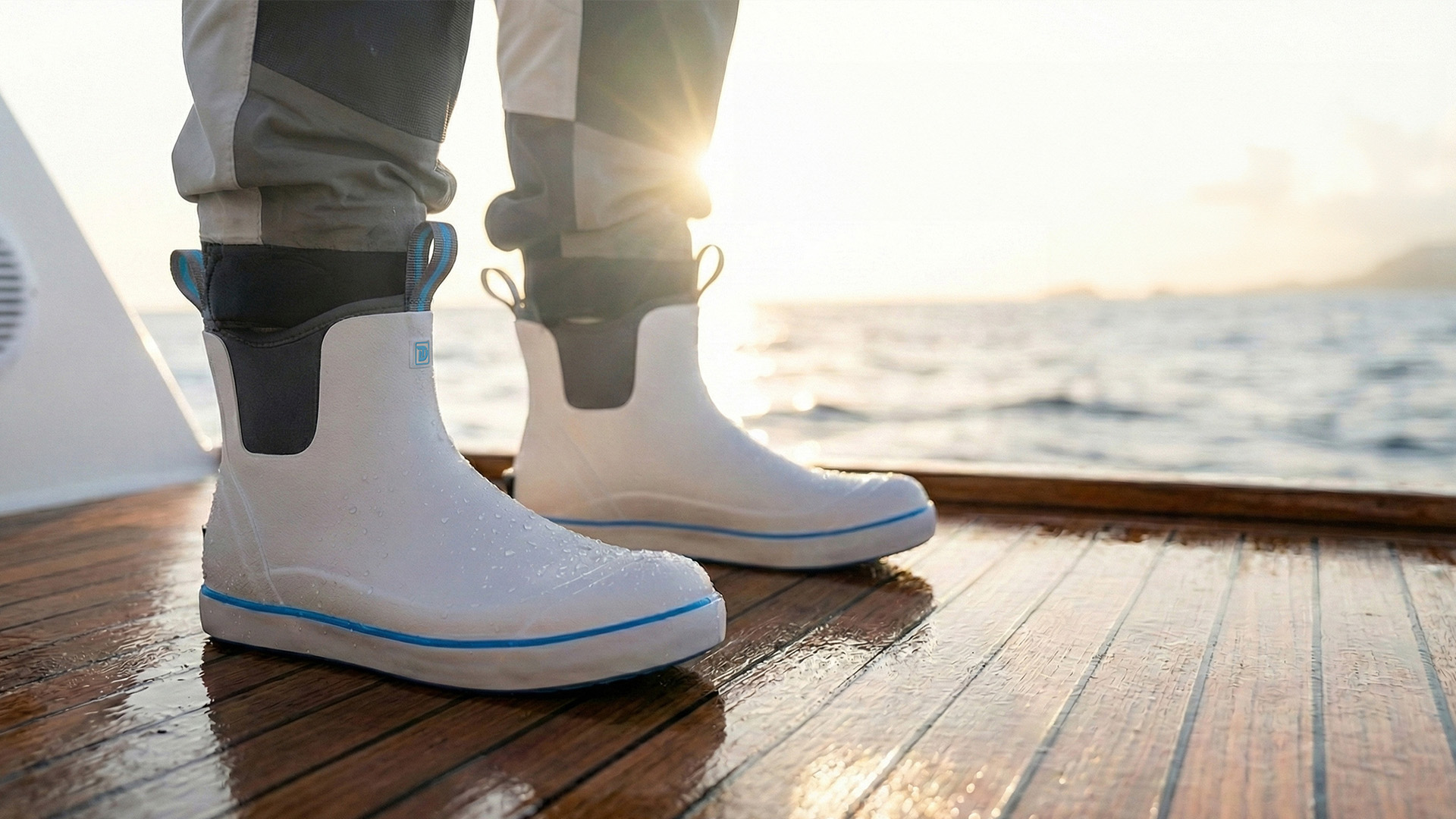
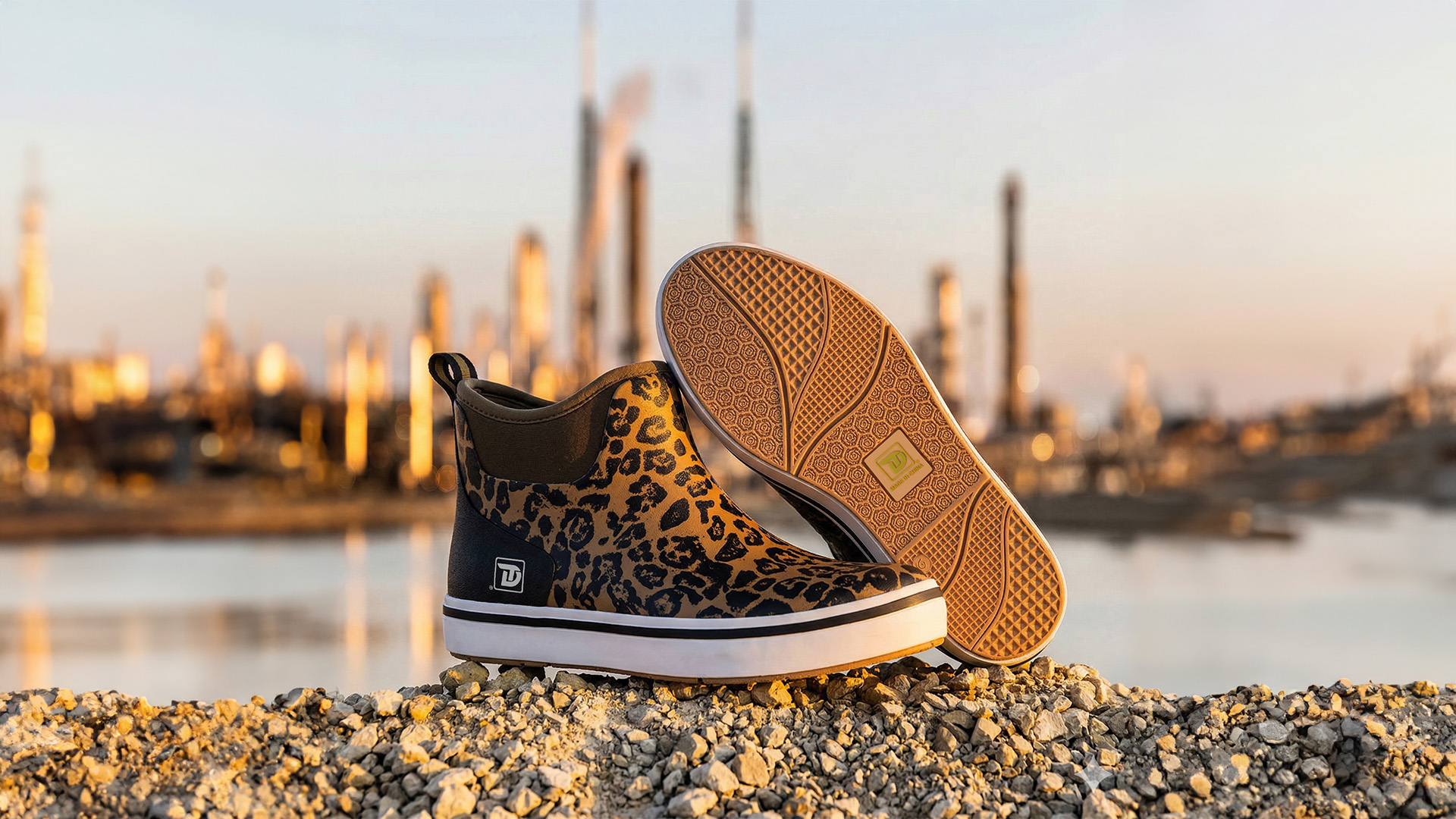
Cold or warm, your success depends on staying comfortable and efficient. Late-fall and early-spring anglers especially should dress for conditions: waterproof outerwear, insulated boots, and gloves that allow dexterity.
Brands like Trudave and Hisea specialize in performance gear designed for fluctuating temperatures, keeping anglers dry, warm, and steady when conditions shift fast.
For line and tackle:
- Fluorocarbon performs well in cold water — it sinks faster and remains sensitive.
- Braid with a fluoro leader gives strength and precision for deeper bites.
- Keep reel drag slightly looser; cold line can stiffen and snap easily under sudden pressure.
Final Thoughts: The Art of Reading the Depths
Every fish you catch — or miss — tells a story about temperature. It’s the silent script running beneath every cast. Learn to read it, and you’ll start seeing patterns where others see luck.
When you adjust to the water instead of fighting it, you stop fishing blindly and start fishing intelligently. The difference between a slow day and a full cooler often comes down to a few degrees — and the angler who knows what they mean.