


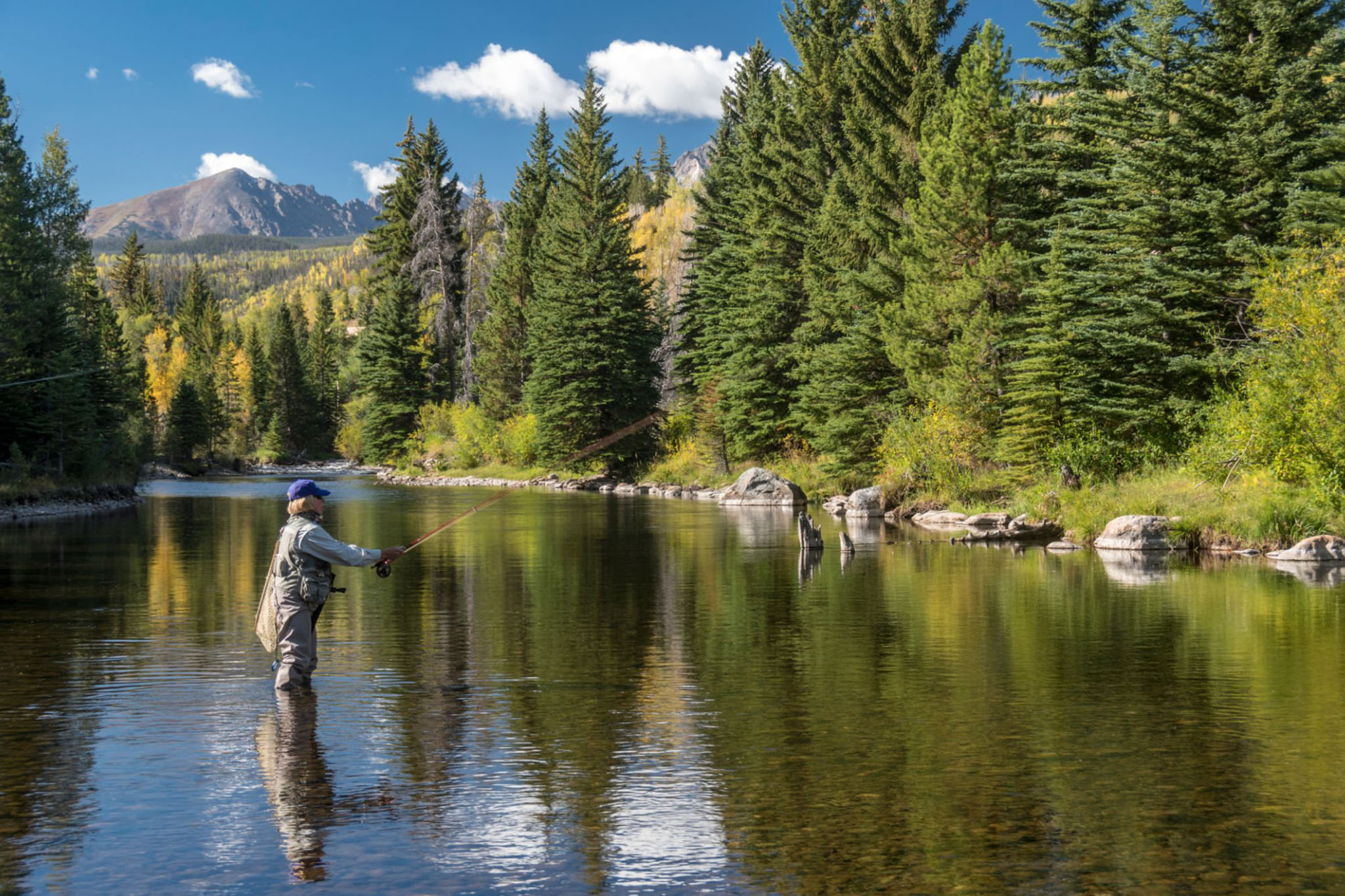
When the first frost spreads across the ground and the wind strips the last color from the trees, anglers know a big shift is coming—not just in the air, but beneath the surface. Lakes that once carried the green haze of summer bloom now run clear and glassy. The water turns colder, denser, and far more transparent. Fish that were once bold and active become cautious, calculated, and reserved.
Fishing clear, cold water requires a different kind of mindset—one built on patience, precision, and subtlety. In these late-season conditions, everything slows down, visibility increases, and every mistake becomes magnified. But for the angler who can read the water, control their presentation, and adapt to the new clarity, the rewards can be some of the year’s best.
The Shift from Stained to Clear
During summer and early fall, warm water promotes algae blooms and organic runoff that cloud the water. But as temperatures drop and vegetation dies off, the ecosystem stabilizes, and suspended particles settle to the bottom. The result: clearer water and increased visibility.
This clarity may look beautiful, but for anglers, it changes everything. Fish in clear water can see you, your line, and your lure from farther away. That means stealth, subtlety, and realism now matter more than power or speed.
At the same time, cold temperatures slow fish metabolism. They feed less frequently and prefer easier meals. The combination of visibility and lethargy means fish become selective—they don’t just take any bait. They study it.
Fish Behavior in Clear, Cold Conditions
When visibility increases, fish rely on sight more than vibration or scent. But cold water dulls their aggression, making them hesitant to chase. That’s why in late fall and early winter, the bite can feel “off.” Fish are still there—they’re just more deliberate.
Here’s what changes under the surface:
- Feeding windows shorten. Fish feed in short bursts when sunlight warms the upper layers or pressure shifts before a front.
- Depth preference increases. Most species move deeper for temperature stability and safety.
- Strike zones shrink. Instead of chasing five feet, a fish might only move one foot to grab a meal.
- Line visibility matters. In clear water, even a slight reflection or unnatural movement can spook them.
To succeed, you need to blend stealth, finesse, and realism like never before.
Lure Selection: Less Flash, More Precision
The same bold lures that crush fish in murky water often fail in clear, cold conditions. Bright colors and loud rattles can drive wary fish away. Late-season clarity demands subtle color palettes, natural shapes, and realistic movement.
Top Choices for Clear, Cold Water:
- Natural-Colored Jerkbaits – Think translucent or baitfish hues like ghost shad, silver, or perch. Suspend them near mid-depth and add long pauses between twitches. In clear water, the pause is what sells the illusion.
- Finesse Plastics – Drop-shot rigs, Ned rigs, and shaky heads shine in cold, clear lakes. Stick to natural greens, browns, and clear tones.
- Small Swimbaits – Slow-roll a soft swimbait along structure or rocky points. The subtle tail kick imitates a struggling baitfish perfectly.
- Hair Jigs – The thin, natural profile breathes even in still water. Fish them slow and low along the bottom.
- Flat-Sided Crankbaits – These give off tight, minimal vibration that matches the calmer underwater environment of cold water.
Avoid flashy colors and heavy movement. Think understated realism—something a lethargic fish can’t resist because it looks too natural to ignore.
Line and Leader Adjustments
In clear water, fish can see almost everything—including your line. Switching to fluorocarbon becomes essential because it’s nearly invisible underwater and sinks faster, keeping your presentation in the strike zone longer.
- Use 6–10 lb fluorocarbon for finesse setups.
- If using braid for sensitivity, add a 6–8 ft fluorocarbon leader.
- Keep your knots clean and trimmed; even tiny tag ends can reflect light.
In ultra-clear lakes, downsizing your line may make the difference between a limit and a skunked day.
Stealth and Presentation Matter More Than Ever
Clear, cold water fishing is not a power game—it’s about stealth, precision, and patience. The quieter and more controlled you are, the better your odds.
- Boat Positioning: Stay back from your target zone. Use longer casts and minimize trolling motor noise.
- Shadow Awareness: Sun angle matters. Fish spook from boat shadows or unnatural movement above the water.
- Retrieve Speed: Slow everything down. Give the lure time to sit, flutter, and tempt. In 40°F water, your best move might be to barely move at all.
Think of yourself as a sniper, not a sprinter. The fewer ripples you make, the more bites you’ll get.
Timing the Clear-Water Bite
When dealing with clear, cold water, your timing can make or break your success.
- Midday Warmth: As the sun heats shallow edges or rock faces, baitfish move slightly shallower, and predators follow.
- Pre-Front Activity: Fish feed more aggressively before a cold front hits. Watch barometric pressure—it’s your secret weapon.
- Calm, Sunny Days: In clear water, overcast can sometimes help hide your presence, but calm sunshine also warms the water slightly, opening short feeding windows.
The bite is rarely all-day. Learn to recognize these windows and capitalize on them when they come.
Target Areas for Clear, Cold Conditions
Late in the season, location becomes everything. While some fish move deep, others linger in mid-depth transition zones. The trick is finding structure that offers both cover and comfort.
- Deep Points and Bluff Walls – Fish stage here between feeding and wintering zones.
- Rocky Ledges and Riprap – Rocks retain heat, attracting baitfish and predators alike.
- Main-Lake Drop-Offs – Offer both temperature stability and quick escape routes.
- Submerged Timber – Provides shade and ambush cover in high-visibility conditions.
These spots give fish security in clear water while keeping them near natural forage.
Mindset: Precision Over Power
In stained or warm water, success often comes from reaction strikes—fast retrieves and flashy baits. But in clear, cold conditions, every detail counts. The way your lure falls, pauses, or turns can determine whether you fool a fish or spook it.
You have to fish intelligently, not aggressively. Observe. Adjust. Wait. It’s not about covering water—it’s about mastering the water you’re in.
This kind of fishing rewards patience. Every cast becomes a chess move. And when that slow, deliberate bite finally comes—a subtle “tick” or a soft weight on your line—it’s more satisfying than any summer feeding frenzy.
Final Thoughts: Embrace the Challenge
Clear, cold water fishing is humbling. It demands discipline, attention to detail, and trust in subtlety. But it also teaches you to become a more complete angler—one who reads the water, not just reacts to it.
When color fades and clarity takes over, don’t put your rods away. Adapt. Slow down. Learn to move with the water’s new rhythm. Because when you master clear, cold conditions, you unlock a level of connection and skill that few ever reach.
And when that fish finally bites—slow, deliberate, and hard-earned—it’s proof that patience, not power, wins in the cold.