
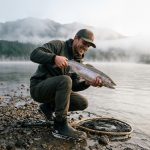
Spring doesn’t arrive all at once on the water. Some mornings still bite with frost while afternoons warm enough to make your jacket unnecessary. Lakes this time of year are in transition — half-chilled, half-awake, and often tricky to read.
But beneath that surface confusion lies opportunity. Fish don’t wait for perfect conditions; they adapt to the subtle changes in temperature, current, and sunlight that signal spring’s return. If you can learn to find the warm pockets — those small, inviting zones where fish gather early — you can unlock some of the most consistent bites of the season.
Understanding the Half-Chilled Lake
When winter breaks, lakes go through a period of thermal chaos. Not all parts of the lake warm evenly — the surface may feel mild in the sun while deeper water remains near freezing. This uneven warming creates micro-environments that influence where fish move, feed, and rest.
During this time:
- Shallow bays and north-facing coves warm faster thanks to longer sunlight exposure.
- Wind direction pushes warmer surface water into certain areas.
- Muddy bottoms absorb and retain more heat than rock or sand.
- Inflowing streams or creeks can introduce warmer or cooler water, depending on recent weather.
For the early-season angler, reading these differences is the key to locating fish when the rest of the lake still feels lifeless.
The Science of Warm Pockets
Warm pockets often form where solar energy, water flow, and wind interact. These small variations — sometimes as little as 2–4°F — can mean the difference between an empty cast and a loaded livewell.
Here’s why they matter:
- Fish metabolism increases with temperature. A few degrees of warmth can push fish from sluggish to actively feeding.
- Baitfish seek warmth first. Where smaller fish go, predators follow.
- Warmer zones improve oxygen levels. This creates more comfortable, active fish behavior.
In short, warm pockets act like mini-oases — limited zones of comfort that draw life into concentrated areas.
Where to Look for Warm Water Zones
To find these thermal sweet spots, focus on sun, structure, and subtle current. Each type of lake structure responds differently to seasonal warmth.
- North-Facing Shores and Shallow Bays
These spots soak up direct sunlight throughout the day and tend to be 2–6°F warmer than the main lake. Perfect for early bass, bluegill, and crappie activity. - Protected Coves and Backwater Cuts
Sheltered areas warm faster because they’re shielded from cold winds and main-lake currents. Ideal places for baitfish and early spawning movement. - Rocky Banks and Riprap
Rock retains heat even after sunset, creating localized warmth. Cast parallel to shorelines where rocks meet deeper water. - Creek Mouths and Inflows
Incoming streams can either warm or cool a lake depending on their source. Monitor after sunny days — snowmelt can chill, while rain runoff often brings slightly warmer water. - Windblown Corners
Warm surface water gets pushed by wind and accumulates along downwind banks. If you see floating debris, foam lines, or pollen accumulation — that’s a visual clue of surface movement and potential warmth.
Reading the Surface and Sensing the Subtle Signs
Sometimes, warm water reveals itself through visual or behavioral clues rather than temperature readings.
- Look for bird activity — diving gulls or herons often indicate bait concentrations.
- Watch for insect hatches — warming shallows awaken aquatic life.
- Feel for soft mud underfoot — darker substrate means more heat absorption.
- Note water color — slightly stained water warms faster than crystal-clear zones.
If you own a fish finder or temperature gauge, use it to scan along shorelines and transitions. Even a small spike in warmth can point to a prime fishing zone.
Fish Behavior in a Half-Chilled Lake
Every species reacts differently to the early thaw, but they all share a common instinct: find comfort.
- Largemouth Bass: Often stage along the first drop-off near shallow flats. Look for them in protected coves during sunny afternoons.
- Crappie: Move toward brush and submerged timber near warm shallows but retreat quickly if a cold front rolls through.
- Walleye: Hold near current breaks or points with warmer flow; dawn and dusk remain their prime feeding times.
- Trout: Prefer consistent temps; they’ll move to transition zones between cool depths and warming shallows.
As conditions stabilize, these fish expand outward, but in early spring, their world is small — and precise location matters more than ever.
Adapting Your Techniques
Fishing transitional water demands flexibility. Slow presentations, natural colors, and depth control are crucial when fish are still waking up.
- Go slow and subtle. Cold fish won’t chase fast-moving lures. Use jigs, suspending jerkbaits, or soft plastics worked gently along the bottom.
- Match lure color to water clarity. In stained water, try chartreuse or orange; in clearer water, use natural tones like green pumpkin or silver.
- Fish during peak sun hours. Late morning to early afternoon often brings the most stable bites.
- Cover ground smartly. Focus on a few promising zones rather than the entire lake. Warm pockets are limited — precision beats exploration.
Gear That Handles the Half-Chilled Season
Early spring fishing means cold mornings, wet banks, and unpredictable weather — which makes the right gear essential.
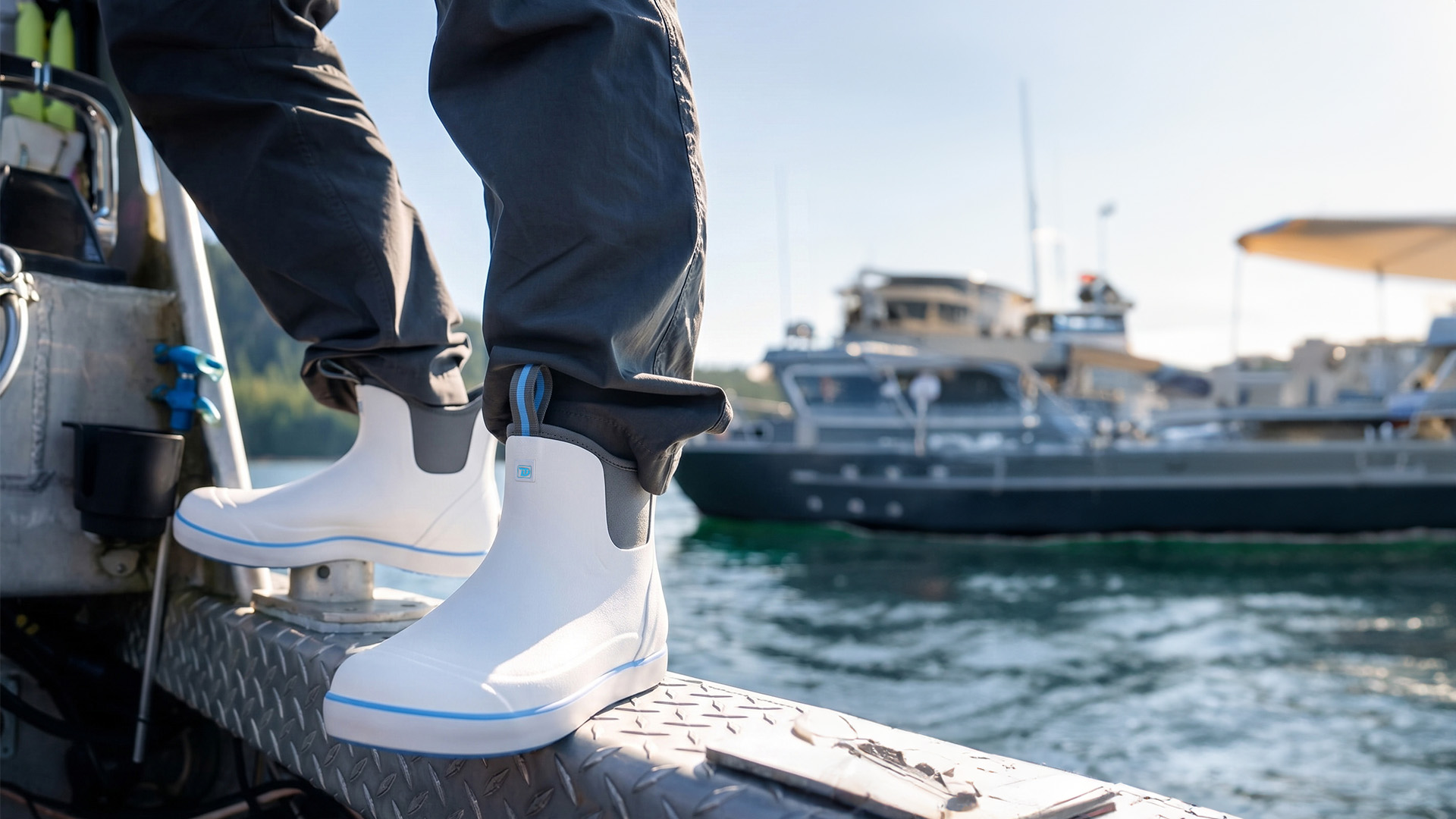
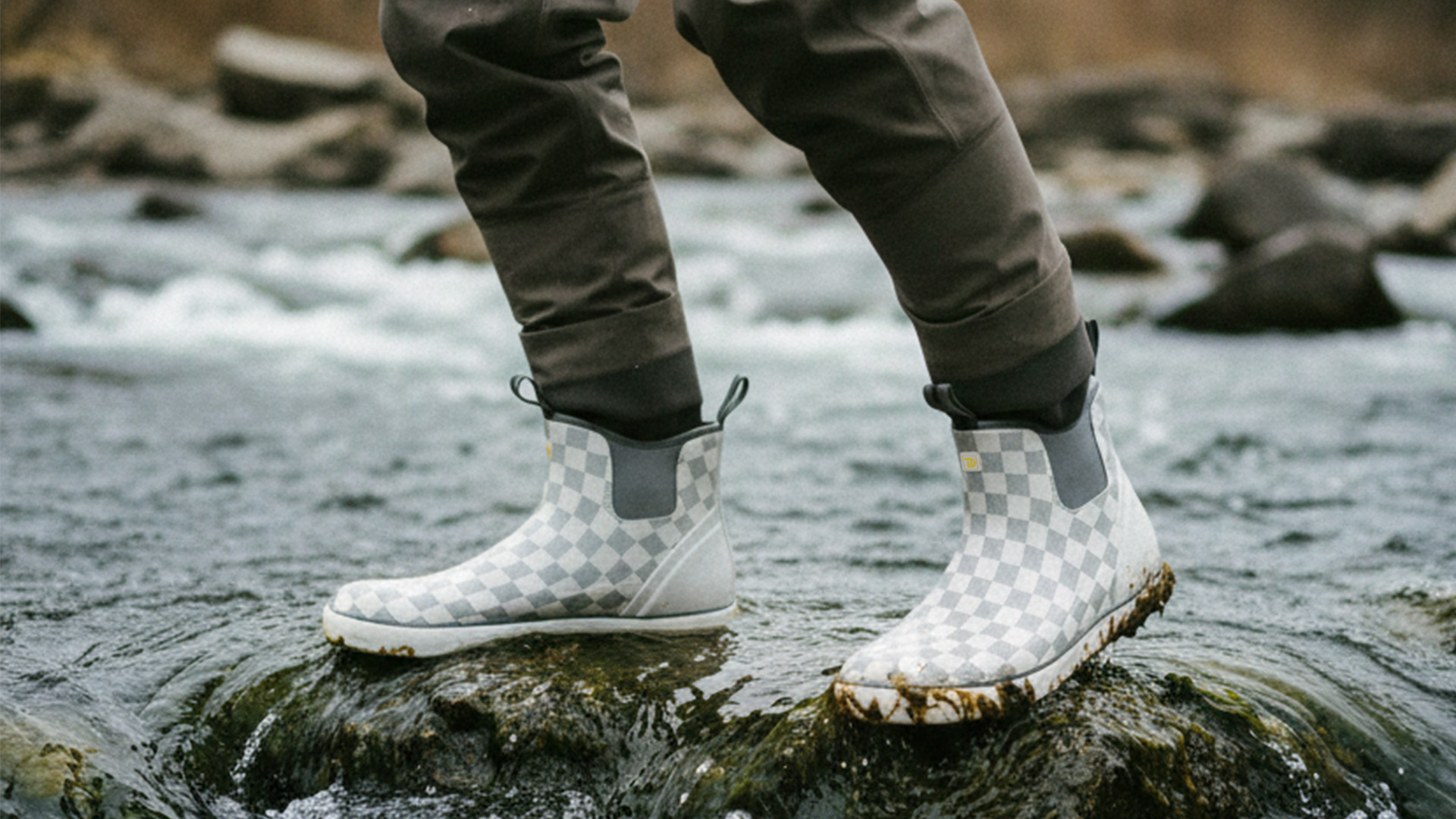
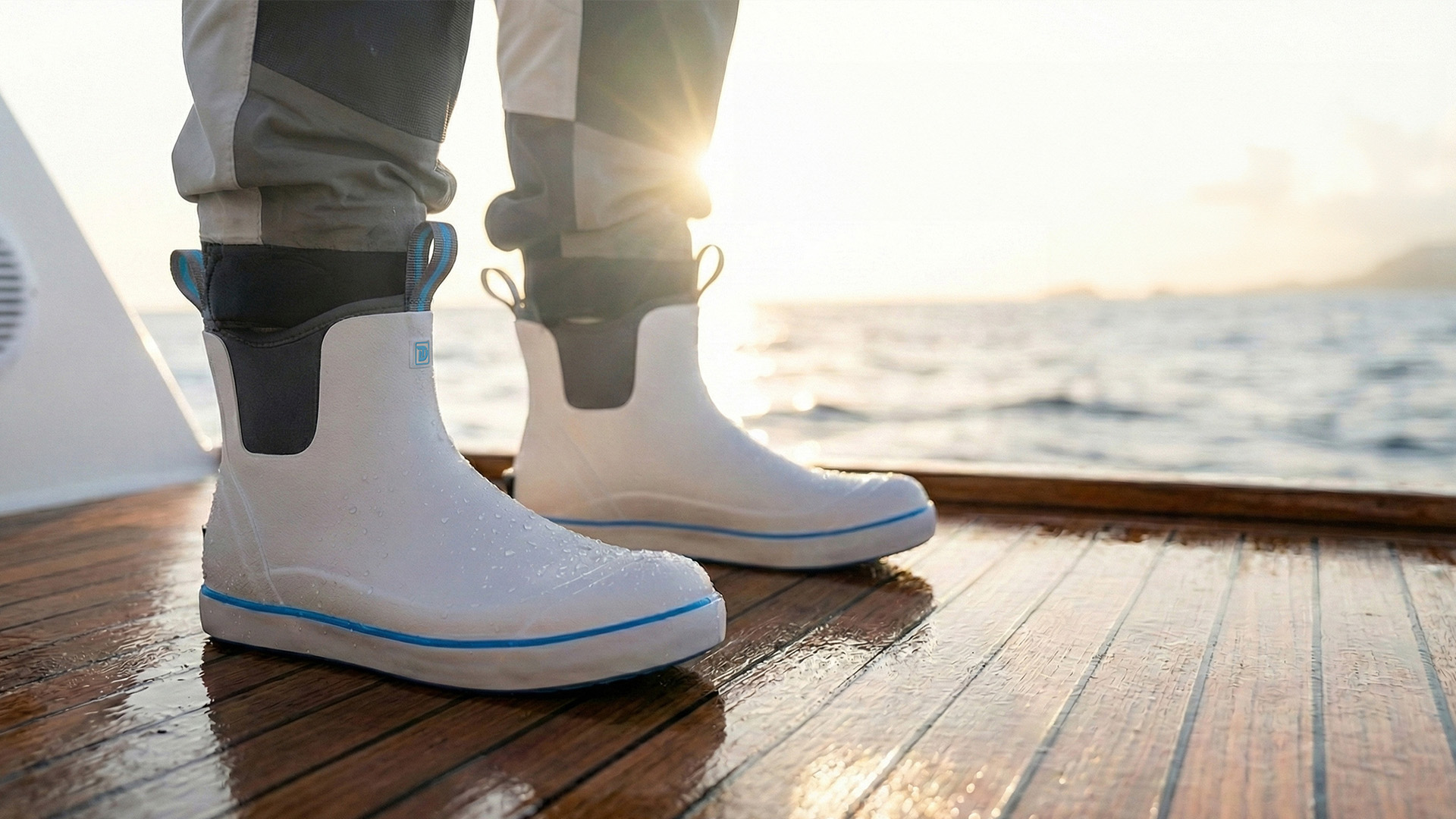
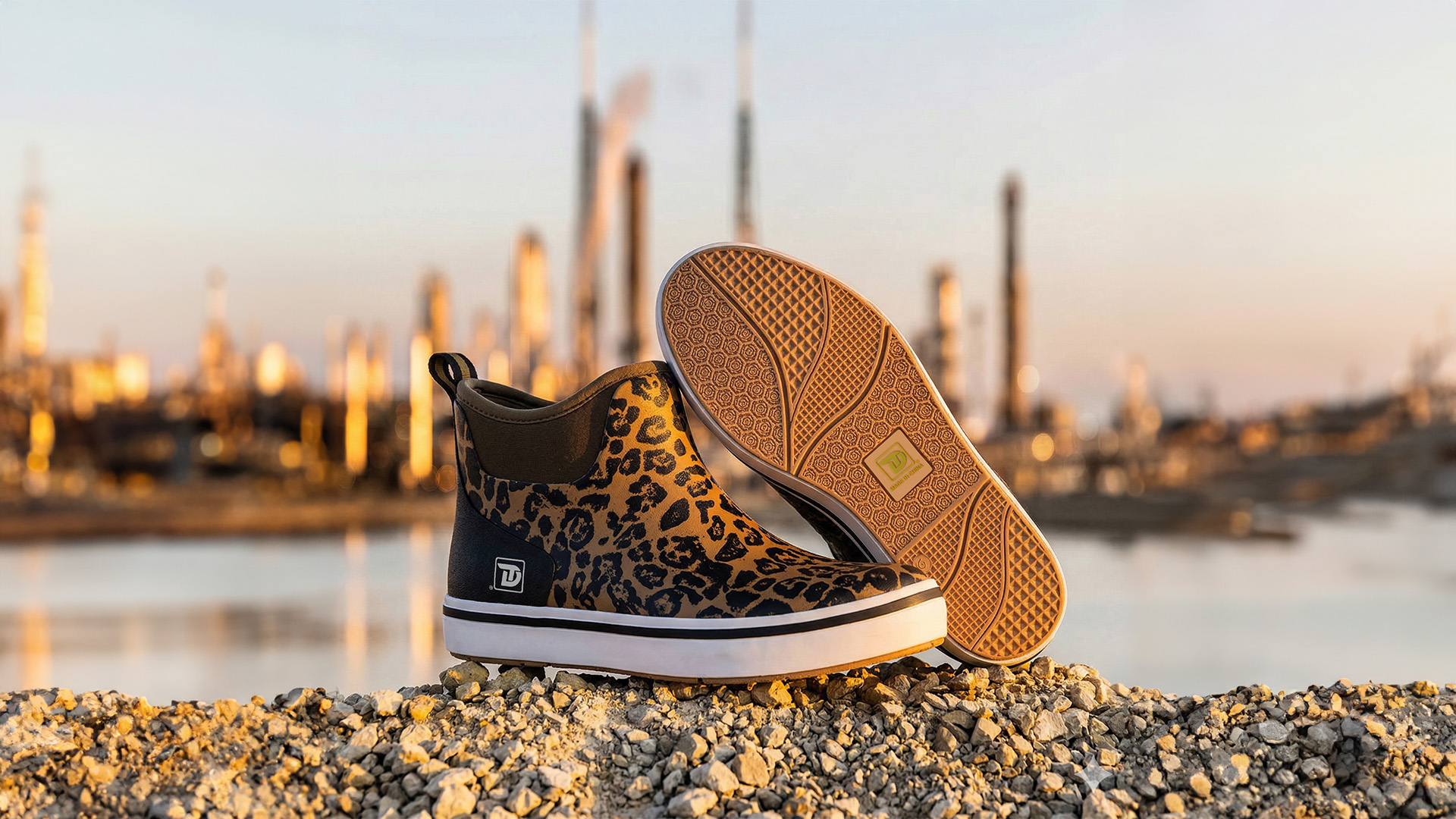
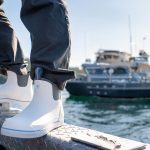
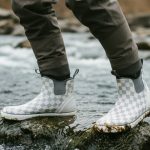
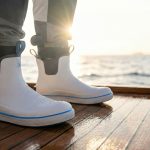
- Footwear: Waterproof boots or waders like Hisea or Trudave keep you warm and dry when you’re testing shallow coves or standing on muddy banks.
- Clothing Layers: Start with thermal base layers, then shed outer gear as the day warms.
- Polarized Glasses: Help you read surface color changes and detect subtle transitions.
- Electronics: A quality fish finder with temperature sensitivity helps track micro-warm zones.
When comfort meets preparation, you’ll stay focused longer — and fish better.
Weather, Timing, and Patience
The perfect day for locating warm pockets often comes after three to five calm, sunny days in a row. Consistency allows surface warmth to build and stabilize.
Cloudy, windy, or rainy days can disperse those warm zones temporarily — but they’ll return quickly when the sun reappears.
Patience is key. The lake is changing daily, and so are the fish. Being out there often, taking notes, and trusting your instincts will always beat waiting for someone else’s report.
Final Thoughts
Fishing a half-chilled lake is a test of observation and intuition. The best anglers this time of year aren’t chasing fish — they’re reading the water, finding comfort where most see chaos.
Warm pockets may seem small and fleeting, but they hold the season’s first real signs of life. Learn to track them, and you’ll stay ahead of the bite long before most anglers even launch their boats.
So pack your gear, pull on your waterproof boots, and step into the shallows. Somewhere between frost and sunshine, the lake is waking up — and if you listen closely, you can feel it breathing again.