


There’s a magic moment every angler waits for — when winter finally loosens its grip and the water begins to breathe again. The ice thins, the air warms, and the first ripples of life appear across the lake. But while the world around you changes, so should your approach.
Fishing the transition between winter and spring isn’t just about luck. It’s about understanding how temperature shifts, oxygen levels, and feeding behavior come together to transform cold, lifeless waters into vibrant feeding grounds. The difference between an empty livewell and a day full of strikes often comes down to one thing — how well you adapt.
The Seasonal Shift: When Fish Wake Up
As the water warms, fish behavior doesn’t flip like a switch — it evolves. During late winter, metabolism is slow, movement is minimal, and strikes are rare. But as temperatures creep into the mid-40s to low 50s, everything starts to change.
- Metabolism increases. Fish begin to feed more frequently to replenish energy spent during the cold months.
- Oxygen levels stabilize. Melting snow and runoff re-oxygenate shallow zones, drawing baitfish — and predators — back to life.
- Migration begins. Species like bass, crappie, and walleye move from deep winter holes toward warmer shallows and pre-spawn staging areas.
Understanding this gradual awakening is key. You’re not chasing the same fish you were in January — you’re targeting fish that are actively shifting gears.
Reading the Water: Where to Look as Conditions Change
When weather turns, location matters more than lure color or line weight. Fish follow comfort zones — not just temperature, but also food availability and current flow.
Here’s where to focus your efforts as conditions warm:
- North-Facing Banks:
These spots receive more sunlight during the day, making them a few degrees warmer — often enough to trigger feeding activity. - Muddy or Dark Bottoms:
Darker substrates absorb heat faster, creating small “thermal pockets” that attract baitfish and crawfish. - Inflow Areas:
Creek mouths and runoffs bring in oxygen and nutrients. Fish stack here when snowmelt starts to flow. - Transition Zones:
Where deep water meets shallow flats — the ideal staging area for bass and walleye moving toward spawning grounds.
Mapping these spots and rotating between them as weather changes can dramatically improve your success rate.
Lure Adjustments: Matching Mood and Movement
As the water warms, fish go from sluggish to aggressive — but not instantly. Your presentation should evolve alongside them.
1. Start Subtle (40–45°F):
Cold-water fish prefer slow, deliberate action. Use small-profile baits like hair jigs, blade baits, or suspending jerkbaits. The key is patience — long pauses and light twitches often outperform fast retrieves.
2. Moderate Action (45–55°F):
When the bite starts picking up, switch to soft plastics, slow-rolled spinnerbaits, and swim jigs. Fish are exploring shallows but still conserving energy.
3. Active Mode (55°F+):
Now it’s time to go bold — crankbaits, chatterbaits, and topwater lures all come into play. The pre-spawn feeding frenzy begins, and speed becomes your ally.
Remember: the water tells you when to shift gears. If strikes slow down, don’t force aggression — drop back to finesse tactics until the next warm front hits.
Gear Check: Be Ready for Mud, Wind, and Change
Spring weather is unpredictable — calm one day, windy and wet the next. The right gear keeps you fishing comfortably through it all.
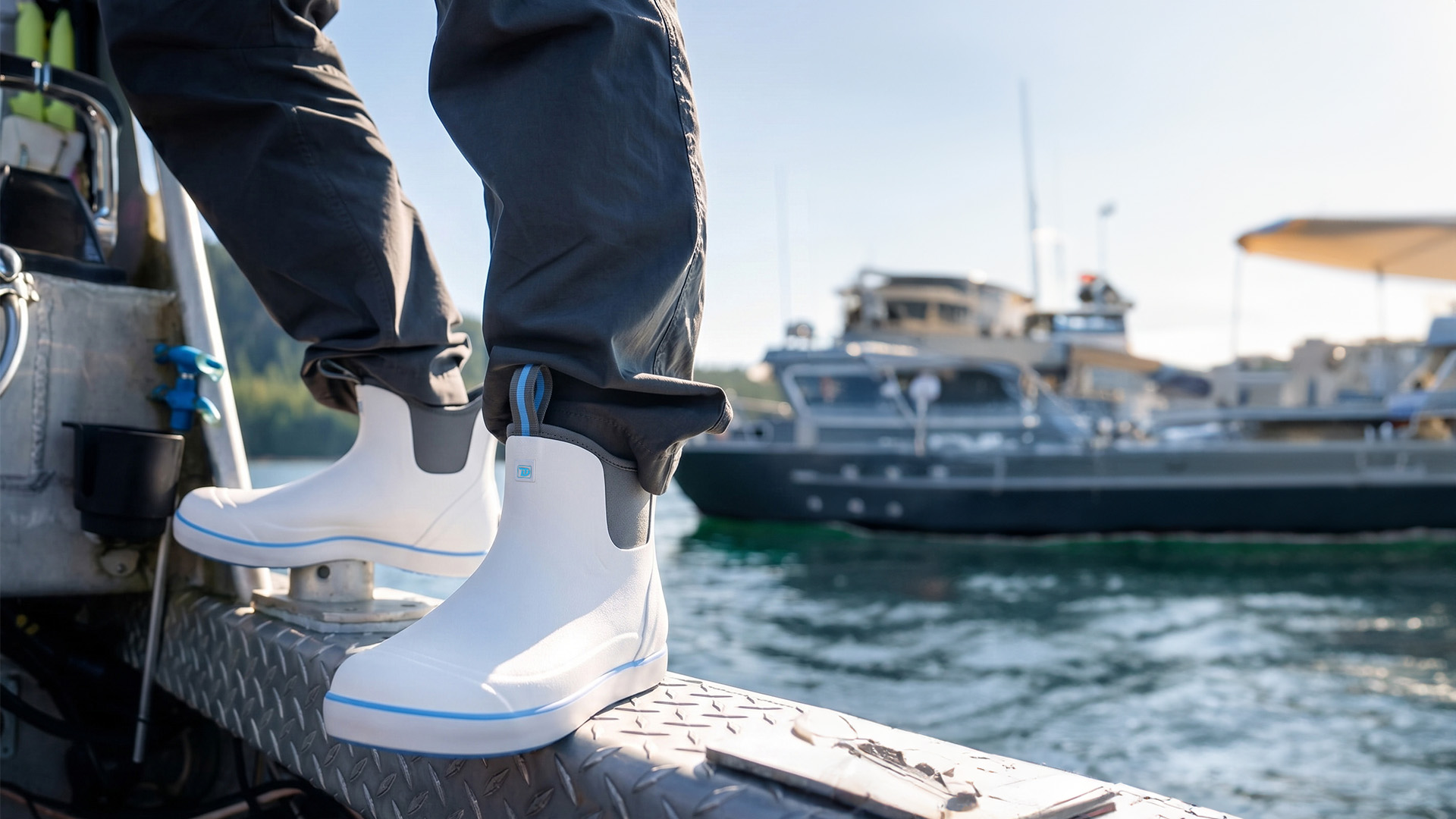
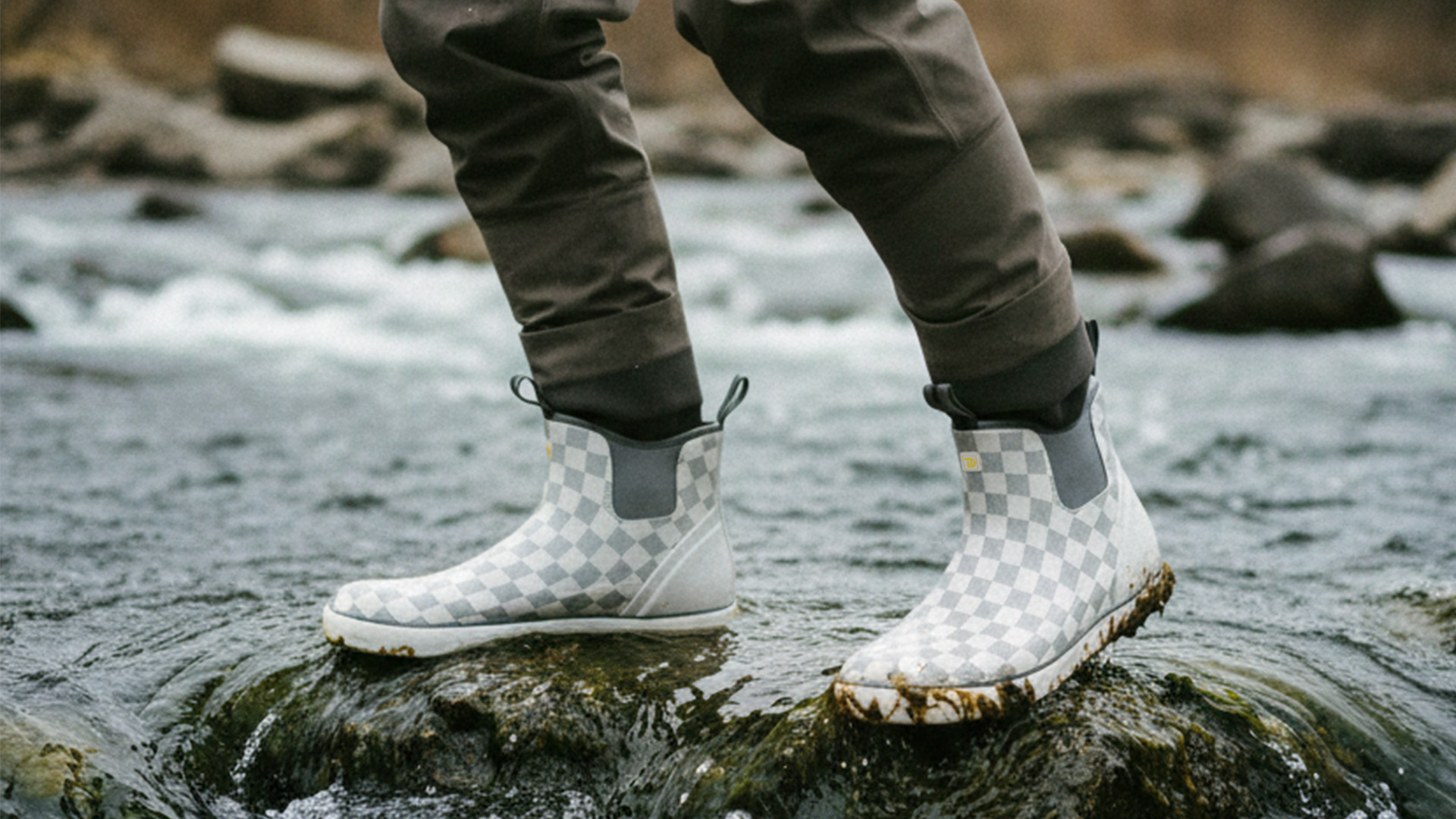
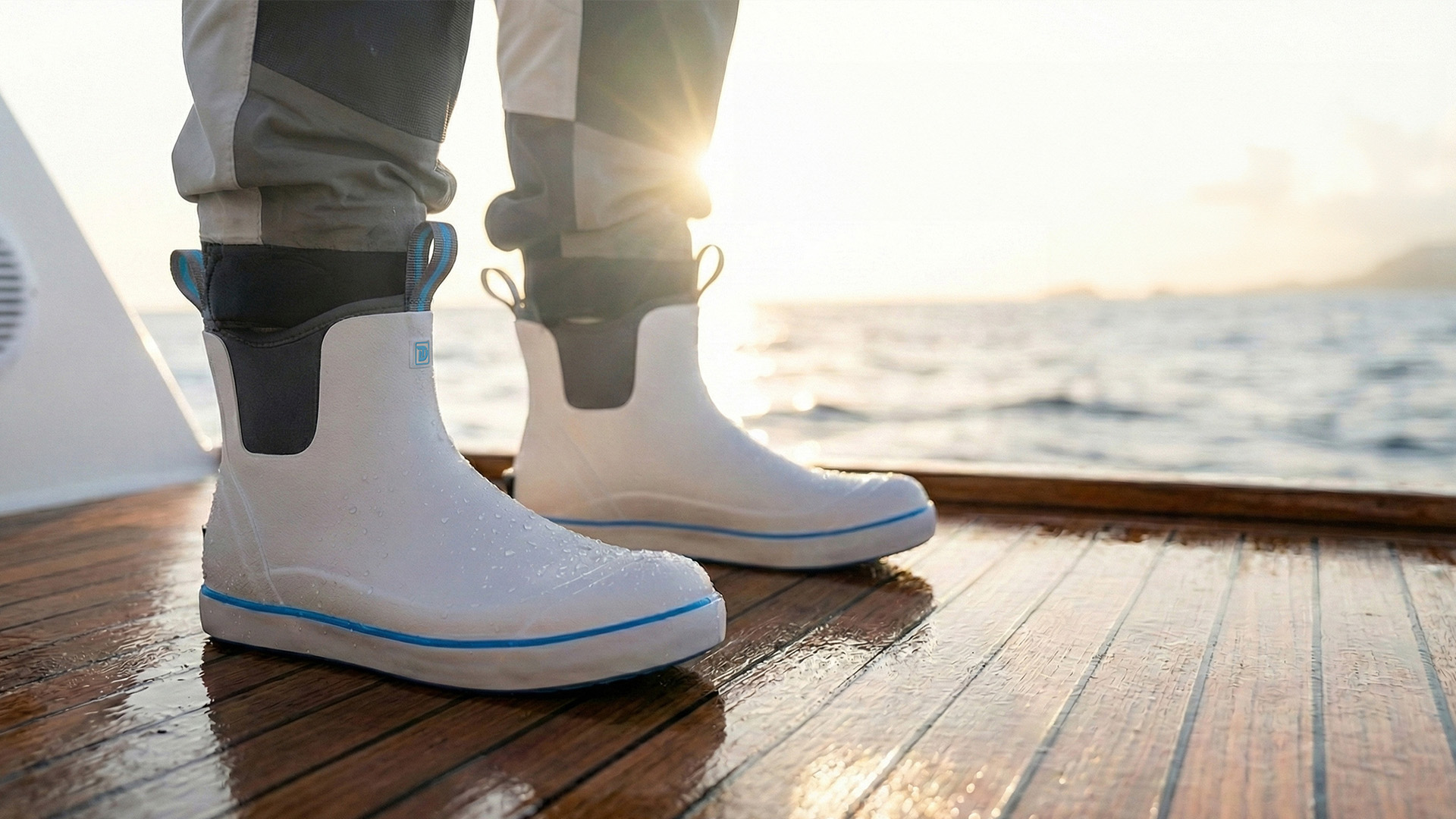
- Waterproof boots or deck boots: Stay grounded when mud and rain take over. Trusted brands like Trudave or Hisea offer durable, slip-resistant designs perfect for both boat decks and bank fishing.
- Layered clothing: Cold mornings and warm afternoons require flexibility. Start with moisture-wicking base layers and add insulation or windproof shells as needed.
- Polarized sunglasses: The changing light and glare can make spotting structure or bedding fish difficult without them.
- Rods & Reels: Opt for medium-action rods that handle a variety of presentations — from light jigs to mid-weight cranks. Spring is about versatility.
Don’t underestimate your boots. Early-season fishing means mud, wet grass, and slippery boat ramps — good traction can be the difference between a great trip and an early slip.
Understanding Fish Behavior: Weather’s Subtle Hand
Temperature isn’t the only factor affecting spring fishing — barometric pressure, wind, and light all play major roles.
- Cold Fronts: Drop the bite instantly. Slow your presentation and fish deeper.
- Warm Fronts: Turn on feeding activity, especially in shallow zones.
- Wind: Pushes plankton and baitfish into specific banks — fish the wind-blown side for better action.
- Cloud Cover: Encourages fish to roam and feed longer during daylight hours.
Learning how to predict these effects makes you adaptable — not reactive — on the water.
Targeting the Right Time of Day
The old saying “early bird gets the worm” doesn’t always apply during transitional seasons.
- Late Morning (9 AM – 12 PM): The sun has warmed surface water just enough to activate feeding.
- Afternoon (2 PM – 5 PM): Consistent warmth drives baitfish into shallows and triggers predator strikes.
- Evening (Before Sunset): Ideal for shallow crankbait or topwater action once temps hold steady above 55°F.
During early spring, prioritize warmth over tradition — fish the warmest part of the day, not necessarily the earliest.
Mindset of the Transitional Angler
Every angler dreams of that perfect spring bite, but the best know that success lies in adaptability.
The “from chill to thrill” moment doesn’t come from a single trick — it’s built from patience, observation, and small adjustments that match nature’s rhythm.
When the wind shifts, when the clouds move in, when that first frog croaks from the reeds — that’s your cue. Fishing during seasonal change is about tuning into the water’s language and responding to it in real time.
Final Thoughts
Spring fishing is a test of patience and instinct. The fish are waking up, but so must you — adjusting to every new gust, ripple, and degree of warmth.
The next time you step to the bank or launch the boat, remember: this season is alive with opportunity. From chilly mornings to thrilling afternoons, the reward comes to those who adapt, stay curious, and never stop adjusting.
Because in fishing — just like in nature — change isn’t a challenge. It’s the signal that everything’s about to get good.