


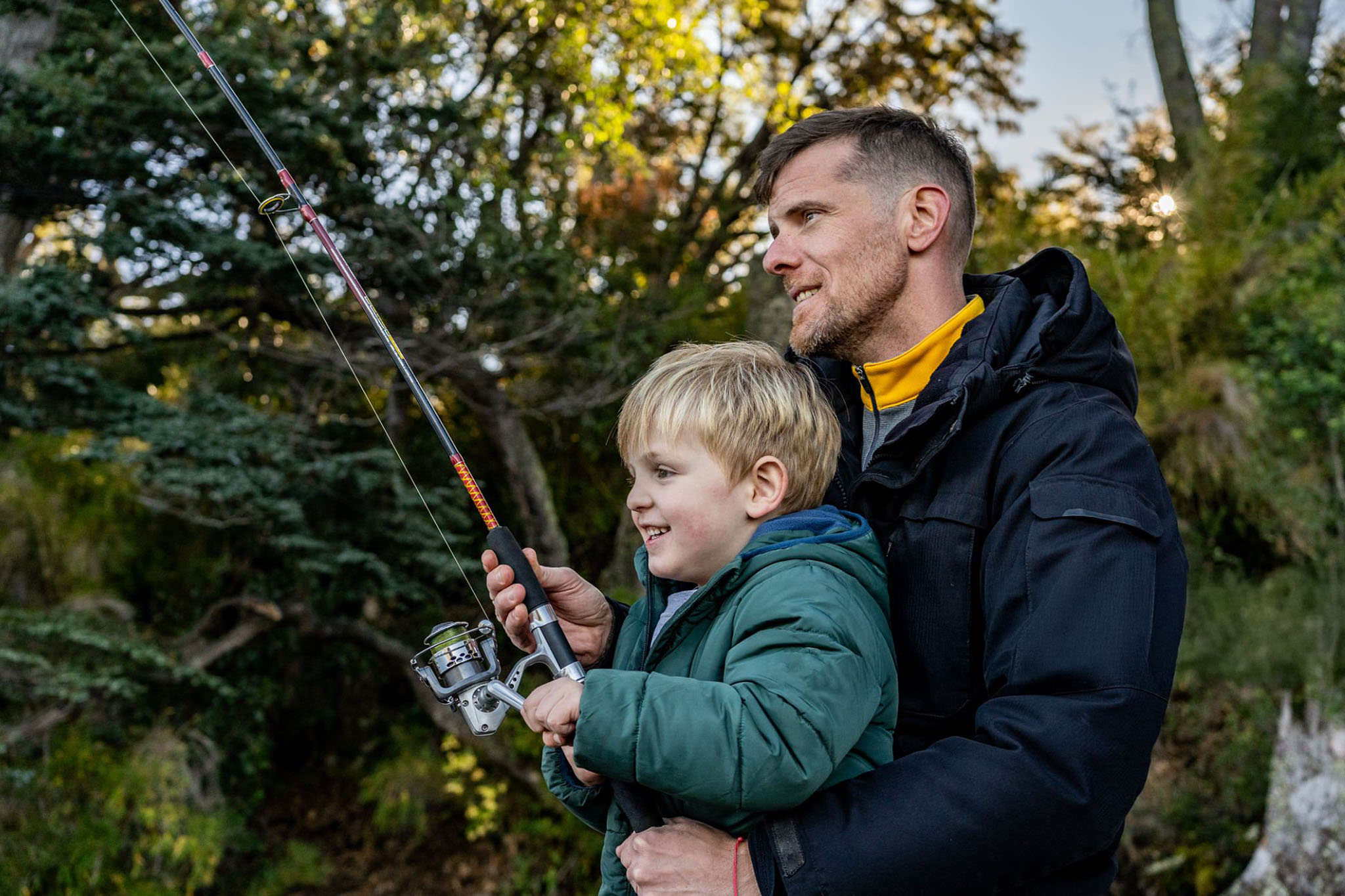
After months of frozen mornings, numb fingers, and silent water, there comes a moment every angler waits for — that subtle shift when the air feels softer, the sunlight lingers, and the lake’s surface finally stirs again. Spring is waking up, and so are the fish.
When water temperatures start to climb, so does feeding activity. Understanding when and how fish transition from winter sluggishness to spring aggression is the difference between slow days and unforgettable bites. The first feeding frenzy of spring isn’t random — it’s a pattern written in the rhythm of rising temperatures, water movement, and light.
Let’s break down how to time it right.
The Science of the Spring Shift
Water temperature is the single biggest trigger in fish behavior. Through winter, fish conserve energy, slowing metabolism and minimizing movement. But once temperatures begin to rise — even slightly — their biology changes fast.
- 40°F – 45°F: Fish start stirring. They move toward shallower, warmer water but feed lightly.
- 46°F – 52°F: The metabolism ramps up. Forage fish and insects become active, and predators start feeding consistently.
- 53°F – 60°F: The bite peaks. Pre-spawn aggression drives fish to chase bait, defend territory, and bulk up before reproduction.
Each degree of warmth brings more life. The trick is identifying where and when those first warm pockets form.
Follow the Warm Water
Not all parts of a lake or river warm at the same pace. The earliest feeding activity usually happens in small, protected areas that heat up faster. Look for:
- North-Facing Coves and Bays
These areas get the most direct sunlight during early spring. Even a two-degree temperature difference can attract baitfish — and the predators that follow. - Muddy or Dark Bottoms
Dark sediment absorbs sunlight and radiates heat, creating micro-climates where fish congregate. - Creek Mouths and Inflows
Meltwater inflows deliver oxygen and food, jumpstarting activity. Bass, walleye, and trout will hold just downstream of these areas. - Shallow Flats Near Deep Water
Fish can move quickly between temperature zones, feeding in the shallows during the warmest part of the day and retreating deep when the sun fades.
If you’re fishing early in the season, bring a thermometer. A one-degree advantage can mean the difference between a dead stretch and a full-on feeding window.
Timing Is Everything: Daily Feeding Patterns
In spring, fish behavior follows the sun.
- Morning (Cold Start): Fish stay deep or sluggish. Focus on slow presentations near the bottom.
- Late Morning to Afternoon: As the sun warms shallow water, feeding windows open. This is when you’ll see baitfish flickering and predators moving in.
- Evening: Water retains its warmth, keeping fish active until sunset.
Midday — the “dead zone” of summer — often becomes prime time in early spring. Don’t pack up too early; the best bite might come after noon.
The First Forage Boom
When temperatures climb, nature’s food chain comes alive:
- Insects hatch: Midges, mayflies, and stoneflies emerge, triggering surface feeding in trout and panfish.
- Baitfish school up: Shiners, minnows, and young bluegill move shallow to feed, drawing in bass and pike.
- Crayfish crawl out: Bottom-dwelling predators like smallmouth and catfish start hunting again.
Matching your bait to the seasonal forage makes a huge difference.
For example:
- Use small jerkbaits or hair jigs in the 40s°F range.
- Switch to crankbaits and spinnerbaits as the water warms into the 50s°F range.
- When fish become aggressive before the spawn, topwaters or soft swimbaits can trigger explosive strikes.
Weather and Water Clarity: The Subtle Cues
Spring weather is unpredictable — and that volatility directly affects the bite.
- Sunny Days: Heat the shallows quickly. Fish move shallow and feed confidently.
- Cloudy Days: Slower warm-up, but fish stay active longer without bright light spooking them.
- Cold Fronts: Sudden drops in temperature can shut down feeding for 24–48 hours. Slow down your presentation until the rebound.
Water clarity also plays a key role:
- Clear Water: Use natural colors and lighter line. Fish can see everything.
- Stained Water: Brighter lures and vibration-based baits (like chatterbaits) help fish locate your offering.
The more you adapt to conditions, the earlier you’ll find yourself in the middle of that first big spring bite.
Gear Up for Transition Season
Spring may feel warm above the surface, but the water is still dangerously cold. Safety and comfort should be top priorities.
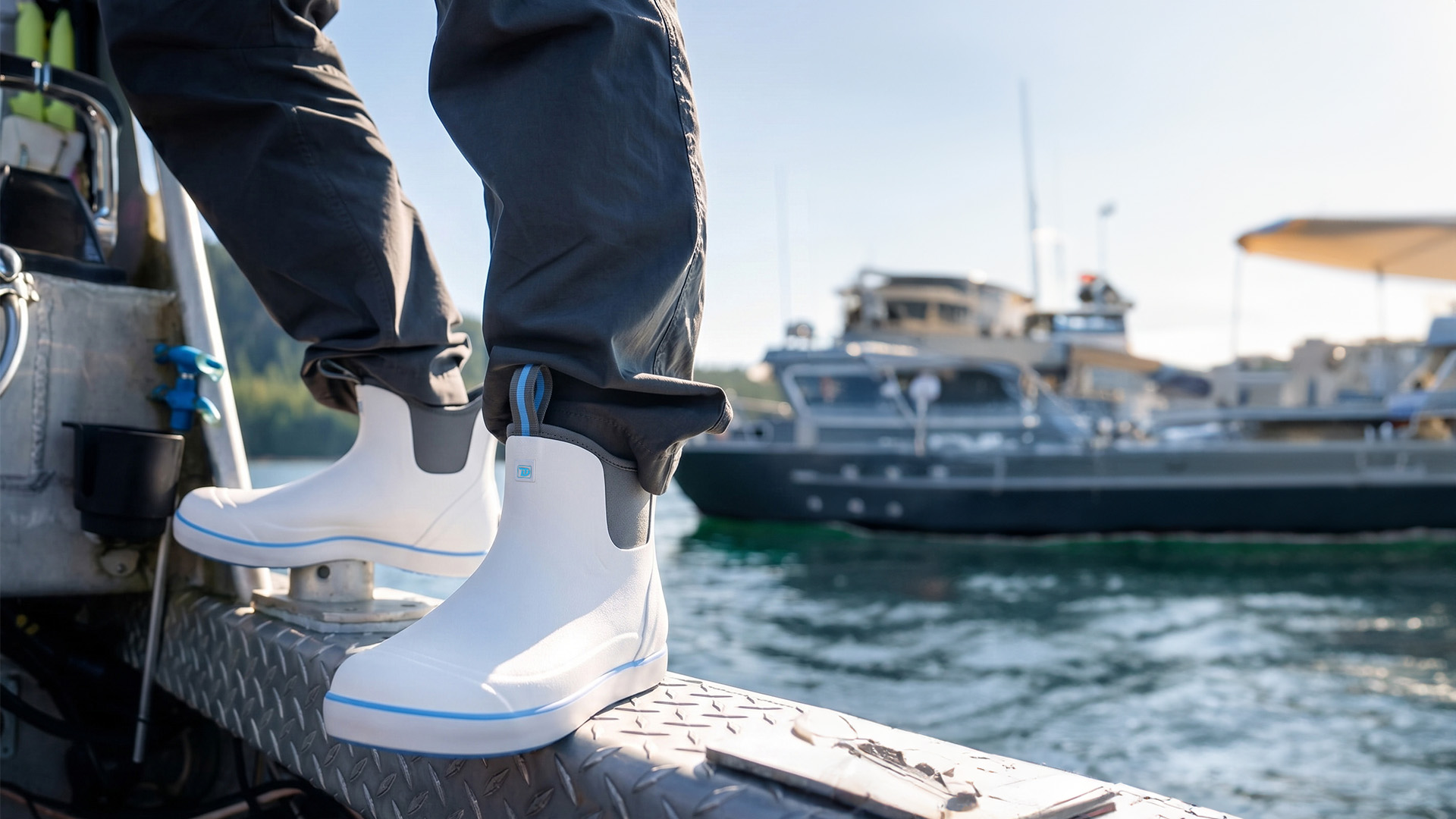
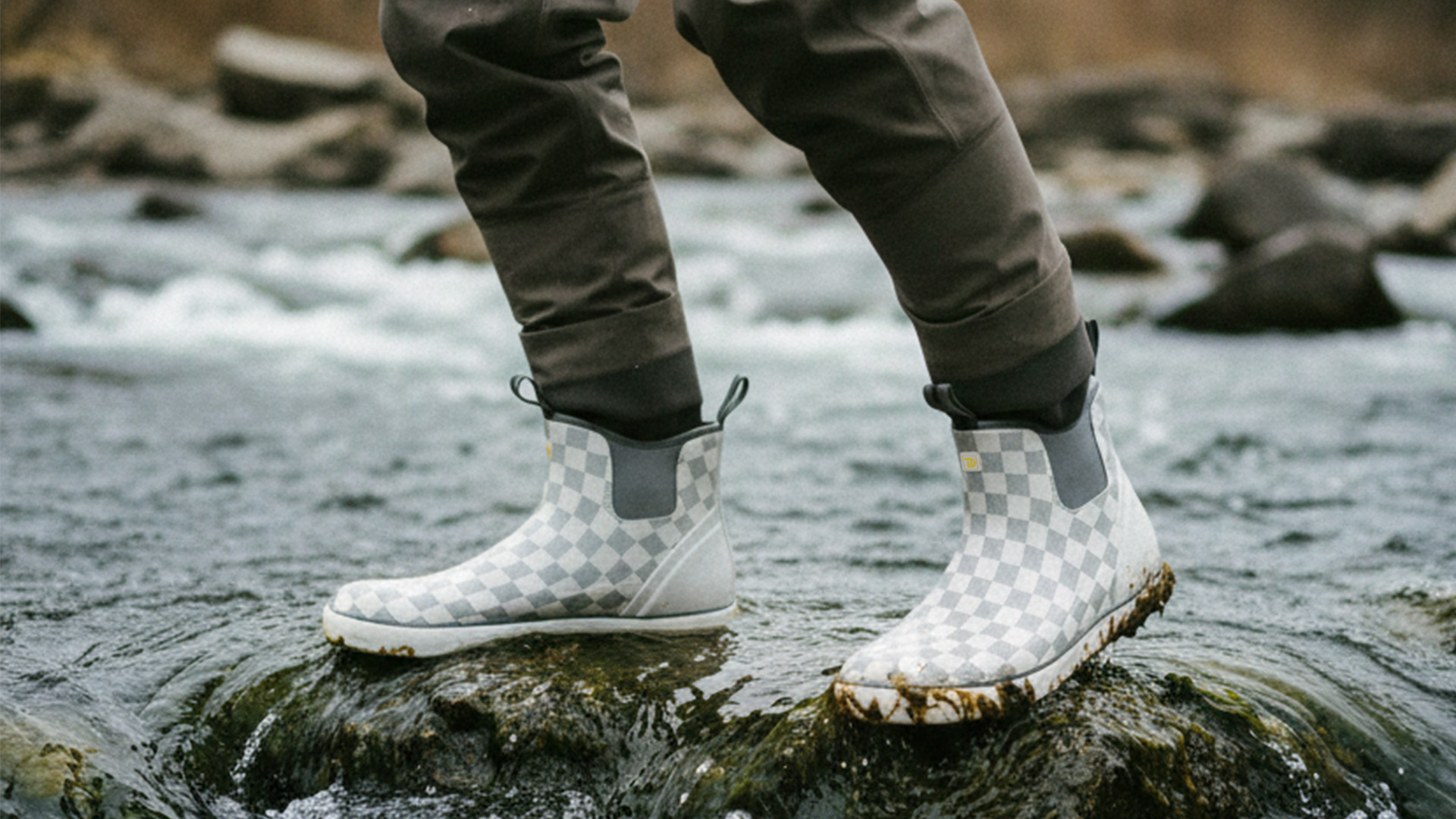
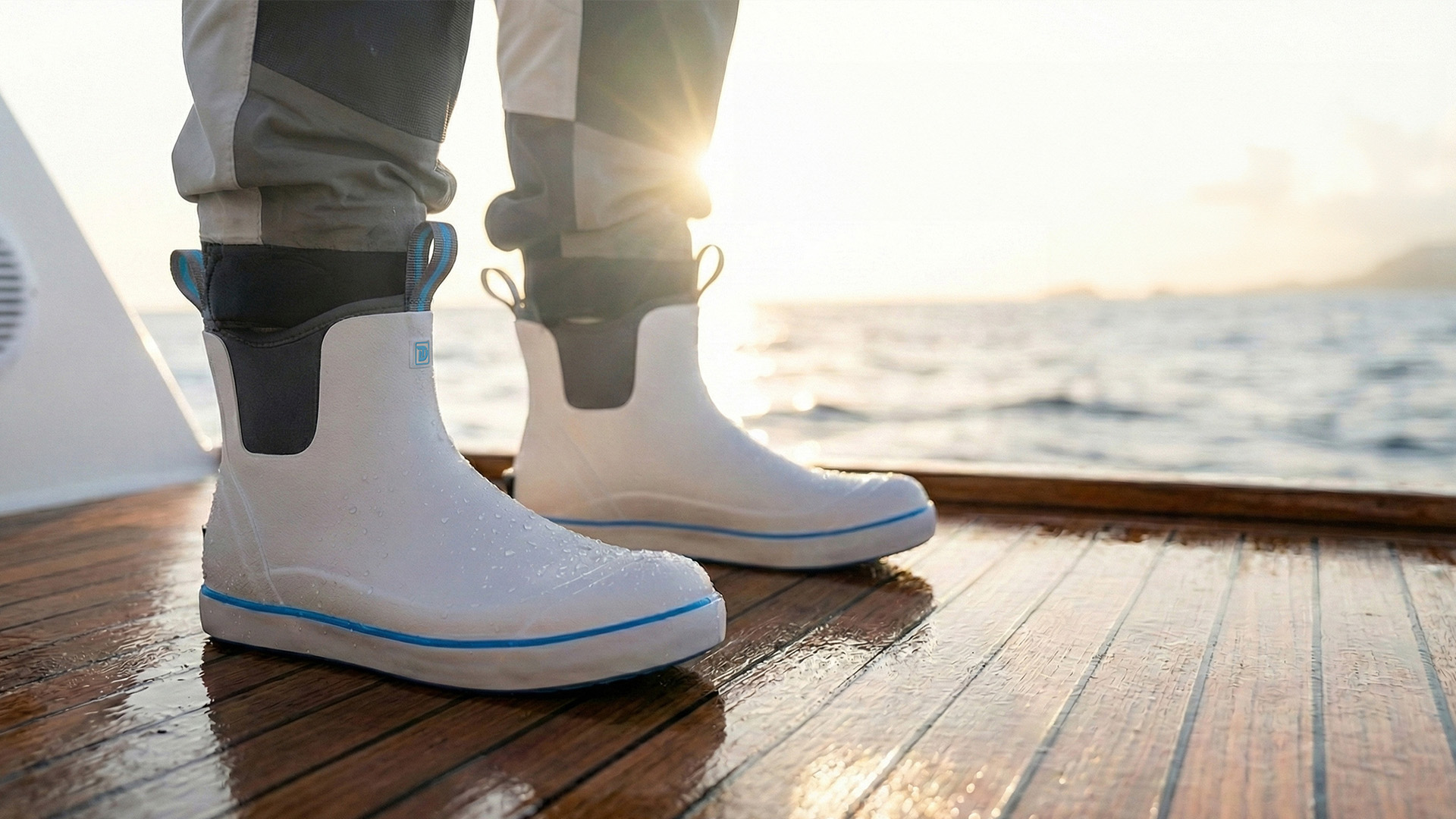
- Waterproof boots (like Hisea or Trudave) keep your feet dry when wading through melting snowbanks and muddy shores.
- Layered clothing lets you adapt to rapid weather shifts.
- Polarized sunglasses cut glare, making it easier to spot fish cruising the shallows.
- Gloves and a beanie keep circulation up during early mornings.
Fishing during the thaw means facing wet, unpredictable terrain — good gear isn’t optional, it’s essential.
When the Frenzy Hits
You’ll know it when it happens. The air feels warmer, the water glimmers with life, and suddenly, your line goes tight — again and again. The fish that spent all winter conserving energy are now on the move, feeding aggressively before the spawn.
It’s short-lived but intense. This window might last a week or two depending on weather and location. Stay adaptable, track temperatures daily, and revisit productive areas often. When the bite’s on, it can feel like every cast counts.
Final Thoughts
Spring fishing is about renewal — the return of life, movement, and opportunity. Rising temperatures don’t just wake up the lakes and rivers; they reset the rhythm of every angler.
By understanding how warming water shapes fish behavior, reading subtle temperature changes, and timing your outings right, you can catch the season’s first real feeding frenzy instead of just chasing rumors of one.
When the temps rise, so will the bites. And that first hard strike of spring — after months of stillness — reminds us why we wait all winter for this moment.