Cold-weather fishing has a unique rhythm — crisp air, calm water, and that satisfying stillness that makes every cast feel intentional. But anyone who’s spent long hours on a frosty riverbank or an iced-over dock knows the challenge: staying warm without feeling like you’re trapped inside a snow suit. Dressing for winter fishing is an art form — one that balances insulation, breathability, and movement. The right layering system keeps your core warm, your extremities dry, and your casts free and natural.
In this guide, we’ll break down how to layer like a pro — from base to outer shell — so you can stay comfortable, agile, and focused when the mercury drops.
Why Layering Beats Bulk
Too many anglers make the same mistake: they dress for warmth, not performance. Heavy coats, thick pants, and oversized gloves can keep you warm for a while — until they start holding moisture, restricting motion, and sapping energy.
Layering solves that by creating a system rather than a single solution. Each layer has a role:
- Base layer: regulates body temperature and wicks sweat away.
- Mid layer: traps heat and provides insulation.
- Outer layer: protects from wind, rain, and spray.
When done right, layering lets you adapt to changing weather, regulate heat through movement, and stay dry from both sweat and water exposure.
Step 1: The Base Layer — Your First Line of Defense
Think of your base layer as your body’s climate control system. It’s responsible for keeping sweat off your skin, which is critical in cold weather. Once moisture builds up, your body starts losing heat rapidly.
Choose materials that wick, not absorb.
Avoid cotton at all costs — it traps moisture and chills you when wet. Instead, go for:
- Merino wool: naturally antimicrobial, warm even when damp, and incredibly soft.
- Synthetic blends (polyester or nylon): durable, fast-drying, and affordable.
For fishing, a light to mid-weight base layer usually does the trick. It should fit snugly but not tight — enough to move freely without riding up.
Pro tip: If you’re prone to sweating during setup or hiking to your spot, start with fewer layers and add more once you cool down.
Step 2: The Mid Layer — Locking in Warmth
Your mid layer is the insulation zone — its job is to trap heat without adding bulk. This is where many anglers overdo it. You don’t need a massive fleece or heavy parka; you need something that holds warmth while letting air circulate.
Ideal options include:
- Fleece jackets: Lightweight, breathable, and great for layering.
- Insulated puffers: Synthetic or down insulation offers exceptional warmth-to-weight ratio.
- Softshell vests: Add core warmth while keeping your arms free for casting or reeling.
The key is flexibility. Choose pieces that can be zipped or vented as temperatures rise. A synthetic-insulated vest over a fleece pullover, for example, allows warmth around your core while maintaining mobility through your arms and shoulders.
Step 3: The Outer Layer — Blocking the Elements
The outer layer is your shield — the barrier between you and whatever Mother Nature throws your way. It needs to be windproof, waterproof, and breathable.
Look for technical fishing shells or rain gear made from materials like:
- GORE-TEX or eVent for premium waterproofing and breathability.
- PU-coated nylon for budget-friendly durability.
- Trudave and HISEA waterproof waders or jackets, which combine insulation and flexibility for extended comfort on wet, windy days.
Make sure your jacket has adjustable cuffs, a high collar, and sealed seams. Pants or bibs should have articulated knees and reinforced seat areas — essential for mobility when sitting in a boat or kneeling near the water.
Don’t Forget the Extremities
Your core isn’t the only thing that matters. Cold hands and feet can ruin an otherwise perfect day on the water.
- Head and Neck: A fleece beanie and a neck gaiter help retain body heat — up to 30% of body warmth escapes through your head.
- Hands: Go for water-resistant gloves with removable liners, so you can swap or dry them mid-day. Neoprene gloves provide grip and protection while keeping dexterity for tying knots or handling fish.
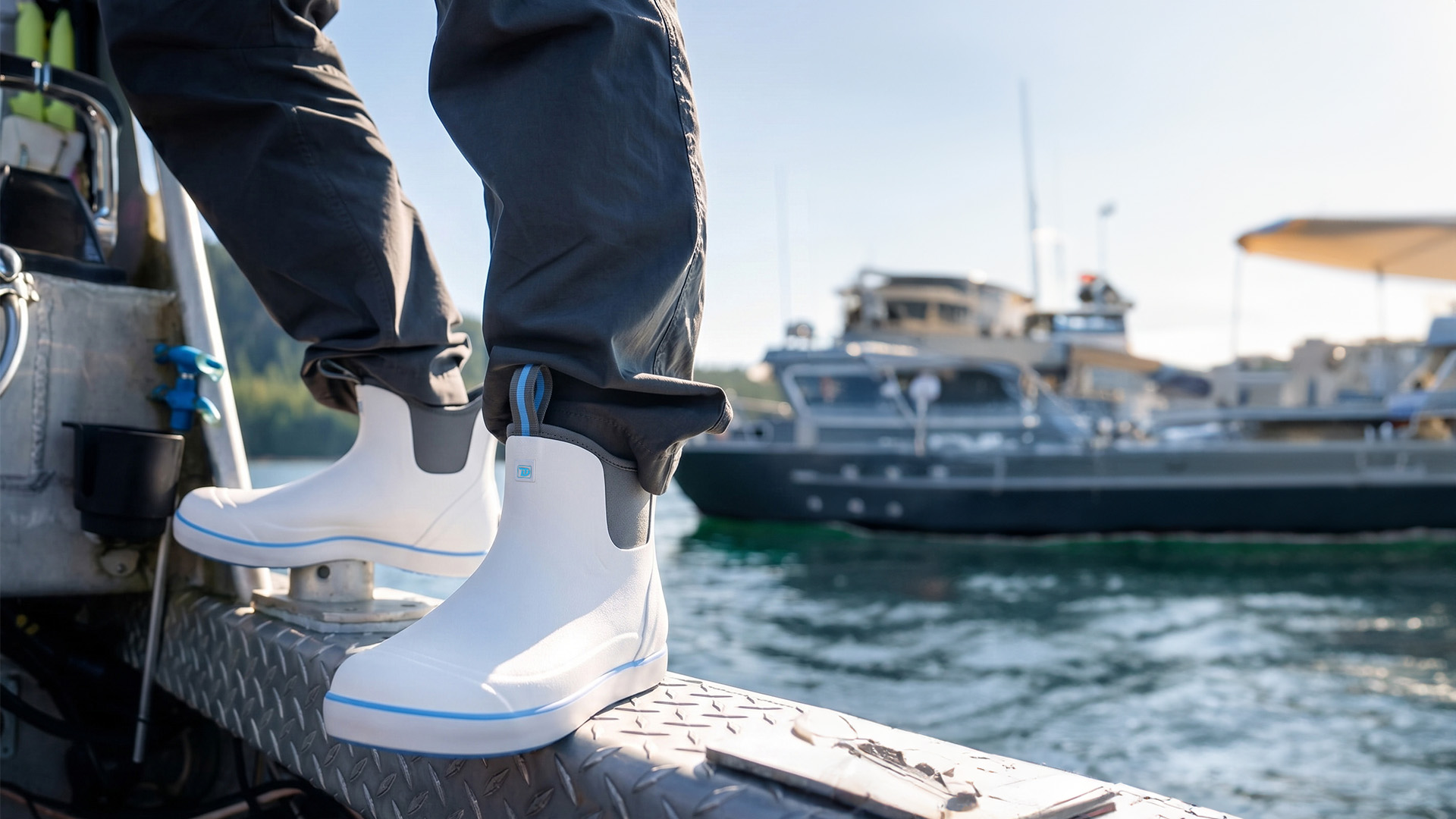
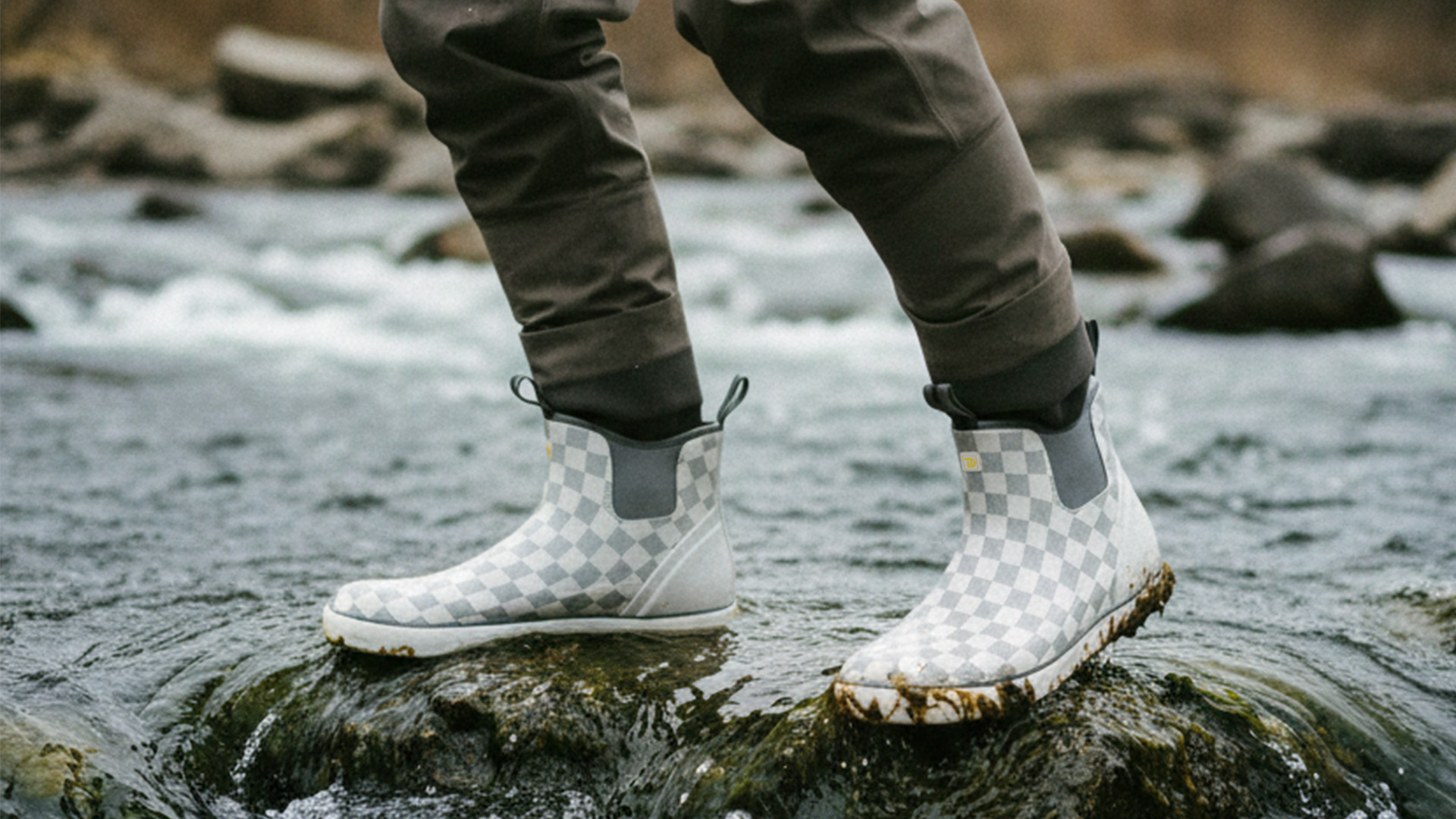
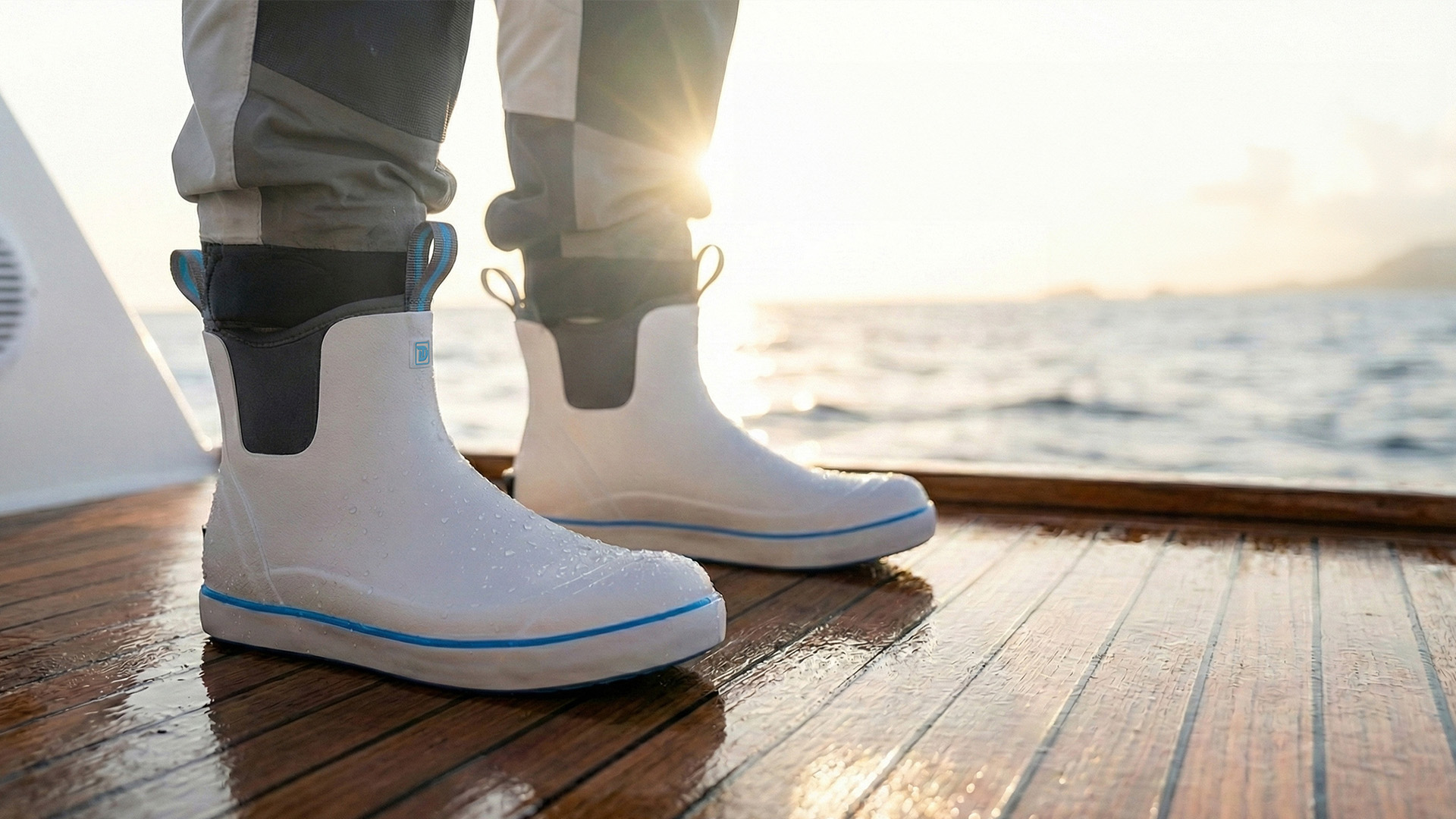
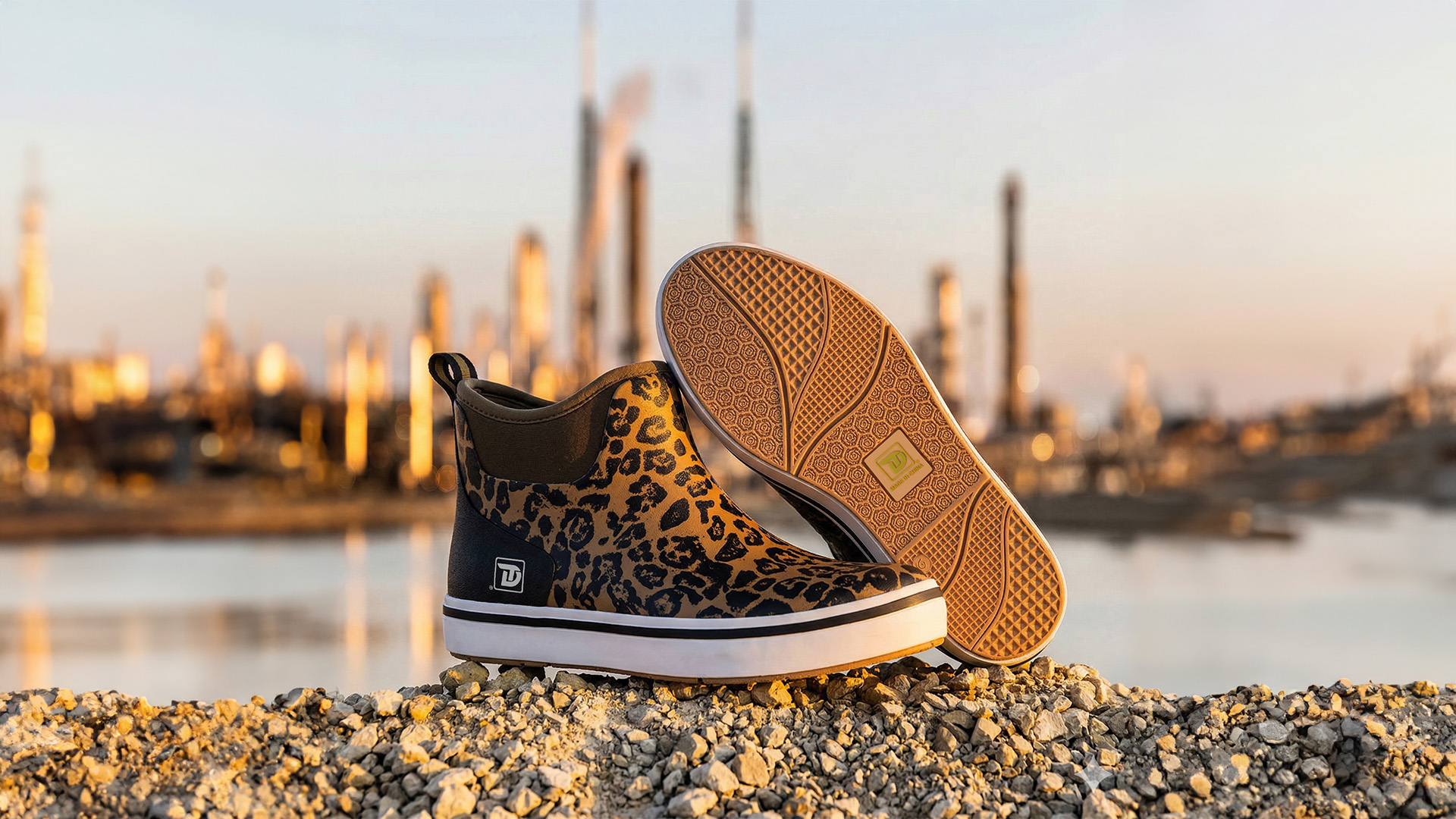
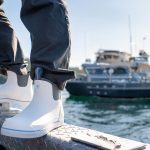
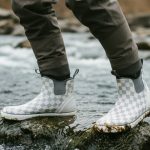
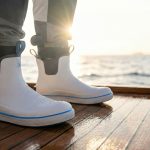
- Feet: Layer thin moisture-wicking socks under thick wool or thermal socks. Finish with insulated waterproof boots — brands like Trudave and HISEA make models designed to keep your feet dry and warm without adding unnecessary weight.
Movement Matters: Staying Mobile in Layers
One of the biggest challenges in winter fishing is maintaining range of motion. If your jacket feels tight across your shoulders or your pants bunch up when you bend, it’s time to rethink your setup.
Mobility tips:
- Choose stretch fabrics for your mid and outer layers.
- Go for articulated knees and elbows to prevent binding when you cast or kneel.
- Adjust layers on the move. If you’re hiking, shed your mid layer to prevent overheating. When stationary, add it back to retain warmth.
Fishing is full of small, repetitive motions — casting, reeling, adjusting gear — and even minor restriction can tire you out faster than the cold itself.
Moisture Management: The Secret to Staying Warm
Even in the cold, sweat is your enemy. The moment moisture gets trapped, it starts pulling heat from your body. Managing it means:
- Ventilate often: Unzip your jacket or pit vents when you start to warm up.
- Keep extra gloves and socks: If they get damp, swap them before you lose feeling.
- Avoid over-layering: More isn’t always better — it can cause overheating and sweating.
The goal is to stay dry and balanced, not hot.
Bonus Layer: The Wind Barrier
When temperatures are manageable but the wind is brutal, a thin, windproof shell can make all the difference. This “micro layer” adds almost no weight but dramatically increases warmth by preventing windchill.
It’s especially useful on open water or ice, where even a light breeze can steal body heat faster than you expect.
Final Touch: Dress Smart, Fish Smarter
Layering for winter fishing is more than comfort — it’s safety, performance, and endurance all rolled into one system. The right setup means:
- You stay warm longer.
- You move freely.
- You stay focused on fishing, not freezing.
When you’re dressed right, you stop fighting the cold and start reading the water. You cast smoother, last longer, and fish better.
So before you head out on that next cold-weather trip, don’t just throw on your heaviest coat. Layer like a pro — and discover how staying warm and mobile can make winter fishing not just bearable, but deeply enjoyable.