


Winter transforms the water. The buzz of summer activity fades, boat ramps go quiet, and many anglers hang up their rods until spring. But for those who stay out when the air bites and the line freezes, the rewards are real — just quieter, subtler, and slower. Winter fishing is not about fast action or easy limits; it’s about mastering patience, precision, and persistence. When the bite turns slow, the angler who understands stillness — who can wait out the lull — often ends up with the best fish of the season.
The Nature of the Winter Lull
Every angler feels it at some point: the eerie stillness of a frozen lake or calm river, the kind where not even a ripple breaks the surface. Fish aren’t gone — they’ve simply changed their behavior.
As water temperatures fall below 50°F, a fish’s metabolism slows. They burn less energy, feed less often, and move with intention rather than aggression. This slowdown leads to what’s often called the “winter lull” — those long stretches between bites that test your discipline more than your skill.
But this is not a dead zone. In fact, it’s one of the best times to develop as an angler. Winter fishing teaches you to feel, not just fish — to read subtle cues, understand structure, and interpret what a fish’s silence really means.
Patience as a Strategy, Not Just a Virtue
When bites are scarce, patience isn’t just about waiting — it’s an active part of the process. Fish are more deliberate in winter, and your approach must match that rhythm.
Slowing down becomes the golden rule. Quick retrieves and flashy lures rarely work. Instead, finesse techniques like drop shots, Ned rigs, and micro jigs become the tools of choice. These baits move subtly, imitating the slow, vulnerable prey that cold-water fish are more willing to pursue.
A winter angler’s mindset should mirror the fish’s tempo: calm, methodical, deliberate. It’s less about casting more and more about making each cast count.
Reading the Silence: Subtle Signs of Life
In summer, bites are often explosive and obvious. In winter, they’re whispers. You may not feel the strike at all — just a slight tension on the line, a faint vibration, or the feeling that your lure’s weight has changed.
Experienced winter anglers develop sensitivity over aggression.
They learn to recognize the faintest differences — a soft “tick,” a momentary line slack, or even the absence of movement.
To enhance this awareness:
- Use fluorocarbon line for better sensitivity.
- Keep your rod tip low and line tight.
- Watch your line closely — visual cues often reveal what your hands can’t feel.
Patience in this sense means slowing your mind, focusing deeply, and being ready when opportunity finally comes.
Location Still Matters — Just Differently
In cold conditions, fish gather where they can find comfort: consistent temperatures, stable oxygen levels, and easy access to food.
You’ll often find them:
- Near deep structure like ledges, creek channels, or submerged timber.
- In transition zones, where shallow feeding areas drop into deeper holding spots.
- On sunny banks or near rocks that hold heat during brief warm spells.
Patience also means spending time locating fish before you even wet a line. Modern sonar and mapping tools make this easier — but learning how fish relate to winter structure is still the foundation. Once you find them, resist the urge to move too quickly. Winter fish rarely scatter far; one productive spot can yield several catches if you stay disciplined.
Adjusting to the Winter Pace
When you finally locate fish, your retrieve and cadence should match the season’s mood. The best winter anglers talk about fishing “painfully slow” — and they mean it.
- Pause more often. Sometimes, a lure sitting still for 10 or even 20 seconds triggers the strike.
- Subtle movement wins. Gentle rod shakes, micro hops, and slow drags keep the bait in the strike zone longer.
- Stay consistent. Even after a few hours without a bite, stick to your rhythm. Many anglers lose fish not because the fish weren’t there, but because they lost focus during the lull.
Patience isn’t passive — it’s persistence with purpose.
Mental Game: Enduring the Quiet
Winter fishing tests your mind as much as your technique. Long hours in the cold, numb fingers, and motionless water can drain your enthusiasm fast. But those who stay calm and focused often find that one fish — the one you waited hours for — makes it all worth it.
There’s also something deeply grounding about the solitude of winter fishing. The lack of crowds, the muffled sound of snow, and the rhythmic breath of cold air — it’s nature stripped to its quiet essentials. This stillness can sharpen your instincts, refine your timing, and remind you why you started fishing in the first place.
Gearing for Patience: Tools That Help You Wait
The right gear won’t make the fish bite faster, but it can make the waiting game more productive — and comfortable.
Essentials for the quiet bite:
- Sensitive rod: A medium-light spinning rod with a fast tip helps detect subtle strikes.
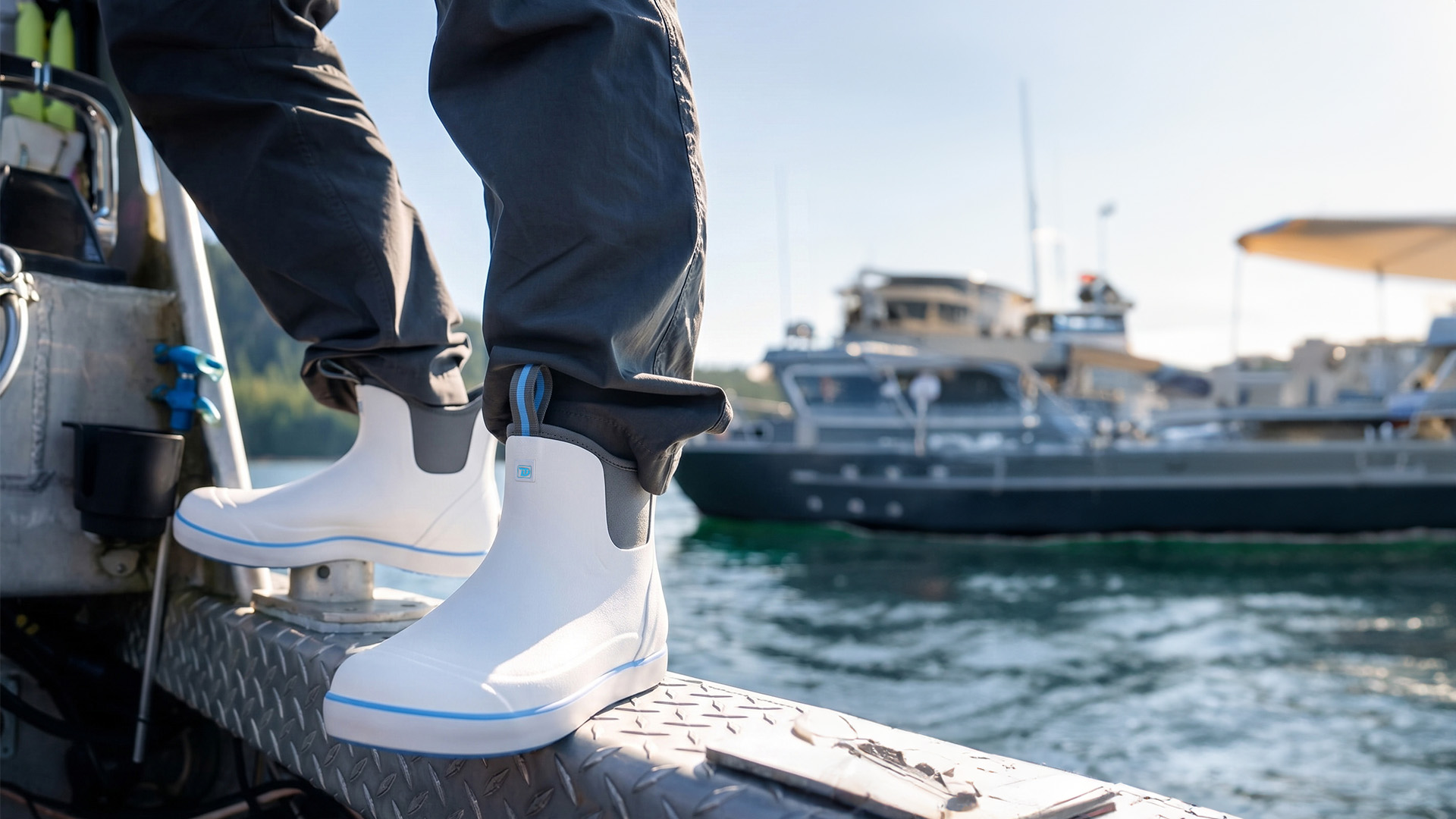
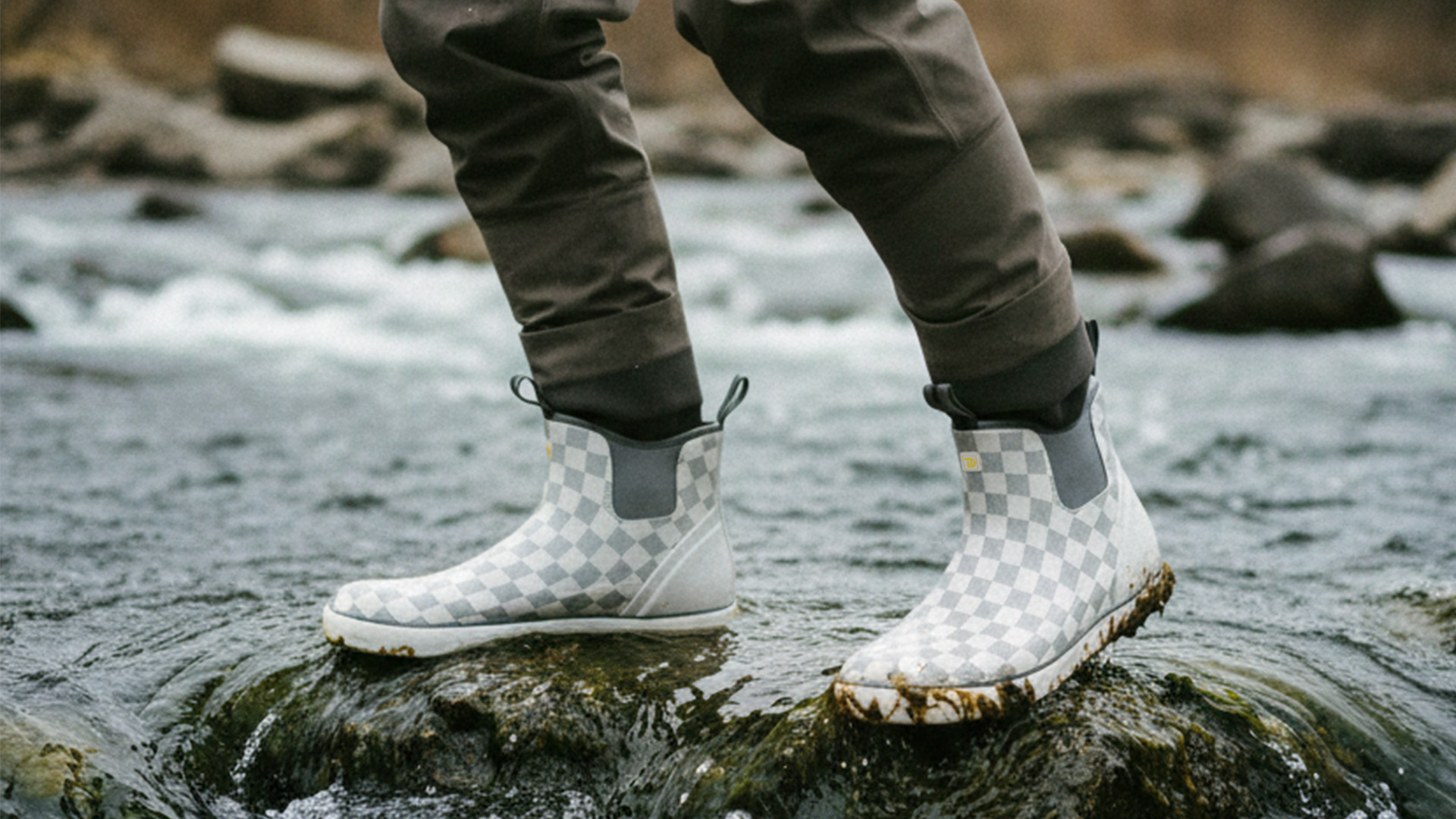
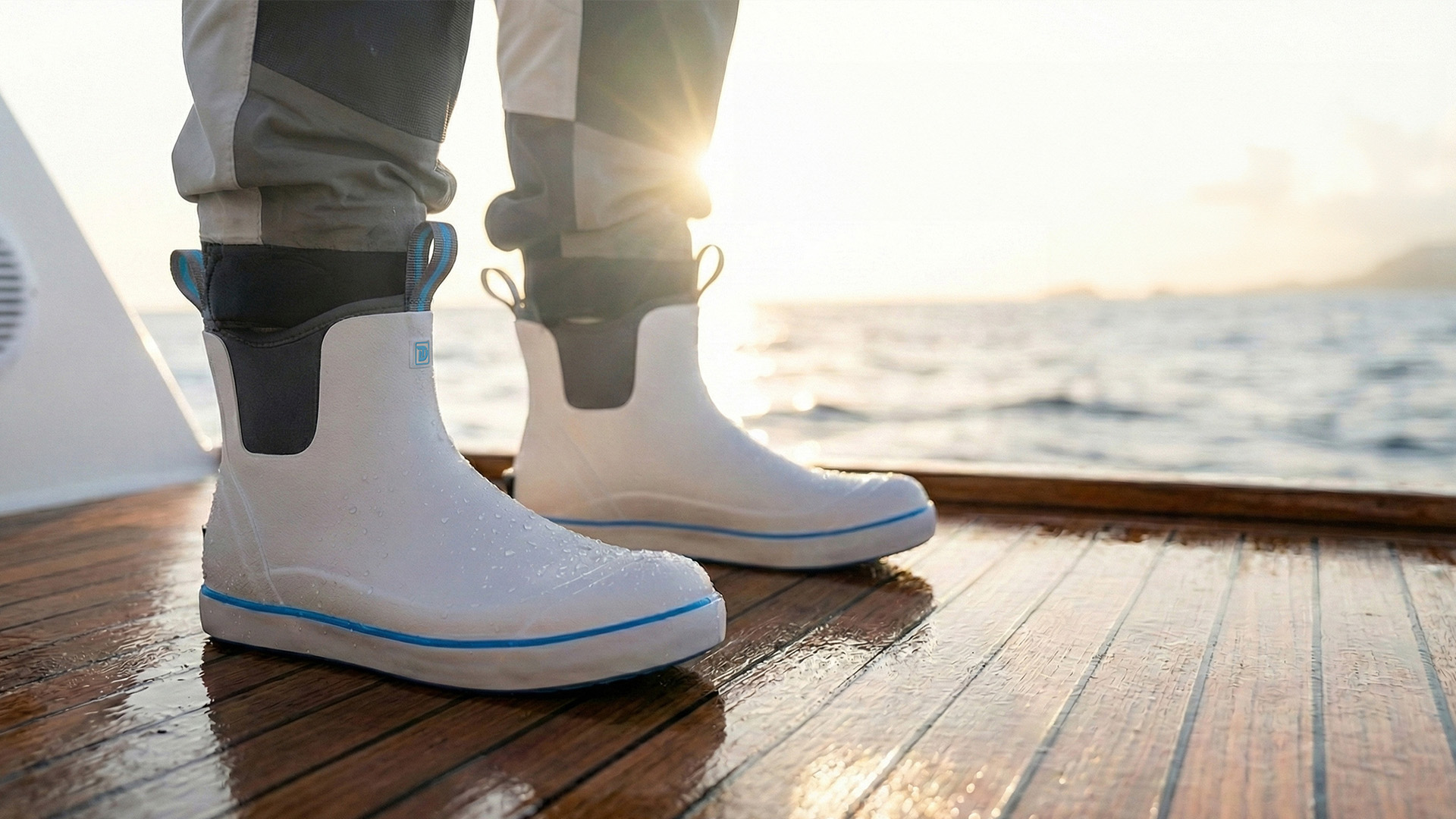
- Warm, waterproof clothing: Staying warm keeps you patient and alert. Brands like Trudave and HISEA offer insulated, waterproof boots that let you stand longer without freezing out.
- Light tackle: 4-8 lb fluorocarbon line and compact lures keep presentations natural.
- Quality electronics: Use sonar to locate fish before committing time to a spot.
Patience thrives when comfort and confidence are on your side.
Lessons from the Lull
What makes winter fishing so powerful isn’t just the potential to catch trophy fish — it’s the discipline it builds. The patience you learn waiting out the quiet bite translates to every other season. You start to trust your instincts more, read the water better, and stop relying solely on action for satisfaction.
Each subtle strike becomes a reward for your persistence, and each quiet hour builds skill for the next challenge.
Final Thoughts: The Still Water Advantage
Winter fishing isn’t for everyone. It’s cold, it’s quiet, and it demands focus most people reserve for their day jobs. But for the few who embrace it, the quiet bite becomes something sacred — proof that success in fishing isn’t about luck or numbers, but about patience, respect, and connection.
In the still waters of winter, where most have gone home, the patient angler stays — waiting, learning, and eventually winning.