


When the crowds fade, the air turns sharp, and the lake surface glistens under pale winter light, most anglers pack away their rods and dream of spring. But for those who stay — the ones who brave the cold, the silence, and the still water — winter fishing offers something more than just a chance at a catch. It’s a season of patience, refinement, and mastery. The “quiet season” isn’t just about fishing in winter; it’s about becoming a better angler through the challenge of it.
Slowing Down: The Discipline of Patience
Winter fishing teaches one of the hardest lessons in the sport — patience.
When the bite slows and fish conserve energy in colder water, there’s no shortcut to success. Every cast, every pause, every subtle movement counts. Unlike summer’s fast-paced action, winter demands deliberate rhythm and measured focus.
Fishing slowly through the cold forces you to pay attention to the small things:
- The faint tap on a line instead of an aggressive strike.
- The way your lure settles after a long pause.
- The feel of structure beneath your jig.
Those micro-observations — often overlooked in warmer months — sharpen your instincts. Winter anglers don’t just catch fish; they learn to read the water with a sensitivity that carries into every season.
Reading Water and Weather with Precision
In winter, conditions are everything. A few degrees of water temperature can make or break your day. Learning to interpret subtle environmental cues — sunlight angles, wind direction, barometric pressure changes — turns an ordinary fisherman into a strategist.
- Sunlit coves can draw slightly warmer water, pulling in baitfish and bass.
- North-facing banks often stay colder longer, holding less active fish.
- Before a front hits, the bite might spike as fish feed ahead of the change.
These lessons build a skill set that goes beyond winter — the ability to read patterns and anticipate movement, no matter the season. The cold months become a classroom for precision thinking.
Refining Technique and Gear
The stillness of winter offers something few other times can: focus. With fewer distractions, anglers can hone their setups and experiment. You’ll quickly learn how line diameter, lure weight, and retrieve speed change your presentation — and how small adjustments yield big results.
Popular winter techniques like jigging spoons, blade baits, and drop shots encourage anglers to develop finesse and control. When bites are scarce, accuracy and subtlety matter.
Even equipment care becomes part of the discipline: maintaining reels, checking guides for ice damage, and fine-tuning electronics.
In short, winter fishing refines both angler and gear.
Solitude: The Hidden Reward
Perhaps the greatest gift of winter fishing is solitude. The lakes are quiet. The banks are empty. The sound of wind over the water replaces the buzz of summer boats.
That silence reconnects you with why you fish in the first place. Without the noise and competition, every cast feels meaningful again. It’s not just about catching fish — it’s about finding peace in the pursuit.
Many seasoned anglers say that winter is when they rediscover the soul of fishing: the meditative rhythm, the respect for nature, and the satisfaction of earning every bite.
Building Mental and Physical Grit
There’s no denying it — fishing in freezing conditions tests your limits. Icy guides, numb fingers, and frigid mornings challenge your resolve. But that’s exactly what builds resilience.
Winter anglers become tougher, both mentally and physically. You learn to adapt — to stay comfortable in harsh conditions with the right layering, waterproof boots, and insulated gloves.
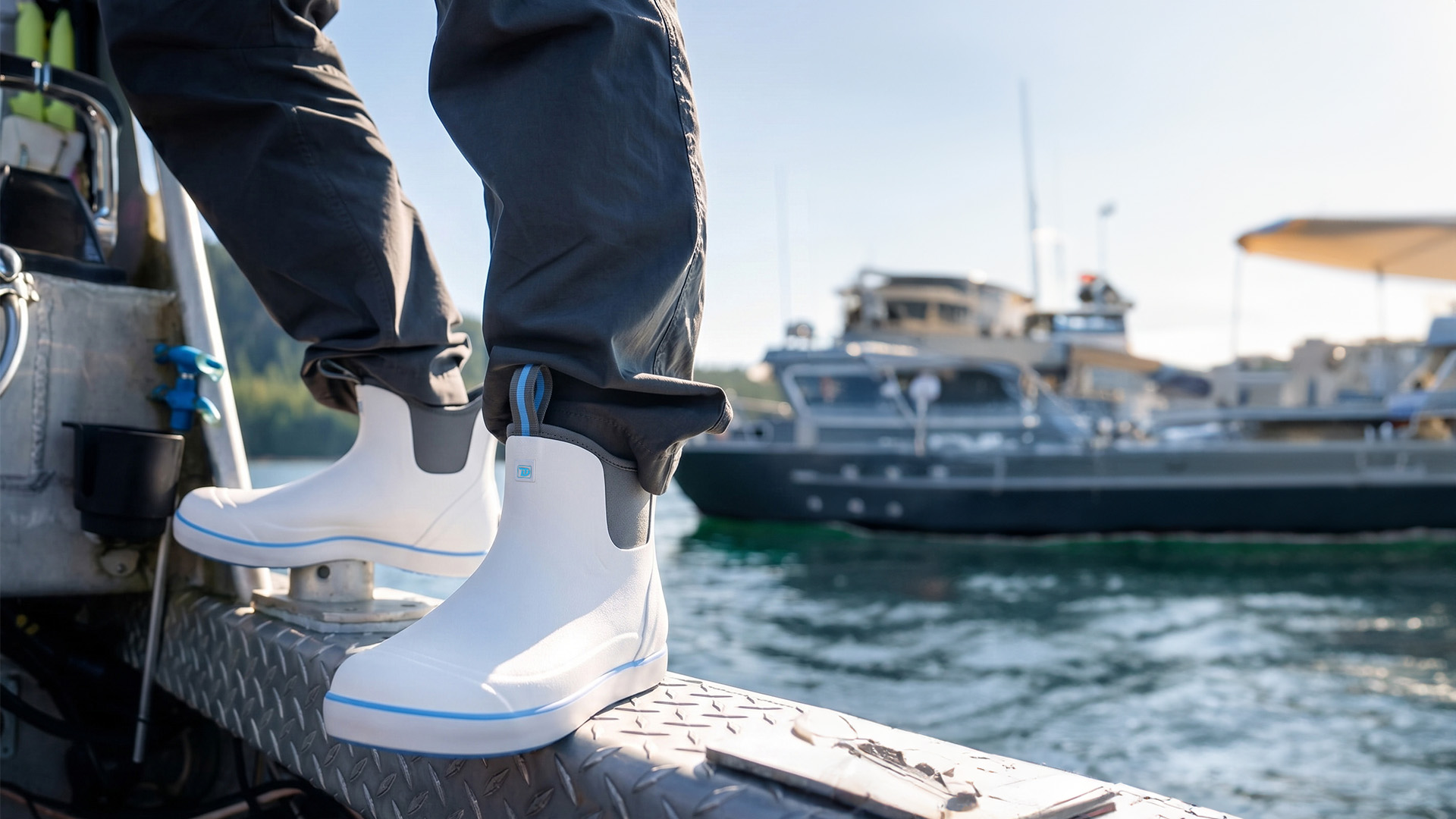
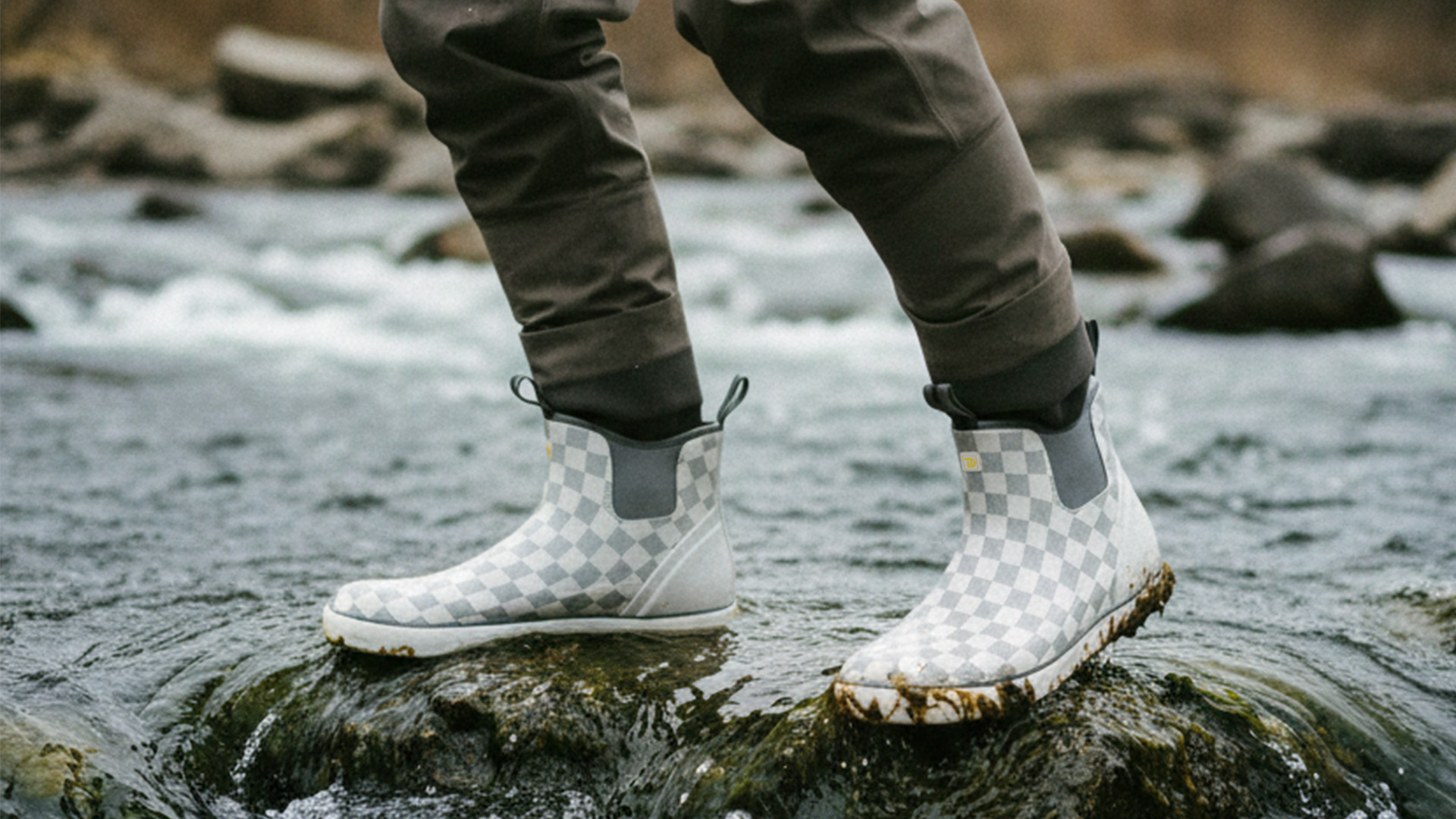
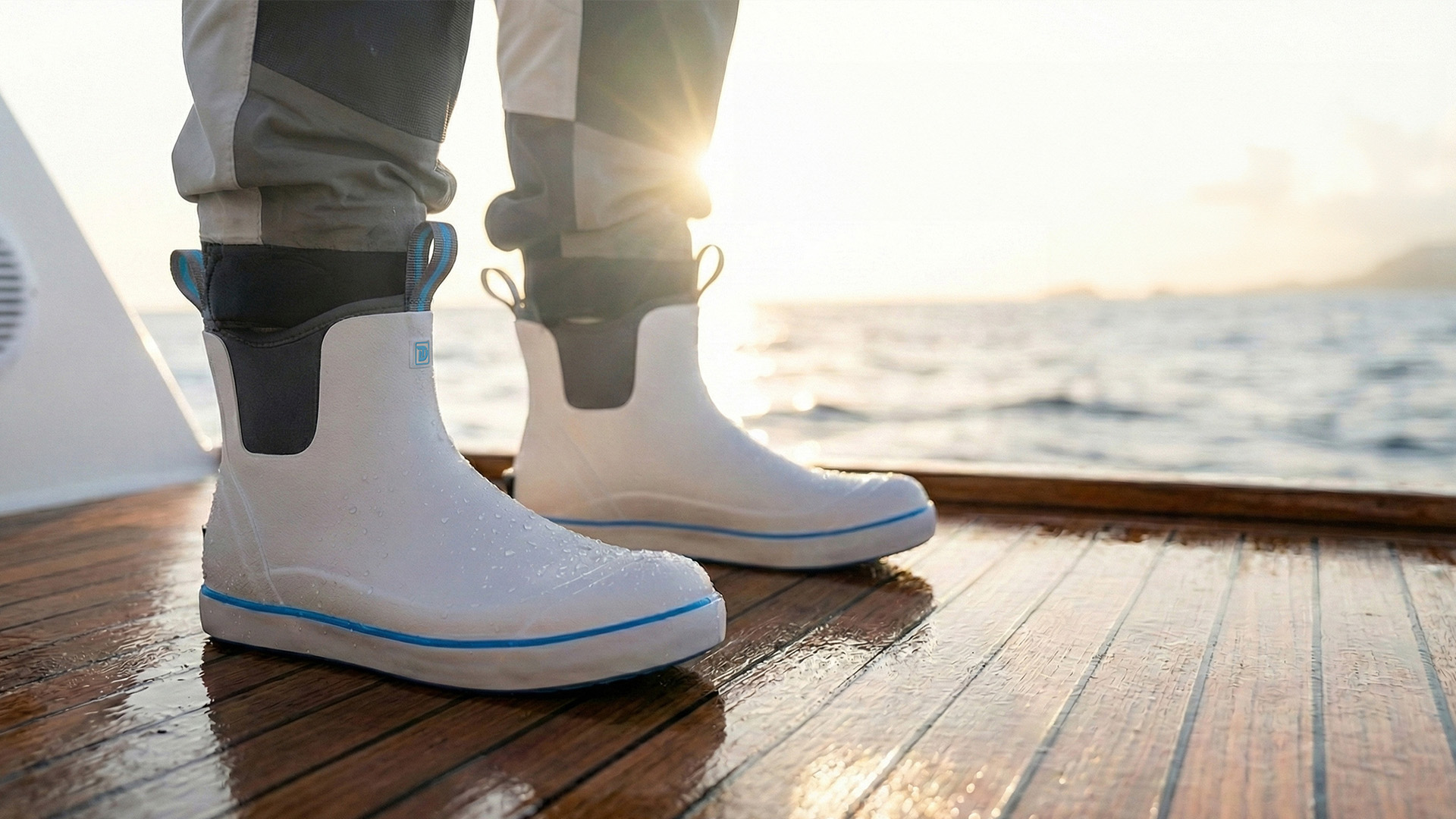
Brands like Trudave make cold-weather boots that keep your feet warm and dry, allowing you to focus on the fishing, not the frost. When you’re comfortable, your concentration deepens — and your time on the water becomes more effective.
That perseverance carries over. The next time you’re dealing with a tough bite in spring or summer, you’ll remember how to stay calm and methodical — because you’ve already fished through worse.
Connecting Deeper with Nature
Winter strips the outdoors of distractions. No buzzing insects, no roaring jet skis — just you, the water, and a landscape in hibernation.
This is when many anglers start to notice details they’ve missed before:
- The way fog rolls over the water at dawn.
- The shimmer of ice on cattails.
- The quiet splash of a feeding fish in the distance.
Fishing in winter deepens your appreciation for the natural rhythm of life. It reminds you that even in stillness, there’s activity — just hidden below the surface.
The Off-Season That Isn’t
For many, winter is the “off-season.” But for dedicated anglers, it’s a training ground. Every cold day spent refining technique, understanding fish behavior, and mastering patience sets you ahead when spring arrives.
By the time the waters warm and others return, you’ll already be in tune with your craft — sharper, calmer, and more capable. The “quiet season” doesn’t take your edge away. It creates it.
Final Thoughts
Winter fishing isn’t about trophies or fast action. It’s about growth.
It teaches awareness, patience, and respect — for the fish, the conditions, and the craft itself. Those who choose to stay on the water through the cold don’t just endure the season; they evolve through it.
So when the frost sets in and the lakes go still, don’t hang up your rod.
Embrace the quiet. Because in the heart of winter, the best anglers are made.