


When the water cools and surface activity disappears, many anglers pack up their gear for the season. But the real action? It’s still happening — just deeper. Winter bass fishing is less about chasing fast bites and more about mastering the “deep game.” To consistently catch bass during the cold months, understanding how they use offshore structures is key. Let’s break down where to look, how to read your electronics, and the tactics that make cold-water bass fishing one of the most rewarding challenges of the year.
Why Bass Move Offshore in Winter
As temperatures drop, shallow waters lose their appeal to bass. The upper layer cools faster than the depths, forcing baitfish — and the bass following them — to migrate to deeper, more stable zones.
In many lakes, these areas include points, ledges, channel swings, humps, and submerged timber. The goal for bass is simple: find warmth, conserve energy, and stay near an easy food source. Understanding this biological shift allows you to target the zones where bass stack up — often in surprising numbers.
Finding Key Offshore Structures
Not all deep spots are equal. Productive offshore areas usually have some form of structure and cover combination that supports baitfish movement. Here’s what to focus on:
- Main Lake Points and Breaks:
These serve as natural highways for bass transitioning between shallow and deep water. Look for sharp drop-offs where the depth changes quickly. - Ledges and Creek Channels:
These are winter sanctuaries. Bass often sit along the edges where a creek channel meets a flat or slope. - Humps and Underwater Ridges:
Isolated high spots in open water are prime staging areas, especially if bait is nearby. - Submerged Timber or Rock Piles:
Hard cover attracts warmth and small forage, providing ambush points for bass conserving energy. - Drainages and Depressions:
Subtle changes in bottom contour often hold surprising concentrations of fish, especially when adjacent to deeper water.
Electronics: Your Winter Advantage
When visual cues disappear under ice or stained water, your sonar becomes your eyes. Modern fish finders, particularly those with side imaging and forward-facing sonar, are invaluable tools in winter.
Learn to interpret:
- Bait clouds near bottom structure — usually shad or small perch.
- Arches or streaks representing bass holding tight or feeding.
- Transition zones where rock meets mud — bass love edges like these.
Spend time idling and scanning before casting. In winter, locating fish is often 80% of the game.
Best Baits and Techniques for Deep-Water Bass
Cold-water bass aren’t going to chase aggressively. Your presentations should be slow, deliberate, and natural. Proven options include:
- Jigging Spoons: Vertical jigging around bait schools mimics dying shad — a go-to in 30+ feet of water.
- Drop Shots: Perfect for presenting soft plastics just above the bottom where bass suspend.
- Football Jigs: Dragged slowly along ledges or rocky points, these imitate crawfish and trigger reaction bites.
- Blade Baits: Great for cold, clear water — a simple lift-and-fall can produce big results.
- Deep Diving Crankbaits: Ideal when bass are 10–20 feet deep and feeding actively.
Patience is your ally. A winter bass bite often feels subtle — a faint “tick” or added weight — so use sensitive rods and light line.
Timing and Weather Factors
Winter bass behavior is highly influenced by weather changes. Stable, sunny days can pull fish slightly shallower as water warms a few degrees, while cold fronts push them back deep and inactive.
Watch for:
- Barometric drops before snow or rain — a great trigger for feeding.
- Midday windows when sunlight peaks — often your best chance for consistent bites.
- Calm, clear days — ideal for vertical presentations and finesse tactics.
Safety and Preparation
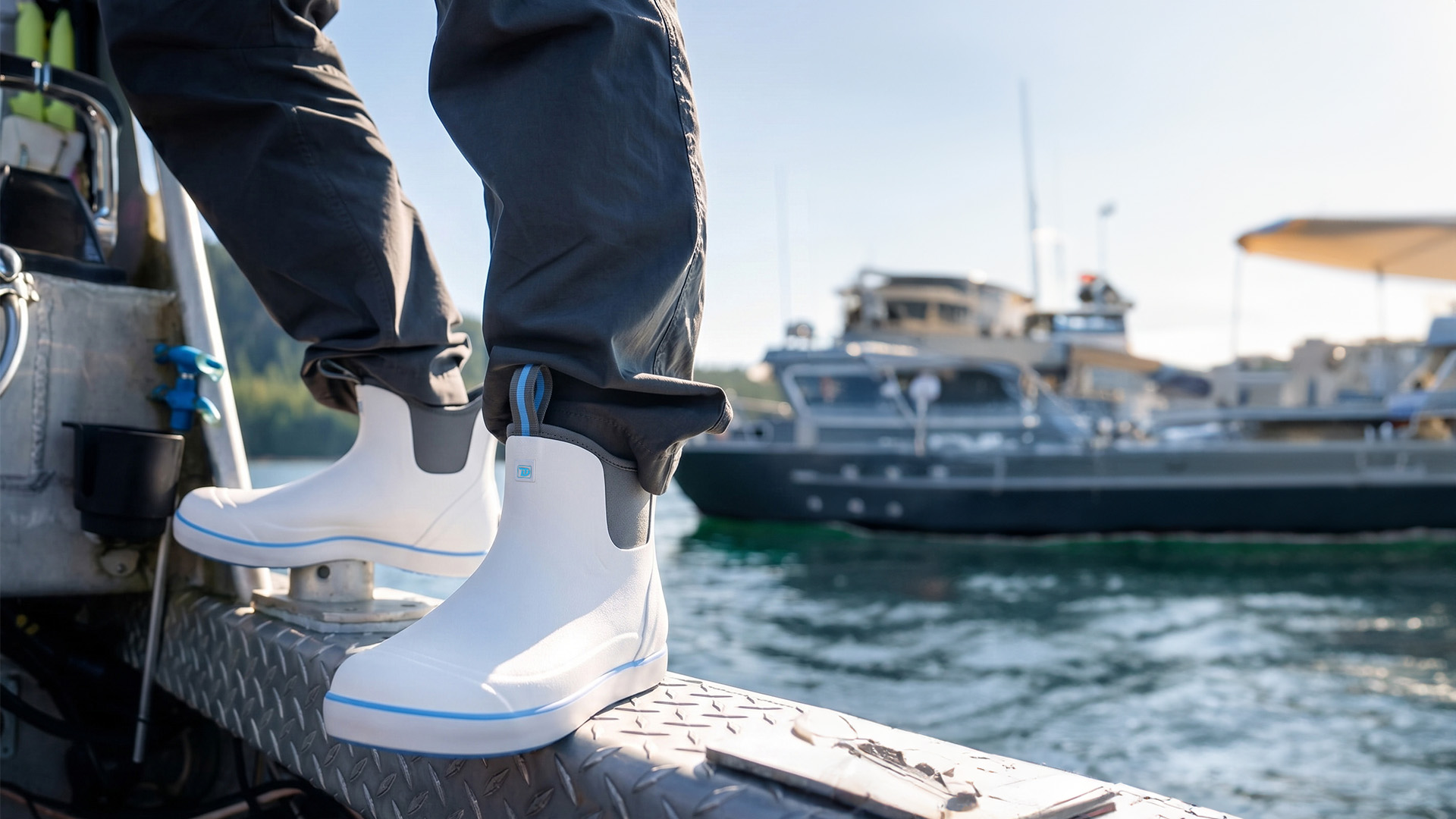
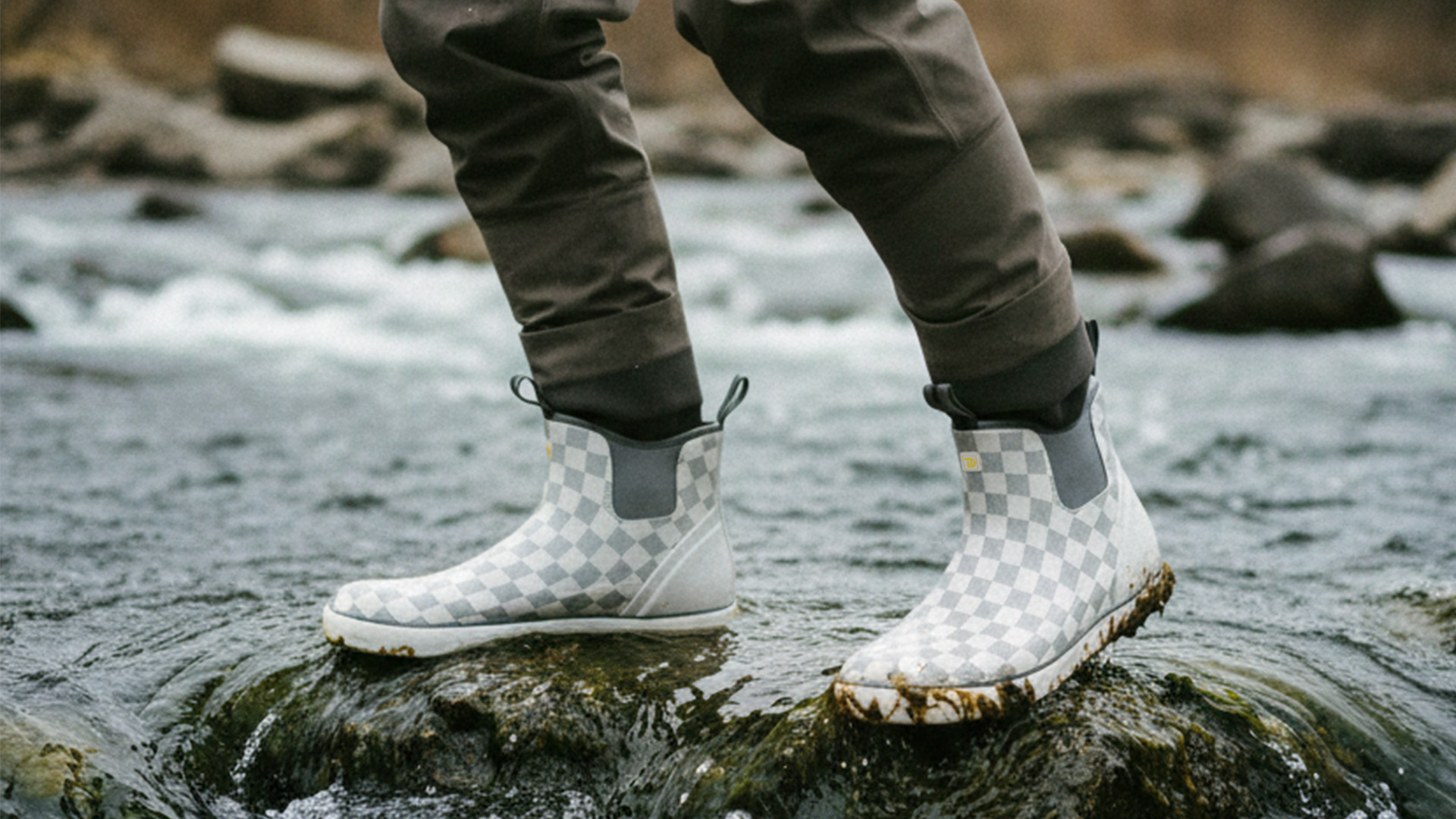
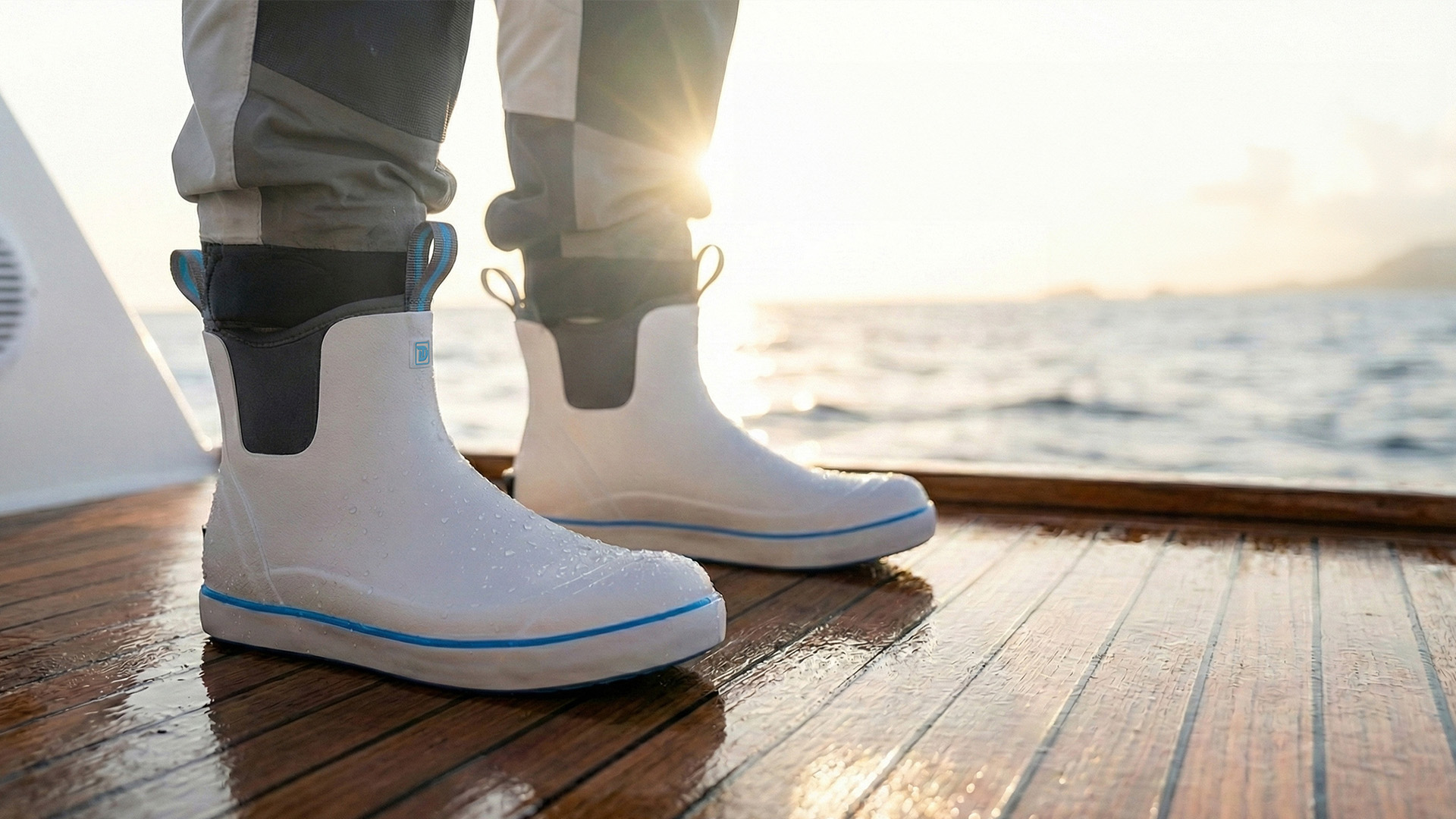
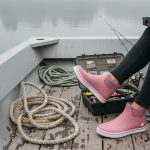
Deep winter fishing demands respect for the conditions. Always wear a PFD, keep a dry set of clothes, and use non-slip waterproof boots — like Trudave’s insulated deck or rain boots — to stay warm and stable on icy decks. Cold water is unforgiving, so plan accordingly and fish with a buddy when possible.
Final Thoughts
Winter bass fishing isn’t about numbers — it’s about precision and patience. The bass that remain active during the coldest months are often the biggest in the lake, and those who master offshore patterns stand to catch them.
So grab your sonar, bundle up, and embrace the deep game. Beneath the icy surface lies a quiet, challenging, and deeply rewarding world of winter bass that most anglers never touch.