When winter’s first cold snap locks the lakes in glass, serious anglers know it’s time to shift from open-water tactics to ice fishing strategy. But success on early ice doesn’t start when you drill your first hole—it starts long before that. Proper early-season gear prep can be the difference between a day spent fighting frozen reels and one filled with steady bites. Here’s how to get your equipment ready before the lakes solidify, ensuring you hit the ice with confidence and control.
1. Safety First: The Foundation of Every Early Ice Trip
Early ice is unpredictable—sometimes just a few inches separate adventure from danger. Before worrying about rods and reels, make safety your number-one priority.
- Check Ice Thickness: Use a spud bar or auger to test as you move. At least 4 inches of clear ice is the minimum for walking, but early-season ice can vary drastically across a lake.
- Wear Floatation Gear: A float suit or ice picks around your neck could save your life if you break through. Don’t skip them.
- Go Light and Go with a Buddy: Early ice means mobility—bring only essential gear and always fish with a partner within eyesight.
2. Line Matters: Choosing the Right Setup for Cold Conditions
Your fishing line is your direct connection to the fish—and cold weather tests it like nothing else.
- Monofilament for Forgiveness: Mono handles cold well and offers a bit of stretch, ideal for panfish and light setups.
- Fluorocarbon for Stealth: If you’re chasing finicky walleye or trout in clear ice conditions, fluoro’s invisibility gives you an edge.
- Braid (With Caution): While braid is ultra-sensitive, it tends to absorb water and freeze. If you use it, pair it with a quality fluorocarbon leader and reel with a smooth drag system.
Before heading out, replace old line—cold can expose weak spots fast. Always spool fresh, high-quality line rated for low-temperature flexibility.
3. Rod and Reel Tune-Up: Cold-Ready Performance
Ice rods endure stress from freezing temps and constant moisture exposure. Now’s the time to inspect and fine-tune them.
- Check Guides: Any crack or nick in a guide will shred your line when frozen. Run cotton through each one to detect hidden damage.
- Lubricate Reels Properly: Use a low-temperature reel oil to prevent freezing gears. Avoid over-lubing—it attracts moisture.
- Adjust Drag Settings: Cold can stiffen drag washers. Test each reel indoors to ensure smooth tension before it hits subzero air.
A quick reel tune-up or bearing replacement now prevents frustration later when gloves are frozen and fish are biting.
4. Auger Prep: Power When You Need It
Your auger is your ticket to the fish, and it’s one of the most overlooked pieces of ice gear when it comes to preseason prep.
- Blades: Sharpen or replace them. Even slightly dull blades make early ice cutting painfully slow.
- Power Source: For gas augers, drain old fuel and refill with non-ethanol gas. For electric models, fully charge and test batteries before heading out.
- Lubricate the Shaft: A light silicone spray keeps ice from building up during use.
If you rely on a hand auger, make sure the handles are tight and smooth. Early ice is often thinner, so you’ll be cutting fast—smooth operation keeps fatigue low.
5. Shelter and Sled Systems: Mobility Is Key
Early-season ice fishing is a game of movement. Fish are shallow and scattered, so a lightweight setup helps you stay mobile and efficient.
- Portable Shelter: Use pop-up hubs or flip-overs that are easy to set and pack quickly. Check for small rips or broken poles before heading out.
- Sled Prep: Organize your sled for balance—heavy gear (auger, heater, tackle box) in the center to prevent tipping.
- Lubricate Runners: A quick spray of graphite or silicone reduces drag over the ice.
Keeping things minimal makes it easier to cover multiple spots and locate active schools early in the season.
6. Battery and Electronics Maintenance
Your sonar, flasher, or underwater camera is only as good as its power source—and cold weather drains batteries fast.
- Charge and Test Everything: Run your electronics at home to confirm cables, transducers, and displays are working.
- Keep Batteries Warm: Store lithium batteries inside your jacket or insulated pouch when not in use.
- Update Firmware: For digital sonar units, check for any manufacturer updates that improve cold-weather performance.
Having a backup battery can save a trip if your main one fades in the chill.
7. Clothing and Comfort: Dress for Movement and Safety
It’s not just about warmth—it’s about staying functional. Dress in layered, moisture-wicking fabrics that manage sweat while retaining heat.
- Base Layer: Synthetic or merino wool for moisture control.
- Mid Layer: Fleece or insulated soft shell for warmth.
- Outer Layer: Windproof and waterproof bibs and jacket.
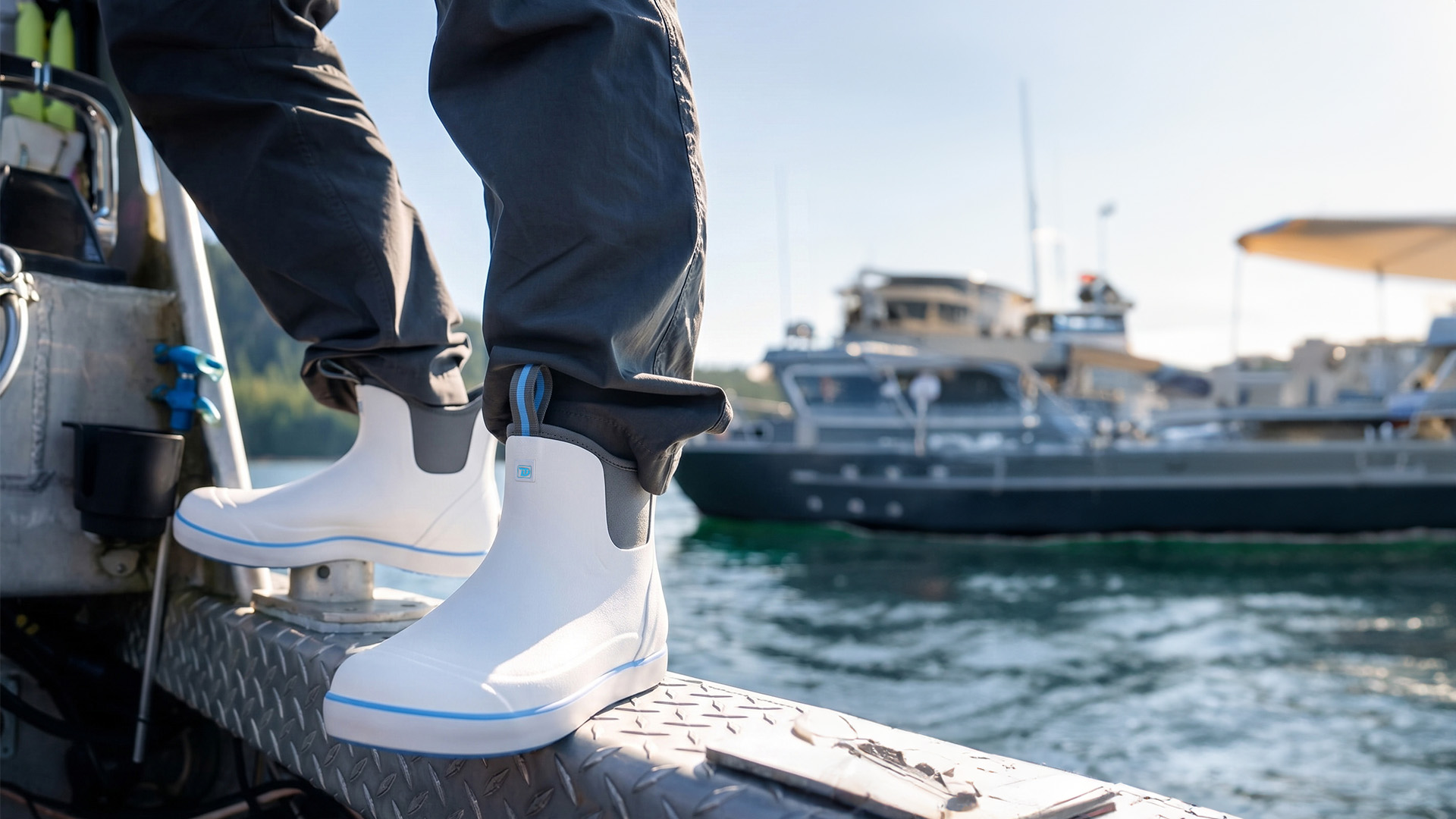
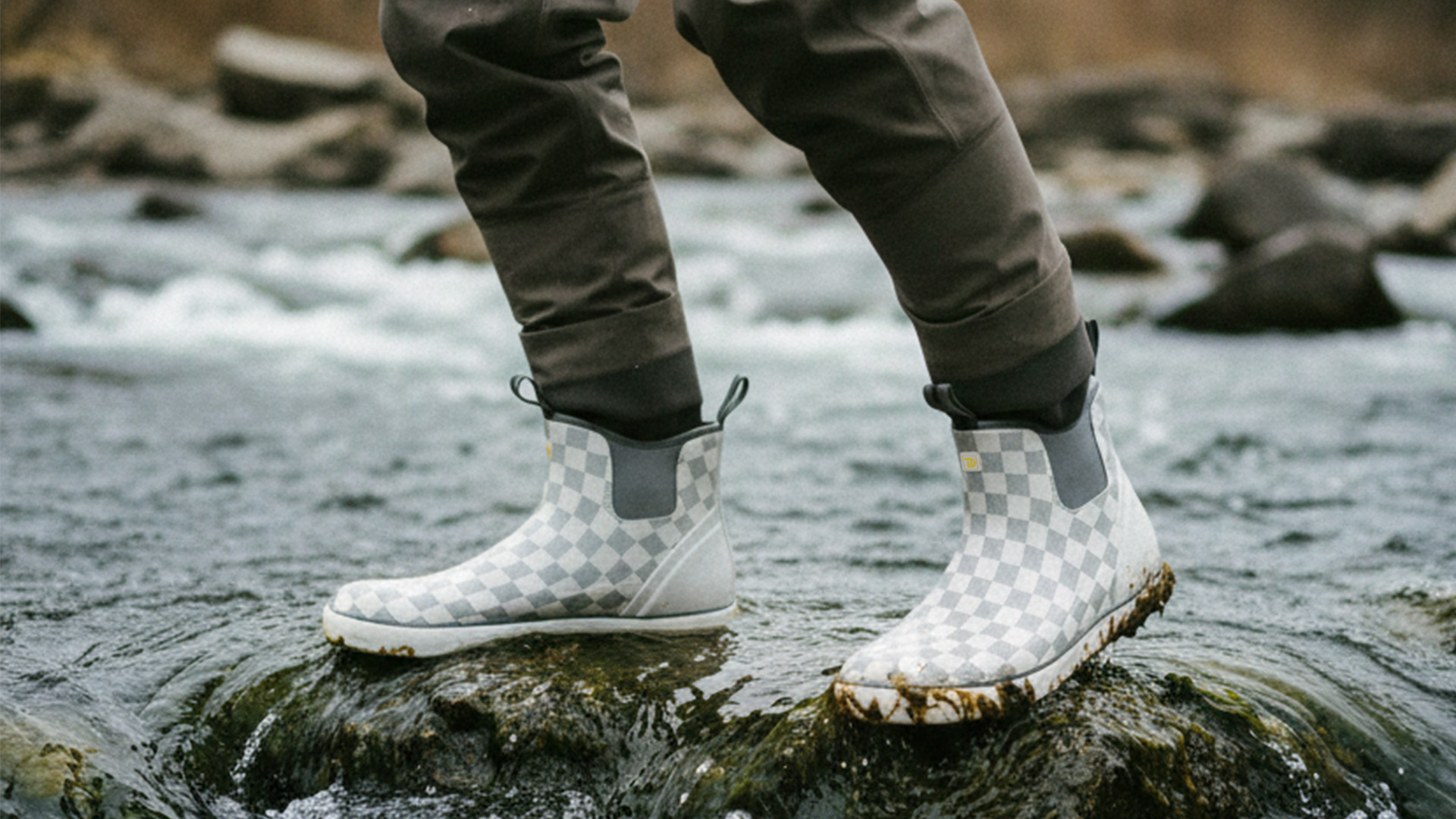
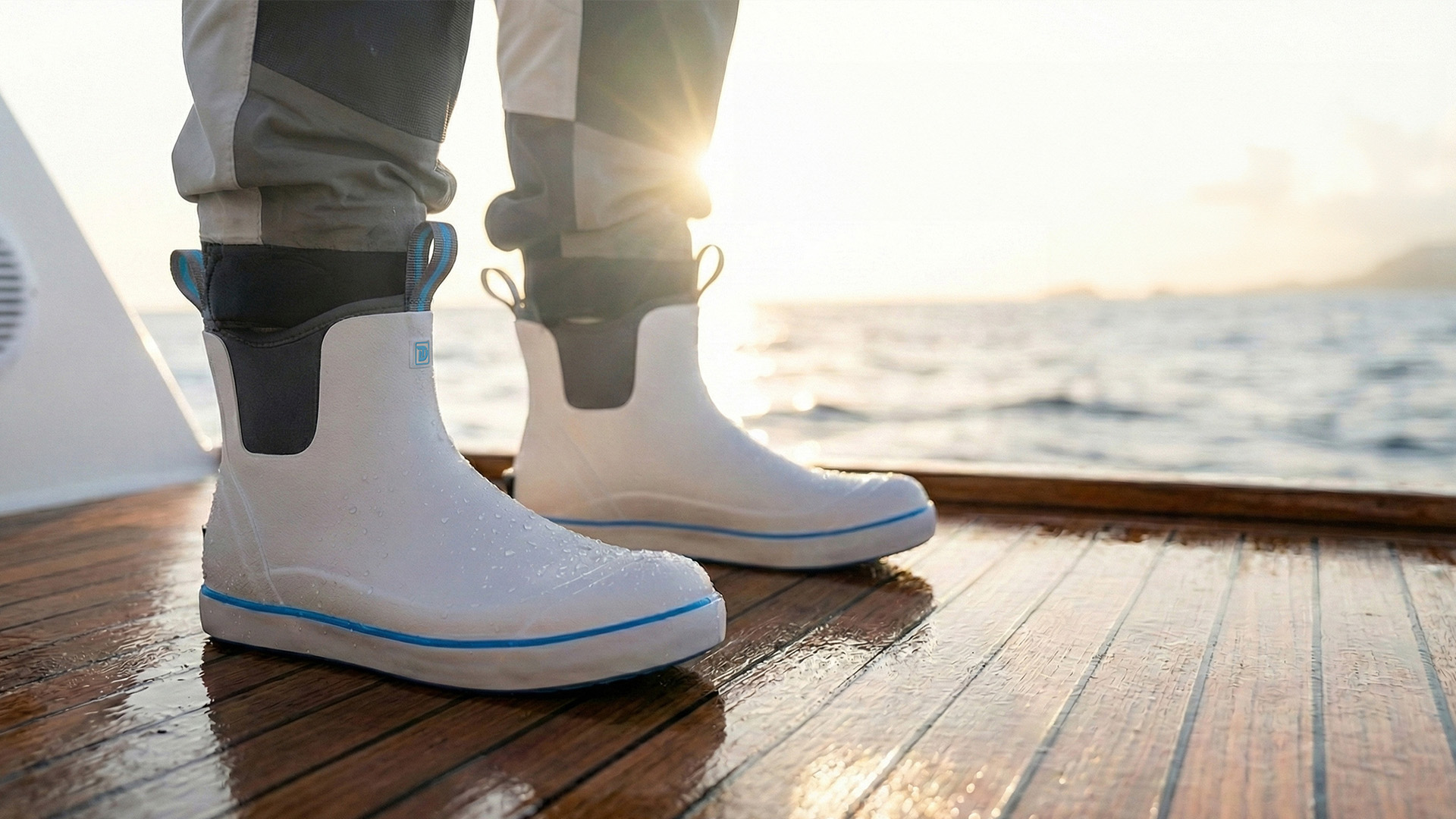
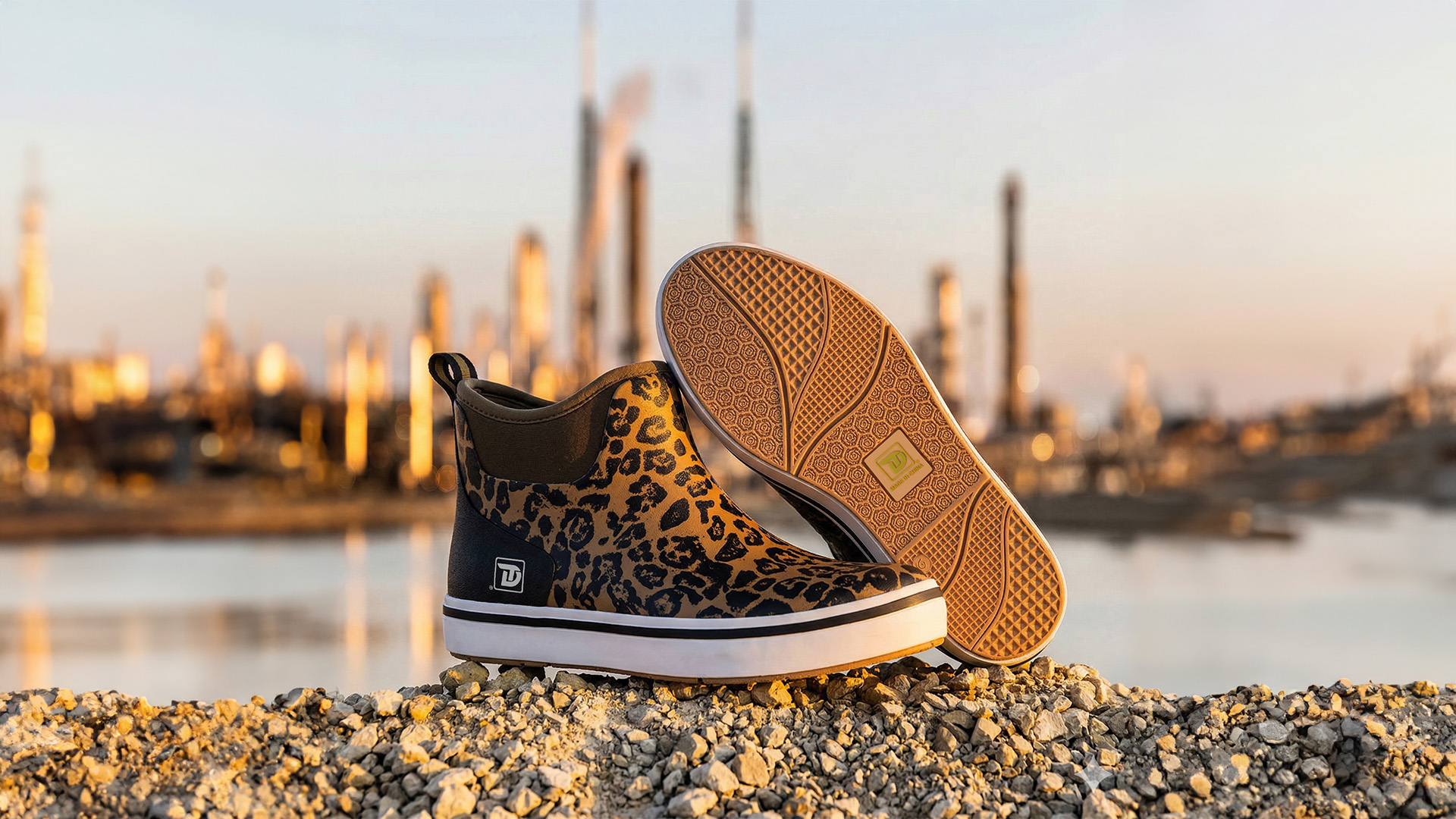
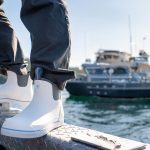
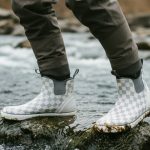
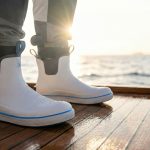
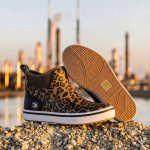
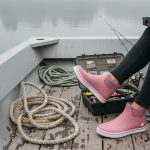
And don’t forget insulated waterproof boots—like Trudave’s cold-weather deck boots or hunting boots—which keep feet dry without sacrificing grip or flexibility on slick ice.
8. Tackle Box Refresh: Downsizing for Cold Efficiency
Winter fish respond to small, subtle presentations. Now’s the time to reorganize and restock your ice tackle.
- Lures: Tiny spoons, tungsten jigs, and soft plastics with minimal movement outperform big flashy baits.
- Hooks and Swivels: Replace any showing signs of rust or dullness.
- Storage: Use waterproof boxes and add silica packs to prevent moisture buildup.
Keep your gear simple—confidence baits and proven producers only.
Final Thoughts: Preparation Is the Path to Success
When early ice arrives, those who prepared will be the first to drop lines and the first to pull fish through the holes. The Ice Line Advantage isn’t just about having the best gear—it’s about having gear that’s ready, reliable, and tested before the freeze.
By fine-tuning your equipment now—checking lines, prepping augers, and packing smart—you’ll step onto that first hard water with focus, confidence, and the freedom to fish harder, longer, and safer.