
Ice fishing is not just a sport—it’s a unique experience that requires skill, patience, and an understanding of how fish behave in cold, frozen waters. Whether you’re a seasoned angler or a novice venturing out onto the ice for the first time, the key to success lies in mastering specific techniques and understanding the behavior of fish in winter conditions. In this article, we’ll explore the essential techniques, gear, and strategies for consistent success in ice fishing on frozen lakes.
1. Understanding Fish Behavior in Winter
Before you hit the ice, it’s crucial to understand how fish adapt to the cold. As water temperatures drop, fish become more sluggish and tend to move to deeper, slower-moving waters. They also gather in specific areas of the lake, often near structures like drop-offs, weed beds, or underwater ledges.
Key Points to Remember:
- Slower Metabolism: In cold water, fish metabolism slows down, which means they require less food and are less likely to chase fast-moving lures. Your presentation must mimic slow, deliberate movements.
- Location Matters: Fish tend to stay in deeper waters where the temperature is more stable. They are also attracted to underwater structures where they can find shelter and food.
- Shorter Feeding Windows: Fish are less active, and their feeding windows are much shorter. Be prepared to wait, but when the bite comes, it’s often intense.
2. Choosing the Right Ice Fishing Gear
Having the right gear for ice fishing can make or break your experience. The key is to have a combination of warmth, mobility, and effective tools for both catching fish and staying safe on the ice.
Essential Gear:
- Ice Fishing Rods: Unlike regular rods, ice fishing rods are shorter and more sensitive. They range from 24 to 36 inches, allowing you to manage your line in confined spaces while still detecting subtle bites.
- Reels: Choose a reel designed for ice fishing, which typically has a smaller spool and is easier to operate in freezing temperatures. Spinning reels are popular, but a tip-up system can also be effective for stationary fishing in deeper waters.
- Ice Auger: A high-quality auger is essential for drilling holes in the ice. Hand augers are perfect for shallow waters, while power augers are better for larger, deeper lakes. Make sure the auger is sharp and well-maintained to cut through thick ice.
- Ice Fishing Sled or Tackle Box: You’ll need a durable sled or portable storage to carry your gear across the ice. It should be large enough to fit your rods, bait, and other essentials like your heater or ice shelter.
Clothing:
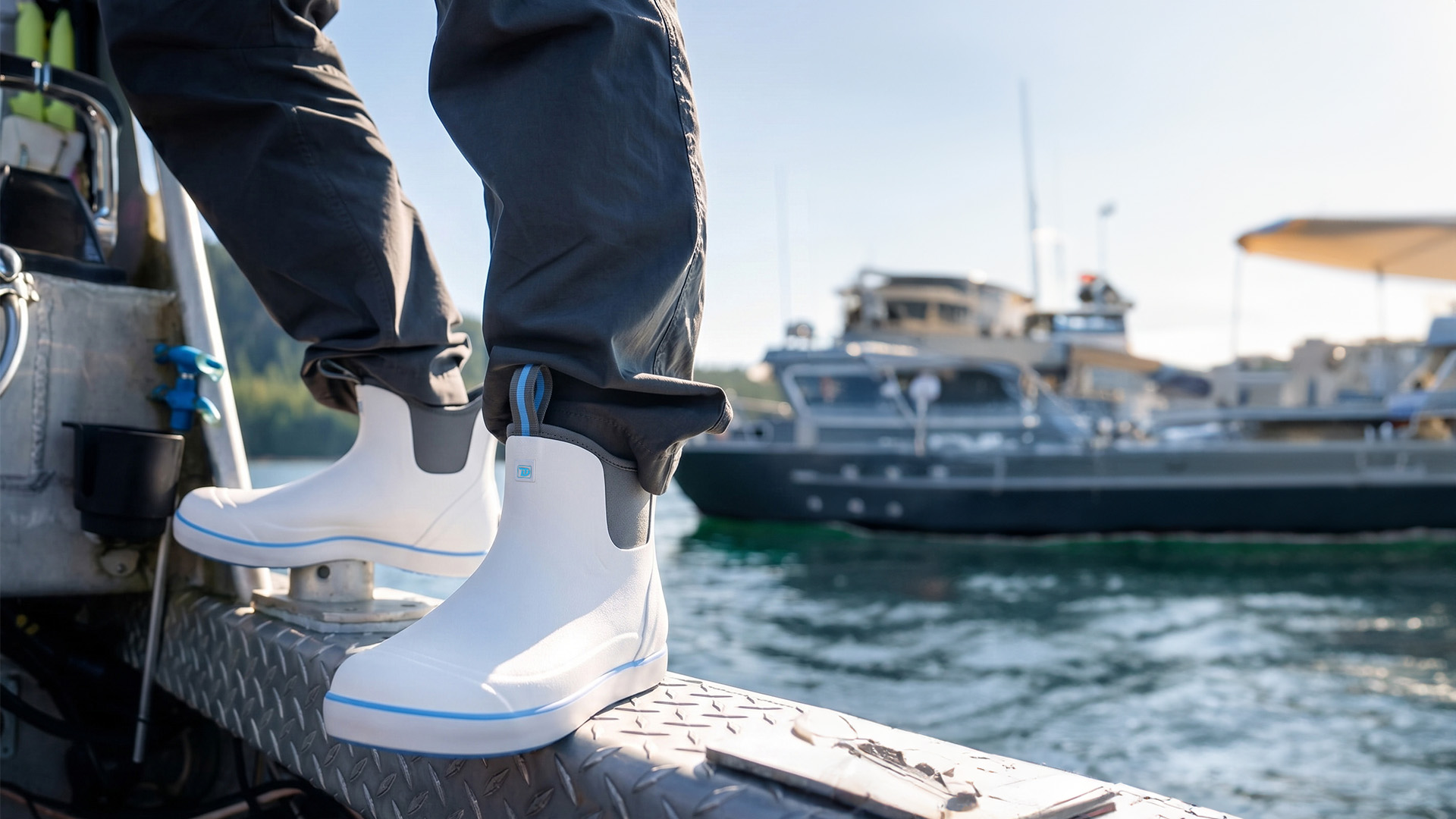
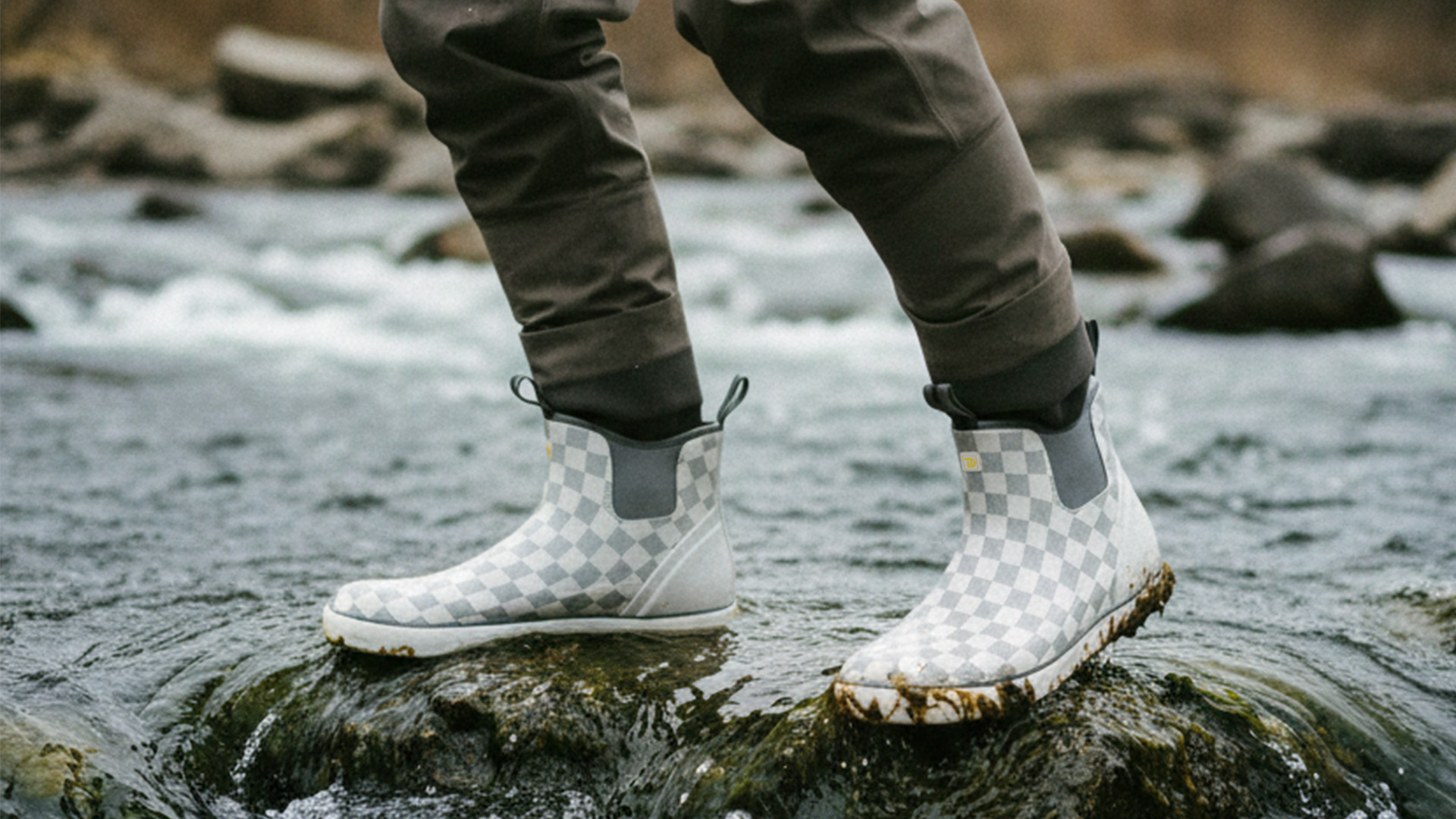
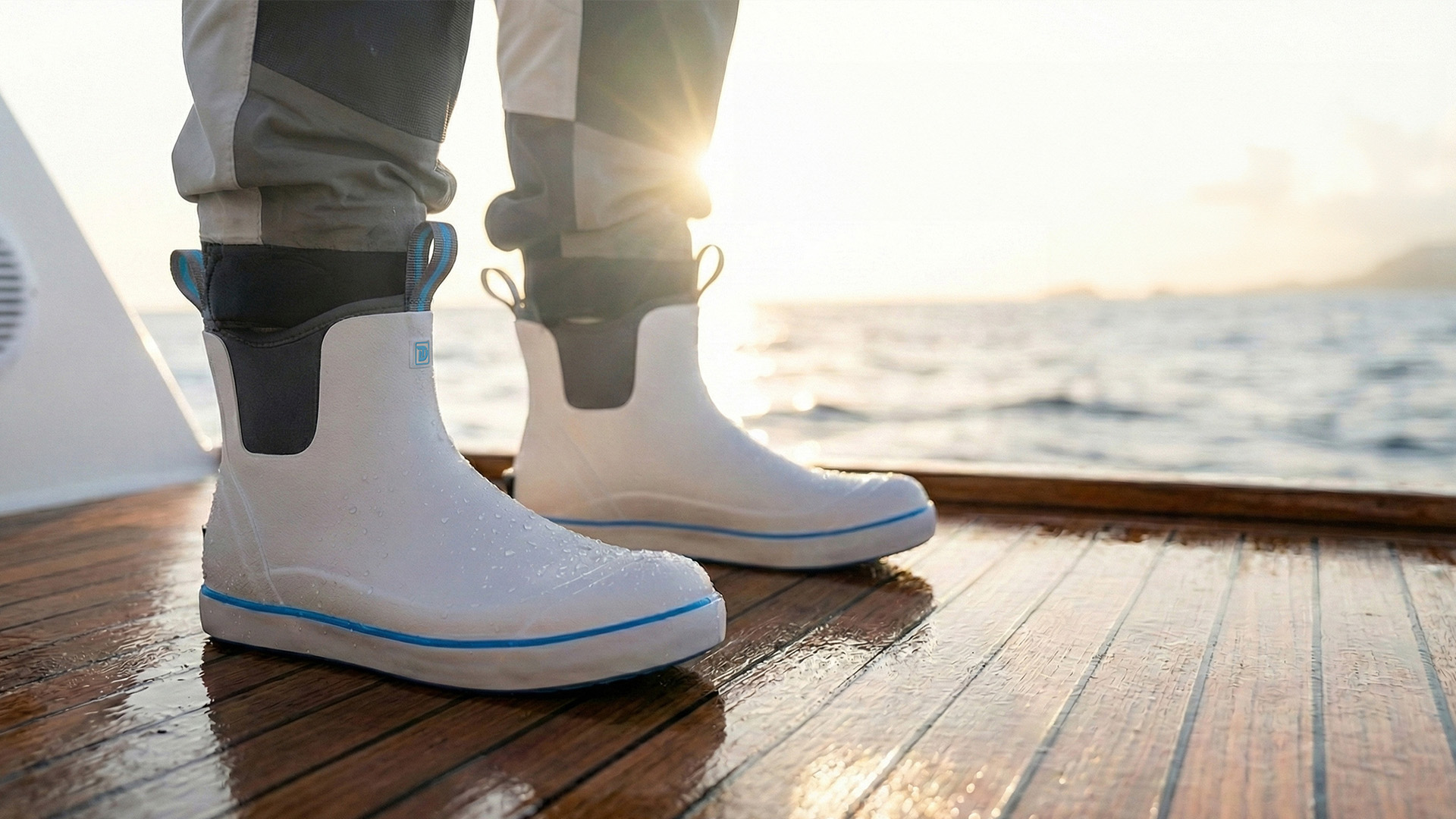
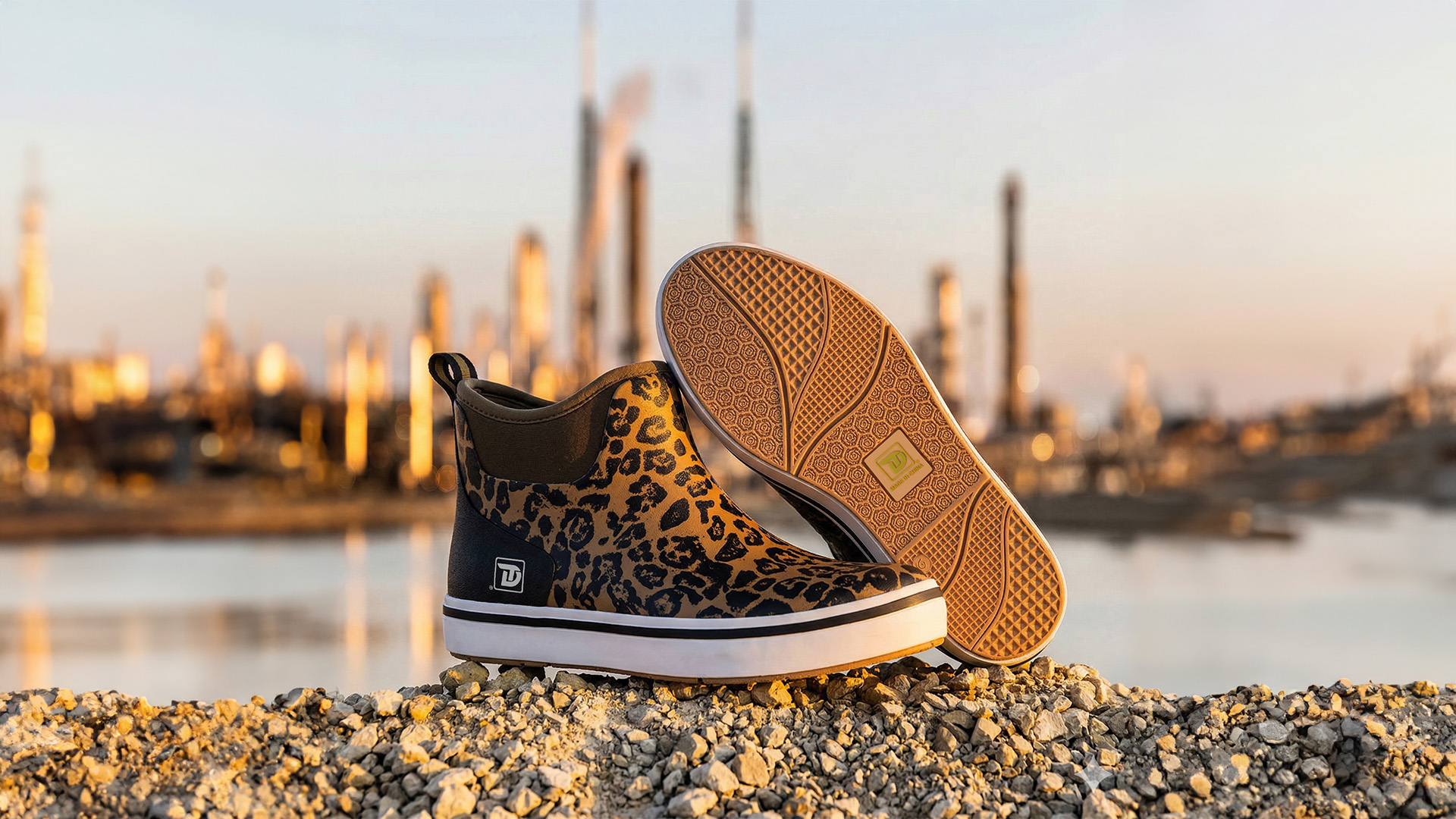
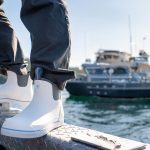
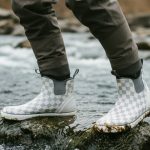
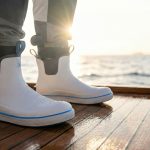
- Layering is Key: Cold-weather gear is essential when ice fishing. Layer with moisture-wicking base layers, insulated mid-layers, and waterproof outer layers to stay dry and warm. Don’t forget waterproof boots with a thermal lining.
- Accessories: Wear a warm hat, gloves (consider fingerless gloves for better dexterity), and insulated boots. A portable heater inside your shelter can help you stay comfortable.
3. Setting Up Your Ice Fishing Hole
Now that you have the right gear, it’s time to set up your fishing hole. Your location on the ice and how you approach the hole can significantly impact your success.
Choosing the Right Spot:
- Find Deep Areas: As mentioned earlier, fish tend to gravitate toward deeper parts of the lake during winter. Look for areas where the water is 10-20 feet deep, especially near structures like drop-offs or submerged vegetation.
- Use a Fish Finder: If possible, use a portable fish finder to locate fish beneath the ice. These devices help you determine water depth and find schools of fish.
- Avoid Crowded Areas: While some anglers like to fish in busy spots, fish often avoid noisy areas. If possible, choose a quieter location away from the crowded sections of the lake.
Drilling the Hole:
- Hole Placement: Drill several test holes in the area to find the most productive spot. Ideally, you’ll want a hole that’s about 8-10 inches in diameter, big enough to move your rod and reel, but small enough to conserve warmth around the hole.
- Ice Thickness: Always ensure the ice is thick enough to support your weight. A minimum of 4 inches of clear, solid ice is required for walking, while 6-8 inches is ideal for vehicles.
4. Choosing the Right Bait and Lures
Winter fish are more cautious and less likely to chase fast-moving baits. Your bait and lure choices should mimic the behavior of fish’s natural prey, offering subtle movements that attract attention without overwhelming them.
Live Bait:
- Minnows and Shiners: Live minnows are incredibly effective for ice fishing, especially when you’re targeting larger species like pike or walleye. Set up a tip-up rig to keep your live bait near the bottom, where predator fish tend to lurk.
- Waxworms and Maggots: These smaller baits are excellent for panfish like perch and crappie. They’re best used with small jigs or directly on the hook.
Artificial Lures:
- Jigs: Jigs are versatile lures that work well in winter fishing. Use them with soft plastic trailers or simply as standalone lures. Popular jig types include tungsten jigs, which are heavier and get to the bottom faster.
- Spoons: Metal spoons are effective in cold-water conditions, especially for targeting predatory fish. Use a slow, steady jigging motion to mimic the movement of struggling prey.
- Soft Plastics: Soft plastic baits like worms, grubs, and crawfish can also be effective. Use them in combination with jig heads for a more lifelike presentation.
Key Tip: In winter, slow and deliberate movements are key. Fish will respond to baits that resemble the slow-moving prey they naturally consume in cold water.
5. Ice Fishing Techniques: How to Catch More Fish
Now that you’ve set up and chosen your bait, it’s time to put your skills to the test. The following ice fishing techniques can help you land more fish during your winter fishing excursions:
Tip-Up Fishing:
- This technique involves setting up multiple lines in different areas, each with its own flag that rises when a fish bites. It’s ideal for catching larger species like pike or walleye. When a flag pops up, quickly reel in the line and set the hook.
Jigging:
- Jigging is the most common ice fishing technique and involves repeatedly lifting and lowering your lure in the water. Vary your jigging speed to see what works best, but aim for a slow, consistent motion that mimics the movement of a struggling fish.
- Key Tip: The “dead stick” technique involves allowing your bait to sit still at the bottom of the hole while you focus on other lines. This can be effective for attracting cautious fish.
Hole Watching:
- Stay close to your fishing hole to monitor activity. If you’re using a fish finder, keep an eye on it for any sudden movements or schools of fish. Adjust your bait or presentation if you notice a lot of fish near your hole.
6. Safety Tips for Ice Fishing
Ice fishing can be dangerous if not approached with caution. Always prioritize safety when you’re out on the ice.
- Check Ice Thickness: As a rule of thumb, the ice should be at least 4 inches thick to safely walk on, and 5-7 inches for snowmobiles or ATVs. For vehicles, you’ll need 8-12 inches.
- Bring Safety Gear: Always bring a throw rope, ice picks, and a life vest. If you’re fishing alone, let someone know your whereabouts and expected return time.
- Watch Weather Conditions: Pay attention to weather changes, as rapid warming can cause ice to weaken. Avoid fishing in thawing conditions, and check the ice regularly.
Conclusion: Mastering Ice Fishing
Ice fishing is both a challenging and rewarding experience that can provide some of the best catches of the year. With the right gear, techniques, and safety measures in place, you’ll be well on your way to becoming an expert ice angler. The winter months offer a unique opportunity to experience the quiet serenity of frozen lakes while reeling in some impressive catches. So, bundle up, drill that first hole, and let the ice fishing season begin!