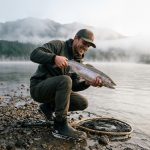
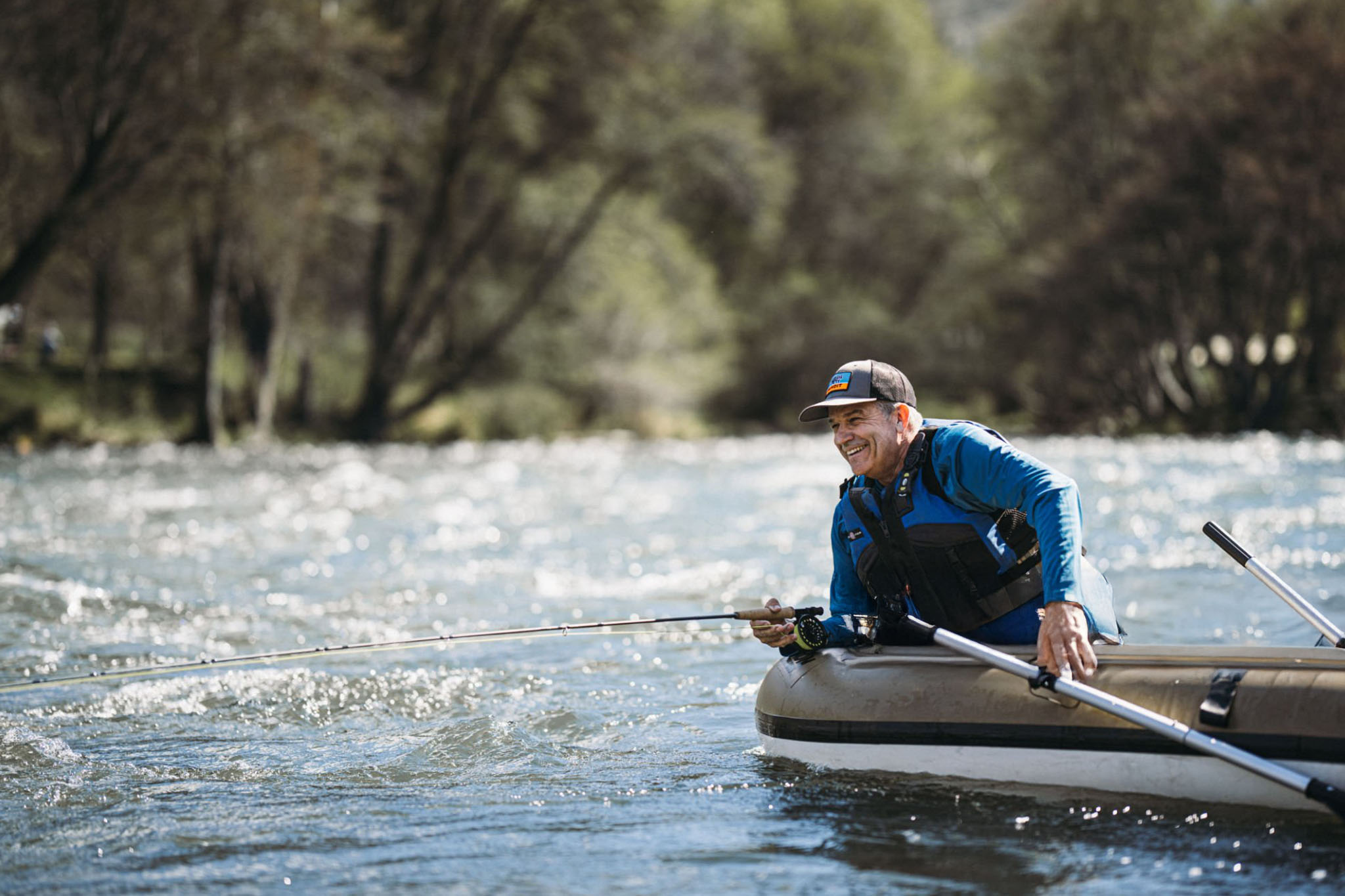
Winter fishing presents unique challenges, but with the right gear, it can be an incredibly rewarding experience. The cold temperatures and slower fish activity require anglers to adapt, both in terms of techniques and tackle. Whether you’re targeting trout in icy streams, bass in deep lakes, or even pike through the ice, having the right equipment can make all the difference.
In this article, we’ll dive into the essential gear you need for a successful winter fishing trip. From rods and reels to clothing and tackle, we’ve got everything you need to ensure you’re prepared for the season’s toughest conditions.
1. Winter-Specific Rod and Reel Setup
When fishing in the colder months, it’s essential to use a rod and reel combination that can handle the freezing conditions and slow-moving fish.
Rods:
- Material: Look for rods made of high-quality graphite or fiberglass. These materials are less likely to become brittle in the cold and provide good sensitivity for detecting subtle winter bites.
- Length: Winter fishing often involves fishing in deeper waters or slower currents, so a longer rod (7 to 9 feet) can help you cast farther and control your bait more easily, especially in deeper lakes or slow-moving rivers.
- Action: A medium or medium-light action rod is typically best for winter fishing. This provides the sensitivity needed for feeling bites and the power to handle larger fish without being too stiff.
Reels:
- Spinning Reels: In cold weather, a spinning reel is often the best choice. These reels tend to freeze less than baitcasters and are easier to use with lighter baits, which are effective in winter.
- Features to Look For: Choose a reel with a high-quality drag system, as winter fishing often involves targeting lethargic fish that require a delicate touch. A smooth drag helps you avoid breaking off during the fight. Make sure your reel has corrosion-resistant materials to withstand the saltwater or fresh water exposure.
Key Tip: To prevent line freezing, periodically check your reel’s spool and keep it clean from any ice or snow buildup. A thin coating of reel oil can help prevent freezing, too.
2. Cold-Weather Clothing: Stay Warm and Comfortable
Fishing in winter means battling the cold, so proper clothing is essential to staying comfortable and focused. Cold-weather fishing apparel is designed to wick moisture, provide insulation, and protect against the wind and chill.
Base Layers: Start with moisture-wicking base layers. Look for synthetic or merino wool materials that keep sweat away from your body, which is crucial in preventing cold chills. Avoid cotton, as it traps moisture and can leave you feeling damp and cold.
Mid-Layers: Insulating mid-layers like fleece or down jackets help retain your body heat. Choose materials that are lightweight but provide ample warmth.
Outer Layers: A waterproof and windproof outer layer, like a jacket or bibs, will keep you protected from rain, snow, or wind. A good winter jacket will also allow for proper range of motion, which is essential for reeling in fish or managing your tackle.
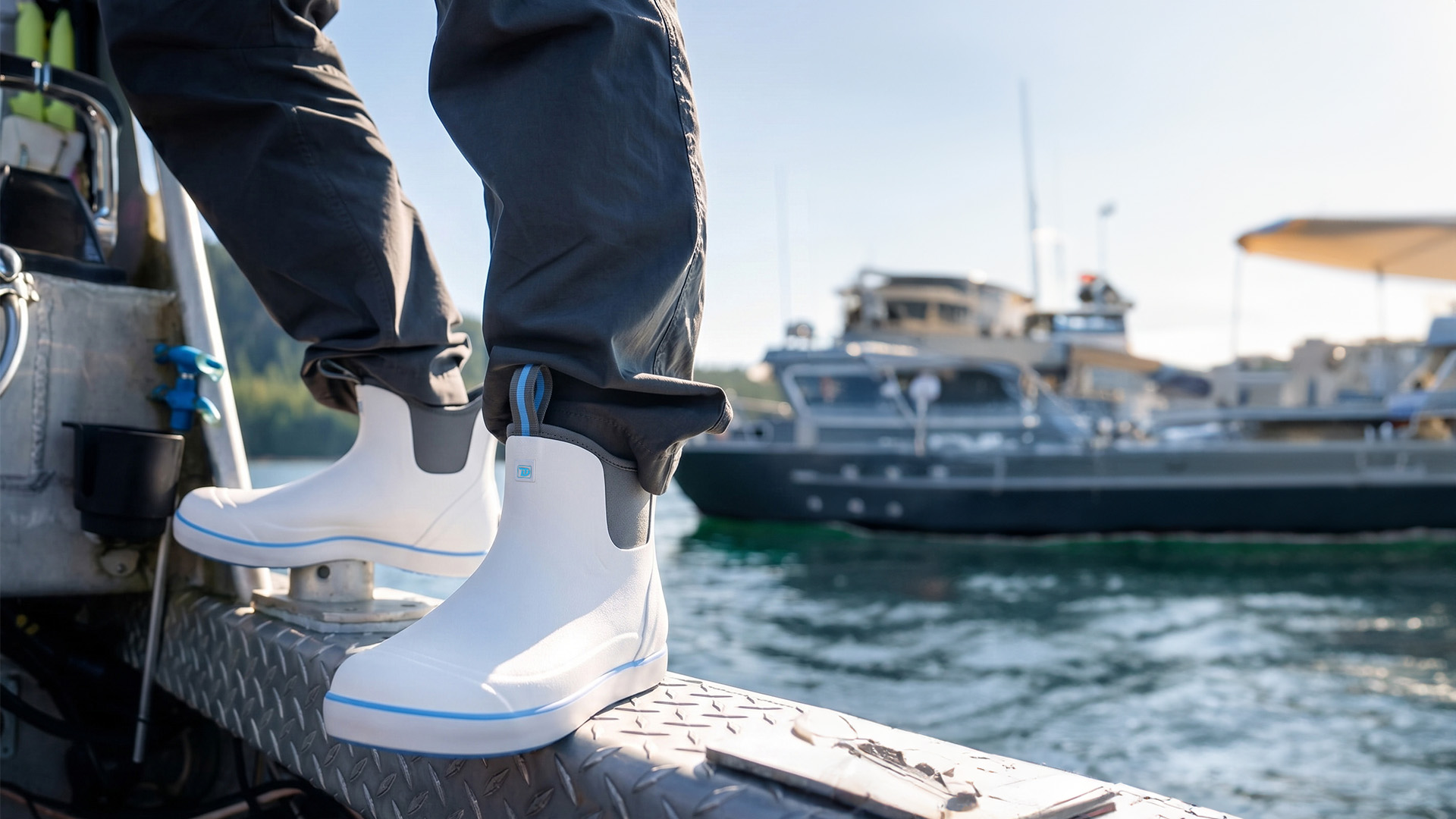
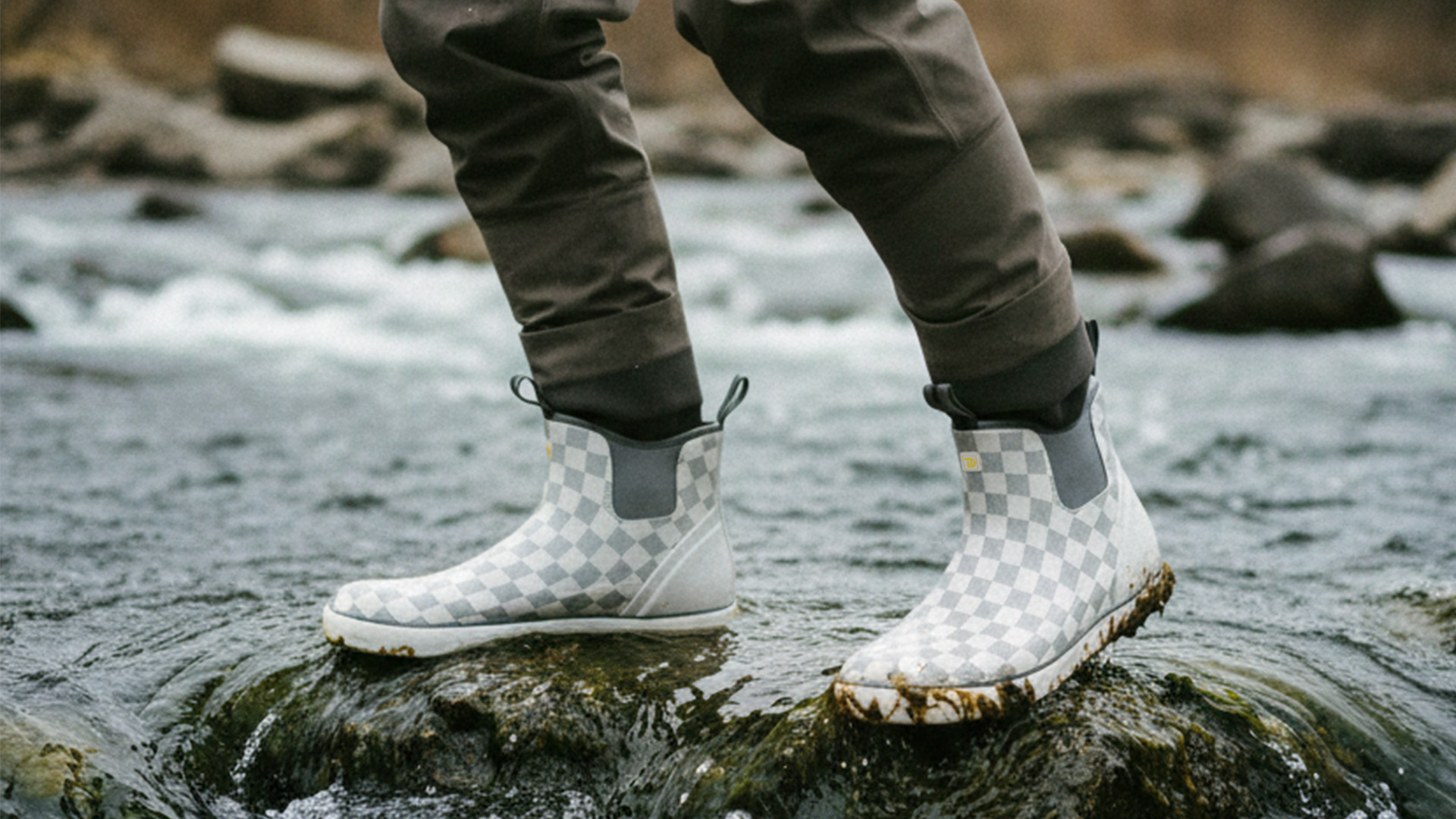
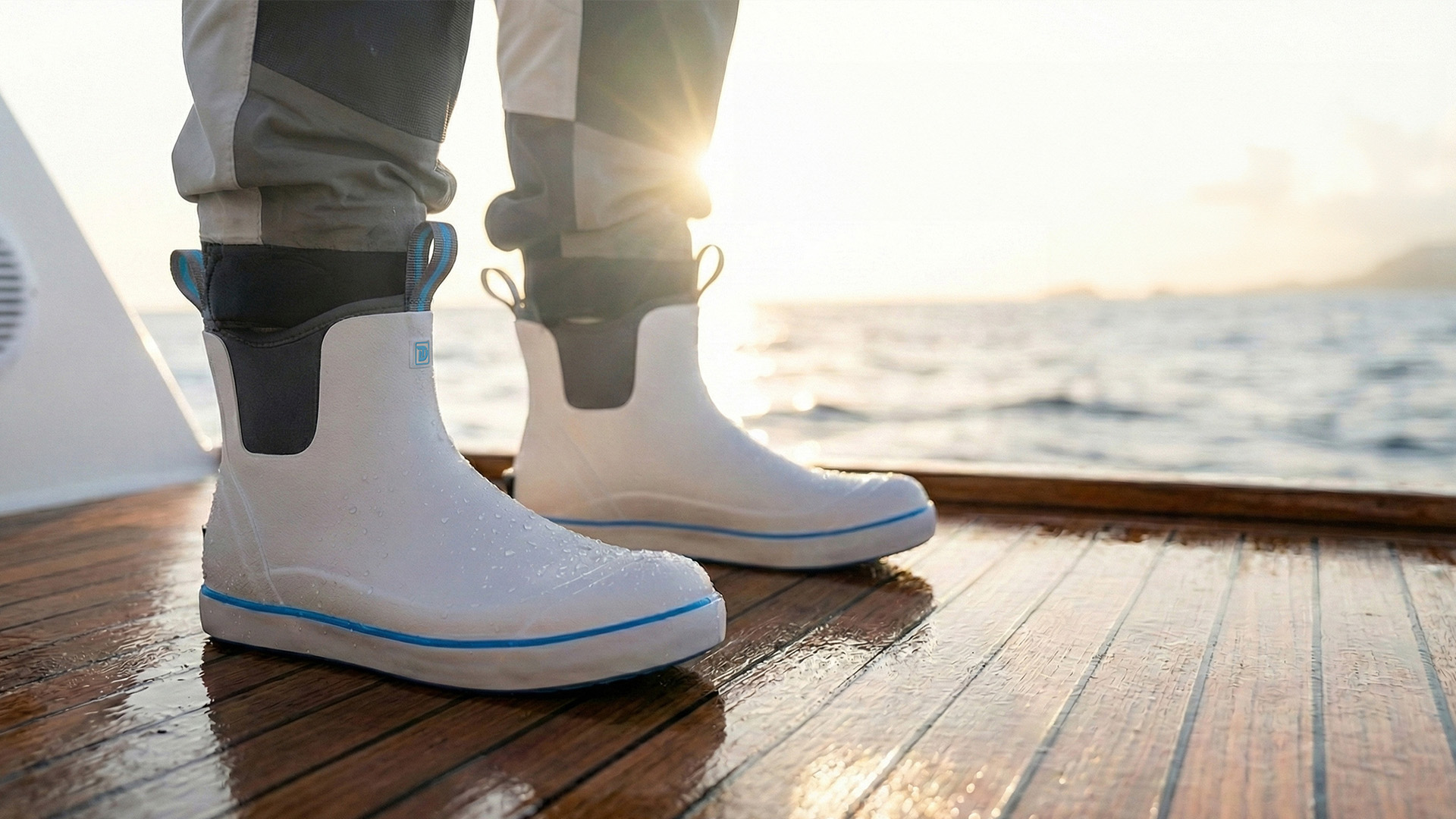
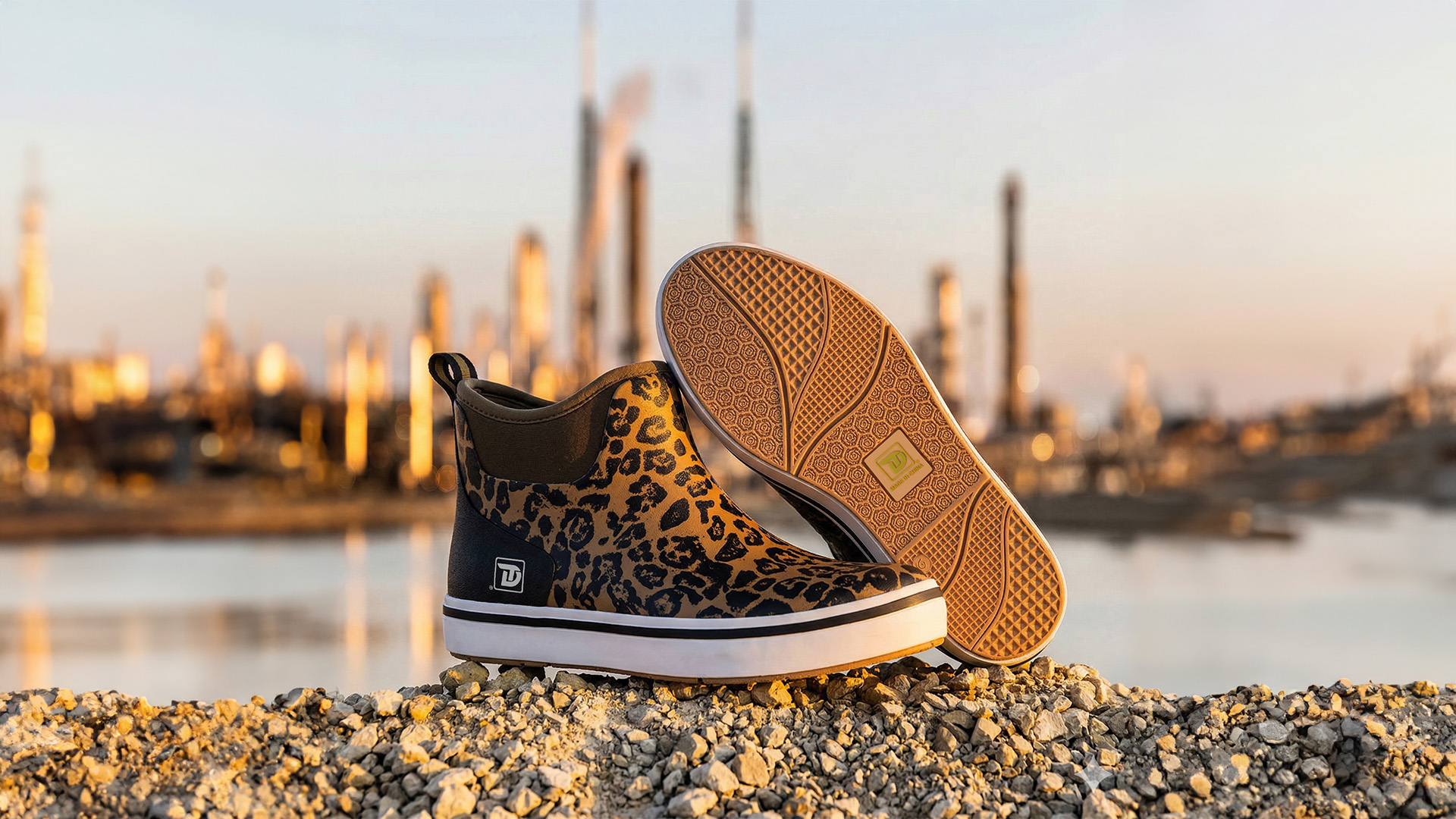
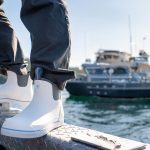
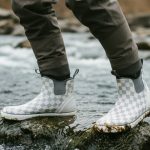
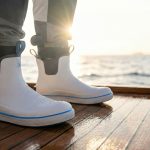
Footwear: Waterproof boots with insulation are crucial. Boots with thermal lining and rubber outsoles are ideal for cold, wet conditions. Be sure to wear moisture-wicking socks (preferably merino wool) to keep your feet dry and warm. Consider using hand and toe warmers for added comfort.
Gloves: Thin, waterproof gloves or fingerless gloves allow you to handle your tackle while keeping your hands warm. Consider bringing an extra pair of gloves in case the first pair gets wet.
3. Winter Fishing Line: Choosing the Right Gear for Cold Conditions
Fishing line plays an essential role in your winter fishing success, as cold water can affect the line’s performance.
Monofilament vs. Fluorocarbon:
- Monofilament: This is a good choice for general fishing in colder conditions because it stretches, which can absorb sudden jolts from fish. However, monofilament can lose its flexibility in freezing temperatures and is prone to memory issues, causing it to twist and tangle more easily.
- Fluorocarbon: Fluorocarbon is less visible underwater, making it a great choice for winter fishing when fish are more cautious. It is more durable in cold water and less prone to freezing. However, fluorocarbon tends to be stiffer than monofilament, which may affect the presentation of certain baits.
- Braid: Braided lines are extremely strong and durable, making them ideal for targeting larger fish. However, braid is susceptible to ice buildup in freezing conditions, so you may want to avoid using it in extremely cold weather unless you are using it as a leader with a monofilament or fluorocarbon main line.
Key Tip: Use a line with low memory and good sensitivity to help you detect those light winter bites. For best results, opt for lines with a test strength of 4 to 12 pounds, depending on the species you’re targeting.
4. Winter Fishing Tackle: Baits and Lures That Work in Cold Water
In cold water, fish are less likely to chase fast-moving baits. Winter fishing requires using baits and lures that mimic the slow movements of prey. Focus on using smaller, more subtle lures.
Lures and Baits:
- Jigs: Jigs are versatile and effective in cold water. Opt for small to medium-sized jigs with soft plastic trailers that mimic slow-moving baitfish. Tungsten jigs are ideal for deep-water fishing as they are compact and heavy, allowing you to reach the bottom faster.
- Spinnerbaits and Bladed Jigs: These lures are great for cold-water bass fishing. Their slow presentation can be very effective, and they work well in the lower, slower-moving water where fish often gather in winter.
- Soft Plastics: Winter fish are often lethargic, so using slow-moving soft plastics can be a good option. Try soft plastic worms, crawfish imitations, and grubs in natural colors like brown, green, or black.
- Live Bait: Winter fishing is also a great time to use live bait such as minnows or worms. Live bait is often more attractive to lethargic fish since it mimics the movement of natural prey.
Key Tip: Coldwater fish are less likely to chase fast-moving lures. Use slower retrieves, and try dead drifting your lures along the bottom for a more natural presentation.
5. Additional Winter Fishing Essentials
- Ice Fishing Gear (for Frozen Waters): If you’re fishing on a frozen lake, you’ll need specialized ice fishing gear such as an auger, ice fishing rod, and ice-specific reels. Ice shelters and heaters are also great investments for comfort and warmth while you wait for the bite.
- Fish Finders and Electronics: A portable fish finder can help you locate fish more easily in winter, especially when fishing deep waters. Fish tend to gather in specific zones during cold weather, so using a fish finder to pinpoint these areas can save you time and improve your chances of success.
- Tackle Box Organization: With winter conditions, it’s important to keep your tackle box organized. Choose a waterproof tackle box with compartments to separate different lures and baits, ensuring your gear remains dry and easy to access during the fishing trip.
Conclusion: Ready for Winter Fishing
Winter fishing is a unique and rewarding challenge, but with the right gear, you can fish comfortably and successfully even in the coldest months. From rods and reels to clothing, lines, and lures, having the proper equipment ensures that you’re prepared for whatever the winter season throws at you. Remember to adjust your fishing techniques to the colder temperatures, slow down your presentation, and use the best winter gear to stay comfortable on the water.