
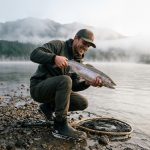
Winter fishing presents a unique set of challenges and opportunities, especially when it comes to targeting trout. As temperatures drop and water cools, trout behavior changes significantly, and understanding these shifts is key to improving your winter fishing success. Unlike the warmer months when trout are active and aggressive, cold water can cause them to become lethargic and hard to catch. However, with the right techniques and an understanding of how water temperature impacts trout, anglers can still enjoy productive days on the water during the colder months.
In this article, we’ll explore how water temperature influences trout behavior during winter and provide tips on how to fish effectively in these cold conditions.
1. Water Temperature and Trout Metabolism
Trout, being cold-blooded creatures, rely heavily on the surrounding water temperature to regulate their body functions. In the winter months, as the water temperature drops, trout’s metabolism slows down considerably. This means they become less active, spending much of their time in deeper, slower-moving water where they can conserve energy.
In general, trout are most active in water temperatures between 50°F to 65°F (10°C to 18°C). Below this range, their metabolic rate drops, making them much less inclined to chase fast-moving baits or lures. When the water temperature dips into the 40°F (4-5°C) range, trout slow down even further, often moving to deeper, more stable parts of the water column where the temperature is more consistent.
Key Takeaway: Understanding that trout’s metabolism slows in cold water means you need to adjust your fishing techniques accordingly. This often means a slower, more methodical approach and an understanding that trout may be less willing to chase after baits.
2. Cold Water Behavior: Where to Find Trout
In winter, trout tend to seek out areas of water that offer the most stable and comfortable conditions. This usually means deeper, slower-moving sections of a river, lake, or stream. Unlike in the warmer months, when trout are found in a variety of habitats, winter trout often concentrate in specific areas that offer the best chances for survival.
Some prime spots to target winter trout include:
- Deep Pools: Cold-water trout seek deep pools where water temperatures remain more consistent. These areas offer trout shelter from the cold and provide a reliable food source. Trout can often be found near the bottom of these pools, so be sure to fish at various depths.
- Slow-Moving Water: In winter, trout will gravitate to slower, deeper currents where they don’t have to expend as much energy swimming. Look for eddies, back eddies, and slack water areas behind rocks or submerged structures.
- Mouths of Tributaries: Coldwater entering from a tributary or spring can slightly warm up the surrounding area, attracting trout to these spots. The warmer water temperature will often cause trout to be more active in these areas than in other parts of the stream.
- Underwater Structures: Trout will often seek shelter in areas with submerged rocks, fallen trees, and other structures that can offer cover. These areas also tend to have more oxygenated water, which is crucial for trout survival in colder months.
3. The Role of Oxygen in Winter Trout Behavior
While water temperature is a primary factor, oxygen levels also play a significant role in trout behavior during the winter. In cold water, oxygen solubility increases, meaning that the oxygen content in the water is usually higher. Trout thrive in oxygen-rich environments, which is why they are often found in faster-moving water during the winter months, especially near riffles or areas with increased turbulence.
In slow-moving water, oxygen levels can drop, so trout may be found near the top of the water column or in areas where currents meet, bringing in fresh oxygenated water.
Key Tip: When fishing for winter trout, target areas with good water circulation or oxygenated water to increase your chances of success.
4. How to Adjust Your Fishing Techniques for Cold Water
Since trout become much less active in colder waters, your fishing techniques need to be tailored to these sluggish conditions. Here are some essential tips to improve your chances of catching trout during the winter months:
- Slow Down Your Presentation: In cold water, trout won’t chase after fast-moving lures or baits. You need to slow down your presentation to make your bait appear as an easy target. Focus on using finesse techniques like slow retrieves, bottom bouncing, and even dead drifting to imitate natural prey that is moving slowly or lethargically.
- Use Smaller, Subtle Baits: In cold conditions, trout are more likely to go after smaller baits that resemble their natural food sources. Opt for smaller minnows, nymphs, worms, or small streamers that move slowly or sit still on the bottom. Natural colors like browns, greens, and blacks tend to work well, as they mimic the look of many wintertime prey species.
- Focus on the Bottom: Since trout tend to stay in the deeper parts of the water column in winter, concentrate your efforts on fishing near the bottom. Use weighted rigs, like a split-shot rig or a bottom-bouncing nymph, to get your bait in front of trout as they remain close to the riverbed or lake bottom.
- Fish During Peak Activity Times: Trout are more likely to be active during the warmest part of the day, typically from mid-morning to early afternoon. During this time, the sun’s rays can slightly warm the water, encouraging trout to move and feed more aggressively. If you fish during the coldest hours of the morning or evening, your chances of success may decrease.
5. Fishing Tips for Specific Trout Species
Different species of trout will behave differently in cold water, and knowing how to fish for each species can make all the difference:
- Rainbow Trout: Often found in deeper pools, rainbow trout are more tolerant of colder temperatures than other species. They can be found in both lakes and rivers, and they tend to hold near the bottom or in deeper areas during the winter months. Use slow, methodical retrieves with small minnows or worms for best results.
- Brown Trout: Brown trout are more opportunistic feeders, and they tend to be active even in cold water. They will frequently feed during the warmer parts of the day and are likely to be found in slower-moving pools. Focus on using smaller presentations that resemble minnows or nymphs.
- Brook Trout: Found in smaller, colder streams, brook trout are more sensitive to temperature changes. They tend to move to deeper pools or areas near the mouths of tributaries during winter. Dead drifting a small nymph or soft plastic bait is often the best technique for catching them.
6. Conclusion: Patience is Key in Winter Trout Fishing
Winter trout fishing is not for the faint of heart, but with the right knowledge and techniques, it can be incredibly rewarding. Understanding how water temperature affects trout behavior is crucial to success in cold weather. Slow down your presentation, target deeper, slower-moving waters, and be patient as you wait for those subtle bites. By adjusting your techniques to the cold water conditions, you can land some truly impressive trout during the winter months.
Remember: In winter, patience is key. Trout are lethargic and picky, but with a well-thought-out strategy and a little perseverance, you’ll be well on your way to making the most of the fishing season.