

Winter bass fishing can be a challenging yet rewarding experience for anglers. As temperatures drop, bass behavior changes significantly, requiring anglers to adapt their techniques and strategies. Understanding how bass react to colder waters and tailoring your approach to these shifts can lead to some of the best fishing days of the year. In this article, we’ll explore the best strategies for catching bass during the cold-weather months, providing you with the insights you need to make the most of your winter fishing trips.
Understanding Winter Bass Behavior
During winter, bass slow down significantly due to the drop in water temperature. As cold-blooded creatures, their metabolic rate decreases, meaning they become less active. Bass tend to congregate in deeper, more stable parts of the lake where the water temperature is more consistent. This often means they will be found in the deepest sections of the lake or near underwater structures like drop-offs, ledges, and submerged points.
Bass are also less likely to chase fast-moving lures, so slow presentations become more effective. In the cold water, bass will only strike if the bait appears easy to catch, mimicking their natural prey in a lethargic state. To succeed in winter bass fishing, patience and precision are crucial.
1. Focus on Deep Water
Bass are known to retreat to deeper waters as temperatures dip, where they can maintain more stable conditions. The best places to find winter bass are typically 10 to 20 feet deep, depending on the lake and water clarity. Look for areas near the thermocline, where the water temperature is slightly higher, or near structures like deep points, drop-offs, and submerged rock piles.
For most anglers, fishing in these deeper areas requires specialized equipment like fish finders or depth finders to locate the fish. Once you find the right depth, focus on presenting your lures slowly to entice strikes from the sluggish bass.
2. Slow Down Your Presentation
One of the most important changes in approach when fishing for bass in winter is slowing down your presentation. Fast-moving lures simply won’t get the attention of cold, lethargic bass. Instead, focus on using lures that mimic slow-moving prey like crawfish or shad. Popular winter lures include:
- Jigs: A slow-rolled jig is an excellent option for winter bass. Choose jigs that are heavy enough to sink to the bottom but light enough to allow a slow, methodical retrieval. Crawfish or creature-style jigs are often the most effective in colder months.
- Slow-Retrieving Crankbaits: Use deeper-diving crankbaits that stay near the bottom, where bass are likely to be. These baits should move slowly, bouncing off rocks and structures to trigger strikes.
- Soft Plastics: Worms, shad, and crawfish imitations work well in winter, especially when rigged on a drop shot or Texas rig. Work these baits slowly across the bottom to simulate a distressed baitfish.
- Swimbaits: While bass in cold water aren’t likely to chase fast-moving swimbaits, slow-rolling them with a subtle twitch can attract the attention of nearby fish.
Remember, winter bass fishing often means long periods of inactivity, so don’t rush your presentation. Give each cast time to settle before slowly reeling in your lure with minimal movement.
3. Fish During the Warmest Part of the Day
Bass are less active during the colder mornings and late evenings, so timing is key. The warmest part of the day—usually from noon to mid-afternoon—offers the best chances for bass activity. During this time, the water has warmed up a few degrees, making bass slightly more active and more likely to feed.
It’s not just the air temperature that matters, but also the water temperature. A slight rise in water temperature can trigger bass to become more active, leading to an increased likelihood of strikes. If you’re fishing in a lake with a shallow basin or a lot of sun exposure, you may even notice a rise in temperature of a few degrees, which can make a big difference in bass behavior.
4. Pay Attention to Weather and Water Conditions
Weather and water conditions have a significant impact on bass behavior. The best time to fish is typically before or after a cold front. When a cold front approaches, bass tend to move to deeper waters and become less active. However, after the front has passed, they often return to shallower waters and become more aggressive. Watch for signs of a front moving in, and plan your fishing trips accordingly.
Water clarity is another important factor to consider. In cold water, bass rely more on their sense of vibration and less on sight, so using lures that create more movement or vibration, such as spinnerbaits or chatterbaits, can help increase your chances of success.
5. Use Technology to Your Advantage
Winter bass fishing can be made much easier with the use of modern fishing technology. Fish finders and sonar systems are incredibly helpful in locating bass in deep, cold water. Look for temperature changes in the water, as well as underwater structures that can serve as hiding spots for bass. Additionally, down imaging and side scanning technologies can provide a clear view of the underwater terrain, helping you find bass more efficiently.
6. Dress for Success
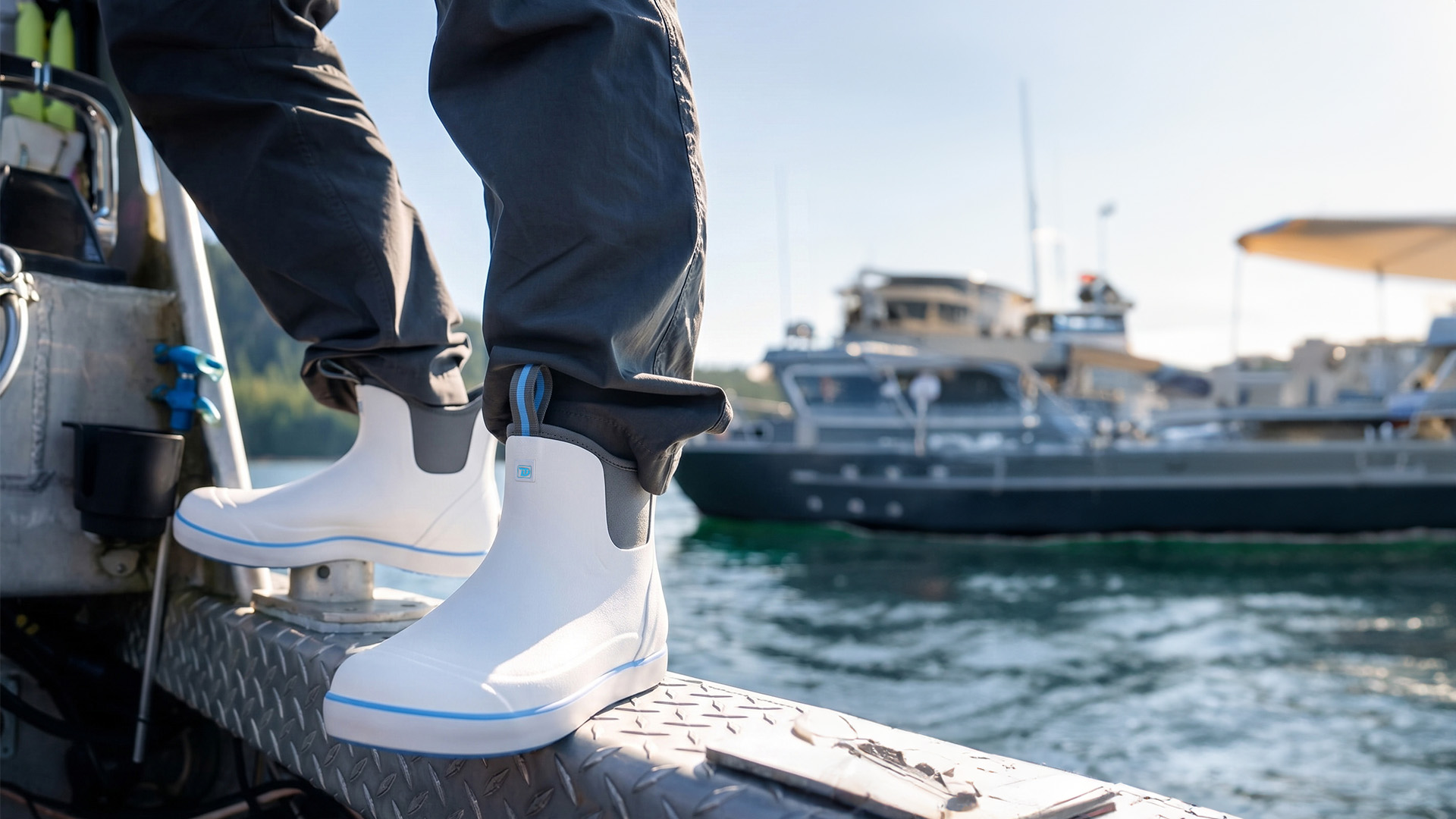
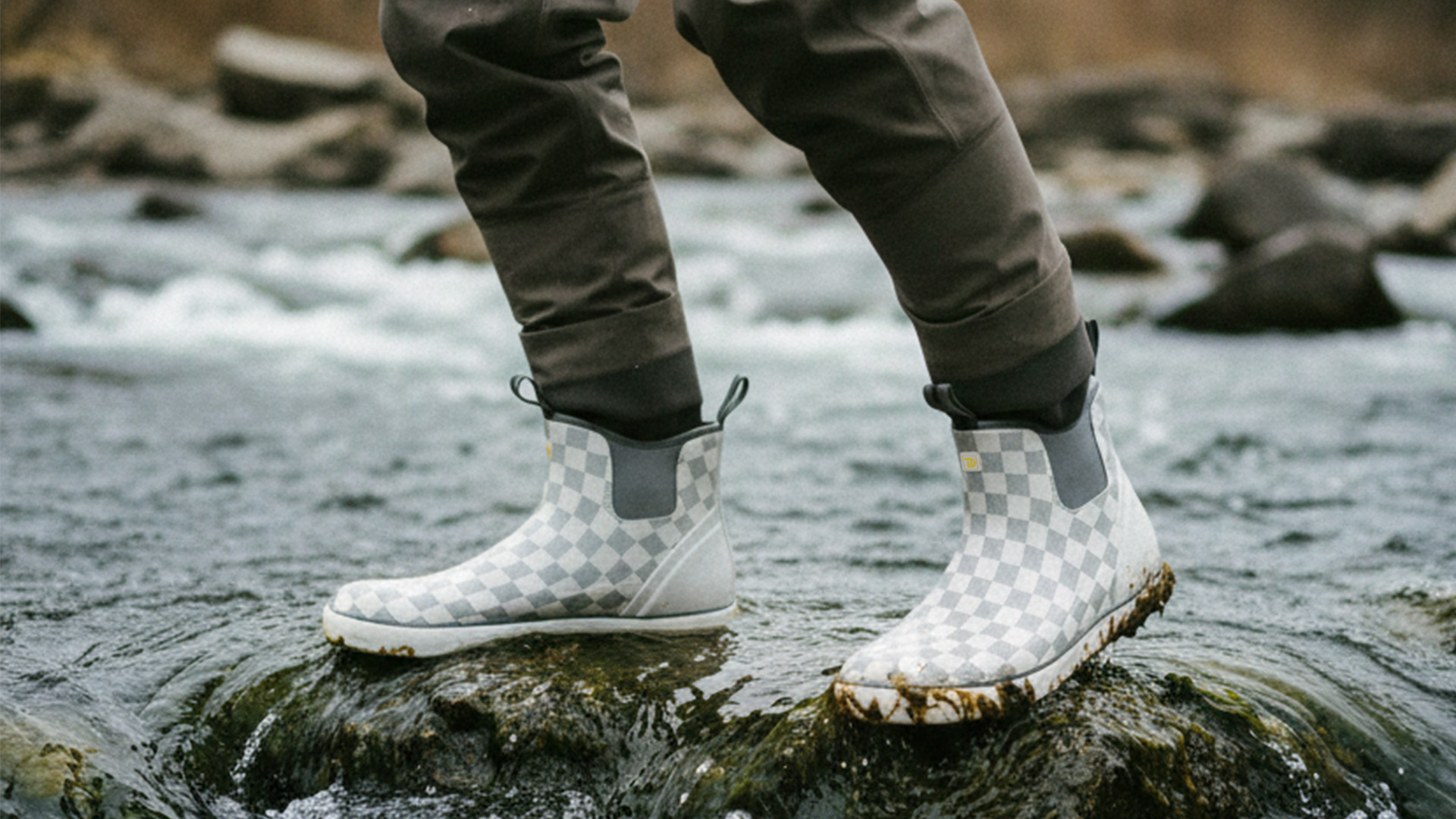
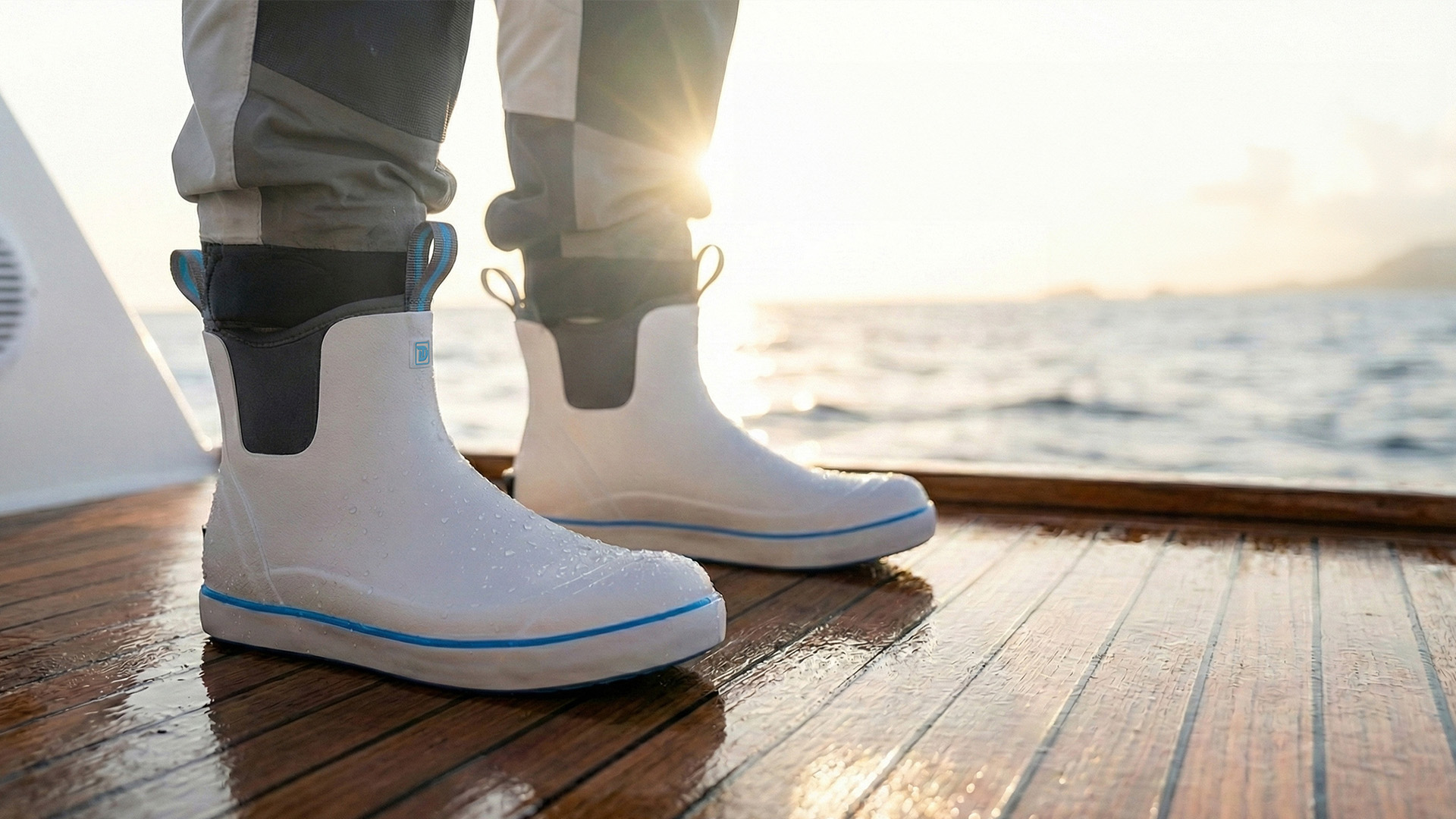
Fishing in cold weather requires more preparation than simply choosing the right bait. Dressing in layers and wearing waterproof gear will ensure that you’re comfortable while waiting for bites. Make sure to wear insulated gloves that allow for good dexterity when handling your gear and tying knots. A good pair of boots, thermal socks, and a warm jacket will make all the difference in keeping you comfortable during a long day on the water.
7. Fish Shallow During Mild Winters
On days with unusually mild winter weather, bass may be more willing to venture closer to shore. Pay attention to any warm-water discharges, which are often found near dams, power plants, or other structures that release warmer water. These areas can attract bass looking for slightly warmer water and more food.
Conclusion
Winter bass fishing requires a combination of patience, strategy, and understanding of bass behavior in cold conditions. By focusing on deep water, slowing your presentation, and timing your trips during the warmest part of the day, you can increase your chances of success. Be sure to pay attention to weather conditions, use modern fishing technology to your advantage, and dress appropriately for the cold. With the right approach, winter bass fishing can be just as productive and rewarding as any other season. Stay persistent, and you’ll be well on your way to landing the big one!