


There’s something magical about a glassy lake at sunrise — the air crisp, the reflection flawless, and the silence almost sacred. But for many anglers, these calm, mirror-like conditions can be among the most challenging to fish. Without wind to break the surface or stir up baitfish, bass and other species often grow cautious, and bites slow to a crawl. Still water demands subtlety, precision, and patience.
In this guide, we’ll dive deep into the secrets of still-water fishing — how to read calm conditions, what tactics to deploy, and why slowing down can actually help you catch more when the lake turns to glass.
Understanding the Challenge of Calm Conditions
When the wind dies, the entire aquatic ecosystem changes. Surface ripples disappear, meaning baitfish have nowhere to hide from predators — and bass know it. They become skittish, hugging structure, shade, or deeper water where they feel more secure.
Calm water also means increased light penetration. With sunlight cutting through to deeper depths, fish see your lures — and you — far more clearly. It’s like trying to sneak up on a deer in an open field. Every splash, shadow, or unnatural movement can send bass scattering.
To succeed, anglers must think stealth-first: quiet entries, natural presentations, and a deeper understanding of how fish respond to ultra-clear, still conditions.
Stealth is Everything: Approach and Presentation
When fishing calm water, sound and movement travel farther. Even small disturbances can spook nearby fish. Here’s how to stay invisible:
- Ease In: Use a paddle, trolling motor at low speed, or simply drift into your fishing zone. Slamming lids or heavy footsteps on an aluminum boat can kill your chances instantly.
- Stay Low: If you’re fishing from a boat, sit or crouch to minimize your profile. Bass in calm, clear water can see silhouettes above the surface.
- Long Casts Win: Distance gives your bait time to settle naturally without alerting fish to your presence. Use lighter line and longer rods to increase casting range.
Downsizing Your Tackle for Maximum Finesse
When the lake turns to glass, heavy gear and flashy baits can work against you. The key is finesse — the art of subtlety.
- Line: Switch to fluorocarbon or light monofilament (6–10 lb test). Fluorocarbon is nearly invisible underwater and helps with light bites.
- Lures:
- Soft Plastics: Try wacky-rigged Senkos, drop shot worms, or small tubes. Let them fall naturally with minimal action.
- Topwater: In the early morning or late evening, use small poppers or walking baits with long pauses between twitches.
- Natural Colors: Stick with greens, browns, and translucent patterns that blend into the environment.
- Weightless Rigs: The slower the fall, the better. Subtle movement is your best weapon.
Timing the Bite: Early, Late, or in the Shadows
Fish may be less active under bright, calm midday conditions, but there are prime windows when they feed with confidence:
- Early Morning: Just before sunrise, fish move shallower to feed under low light. This is your best chance for topwater action.
- Late Evening: As the sun dips, temperatures drop and visibility decreases, giving fish renewed comfort to move and strike.
- Shade & Structure: During midday, focus on shaded banks, docks, or submerged vegetation. Bass often stack in these cooler, darker zones.
If your lake has any inflow or spring, that slight current can also hold active fish when the rest of the water feels lifeless.
Reading the Water: Subtle Clues in Still Conditions
Even on a windless day, the lake tells a story. Look for:
- Surface Flickers: Tiny ripples can reveal baitfish schools just under the surface.
- Color Changes: Subtle shifts in water hue may mark depth transitions or vegetation lines.
- Insect Activity: When calm, bugs land and hover over the surface — a buffet for panfish and topwater-feeding bass.
- Thermal Pockets: If the morning is cold, the sunlit side of the lake warms first, often drawing bait and bass with it.
Learning to recognize these micro-patterns helps you stay one step ahead, even when the surface looks motionless.
Boat or Bank: Both Have Their Edge
- From the Bank: You can often get closer to shallow fish undetected. Cast parallel to the shoreline to keep your lure in the strike zone longer.
- From a Boat or Kayak: Position yourself to cast toward deep structure or isolated cover — humps, brush piles, or submerged timber. Use your electronics sparingly; the ping from sonar can sometimes deter wary fish in shallow, calm water.
Patience and Precision: The Calm-Water Mindset
Still-water fishing isn’t about speed. It’s a slow dance. You’re not trying to cover miles of shoreline — you’re dissecting one piece of structure at a time, casting methodically and watching every line twitch.
When the bite comes, it might not be a thump — it could just be added tension or your line drifting sideways. Set the hook gently but quickly. Cold, still water means light bites, but the fish you connect with will often be quality.
Comfort and Focus: Gear for Calm Conditions
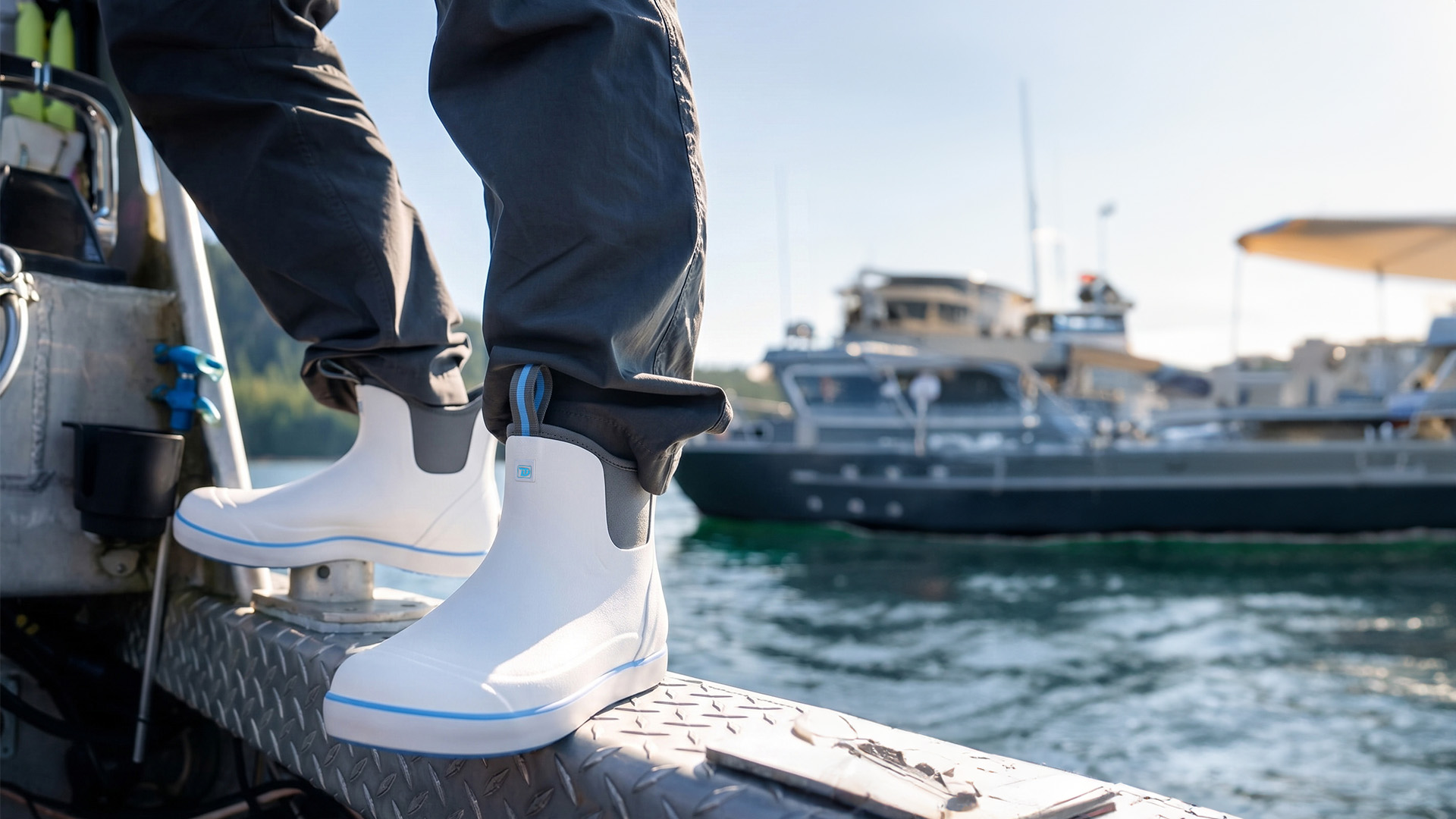
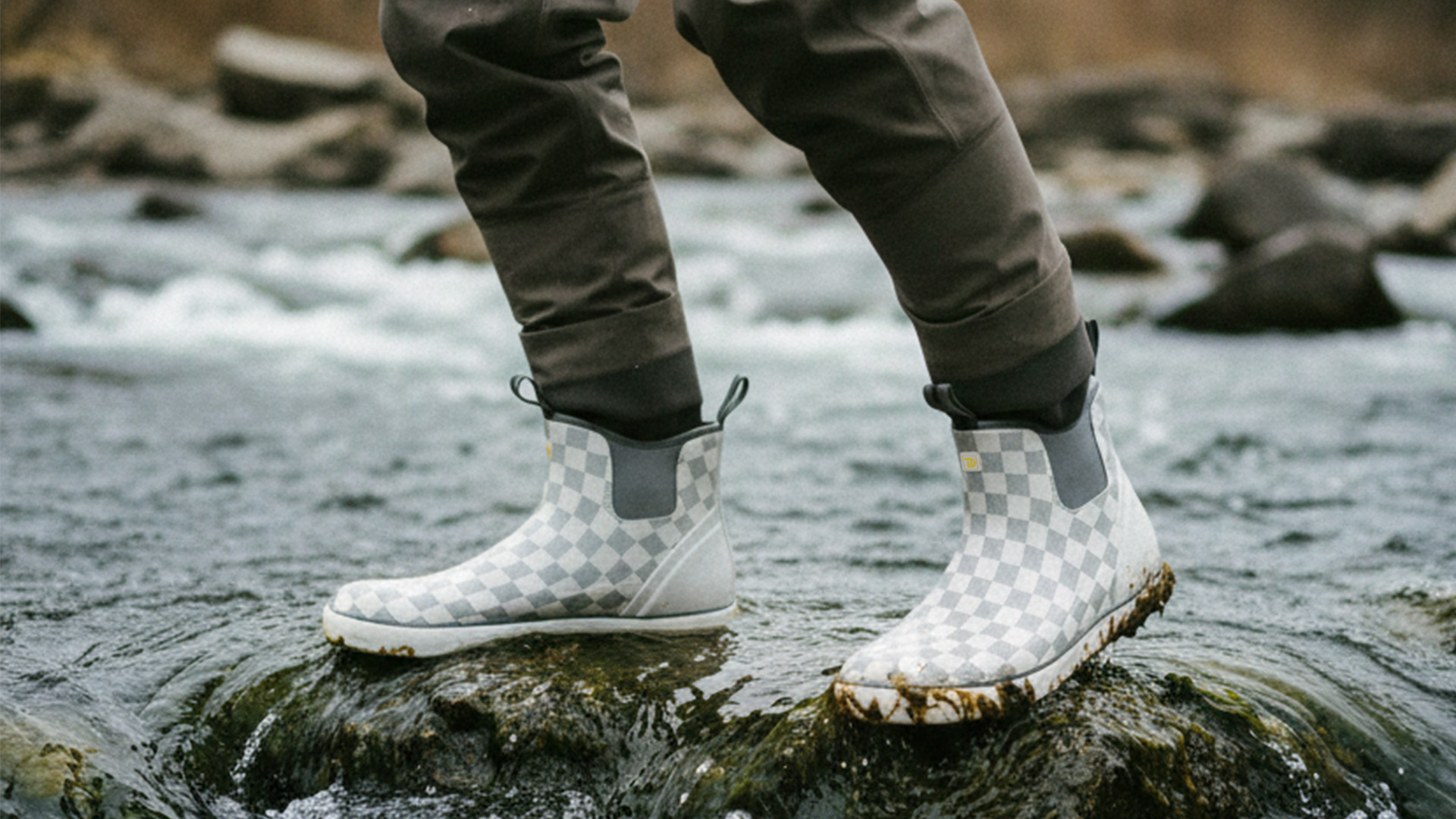
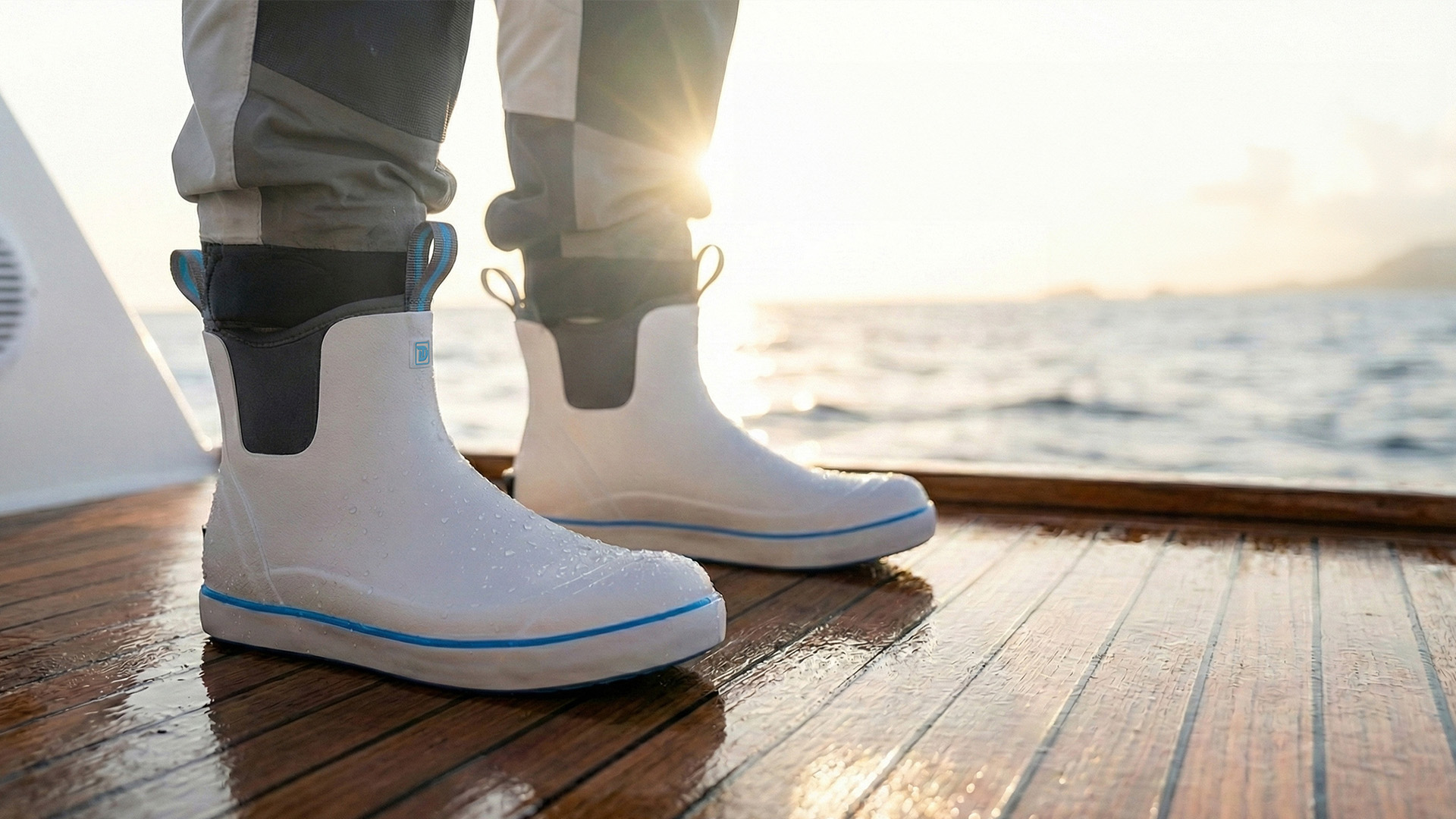
If you’re out in early morning chill, dress smart. The stillness often comes with heavy fog and cool air, so waterproof boots like Trudave deck boots and a thermal outer layer keep you comfortable and focused. Quiet gear is also key — avoid clothing that rustles or snaps with movement.
Keep your tackle simple: a few confidence baits, polarized sunglasses to cut glare, and a landing net. Calm water gives no margin for error when a trophy bass takes your bait.
The Still-Water Advantage
While most anglers wait for wind or cloud cover to “turn on” the bite, seasoned fishermen know that glassy conditions offer something special — control. You can see the subtle shifts, observe baitfish behavior, and fine-tune your presentation to perfection.
Still water reveals a lake’s truth. Every movement matters. Every cast teaches. And when that mirror-smooth surface suddenly erupts with a strike, it’s not just another fish — it’s a reward for patience, precision, and quiet mastery.