
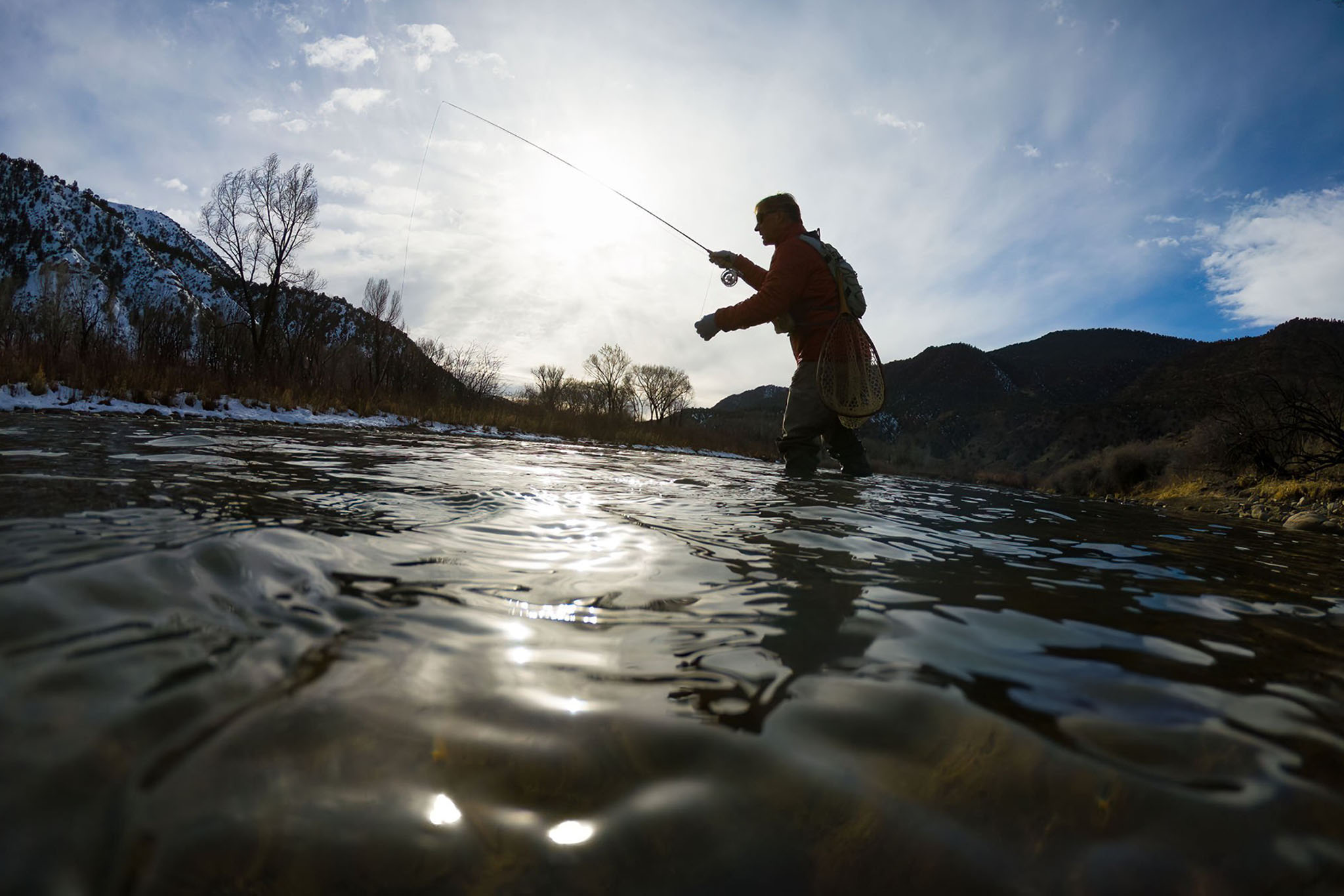
When the crisp bite of autumn air rolls across the lake and the first frost settles on the boat deck, many anglers pack up for the season. But for those who know how to read the water and understand the seasonal shift, late fall can be the window for landing trophy-sized bass. The cooling temperatures bring change — not just in the weather, but in bass behavior, forage patterns, and the entire ecosystem. This is the time to slow down, think deeper, and chase the chill.
Understanding the Late-Fall Transition
As water temperatures drop into the low 50s and eventually the 40s, bass metabolism slows. They’re no longer in the aggressive feeding frenzy of early fall, yet they still need calories to carry them through the coming winter. This creates a unique dynamic: fewer bites overall, but the ones you get are often from mature, heavyweight fish preparing for the cold.
In most regions, late-fall bass migrate from shallow feeding areas toward deeper, more stable zones. Secondary points, steep drop-offs, channel bends, and submerged structures become their preferred haunts. Wind direction plays a massive role here — wind-blown points can corral baitfish, creating ambush zones for opportunistic bass.
Follow the Forage: Matching the Late-Fall Menu
Late fall is all about forage tracking. Shad, bluegill, and perch schools start moving deeper as surface temperatures fall, and the bass follow. A quality sonar unit becomes your best ally for locating bait clouds.
- Shad-based lakes: Target main-lake points and deep creek channels. Use spoons, flutter jigs, or underspins to mimic dying shad.
- Bluegill lakes: Work the outer edges of weedlines with finesse jigs or slow-rolled spinnerbaits.
- Crawfish-heavy waters: Use bottom-contact lures like football jigs or Carolina rigs, especially where rocky structure meets mud flats.
When baitfish begin to ball up tightly, you know the cold has set in — and that’s when big bass often hold just beneath or around the edges of these bait clouds, waiting to strike.
Lure Selection: Subtle but Strategic
Late-fall bass don’t want to chase much, so your presentation needs to match their mood.
1. Jigs: A black-and-blue or brown jig tipped with a craw trailer is a cold-water classic. Drag it slowly along rocky bottoms or ledges. The bite might feel like nothing more than added weight — stay alert.
2. Blade Baits & Spoons: These mimic dying baitfish perfectly. Use lift-and-drop techniques in vertical presentations around bait balls or structure.
3. Crankbaits: Tight-wobbling models like a flat-side or lipless crankbait are ideal when water temps dip below 50°F. Bounce them off cover for reaction strikes.
4. Drop Shot & Ned Rigs: When bass suspend off structure, these finesse techniques can tempt bites from fish that ignore everything else.
Tactical Adjustments: Gear and Approach
Late-fall fishing is as much about patience as it is precision. A few smart adjustments can make all the difference:
- Slow Your Retrieve: Whether you’re cranking or jigging, cut your speed in half. Cold bass won’t chase a fast-moving lure.
- Use Fluorocarbon Line: Its low stretch and sensitivity help detect subtle bites in deep or cold water.
- Downsize Your Baits: Sometimes, a smaller presentation triggers bites from otherwise lethargic fish.
- Stay Mobile: If a spot doesn’t produce within 20–30 minutes, move. Bass schools are mobile this time of year, and locating them is half the battle.
Weather Windows: Reading Nature’s Signals
The best late-fall fishing days often come before a cold front when barometric pressure drops slightly and bass sense change coming. They’ll feed aggressively during these short windows. After a front, expect slower fishing and focus deeper.
Cloudy days with a light chop can keep fish active longer. Conversely, bluebird skies and calm conditions often demand finesse tactics and precise presentations.
Safety and Comfort: The Forgotten Essentials
Cold-water fishing requires respect for the elements. Hypothermia becomes a real risk once air temps dip below 45°F. Always wear a life jacket, dress in layered, waterproof gear, and keep a dry bag with spare clothes onboard. A small thermos of coffee or soup isn’t just comfort — it’s warmth insurance.
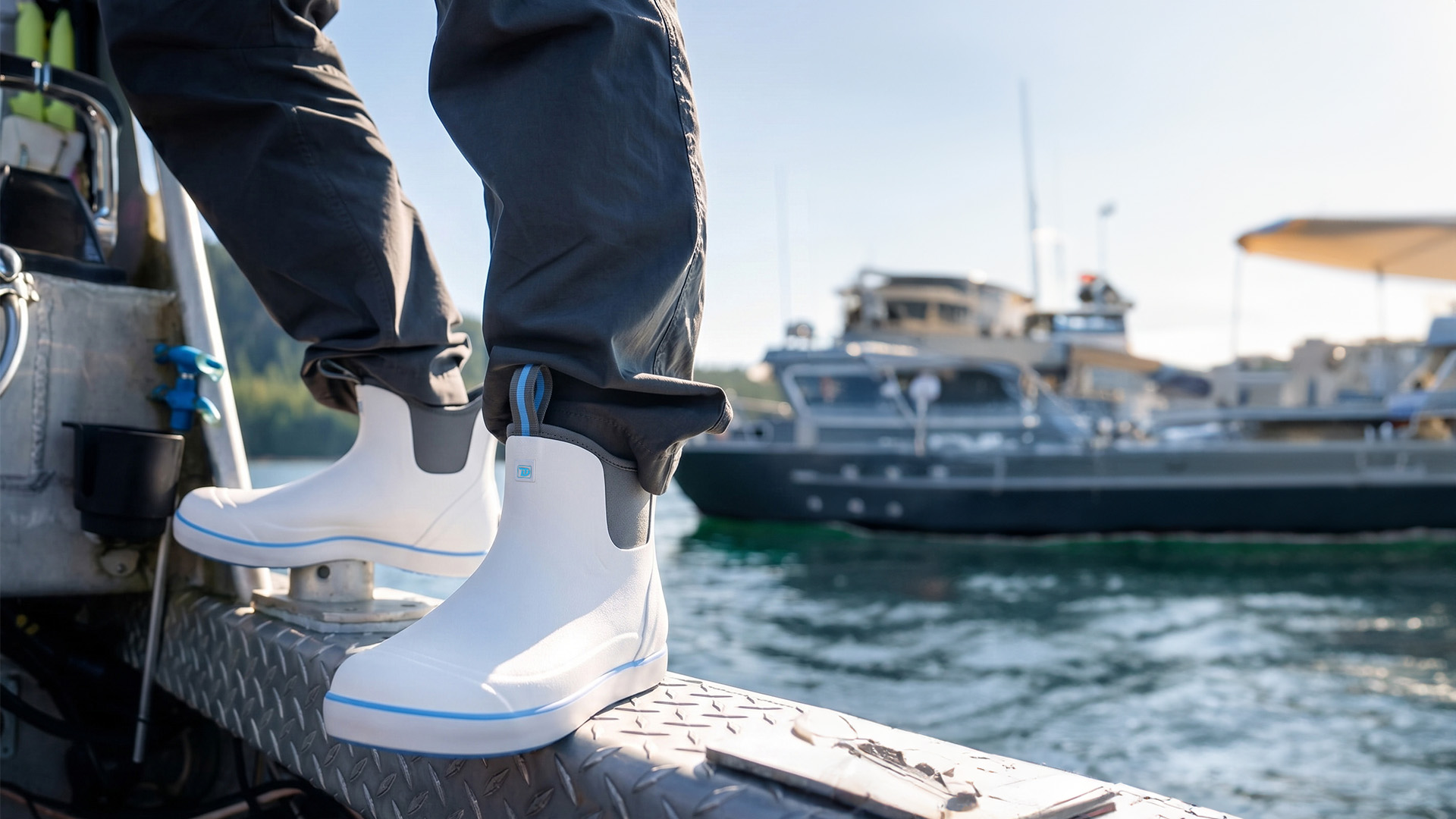
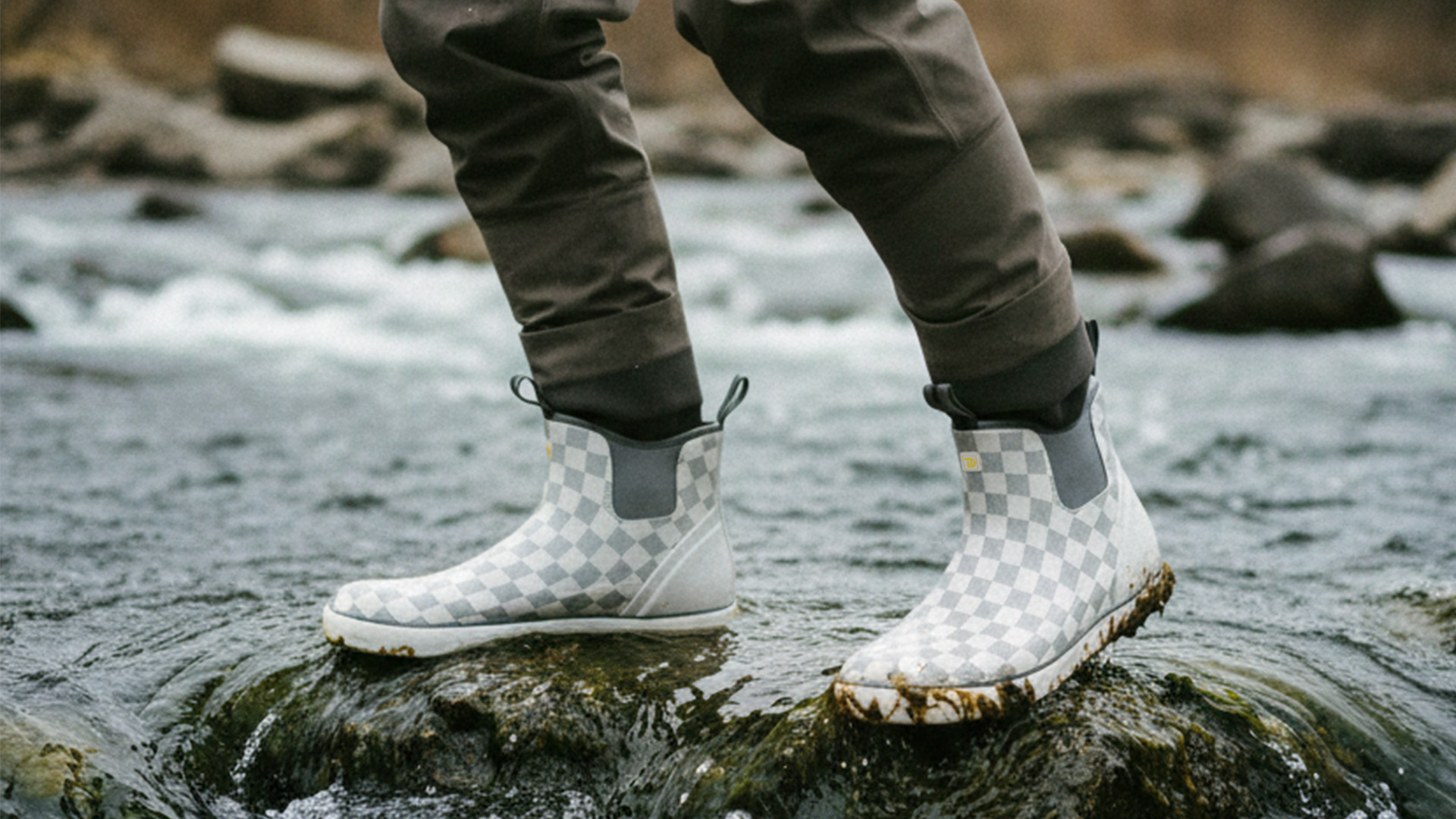
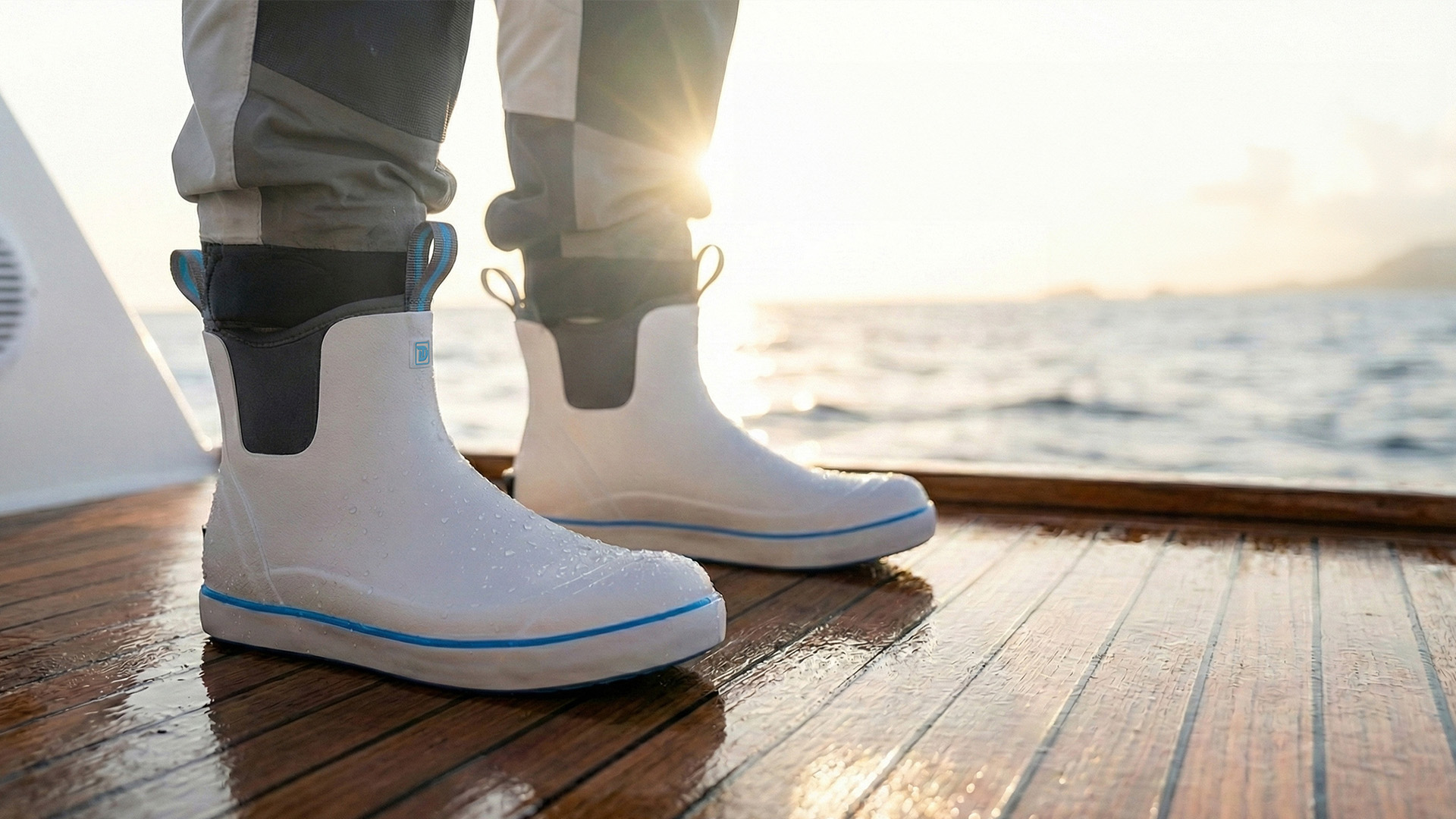
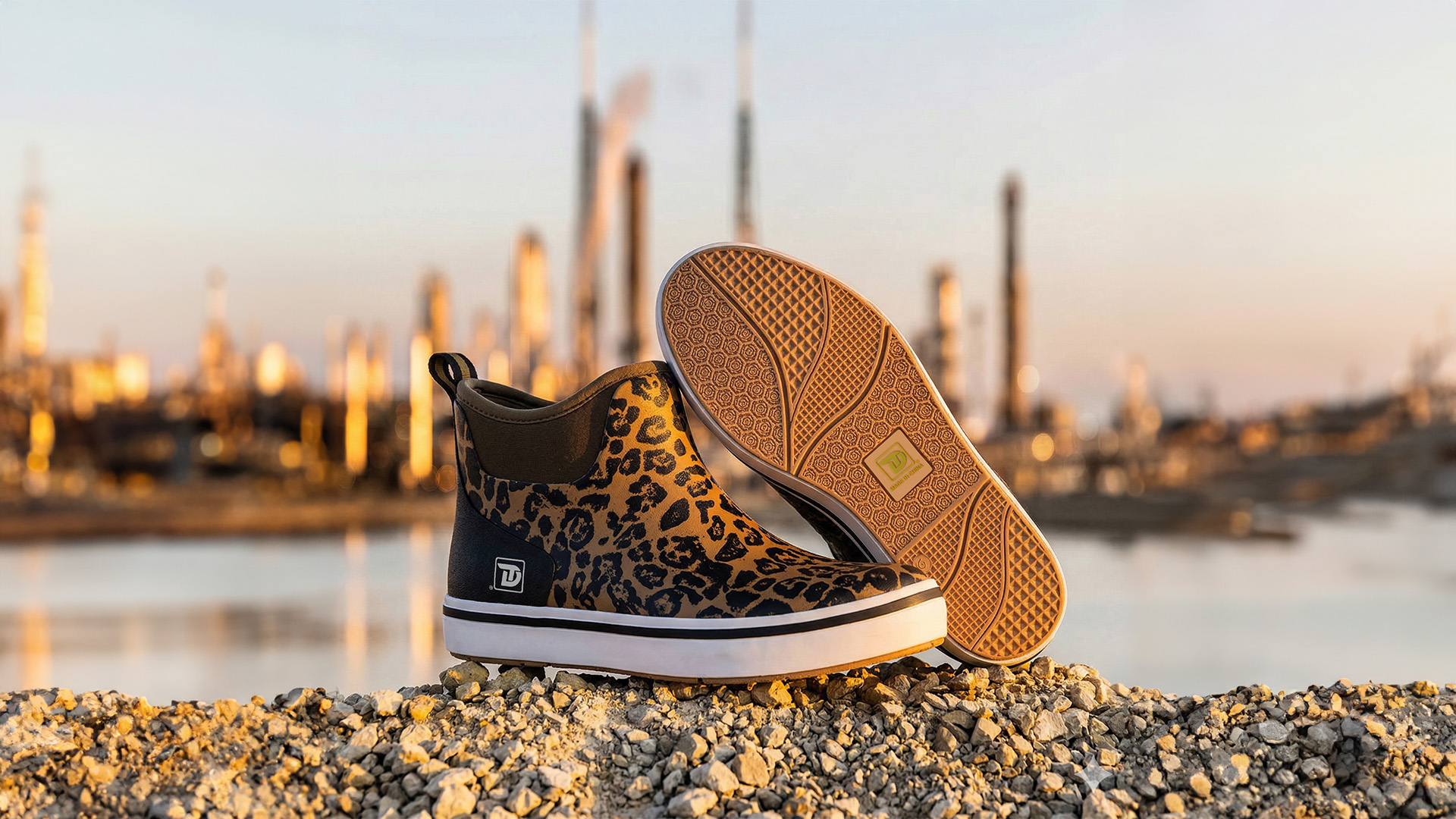
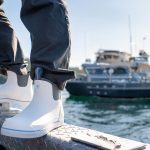
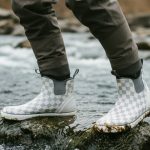
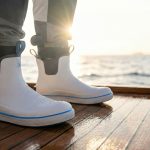
Don’t forget your hands and feet — quality insulated gloves and waterproof boots (like Trudave deck boots or rain boots) can make or break your day on the water. Staying dry keeps you sharp and focused, even when the bite slows.
The Reward of Persistence
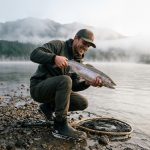
There’s a quiet satisfaction in late-fall fishing — the stillness of the lake, the mist rising at dawn, and the knowledge that only a handful of anglers are out there braving the cold. Every bite feels earned. Every strike has weight behind it — both literally and figuratively.
Chasing trophy bass this time of year isn’t about numbers. It’s about understanding the rhythm of nature and syncing your approach to it. The chill might bite your fingers, but the pull on your line will warm your soul.