
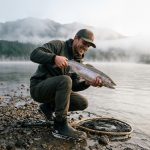
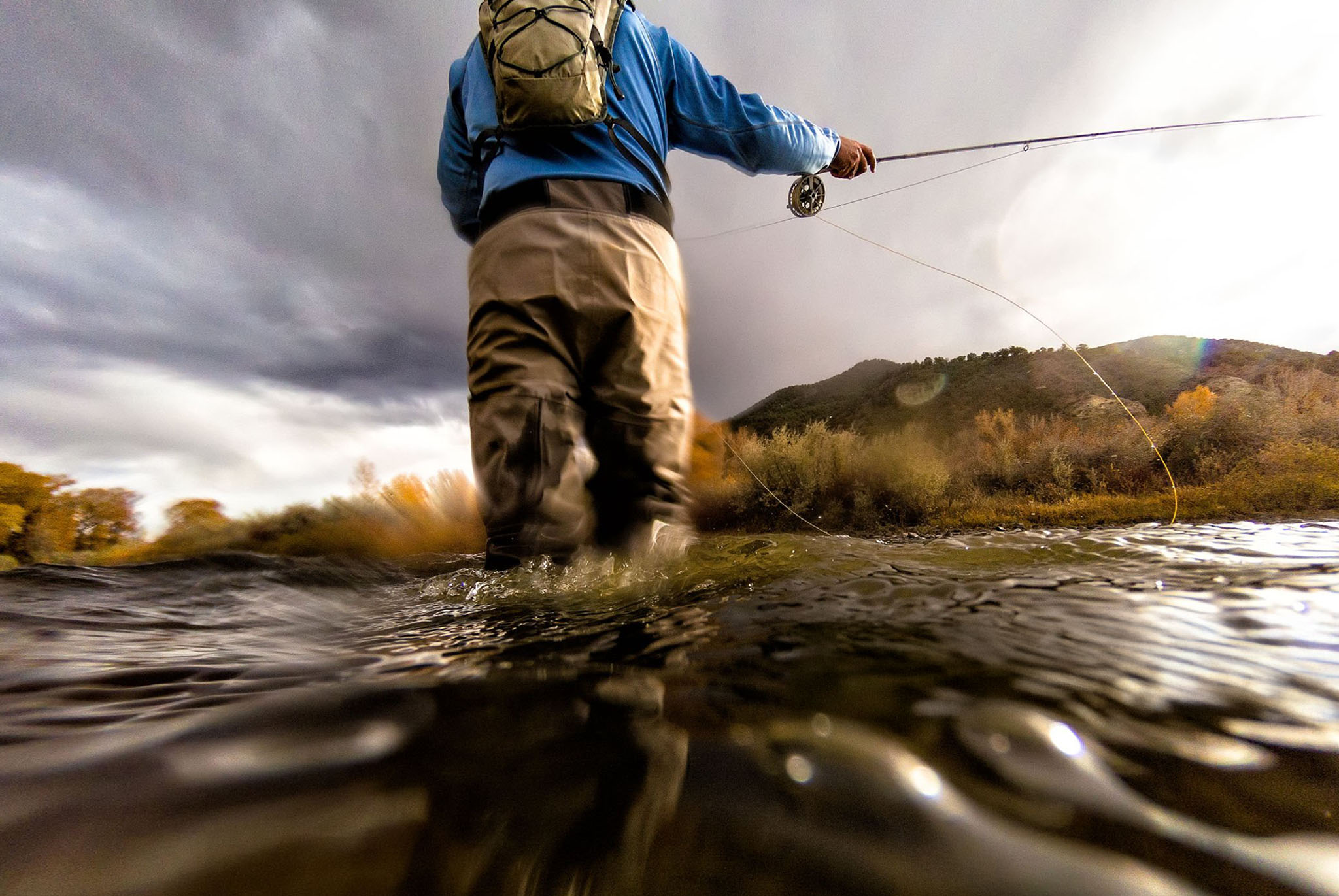
As the last leaves fall and the air turns sharp, many anglers pack up their rods, content to let the lakes rest until spring. But for the few who know better, the quiet season—when boat ramps are empty and the wind whispers across still water—offers some of the most rewarding fishing of the year. This is the time for solitude, patience, and the kind of big bites that come only to those willing to brave the chill.
The Calm Before the Ice
When temperatures drop and the first frosts coat the shoreline, most casual fishermen stay home. But that’s exactly when predator fish—like bass, pike, and walleye—begin to feed heavily, packing on calories before winter’s freeze. With fewer boats cutting across the water and less fishing pressure, these fish become more predictable and aggressive.
The key is understanding how water temperature shapes their movements. As the surface cools, baitfish schools move deeper into stable, warmer layers—and the big predators follow. Target these transition zones: steep drop-offs, deep weed edges, and the mouths of feeder creeks where currents bring in oxygen and food.
Stealth and Stillness Win
One of the greatest advantages of fishing in the quiet season is how much noise control works in your favor. Sound travels farther in cold, dense water, and fish are easily spooked. A slow, deliberate approach makes all the difference.
Use lighter line, downsize your presentations, and keep your casts controlled. Subtlety wins—small jigs tipped with soft plastics, finesse worms, or slow-rolled swimbaits often outfish flashier lures. The fish aren’t chasing; they’re conserving energy, waiting for an easy meal to drift by.
Reading the Lake Like a Map
Without summer vegetation or buzzing jet skis, winter lakes reveal their secrets. Look for rock piles, submerged timber, or points that extend into deeper basins—these are ambush zones where larger fish wait for unsuspecting prey.
Electronics can help, but old-fashioned observation still matters. Watch for surface ripples, waterfowl activity, or temperature breaks near inflows. These small details often point to the warmest, most oxygen-rich sections of a lake—prime real estate when everything else feels lifeless.
The Mental Game: Embracing Solitude
Fishing empty lakes in late fall or early winter isn’t just about catching fish—it’s about connection. The quiet amplifies everything: the crunch of frost under boots, the whisper of line through guides, the shock of a sudden strike in still air.
There’s a meditative rhythm to it. Each cast feels intentional. Each bite, earned. Without the rush of competition or the noise of summer crowds, you start to notice things you’ve missed—the clarity of the water, the resilience of the ecosystem, the sheer peace of being outdoors.
Gear Up for the Chill
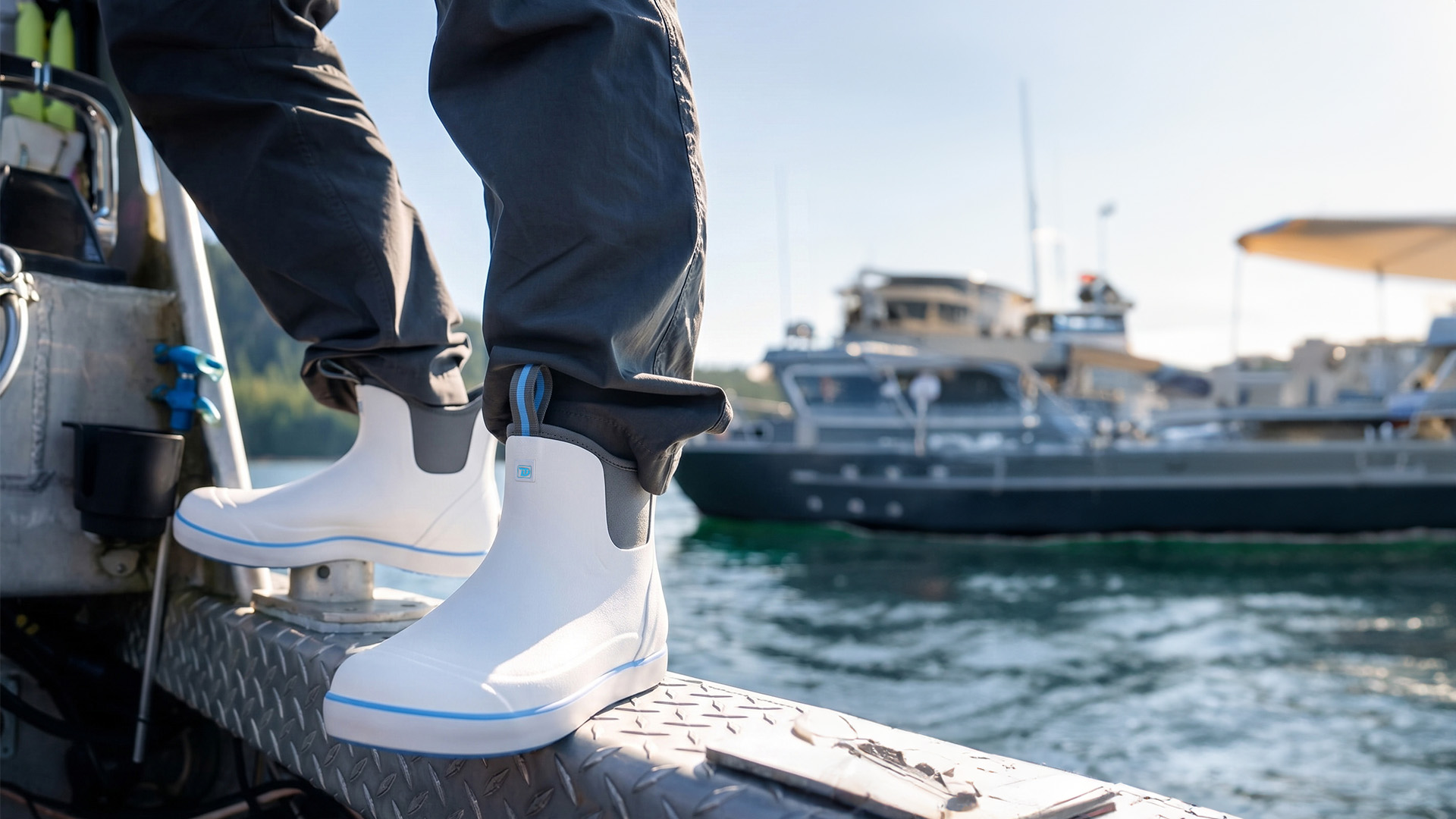
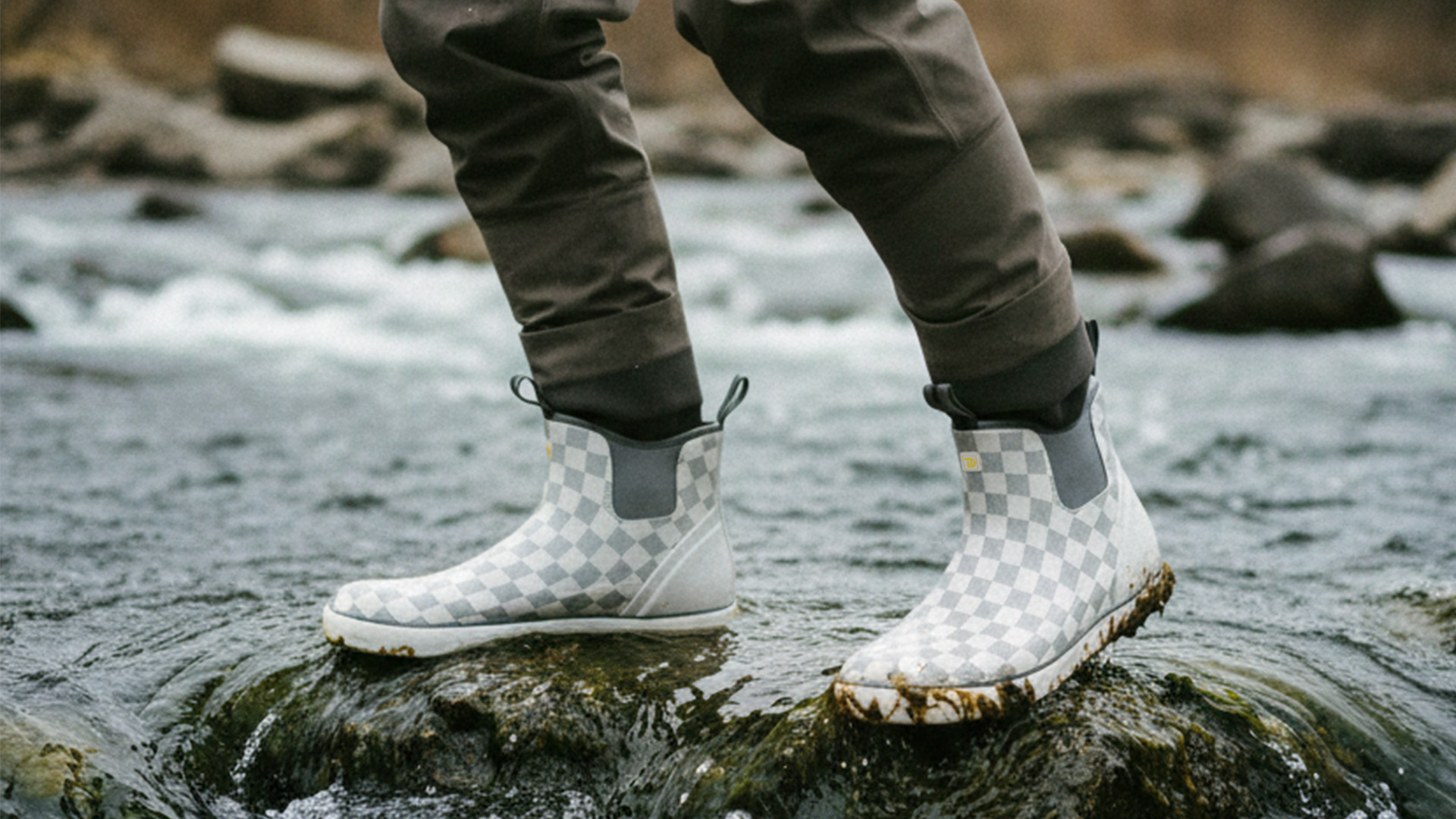
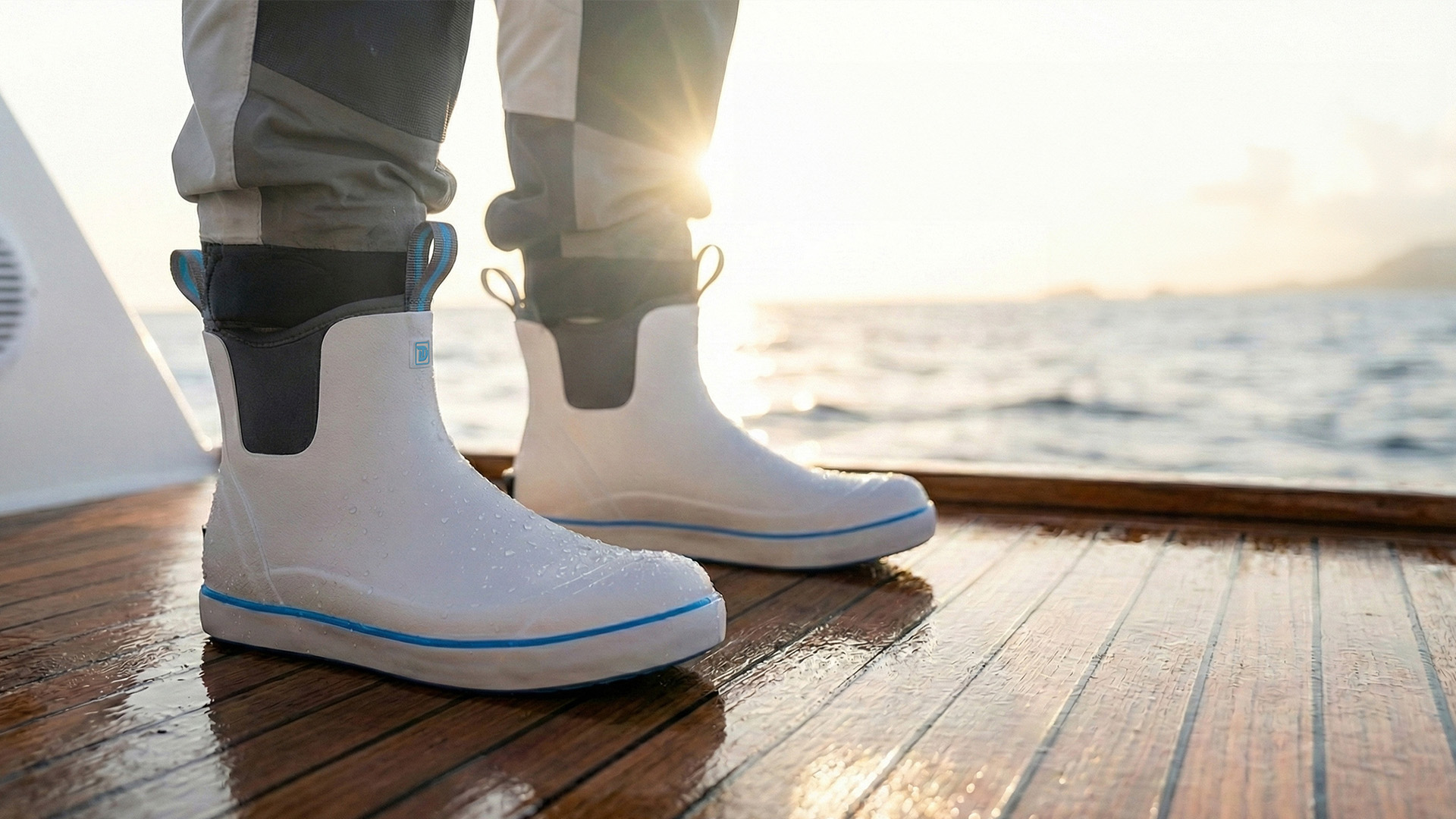
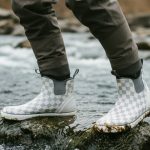
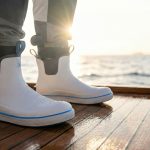
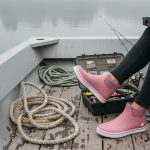
Comfort keeps you fishing longer, and in cold conditions, that means waterproof layers, insulated boots, and good gloves. Brands like Trudave and Hisea make gear built for exactly this kind of environment—boots that stay flexible in the cold and keep you dry through long, motionless waits on the shoreline or in the boat.
Big Fish, Small Crowds
The quiet season rewards patience and grit. When most anglers call it quits, those who stay find themselves with entire lakes to explore and big fish that haven’t seen a lure in weeks.
So while the frost thickens and the mornings grow still, don’t hang up your rod. Bundle up, slow down, and embrace the solitude. Because out there—on an empty lake in the heart of winter—you’re not just fishing. You’re rediscovering what the sport is all about.