
When fall gives way to winter, lakes, rivers, and coastlines undergo dramatic changes. Water temperatures swing fast—sometimes dropping several degrees overnight—and for many anglers, that shift either makes or breaks the bite. But instead of dreading those cold snaps, experienced fishermen know how to use them to their advantage. Rapid temperature changes don’t just alter fish behavior—they ignite it.
The Science Behind Sudden Strikes
Fish are cold-blooded, which means their body temperature—and metabolism—directly reflect the surrounding water. When temperatures fall quickly, their entire physiological rhythm changes. Oxygen levels rise, metabolism slows, and baitfish movement shifts.
Predators like bass, walleye, and trout sense this transition. A sudden cooling period compresses the food chain—baitfish school tighter for warmth, and gamefish seize the moment. In essence, it’s nature’s dinner bell: feed aggressively before conditions stabilize again.
However, not all cooling periods are equal. A slow, steady temperature decline often produces lethargic fish, but a rapid swing—say, after a cold rain or strong north wind—can ignite short-lived but intense feeding windows. Understanding when and how these swings occur is the key to turning cold water into hot action.
Reading the Signs: When Temperature Drops Mean Opportunity
The best anglers don’t just check the air temperature—they monitor water temperature trends. A sudden 3–5°F drop within 24–48 hours is often the magic number. Here’s how it plays out across different environments:
- Shallow Lakes: Rapid temperature shifts push baitfish from the surface into mid-depths or near structure. Fish ambush along weed edges or drop-offs.
- Rivers: Cooling water triggers movement—especially for species like smallmouth and walleye. Current seams and eddies become prime ambush zones.
- Coastal Waters: Saltwater predators like redfish, snook, and speckled trout adjust feeding depth, often moving into slightly deeper or more temperature-stable pockets.
You’ll often notice signs even before your sonar does—gulls diving over tightened bait pods, or sudden fish activity during an overcast morning after a cold front. That’s your cue.
Best Lures for Temperature Swings
When temperatures swing fast, fish often respond to baits that mimic struggling or disoriented prey. These are the conditions where reaction baits shine.
- Bass: Try lipless crankbaits, blade baits, or underspins. Their flash and vibration mimic dying shad perfectly in cooling water.
- Trout: Streamers, jerkbaits, and spoons fished erratically along temperature breaks can draw savage strikes.
- Walleye: Vertical jigging with soft plastics or minnows over transition zones works wonders.
If the bite slows as the water continues cooling, switch tactics—slow down, go smaller, and focus deeper. Soft plastics, finesse jigs, and live bait presentations help maintain bites once the frenzy fades.
Location, Location, Location
Fish aren’t just reacting to temperature—they’re relocating because of it. Rapid cooling pushes baitfish and predators alike to areas with more stable thermal conditions.
Here’s where to look when the thermometer drops fast:
- Main Lake Points: These act as funnels for moving bait and offer multiple depth options.
- Creek Mouths and Inflows: Cold runoff concentrates nutrients and baitfish.
- Rocky Bottoms or Gravel Beds: Rocks retain heat longer, attracting both bait and gamefish.
- Wind-Blown Banks: These areas often experience slightly warmer surface temps and more oxygen—perfect for a short-lived feeding window.
By tracking where the warmest micro-climates develop, you can predict where fish will feed first during a temperature swing.
Adapting Presentation Speed
The biggest mistake anglers make during rapid temperature drops is maintaining their summer-speed retrieve. As water cools, fish metabolism slows, but reaction instincts remain. The sweet spot? Start fast, end slow.
During the first few hours of a cold front or temperature drop, fast-moving baits draw explosive strikes. But as conditions stabilize, you’ll need to finesse them—pause your jerkbait longer, drag your jig instead of hopping it, or dead-stick your soft plastic for an extra second.
The key is reading fish response and adjusting accordingly. That’s how pros turn one or two bites into consistent cold-water success.
When “Too Cold” Really Means Too Cold
Not every drop triggers a bite. Once temperatures plunge below a species’ comfort range—like bass below 45°F or redfish below 50°F—feeding slows drastically. The trick is to fish during the change, not after it.
The best window usually happens 12–24 hours after the initial shift begins. Once the system stabilizes under cold, clear skies, bites become scattered and finesse presentations take over.
Gear Up for the Chill
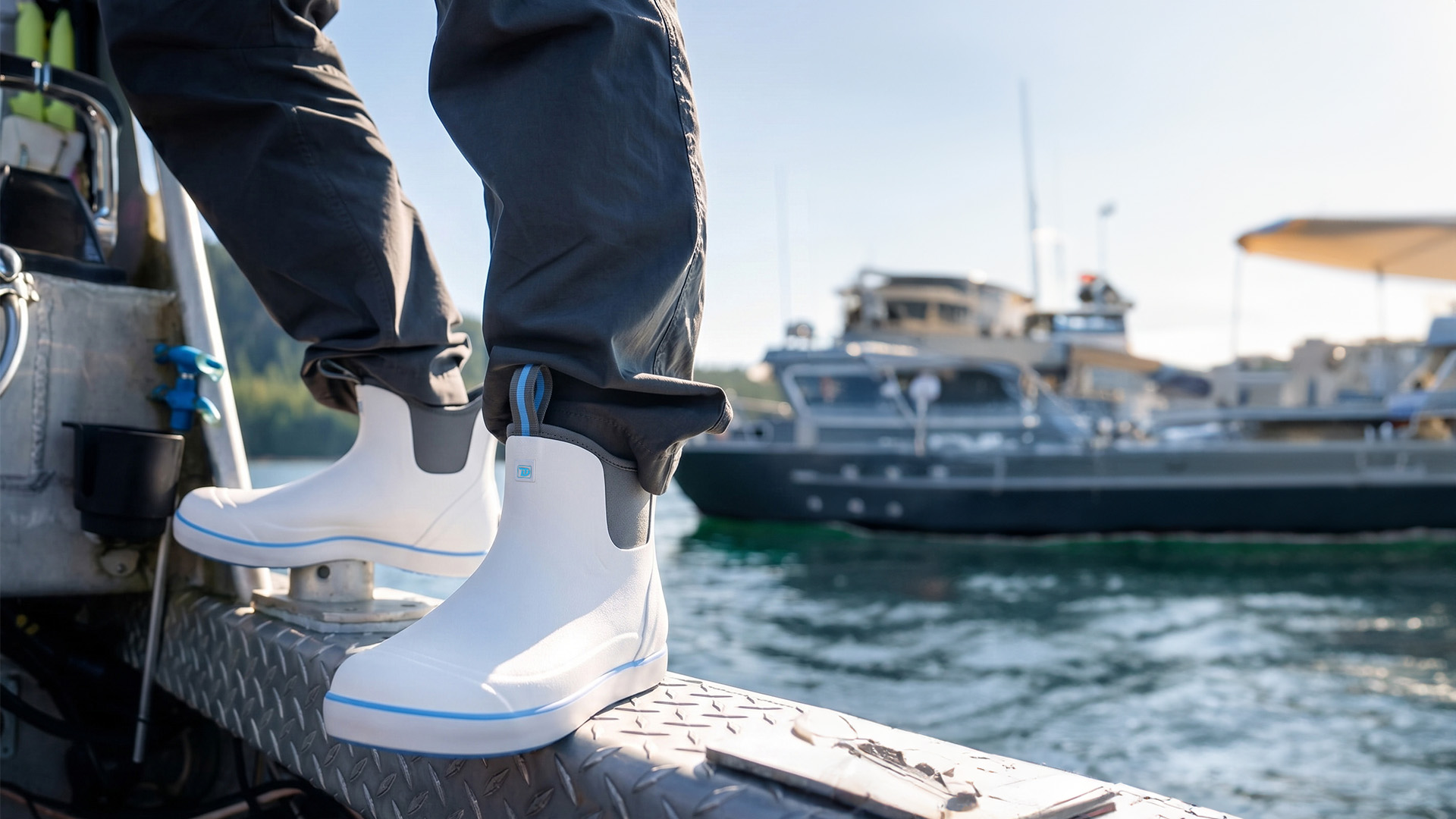
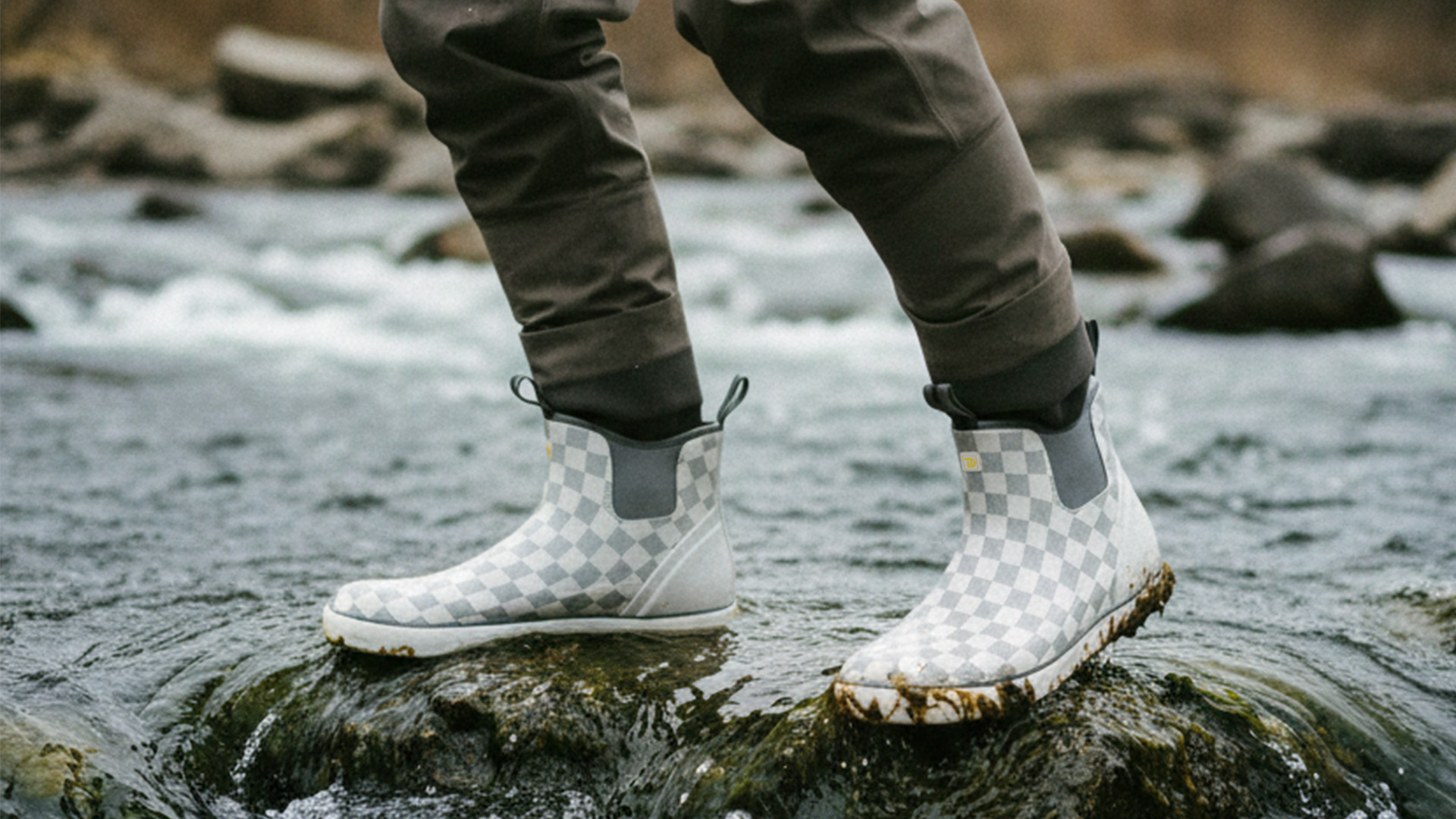
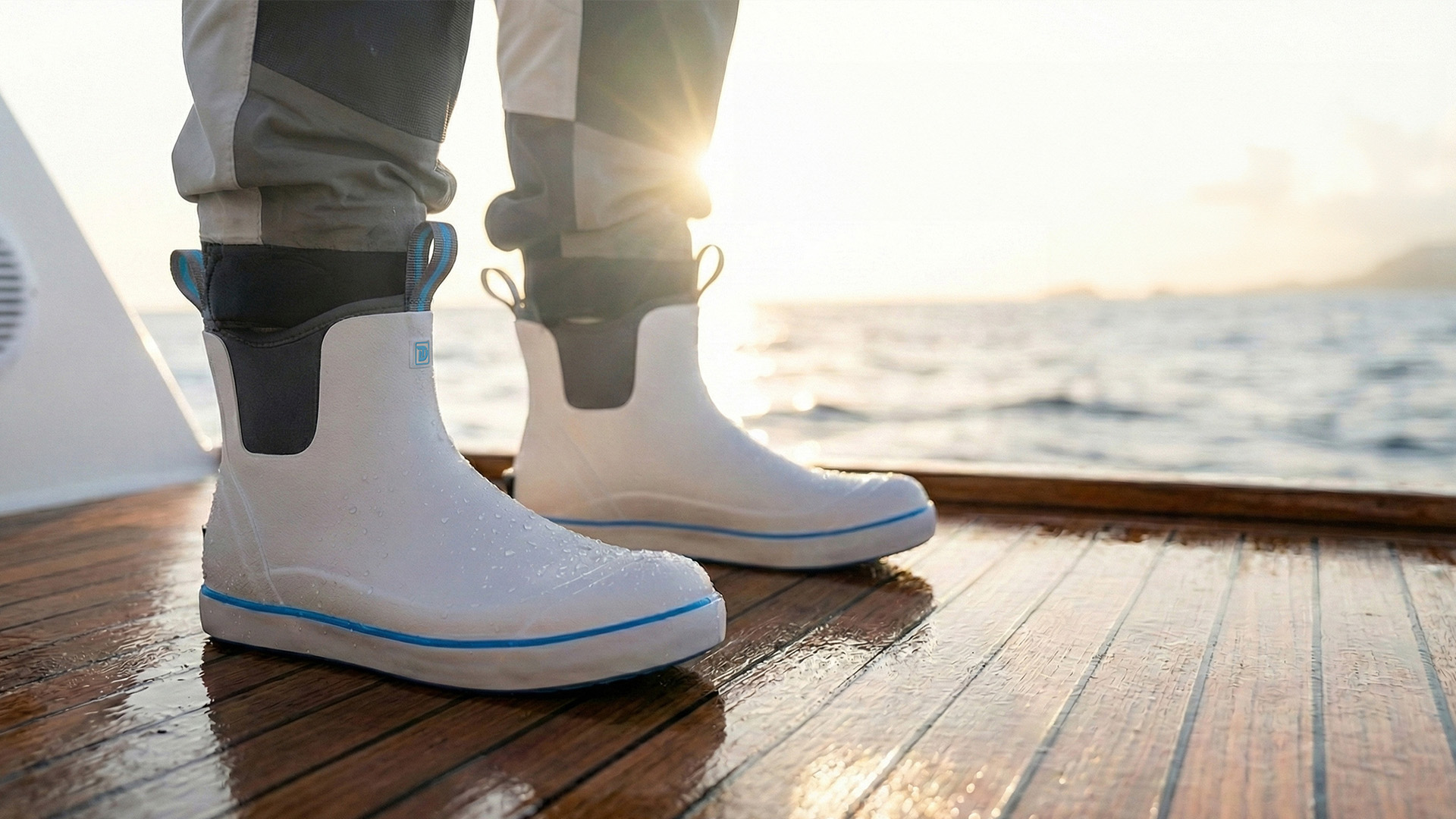
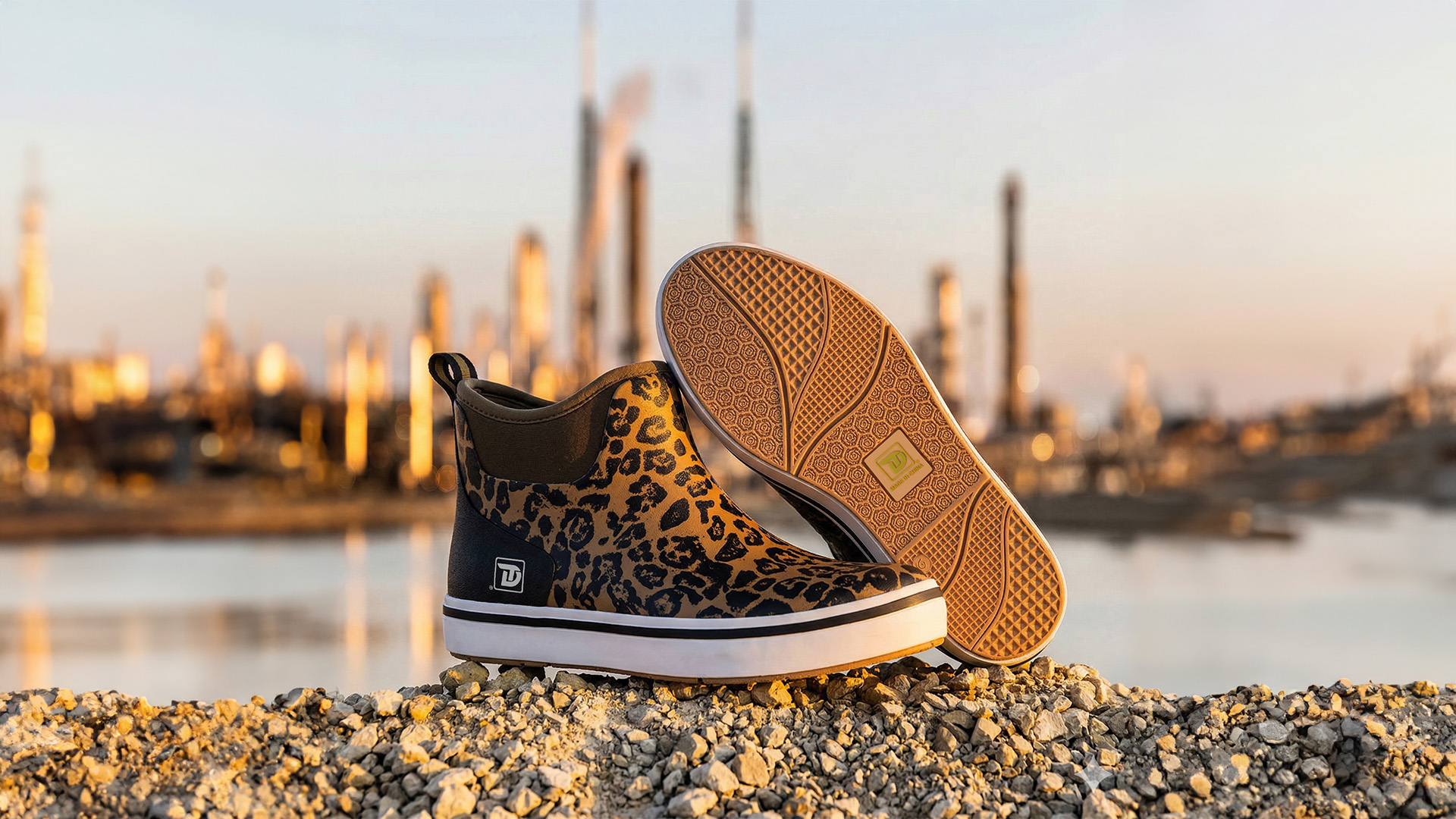
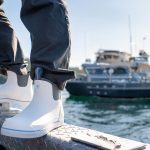
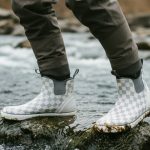
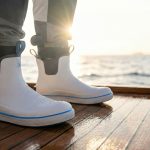
Cold-water fishing can be brutal without the right gear. Invest in quality thermal layers, waterproof boots, and gloves that allow for dexterity. Breathable rain gear is essential when sudden cold rains accompany the front.
Electronics also play a key role—modern sonar and temperature sensors can reveal micro-temperature zones or bait clusters that others miss. And always monitor surface temperatures throughout the day; even a 1°F difference can determine success.
Final Cast: Embrace the Swing
When the water cools fast, most anglers slow down or stay home. But those who understand fish behavior see it differently. Rapid temperature swings are windows of opportunity, where predator instinct overrides caution.
If you time it right—fishing the transition rather than the aftermath—you’ll witness that unique moment when the chill in the air equals heat in the bite. Cooling waters don’t kill the action; they redefine it.