

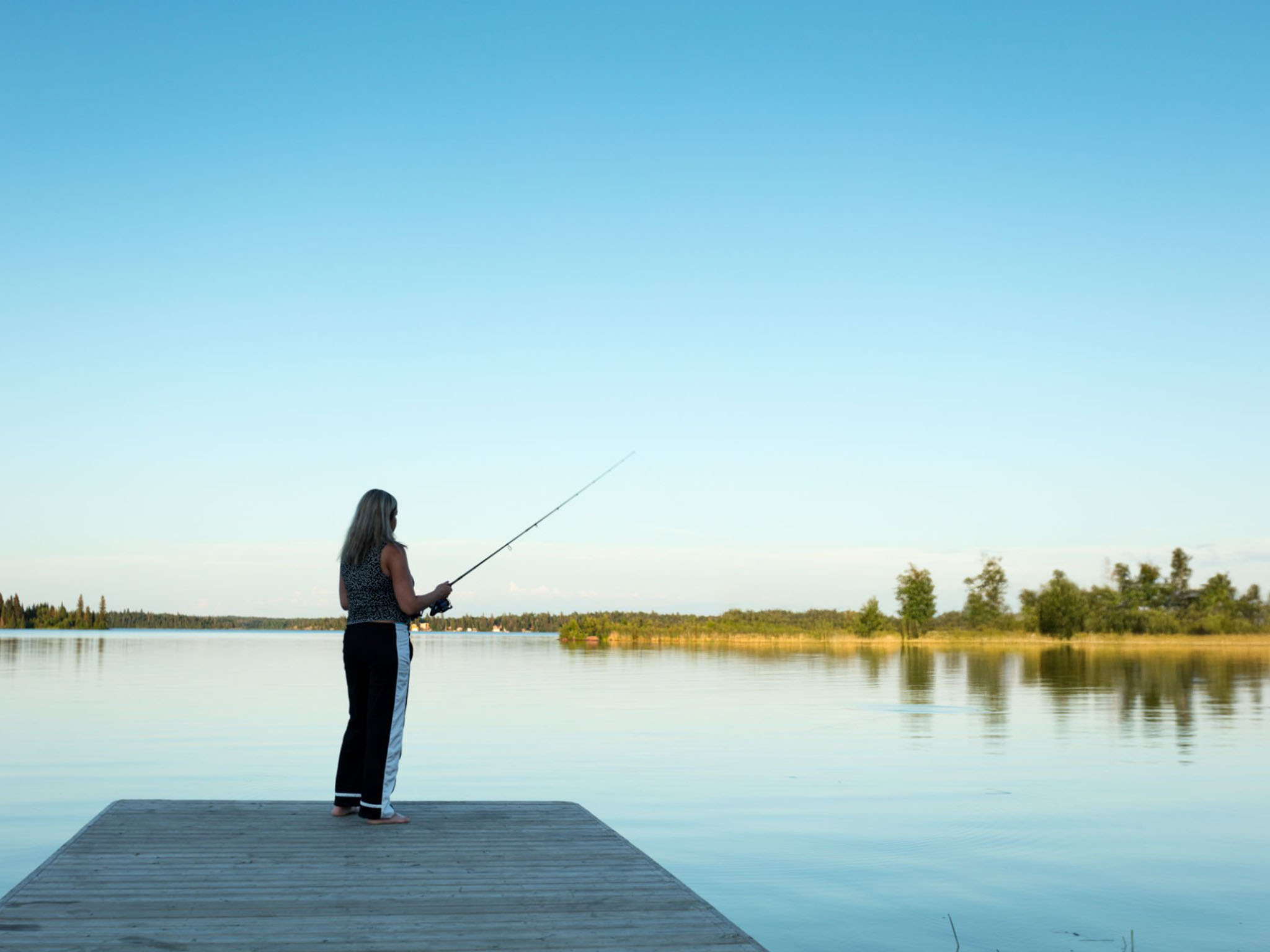
When a cold front approaches, most anglers either rush to the lake—or stay home, dreading the post-front blues. But for those who understand how fish react to shifting pressure, the hours just before that front hits can produce some of the most memorable bites of the season. Fishing the edge of a cold front is all about timing, adaptation, and reading the signals nature provides.
Understanding the Cold Front Effect
A cold front is more than just a drop in temperature—it’s a full-scale atmospheric shift. As the front approaches, air pressure begins to fall, humidity rises, and winds often shift direction. Fish, especially predatory species like bass, walleye, and trout, sense these changes well before we do.
The falling barometer triggers a short-lived feeding window as fish instinctively react to the oncoming weather. They know what’s coming—cooler water, higher pressure, and less favorable feeding conditions—so they take advantage of the moment to stock up.
During this pre-front phase, you’ll often see baitfish activity increase near the surface, birds diving more frequently, and fish chasing aggressively in open water. Once the front passes, though, that energy shuts down quickly. Fish retreat deeper, become lethargic, and focus on conserving energy rather than feeding.
Timing Is Everything
If you want to catch fish on the edge of a cold front, you need to watch the weather like a hawk. The best window usually opens 6–12 hours before the front hits—when the barometer is dropping steadily but before the wind and rain intensify.
Early mornings or late afternoons during this window are prime. Fish tend to feed heavily along structure edges, points, and shallow flats where baitfish are concentrated. Once the wind picks up and temperatures begin to plummet, expect that bite to fade fast.
Many seasoned anglers rely on barometric pressure apps or marine weather forecasts to predict this window. When you see a steady drop below 29.8 inHg, it’s time to grab your gear and get to the water.
Pre-Front Lure Choices
When pressure drops, fish move shallow and feed aggressively—so your presentations should match that energy. Think reaction baits: crankbaits, spinnerbaits, lipless cranks, and jerkbaits. These baits trigger instinctive strikes, especially when fish are chasing moving prey.
- Bass: Use a squarebill crankbait or vibrating jig near grass edges or shallow rock transitions.
- Walleye: Troll or cast crankbaits along breaklines; their feeding response to falling pressure can be fierce.
- Trout: Streamers or spinners fished fast through current seams often get explosive hits right before the front hits.
Natural colors work well if the sky is still bright, but as clouds roll in, switch to darker or more contrasting patterns—black, gold, or chartreuse—to maintain visibility.
Adjusting After the Front
Once the cold front passes, conditions shift dramatically: clear skies, high pressure, and a sudden drop in temperature. Fish become sluggish and move deeper. This is when finesse tactics shine.
Slow down your retrieve, downsize your lures, and focus on vertical presentations. Jigging spoons, drop shots, and soft plastics worked near the bottom often tempt inactive fish. Instead of covering water fast, stay patient and work small zones thoroughly.
If you’re fishing in reservoirs or lakes, target steep drops, creek channels, or submerged timber—places that offer both cover and temperature stability. Fish won’t roam far during this phase.
Wind and Structure: A Winning Combo
Wind direction tells a story during cold fronts. As the front approaches, winds usually blow from the south or southwest, pushing warm surface water—and baitfish—against windward banks. Fish follow that buffet line.
Position yourself on those windblown edges, where waves are stacking nutrients and bait. It may not be the most comfortable spot, but it’s often the most productive. Once the front passes, winds shift north or northwest, and that same bank may go silent. Adjust quickly and look for calmer, sun-warmed pockets instead.
Gear Up for the Elements
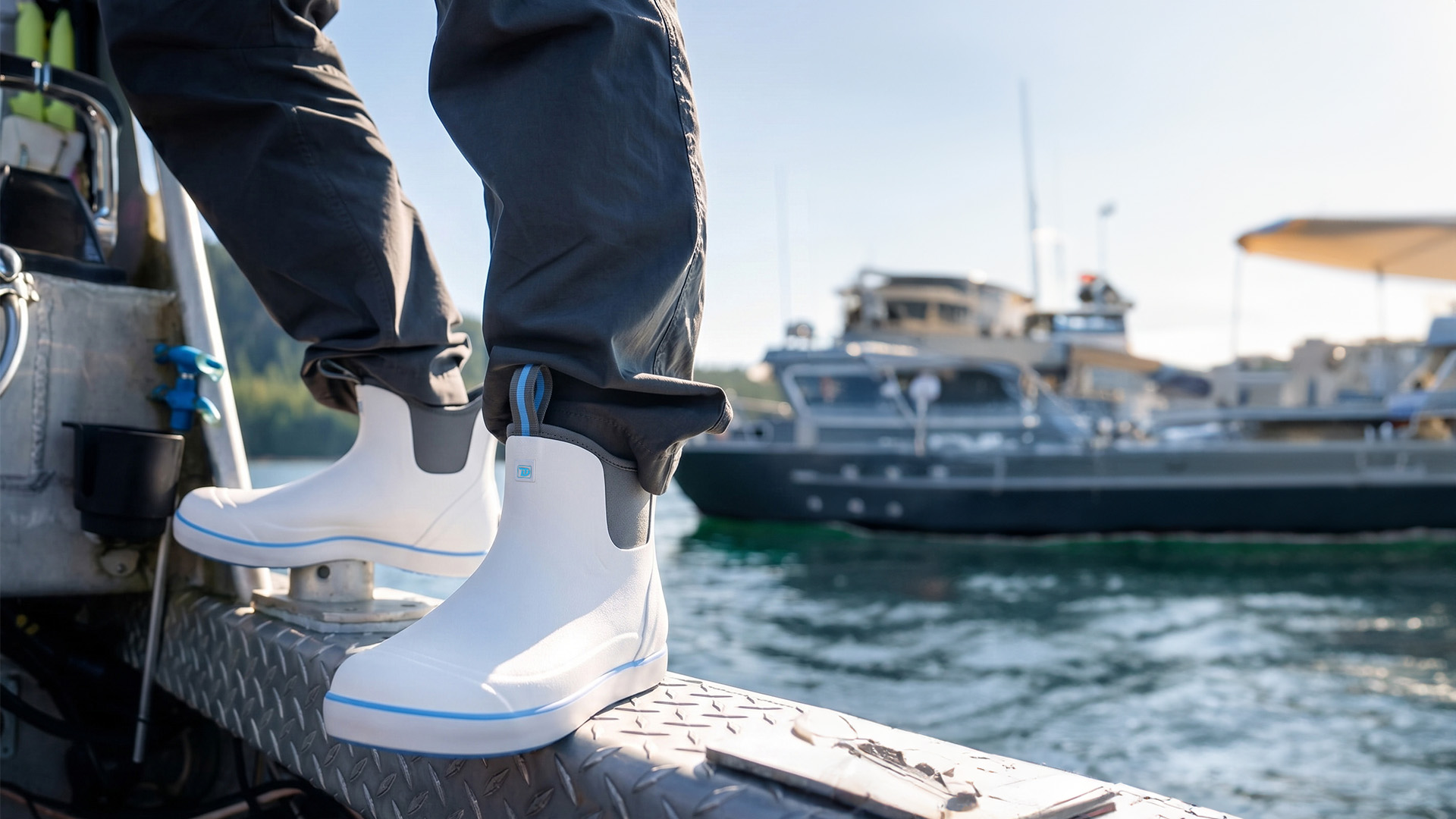
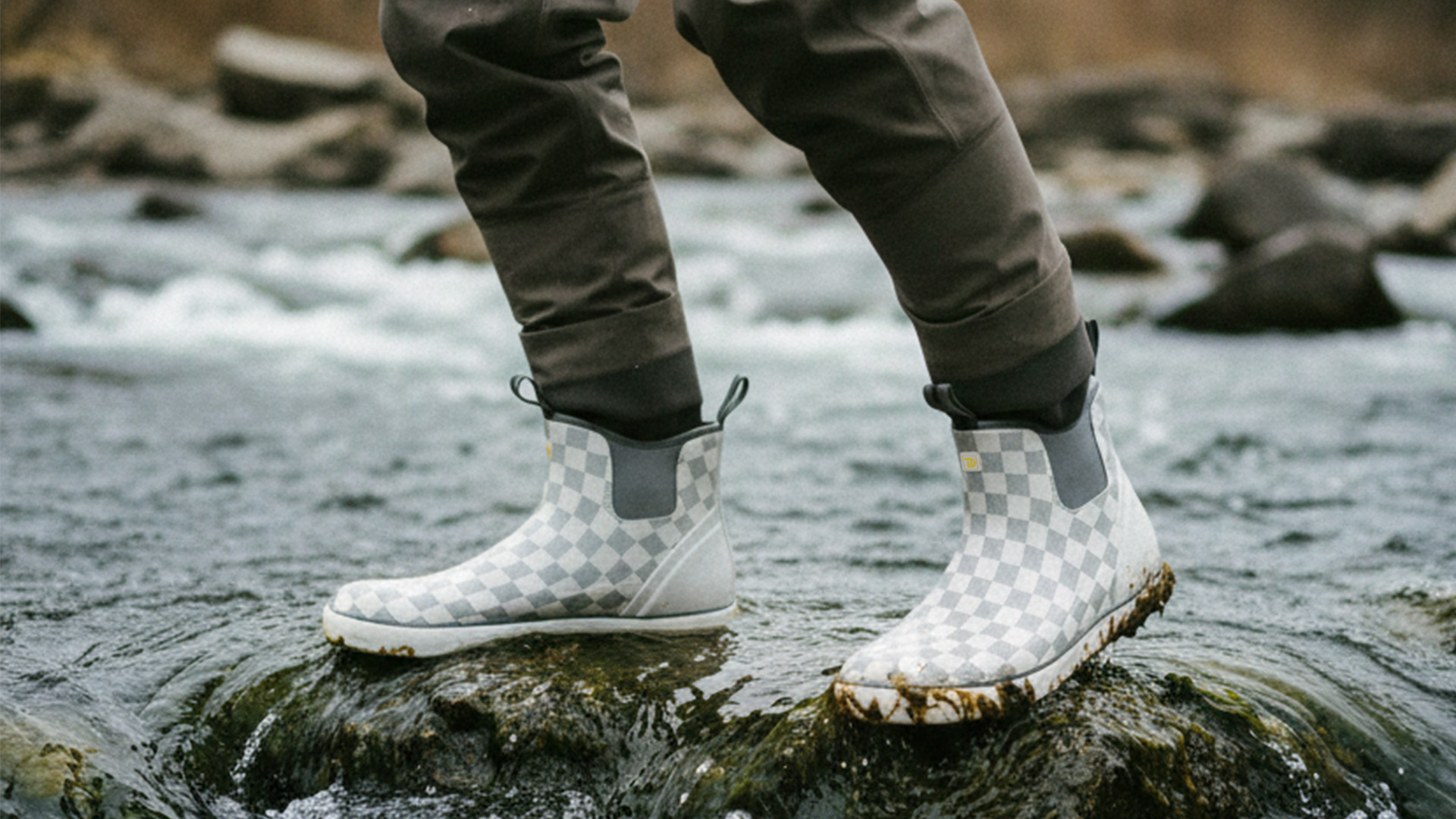
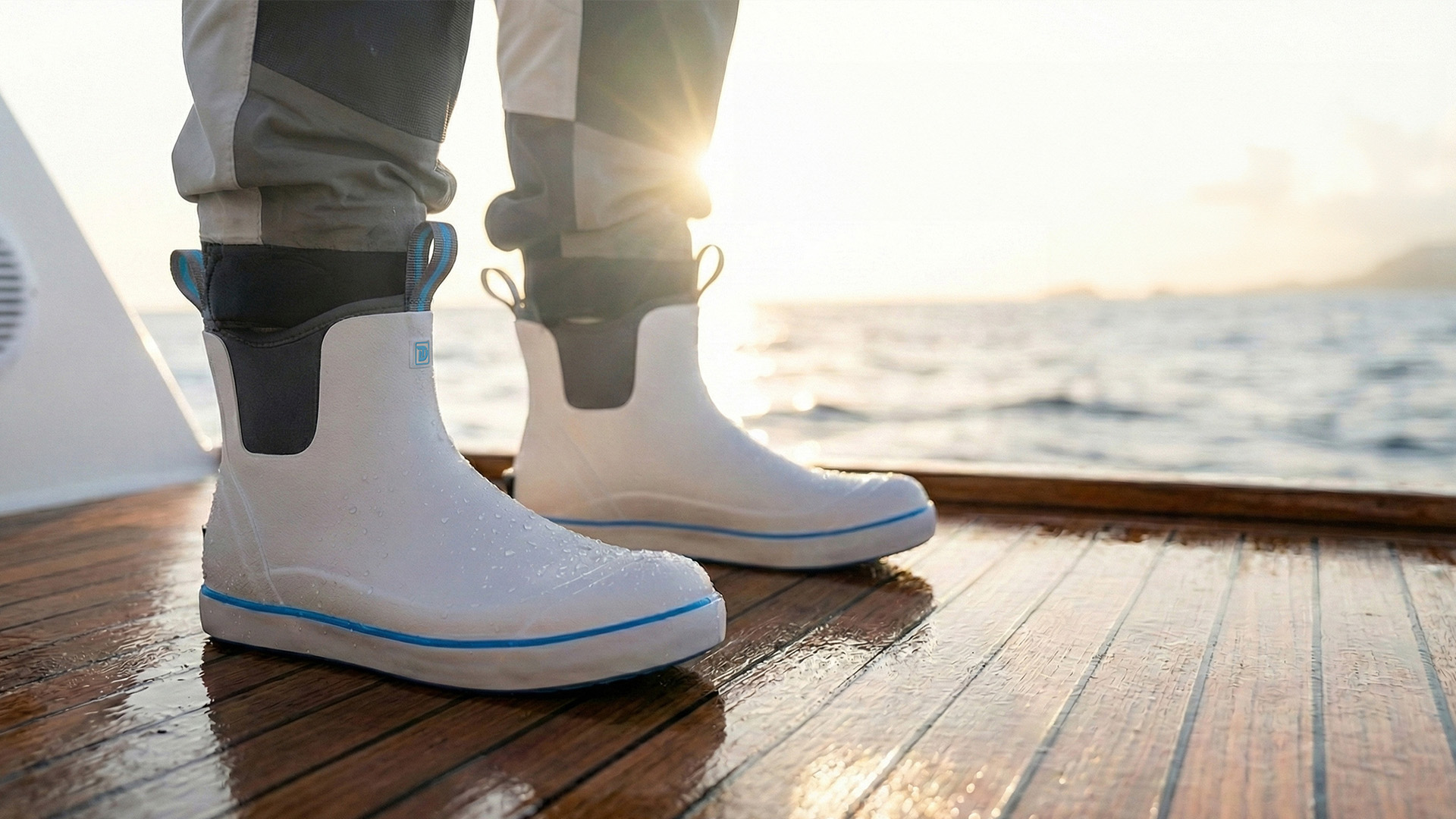
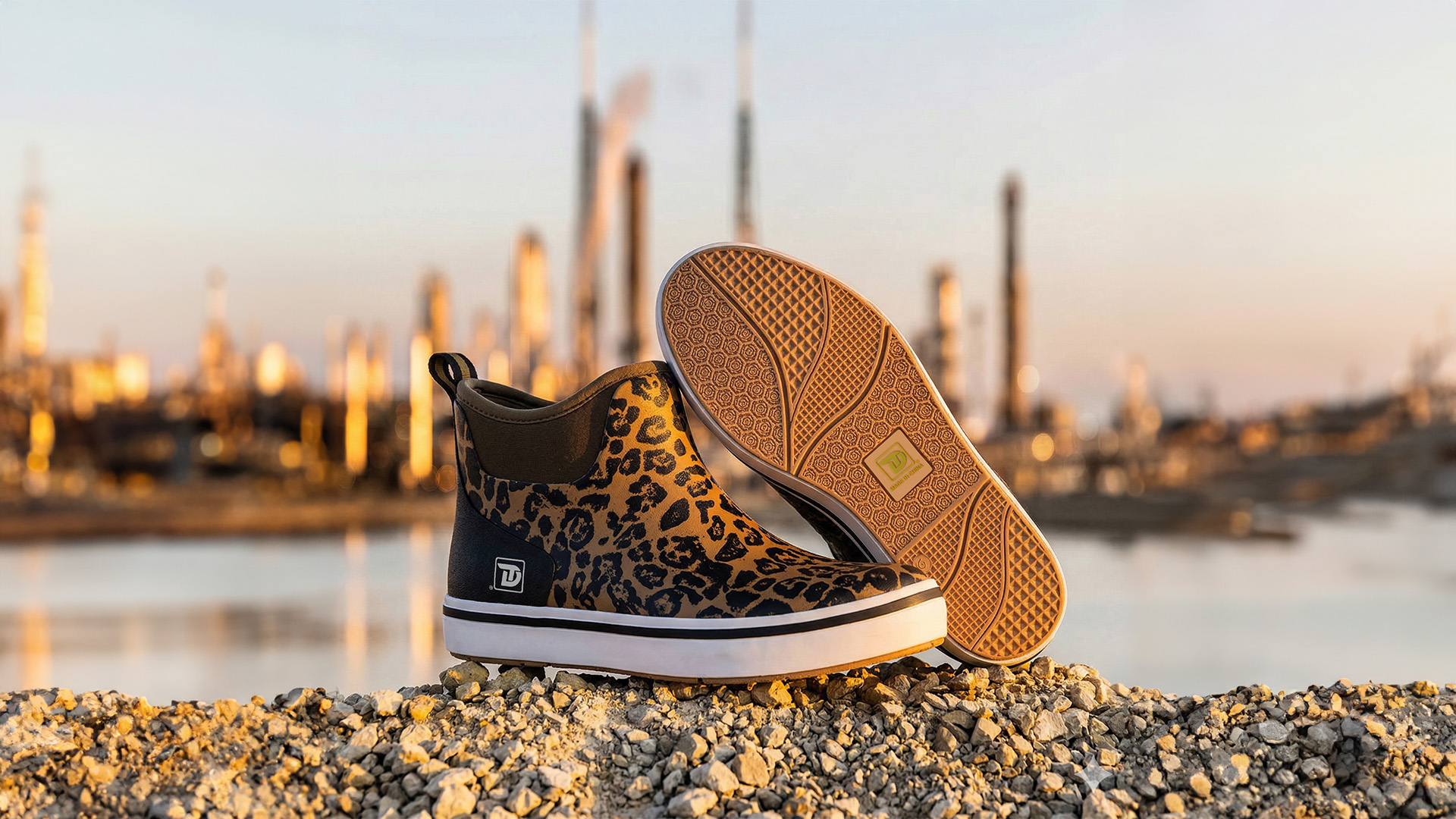
Cold fronts often bring sharp temperature drops and tough fishing conditions, so dress smart. Layer up with moisture-wicking base layers, windproof shells, and waterproof boots. Keep hand warmers handy and protect your electronics from sudden rain or sleet.
If you’re fishing from a boat, be mindful of changing wind conditions. Sudden gusts can make open water dangerous fast. Always check your local marine forecast before launching.
Final Cast: Mastering the Pressure Game
Fishing the edge of a cold front is about rhythm—reading the sky, the wind, and the bite window. While many anglers pack it in when they see clouds rolling in, experienced ones know that’s the moment to get moving.
When the barometer drops, fish feed with urgency. If you’re there with the right timing, lure, and mindset, you’ll find yourself in the middle of nature’s feeding frenzy. After the front passes, patience and subtlety take over—but the true payoff always comes to those who fish the pressure curve instead of fearing it.