


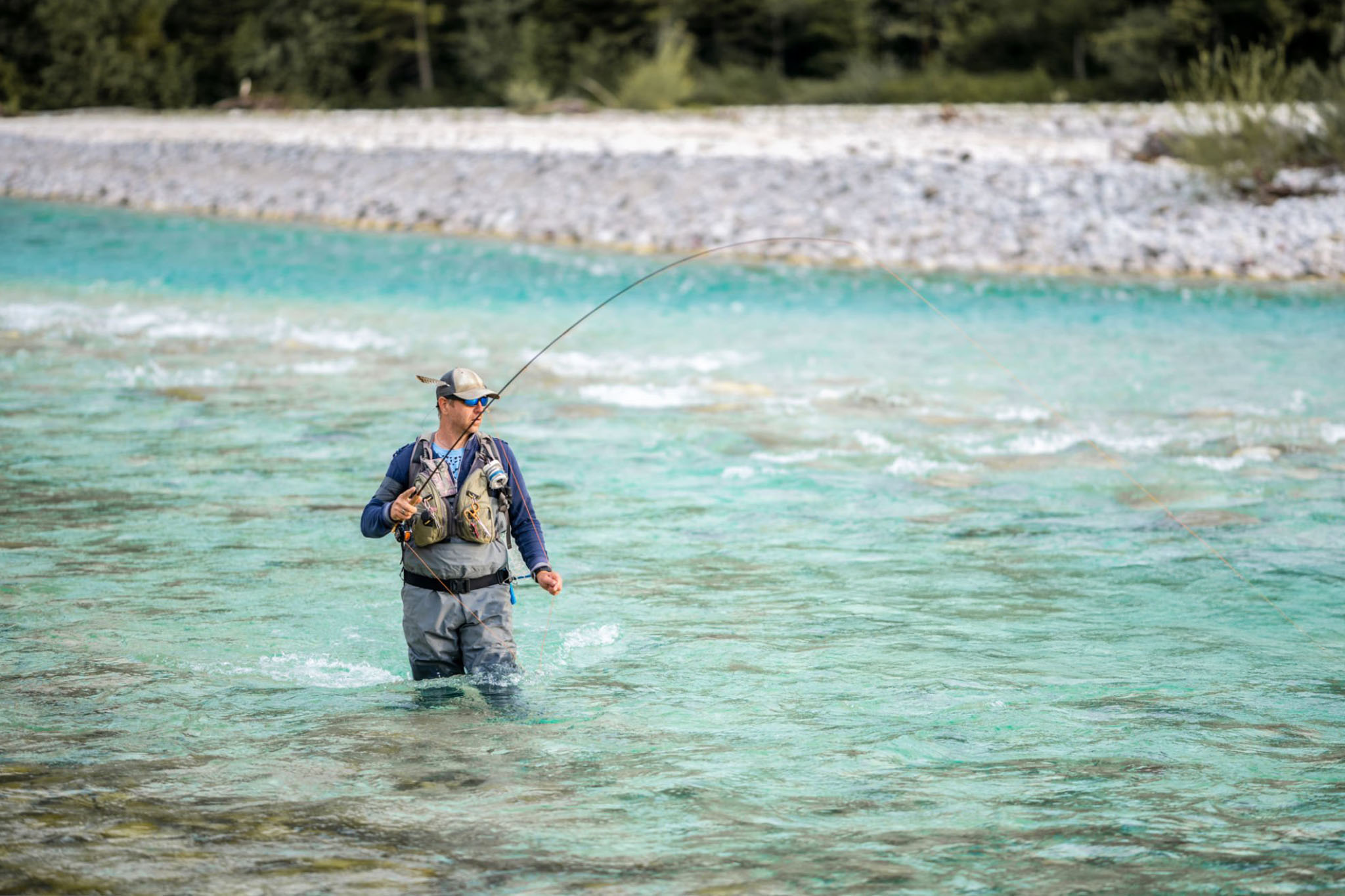
Late fall brings a magical yet challenging time for freshwater anglers. As temperatures drop and days shorten, fish behavior changes dramatically, particularly in lakes. Understanding these shifts—and adapting your lures accordingly—can turn a frustrating outing into a productive one.
Why Late-Fall Lakes Are Different
As the water cools in late fall, fish metabolism slows. Largemouth bass, smallmouth bass, crappie, and panfish become less aggressive, moving more deliberately and feeding less frequently. Minnows, crawfish, and other forage also react to falling temperatures, often moving to deeper or sheltered areas.
For anglers, this means traditional summer tactics often fail. Large, fast-moving lures may spook lethargic fish, while slower, more subtle presentations become key.
Choosing the Right Lures for Cold Water
- Jigs for Precision: Soft plastic jigs or finesse jigs excel in cold water. Their subtle movements mimic crawfish and other slow-moving prey. Tip them with a minnow or plastic tail for added appeal.
- Slow-Rolling Spinnerbaits: Instead of fast retrieves, slow-roll spinnerbaits near cover or along points. The combination of vibration and visual flash attracts sluggish bass without overwhelming them.
- Lipless Crankbaits: When fish are active in mid-depths, lipless crankbaits worked slowly along contours can trigger reaction strikes. Focus on areas where baitfish congregate.
- Drop-Shot and Wacky Rigs: For suspended or finicky fish, finesse presentations like drop-shot rigs or wacky-rigged soft plastics offer delicate movement at precise depths.
- Topwater Only in Limited Windows: Early morning or late afternoon can see brief surface activity. Use topwater lures sparingly during these windows, but be ready to switch when activity slows.
Adapting Retrieve Techniques
- Slow and Steady: Cold-water fish respond best to slow retrieves. Let lures linger near the bottom or in fish-holding structures.
- Pause-and-Twitch: Incorporating pauses, twitches, or subtle hops simulates struggling prey and can trigger reluctant bites.
- Depth Control: Fish often move deeper as temperatures drop. Weighted rigs, jigheads, or sinking soft plastics help maintain contact with the fish zone.
Reading Late-Fall Lake Conditions
- Thermoclines Matter: Many lakes develop distinct temperature layers in late fall. Fish may suspend along these lines where oxygen and baitfish are concentrated.
- Wind and Sun Exposure: Wind-blown points and shallow areas exposed to sunlight can concentrate prey and fish during sunny afternoons.
- Cover and Structure: Fallen timber, rocky points, docks, and submerged vegetation serve as refuges for both prey and fish, making them prime targets.
Seasonal Strategies
- Scout Before You Cast: Observe schools of baitfish or surface disturbances to locate active fish.
- Stay Mobile: Fish may shift throughout the day as temperatures and light conditions change. Moving to new spots can make the difference between a dry day and a full stringer.
- Adjust Your Gear: Use lighter lines, smaller hooks, and slower-action rods to increase sensitivity in cold conditions.
Key Takeaways
- Late-fall lake fishing requires finesse and patience.
- Slow-moving, subtle lures are more effective than aggressive presentations.
- Depth, cover, and baitfish activity are crucial factors in lure selection and retrieve techniques.
- Observing lake conditions—thermoclines, wind, and light—can dramatically increase success.
By adapting your lures and presentation to the chill bite of late-fall lakes, you can consistently catch fish when others struggle. Slow down, read the water, and let your lure do the talking.