
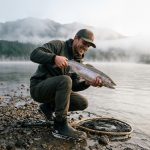
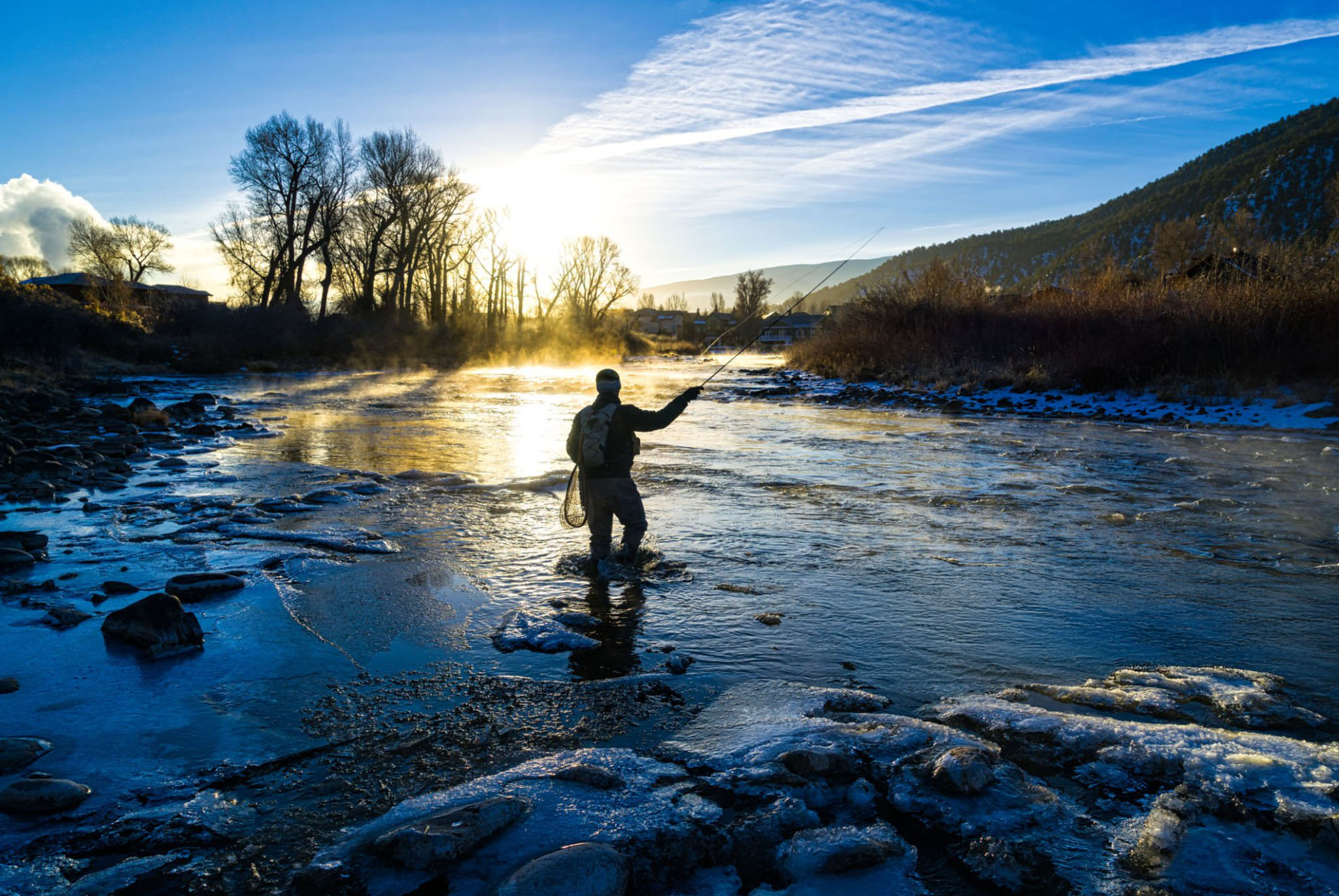
When winter settles in and the water temperature drops, even the most aggressive largemouths turn sluggish. Gone are the explosive topwater strikes and fast-paced retrieves — instead, every bite feels subtle, every move deliberate. For serious bass anglers, cold-weather fishing becomes a test of patience, precision, and finesse. If you want to put bass in the boat when the frost coats the deck and the lake is glass-still, you’ll need to master the art of light-line tactics.
Understanding Winter Bass Behavior
Bass are cold-blooded, which means their metabolism slows dramatically in frigid water. When temperatures dip below 50°F, their need for food decreases, and so does their willingness to chase. They become lethargic, conserving energy by staying near deeper structure or in areas where the temperature is most stable.
In these conditions, bass won’t respond to big, fast-moving lures. Instead, they wait for easy prey — something small, slow, and natural that drifts into their strike zone. That’s where finesse fishing shines.
Why Light Line Makes the Difference
In cold, clear winter water, visibility increases — and bass have all the time in the world to inspect your presentation. Heavy line can appear unnatural, killing your chances before you even feel a bite. Switching to light line, typically between 4–8 lb fluorocarbon, allows your lure to move freely and appear more lifelike.
Fluorocarbon also sinks and stays nearly invisible underwater, which enhances subtle presentations. Pair that with a spinning setup, and you’ll be able to cast lighter baits farther, maintain better feel, and detect even the faintest winter bite.
Top Finesse Rigs for Cold-Weather Bass
When the frost sets in, your tackle box should reflect subtlety. Big, noisy lures can spook fish in the cold. Here are the top light-line rigs that consistently catch bass when the water feels like ice:
1. Drop Shot Rig
The drop shot is a cold-water classic. It keeps your bait suspended just above the bottom, right where winter bass often hold.
- Use a 1/8 to 1/4 oz weight and a size 2–4 drop shot hook.
- Rig a small finesse worm, shad-style bait, or minnow imitation.
- Keep movements subtle — a gentle shake or slow lift-drop motion is all you need.
2. Ned Rig
Simplicity at its finest. The Ned rig uses a small mushroom jighead paired with a short, buoyant plastic that stands upright on the bottom.
- Ideal for cold, calm days when bass won’t chase.
- Let the bait sit still for long pauses; the buoyant tail will do the work for you.
- Use natural colors like green pumpkin or brown.
3. Shaky Head
The shaky head excels in cold water because it allows a soft plastic worm to quiver naturally without much effort.
- Use lightweight jigheads (1/16–1/8 oz).
- Slowly drag or hop along the bottom with long pauses.
- Perfect for targeting deep points and rocky transitions.
4. Small Jigs with Trailers
A 1/4 oz finesse jig paired with a compact craw trailer can imitate a sluggish baitfish or small crayfish.
- Focus on vertical structure or deep brush piles.
- Hop it gently and let it rest — bites often come when the lure is motionless.
Presentation: Less Is More
In winter, movement can be your enemy. Bass aren’t in a chasing mood, and too much action can turn them off. Instead of shaking or hopping your bait constantly, focus on maintaining bottom contact and letting your lure “breathe” naturally.
A simple rule: Pause twice as long as you think you should. What feels like forever to you might be just enough to tempt a slow-moving bass into striking.
Patience isn’t just a virtue in cold-weather fishing — it’s a weapon.
Gear Setup for Finesse in the Cold
Finesse fishing demands precision gear. Every component — from rod sensitivity to line diameter — plays a part in detecting those subtle winter bites.
- Rod: 6’10”–7’2” medium-light spinning rod with a fast tip for sensitivity.
- Reel: 2500-size spinning reel with smooth drag.
- Line: 6–8 lb fluorocarbon main line or braid with fluorocarbon leader.
- Baits: Stick worms, small swimbaits, finesse craws, and 3-inch grubs.
Make sure your drag is properly set. Cold bass often just “mouth” the bait — if your drag’s too tight, you’ll pull the hook out before they commit.
Location: Go Deep and Think Structure
During the frost, bass seek warmth and stability. That means deeper water and structure that retains heat — rocky points, ledges, submerged timber, and channel bends.
Use your electronics to find bait clouds or subtle contour changes where bass might be staging. Once located, work your finesse presentation slowly through the area. You’re not covering water — you’re methodically dissecting it.
On sunny afternoons, don’t overlook shallower pockets near deep access. Even a few degrees of warmth can draw sluggish bass up to feed briefly.
Reading the Conditions
Winter success depends on reading subtle environmental cues:
- Barometric pressure: Stable pressure is best; big swings shut down bites.
- Sunlight: Midday sun can warm shallow flats slightly — fish them slow and low.
- Wind: A light ripple helps break surface visibility; total calm often calls for ultra-natural presentations.
Every day is different, and small adjustments can be the difference between a skunk and a solid limit.
Mental Game: Patience and Precision
Cold-water finesse isn’t just about the right rig — it’s about discipline. Many anglers give up too early, convinced the fish aren’t there. But winter bass fishing rewards persistence.
Be deliberate. Cast accurately. Feel every bump of the bottom. When a fish finally bites, the strike will feel almost imperceptible — a slight tick or weight change. That’s your moment to set the hook gently but firmly.
As seasoned anglers say, “In winter, it’s not about how many casts you make — it’s about how well you make them.”
Final Thoughts
Fishing through the frost isn’t for the impatient. It’s for those who understand that finesse and light line can turn a frozen morning into a memorable day.
By mastering these subtle techniques — slowing down, downsizing, and trusting your senses — you’ll not only catch more winter bass, but you’ll also become a sharper, more complete angler.
Because when the water’s cold and the bite is faint, finesse isn’t just a tactic — it’s the only way forward.