

For most anglers across the Gulf Coast and Southeastern states, redfish aren’t just another target—they’re a way of life. From the backwater bayous of Louisiana to the windswept surf of Texas and Florida, these copper-bronze predators follow an ancient rhythm guided by one key factor: water temperature. As the seasons shift, so do redfish movements—transforming calm bays into fall feeding frenzies and pushing schools into deeper Gulf waters as the chill sets in.
Understanding how temperature drives these migrations doesn’t just make you a better angler—it connects you to the natural pulse of the coast.
The Seasonal Pulse of Redfish
Redfish (also called red drum) are opportunistic and hardy, but they’re also highly sensitive to water temperature. Throughout the year, they move between shallow estuaries, coastal bays, and nearshore Gulf waters, following warmth, oxygen levels, and baitfish availability.
Here’s how the cycle unfolds across the seasons:
Spring: The Return to the Bays
As the Gulf begins to warm into the mid-60s, redfish return from their deeper winter haunts to feed in the shallows. Shrimp, crabs, and mullet begin to stir, and redfish take full advantage. You’ll find them tailing across grass flats, cruising oyster bars, and prowling the edges of bayou cuts.
The best action happens when water temperatures hover between 68°F and 75°F—the range that triggers both feeding activity and pre-spawn movement.
Summer: Shallow Heat and Deep Refuge
By mid-summer, bay waters can climb into the mid-80s, sometimes even hotter. Redfish respond by shifting their patterns—feeding aggressively during early morning and late evening, then sliding into deeper channels and passes as the sun climbs.
In this period, oxygen levels matter as much as temperature. Grass flats and marsh creeks that were redfish hotspots in May may become stagnant by July. The fish move to areas with tidal flow—like jetties, bridges, and inlets—where cooler, oxygen-rich water refreshes the system.
Fall: Feeding and Schooling Up
When the first cold fronts start brushing the Gulf Coast, water temps drop back into the 70s—and the redfish bite explodes. Fall is a biological cue for redfish to feed heavily before winter and for larger adults to begin spawning near the passes and barrier islands.
Massive schools—sometimes hundreds strong—form just outside the bays. These “bull reds” (over 27 inches) feed on mullet, menhaden, and crabs, often erupting in surface blitzes that light up the horizon. For surf anglers and boaters alike, this is prime time.
Winter: Deep Water and Thermal Refuge
Once the water dips below 60°F, redfish retreat to deeper, more stable environments. They gather in ship channels, tidal rivers, and deep bends of bayous where the temperature fluctuates less dramatically.
Cold snaps can push them tight to the bottom, often becoming sluggish and selective. But on sunny days, when the shallows warm a few degrees, smaller slot reds creep back onto mud flats and dark-bottomed coves to bask in the radiant heat.
Temperature: The Invisible Map
The Gulf may look endless, but redfish follow invisible boundaries defined by temperature gradients.
- Below 55°F: Metabolism slows; fish become lethargic and hold deep.
- 60°F–68°F: Activity rises; redfish spread through deeper bay channels.
- 68°F–75°F: Peak feeding and shallow movement.
- Above 80°F: Fish seek cooler refuge in deeper or shaded zones.
Smart anglers use this data like a chart. In winter, that might mean probing 20-foot holes with soft plastics. In summer, it could mean targeting a wind-swept flat right as an incoming tide pushes cooler Gulf water across the grass.
Tracking the Movement: From Bay to Gulf
The migration isn’t a single event—it’s a continual flow. Juvenile redfish dominate the bays and estuaries year-round, while the larger breeders move between nearshore Gulf waters and coastal passes depending on temperature and spawning cycles.
- In the Bays: Look for slot reds cruising mud flats, oyster reefs, and grassy shallows.
- At the Passes: During fall and spring transitions, large schools gather near tidal inlets—perfect for surf casting or kayak anglers.
- Offshore Structure: In winter, redfish hold near reefs, rigs, and deeper ledges just a few miles offshore, where water temperature remains more consistent.
This rhythm connects every redfish angler—from waders in a Texas marsh to boaters off Panama City—through the same thermal-driven migration.
Lure and Bait Selection by Season
Matching your approach to the water temperature pays dividends:
- Spring: Soft plastics and gold spoons fished across grassy flats imitate mullet and shrimp.
- Summer: Topwaters at dawn, then deeper-running plugs or jigs when the sun rises.
- Fall: Live mullet, menhaden, or crab chunks near passes to tempt spawning bulls.
- Winter: Slow down. Use scented soft baits, shrimp imitations, or natural bait on the bottom—let it sit, and wait for the thump.
Gear Up for Changing Conditions
Redfish migrations mean changing environments—muddy bays, sandy passes, or surf zones with crashing waves. Dressing right keeps you in the game longer:
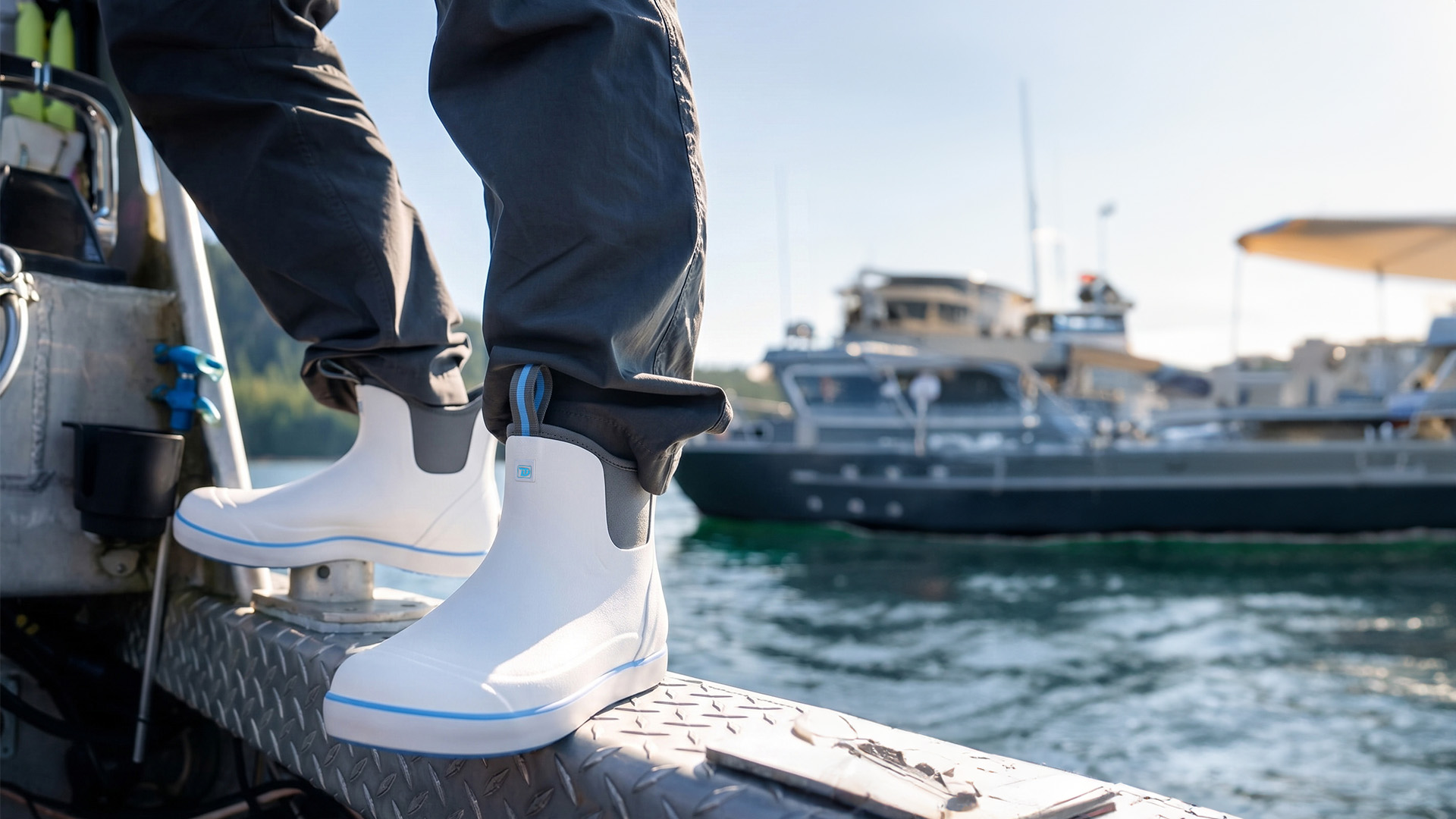
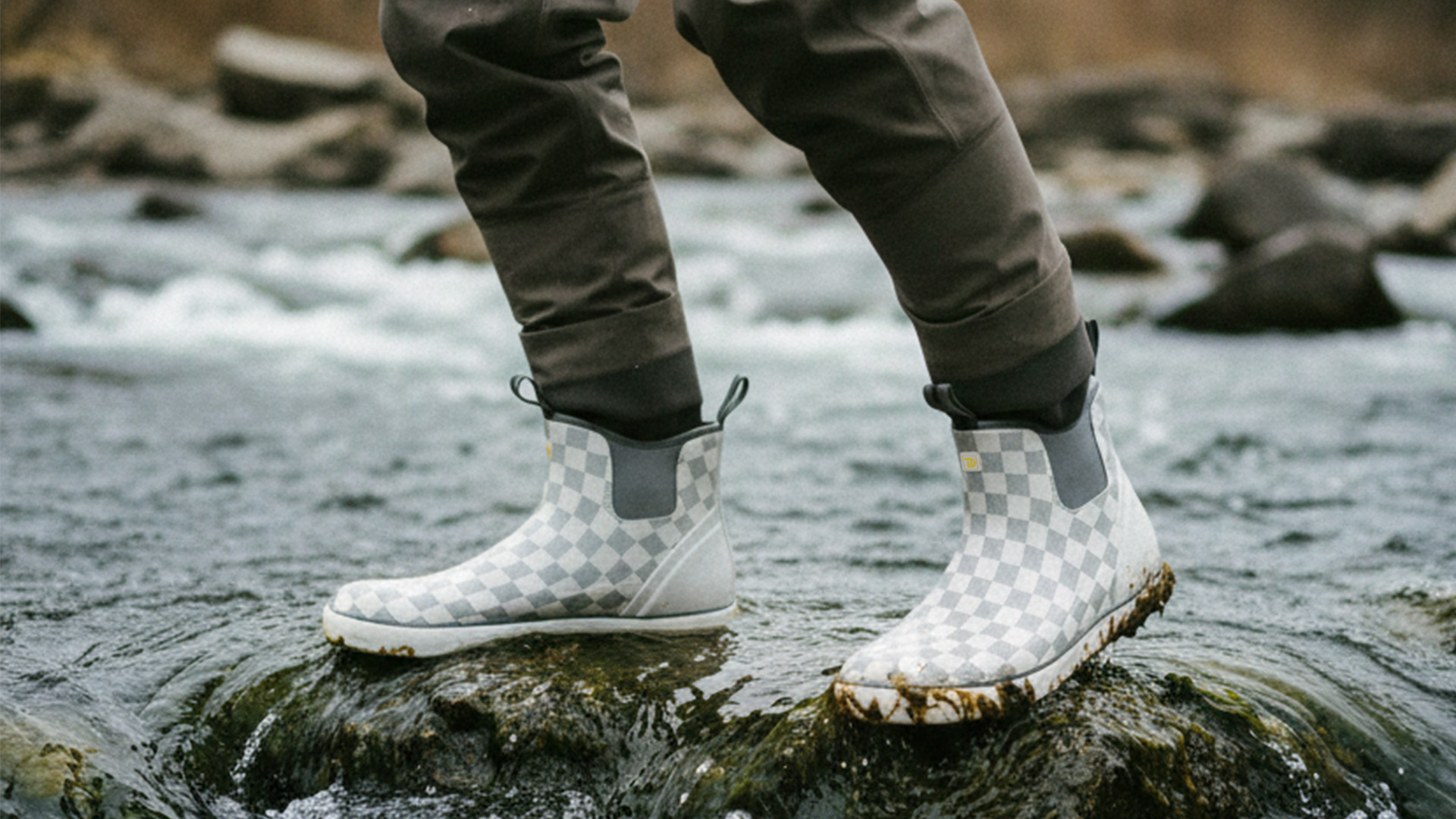
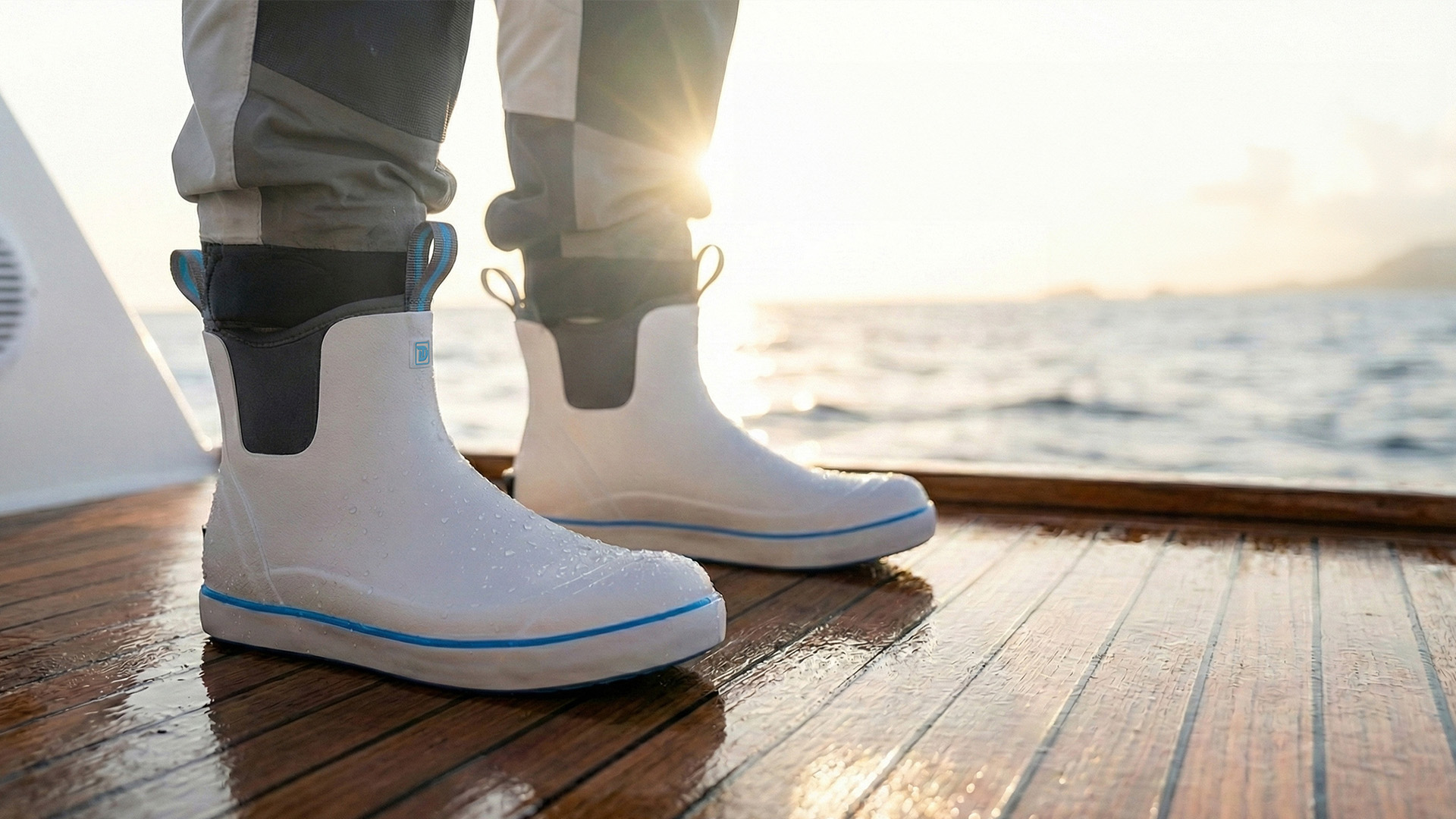
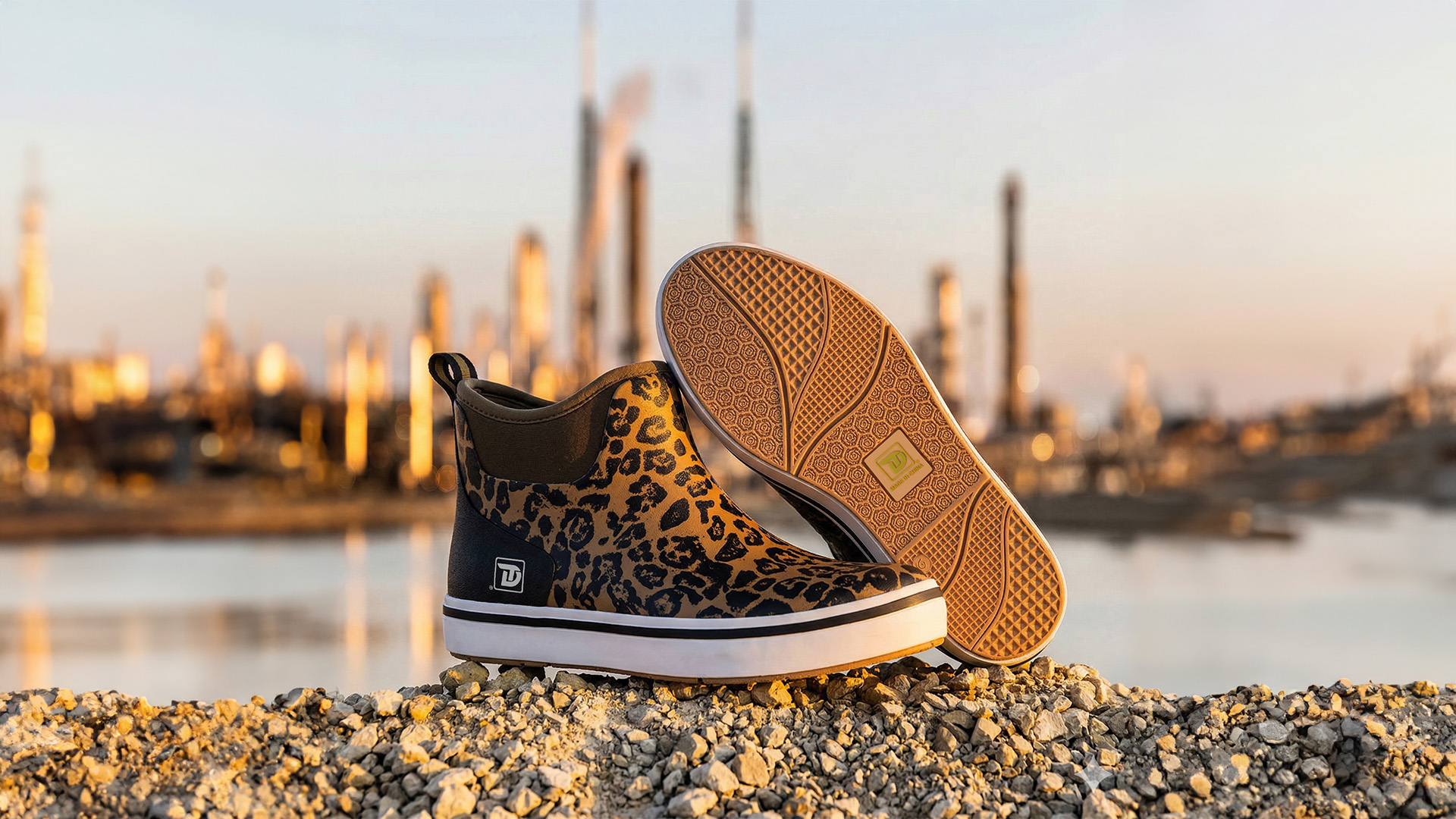
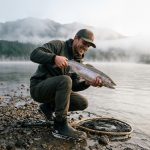
- Waders and Waterproof Boots: Insulated or breathable Trudave or Hisea waders keep you comfortable from marsh to surf.
- Layered Clothing: Gulf weather can shift fast. A cold north wind over warm water can chill you in minutes.
- Polarized Sunglasses: Essential for spotting tailing reds and reading current lines on sunny days.
The Reward of Understanding the Rhythm
The beauty of redfish season isn’t just the catch—it’s the chase. Knowing how water temperature pulls these fish from bay to Gulf lets you predict where they’ll be before you even launch.
It’s about reading the subtle changes—a thermometer swing, a shift in tide color, a new breeze off the Gulf—and realizing that every move the redfish make is tied to that silent underwater world.
For the angler willing to watch the temperature and follow the pattern, the migration becomes more than a mystery—it becomes a roadmap to some of the best inshore fishing the coast has to offer.