

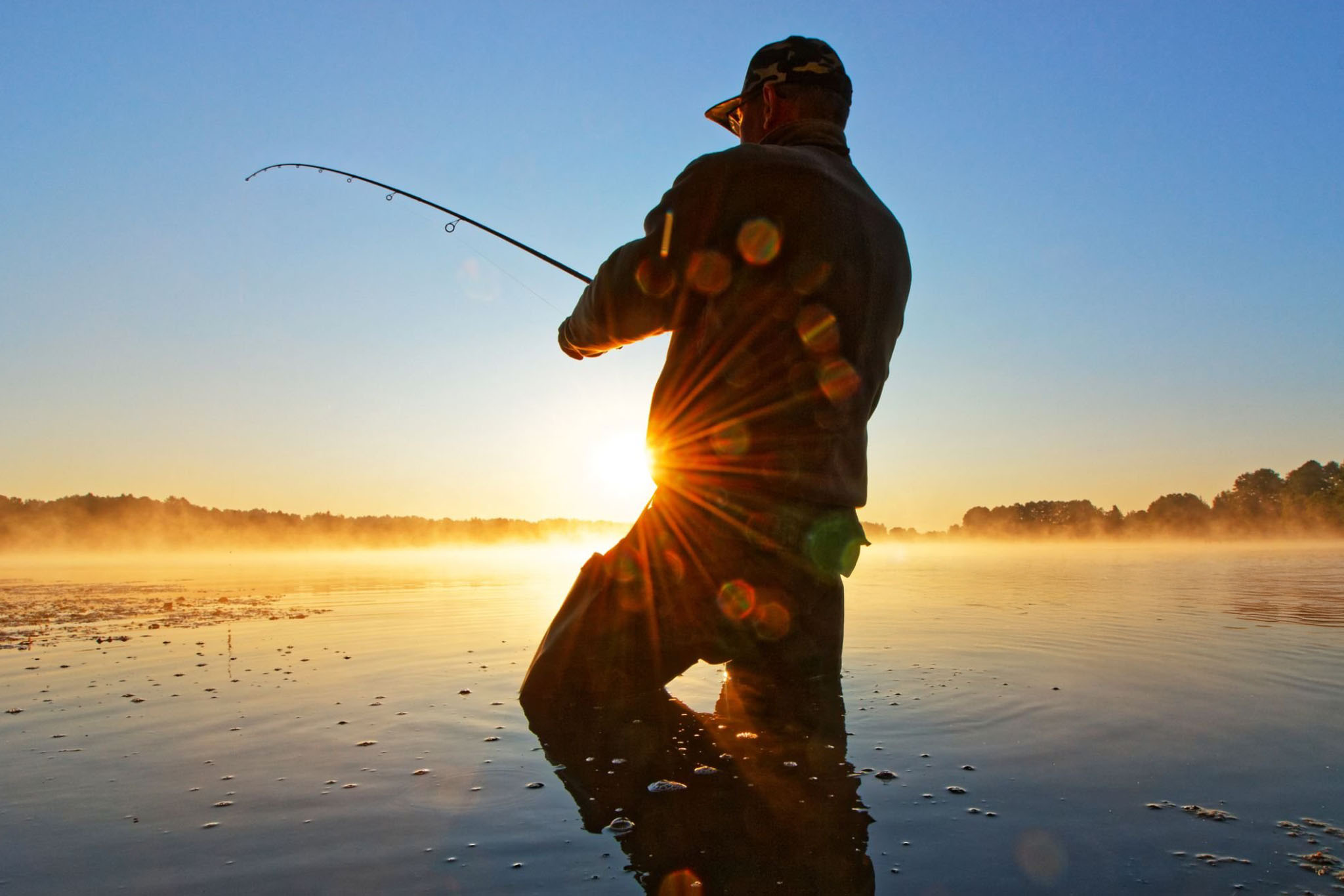
When winter locks down your favorite lake, many anglers hang up their rods and wait for spring. But for those who understand how cold water changes everything, winter can be one of the most rewarding times to fish. The key? Slow down—really slow down.
Winter fishing is all about precision, patience, and reading the water. Fish metabolism drops, their strike zones shrink, and every movement of your jig has to look deliberate and natural. Mastering the art—and science—of a slow presentation separates the frustrated from the successful.
Why Slow Matters in Winter
Fish are cold-blooded creatures. As the water temperature drops, so does their metabolism. A bass that would chase a fast-moving crankbait in summer might barely move a few feet for food in January. Their digestion slows, energy conservation becomes critical, and feeding windows shrink dramatically.
That’s why slowing your jig presentation isn’t just a tactic—it’s biology. You’re aligning your approach with how fish think and move in the cold.
The general rule? When you think you’re fishing slow enough, slow down even more.
The Jig: Your Winter Weapon of Choice
While many lures lose effectiveness in frigid water, jigs remain one of the most reliable options. Their versatility, natural fall, and subtle movement imitate an easy meal—something sluggish fish can’t resist.
Here’s what makes a jig deadly in winter:
- Compact profile: Smaller jigs imitate crawfish or dying baitfish, ideal for finicky bass.
- Subtle skirt action: Silicone or living rubber skirts pulse gently even when barely moved.
- Bottom contact: Keeping your jig on or near the bottom mimics winter forage behavior perfectly.
Pair your jig with a finesse trailer—a small chunk or creature bait that moves naturally in cold water without excessive action.
Perfecting the Winter Jig Presentation
The secret to a deadly winter jig isn’t in the cast—it’s in the patience that follows.
- Let it fall naturally
The fall is often when strikes occur. Choose a lighter jig (1/4 to 3/8 oz) to let it flutter down slowly through the water column, giving fish time to notice. - Pause longer than you think
Once your jig hits bottom, let it sit. Count to ten—sometimes even twenty—before your next move. In cold water, stillness looks natural. - Tiny movements win
Instead of big hops, think subtle shakes or slight drags. Just enough to make the skirt pulse or trailer quiver. The goal is suggestion, not aggression. - Feel everything
Winter bites are notoriously soft. A bass might simply inhale the jig and sit. Stay focused—if your line feels heavier, lighter, or moves the slightest bit, set the hook.
Location: Finding Winter Fish
Slow presentations are useless if you’re not fishing where the fish are. During the cold months, bass and other species gravitate to deeper, more stable water.
Key areas to target include:
- Steep drop-offs and ledges where baitfish suspend.
- Rocky bottoms that retain heat.
- Channel bends and creek mouths where oxygen levels remain higher.
- Submerged timber or brush piles that offer protection.
Use electronics or mapping tools to locate these spots. Once you find structure with bait nearby, slow down and thoroughly work it with your jig before moving on.
Weather and Water Clarity Considerations
Winter fishing success often comes down to reading subtle environmental cues.
- Sunny days: Fish may move slightly shallower to soak in warmth—use natural colors like green pumpkin or brown.
- Overcast or windy conditions: Stick to deeper water and darker colors for better contrast.
- Clear water: Finesse presentations and light line (6–10 lb fluorocarbon) make all the difference.
Water clarity also determines your jig color palette. In stained or muddy conditions, black-and-blue combinations stand out best.
Equipment That Complements the Slow Game
A good slow jig presentation starts with the right setup:
- Rod: 7’ to 7’3” medium-heavy with a sensitive tip for feeling light bites.
- Reel: High-quality baitcaster with smooth drag.
- Line: Fluorocarbon for low visibility and sensitivity, usually 10–15 lb test.
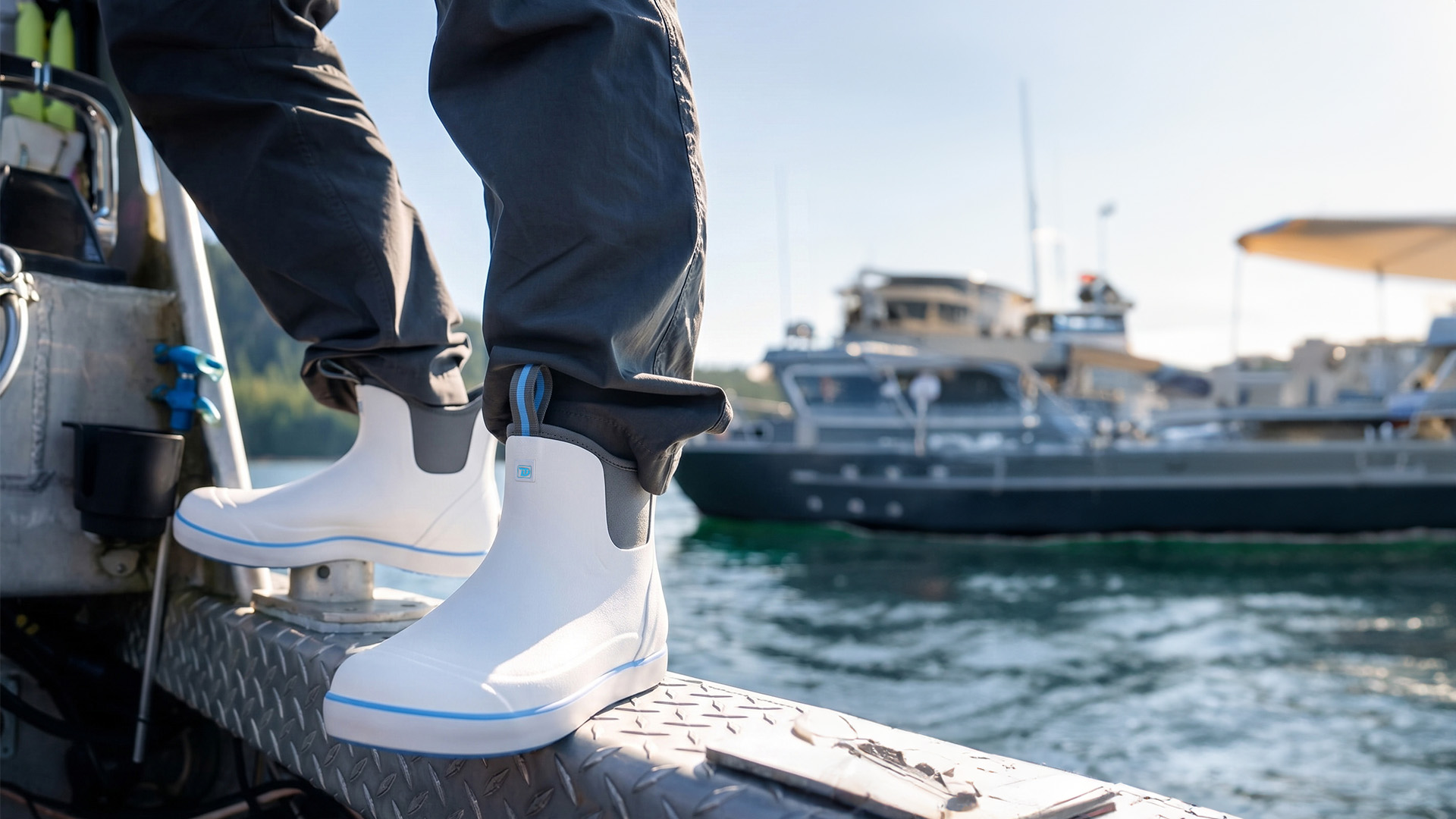
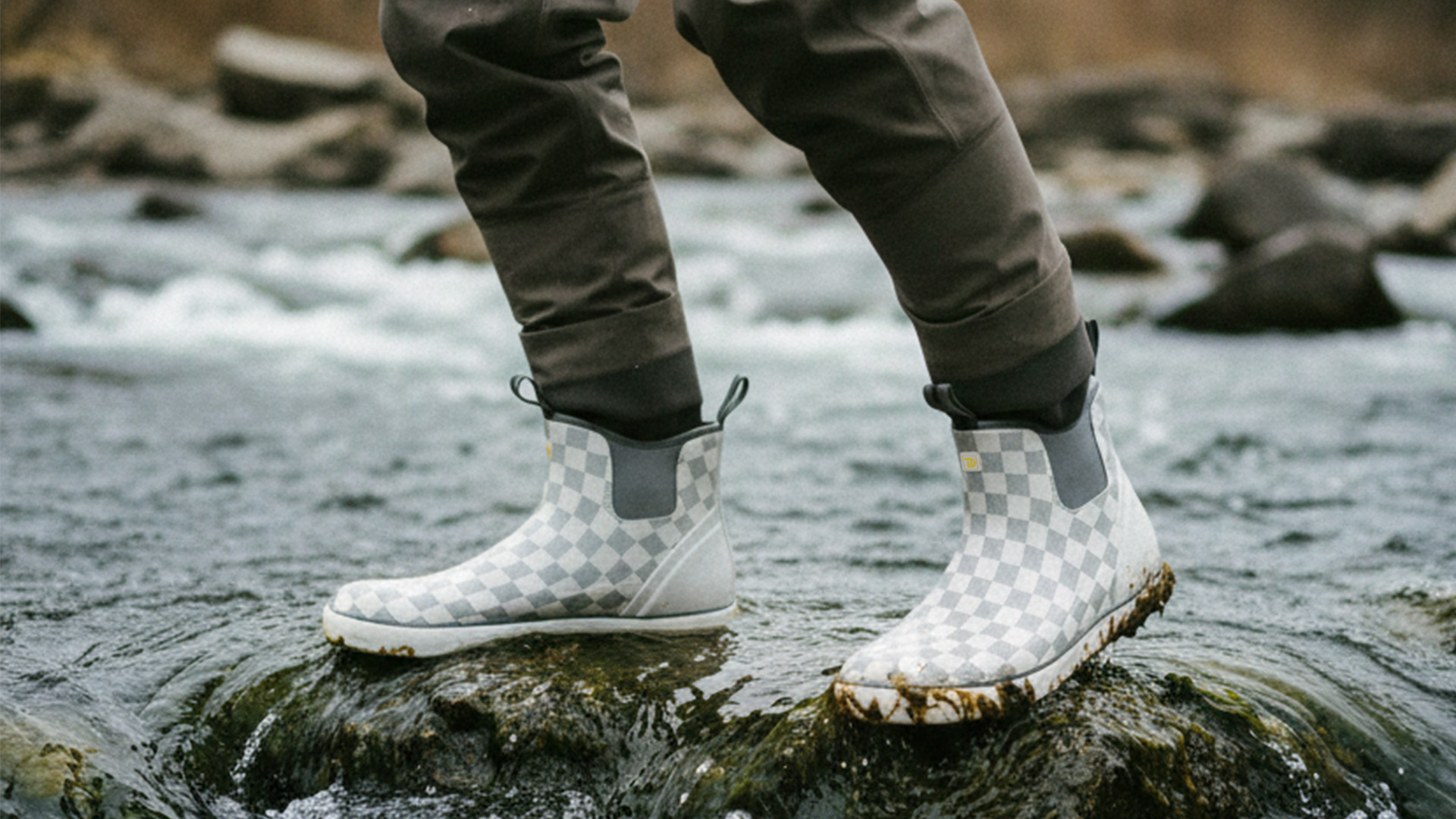
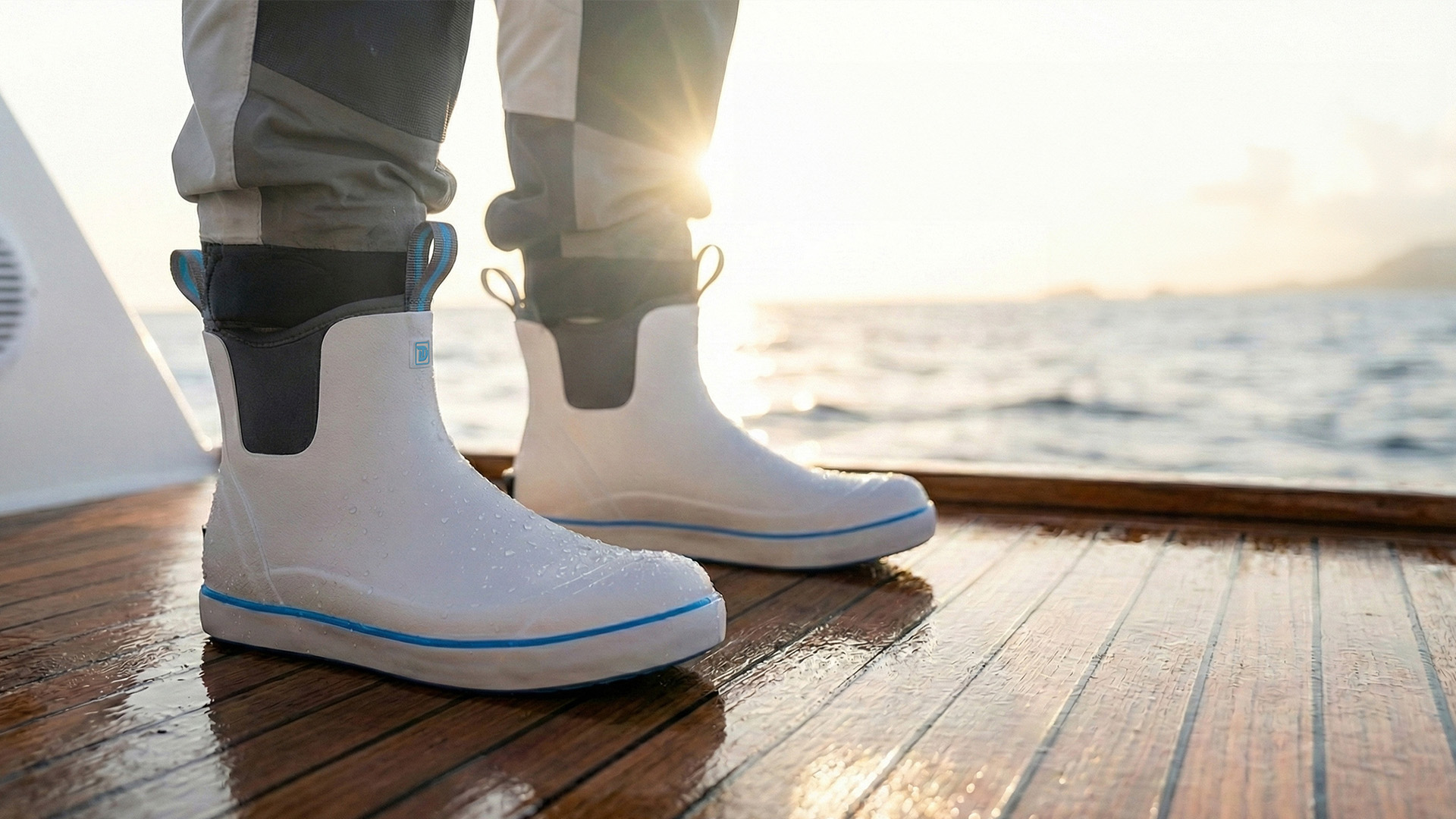
Cold hands can ruin your precision—so don’t underestimate warm, flexible gloves and insulated waterproof boots to keep you comfortable and focused during long sessions.
The Mindset of Patience
Winter jig fishing isn’t a numbers game—it’s about quality bites. You might only get a handful of strikes all day, but each one could be from a heavyweight.
Patience is the real secret weapon here. Many anglers quit too soon, assuming the fish aren’t active. But often, it’s the angler who isn’t patient enough. Stay consistent, stay calm, and commit to the slow rhythm winter demands.
Final Thoughts
The “science of slow” is more than a catchy phrase—it’s an understanding of how cold-water ecosystems operate. Every twitch, pause, and drag mimics the natural cadence of a winter meal.
When the air is biting, and the surface water feels like glass, resist the urge to overwork your lure. Let nature—and your jig—do the talking.
Because when everyone else has packed up for the season, the angler who understands the science of slow keeps catching.