When the air bites and the water thermometer drops below 50 degrees, most casual anglers call it quits. But for the diehards, this is when fishing gets real. Cold water brings out the most methodical, calculated side of both fish and fisherman. It’s a game of endurance, precision, and preparation — one where the right gear makes all the difference between frozen frustration and a banner day on the water.
If you’re ready to keep your reel spinning through the chill, here’s how to outfit yourself for success when the mercury dips.
1. Dress for the Elements — Layer Like a Pro
Fishing in sub-50-degree water starts with staying warm and dry. Your comfort directly affects your performance — if you’re shivering, your focus slips, and so does your line control.
Base Layer:
Start with moisture-wicking thermal underwear made of merino wool or synthetic blends. Cotton is a no-go; once it’s wet, it stays wet.
Mid Layer:
Add insulation with fleece or a down vest. This traps body heat while remaining breathable.
Outer Layer:
Finish with a windproof, waterproof shell or bibs, ideally with sealed seams and adjustable cuffs. A pair of waterproof gloves (with exposed fingertips for tying knots) and a neck gaiter make all the difference when wind chill kicks in.
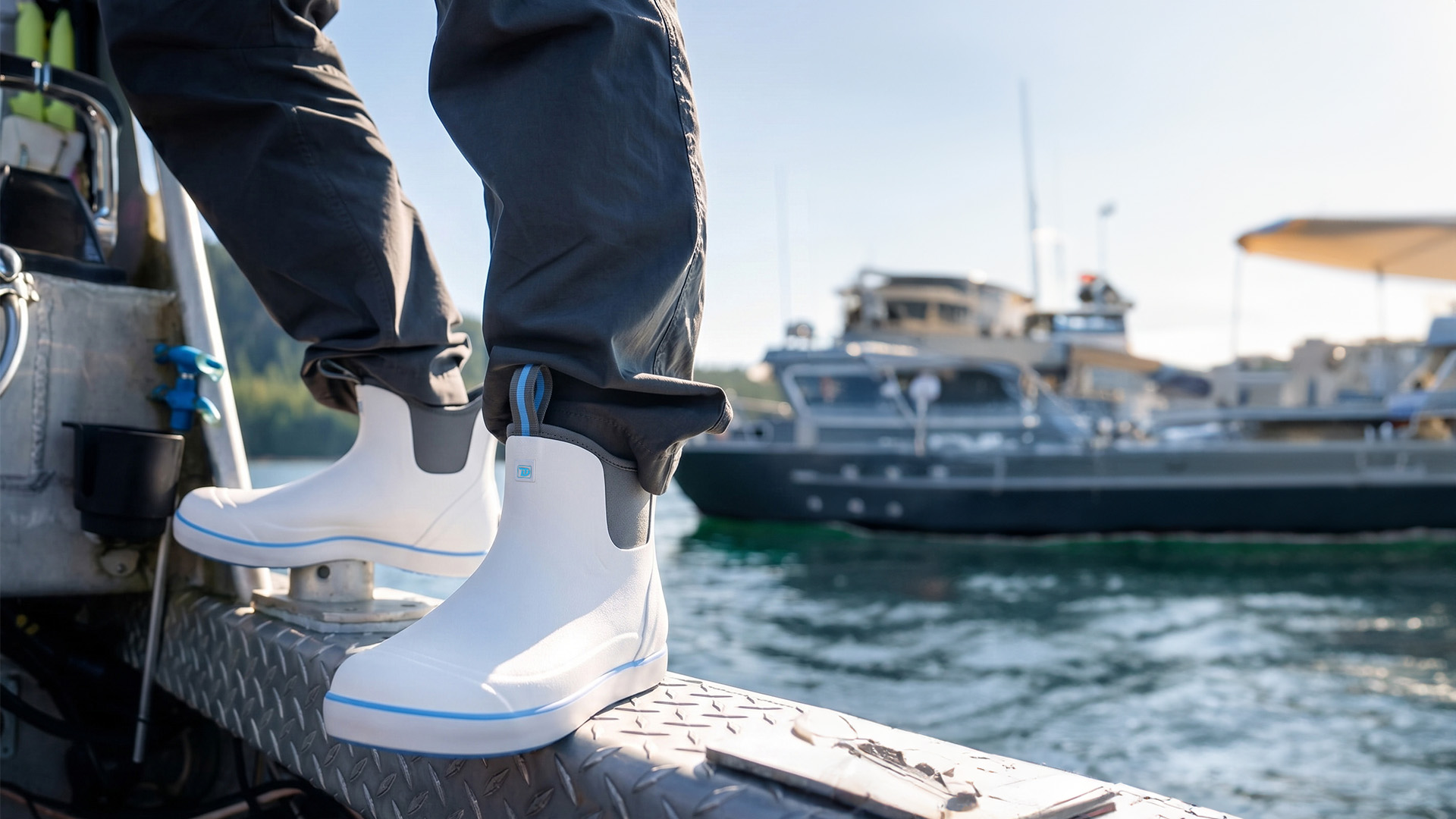
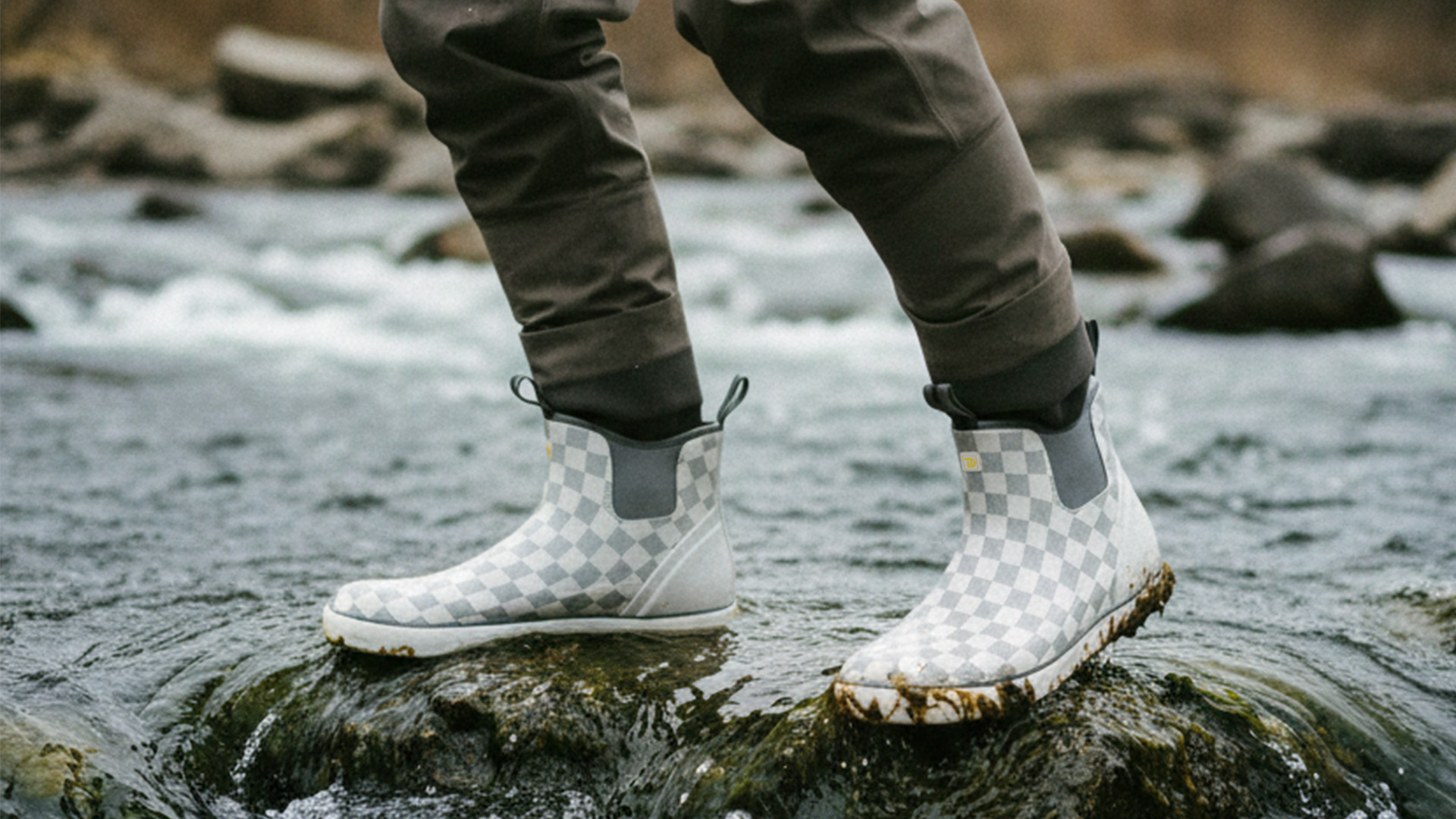
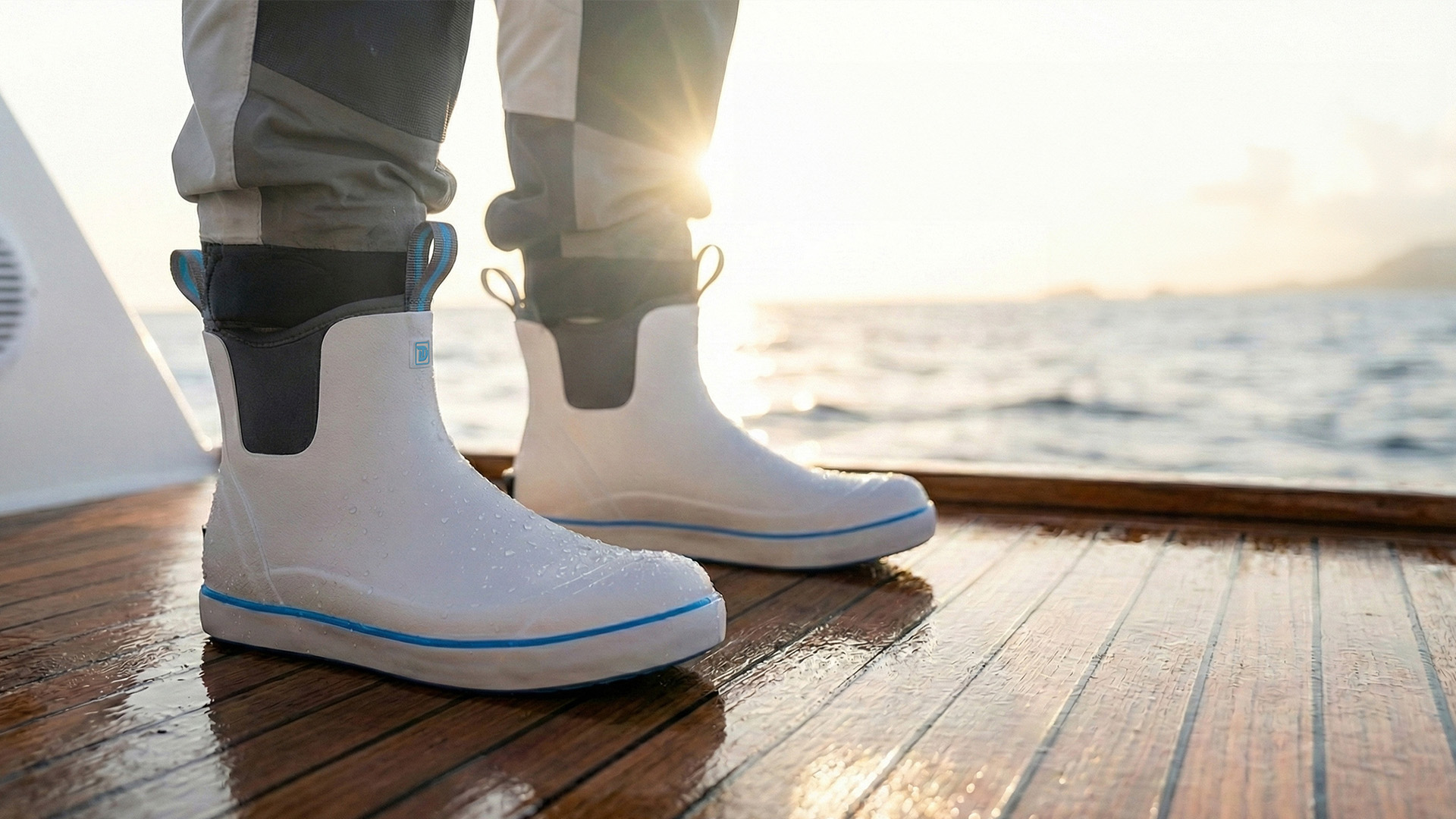
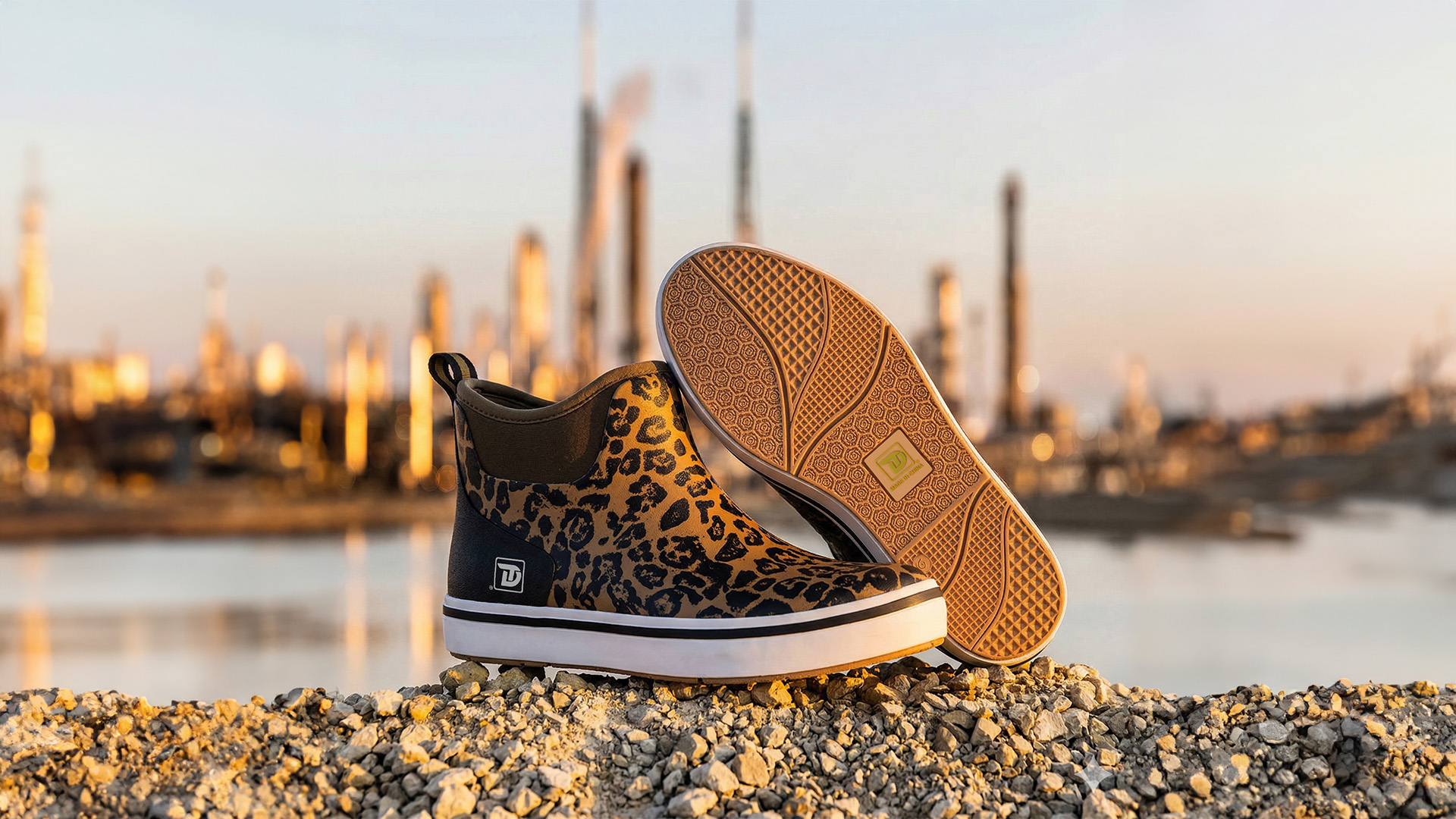
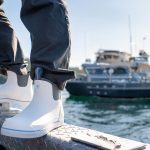
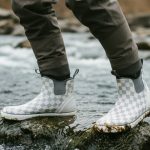
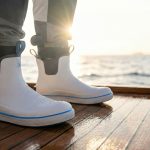
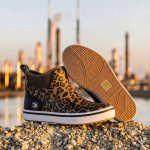
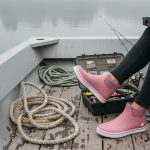
And don’t overlook your feet — insulated, waterproof boots like those from Trudave are essential for maintaining traction and warmth on frosty decks or muddy banks.
2. Cold-Weather Reels and Line Choices
When temperatures drop, water density and line stiffness change — and that can sabotage even the best casts.
Reels:
Look for reels with sealed bearings and smooth drags, built to resist ice buildup. A little reel oil on the spool lip and handle helps prevent freezing in subfreezing temps.
Line:
- Monofilament remains flexible in the cold and is less likely to freeze.
- Fluorocarbon sinks faster and works well in clear, cold water, though it can stiffen up.
- Braided line transmits bites superbly, but tends to freeze — use it with a fluoro leader and keep it dry between casts.
Tip: Before heading out, spray line conditioner (like Reel Magic) to reduce ice buildup and extend casting distance.
3. The Rod Factor — Sensitivity Over Strength
Cold-water fish like bass, trout, and walleye move slower and strike softer. Your rod setup should reflect that.
- Use medium-light or medium-power rods with fast action tips for detecting subtle bites.
- Graphite rods are ideal — lightweight, sensitive, and responsive even when temperatures plunge.
- Match your rod length to your environment: longer rods (7’+) for open water, shorter ones for confined areas or bank fishing.
Remember: in cold conditions, finesse outperforms force every time.
4. Lure Adjustments for Cold-Water Behavior
As water temps drop below 50°F, fish metabolism slows dramatically. They won’t chase aggressive presentations — but they’ll eat a slow, easy target.
For Bass:
- Try suspending jerkbaits, finesse jigs, or slow-rolled spinnerbaits.
- Keep retrieves steady and deliberate, pausing longer between twitches.
For Trout or Steelhead:
- Drift egg patterns, nymphs, or soft plastics naturally in the current.
- Match color to clarity — subtle tones in clear water, brighter hues after rain or melt.
For Walleye:
- Go with blade baits or jigging minnows near structure.
- Focus on midday bites when sunlight slightly warms the shallows.
Fish may not move far for food, but if your presentation lands right in their comfort zone, they’ll commit.
5. Stay Mobile, Stay Smart
Don’t anchor in one spot too long. Cold-water fishing often requires covering more water to locate active fish. Use electronics to find:
- Depth changes — fish relate to subtle breaks this time of year.
- Temperature pockets — even a 2–3°F difference can concentrate fish.
- Bait clusters — birds, ripples, or sonar blips often mark feeding zones.
When you find them, work the area thoroughly with slow retrieves — cold fish won’t chase, but they’ll nibble at what lingers nearby.
6. Protect Your Gear (and Your Hands)
Cold-weather conditions are brutal on equipment. Moisture, ice, and grit can corrode metal or seize up moving parts.
Maintenance checklist:
- Rinse reels with warm water post-trip.
- Lubricate drag systems and handle joints.
- Store rods and reels indoors, not in cold garages.
- Keep extra gloves handy — rotate dry pairs to keep fingers nimble.
A great pair of neoprene fishing gloves offers both dexterity and insulation. Combine them with hand warmers stashed in your wader pockets for all-day comfort.
7. Mind Over Matter — The Cold-Water Mindset
Fishing in sub-50-degree water isn’t just about the right setup — it’s a mental game. You’re not battling the fish as much as the elements.
Be deliberate with every cast. Pay attention to tiny details — line tension, retrieve speed, lure cadence. Cold-water fish reward patience, and the angler who slows down often ends up with the hottest reel on the river.
When others stay home, this is your chance to own the water.
Final Thoughts
Cold-water fishing isn’t easy — it’s earned. But for those willing to layer up and slow down, late fall and early winter can be some of the most rewarding days of the year.
With the right gear, warm hands, and a calm mindset, your reels will stay hot no matter how low the thermometer drops.
So get out there, embrace the frost, and keep casting — the fish don’t stop biting just because it’s cold.