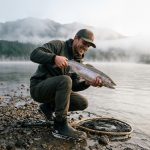
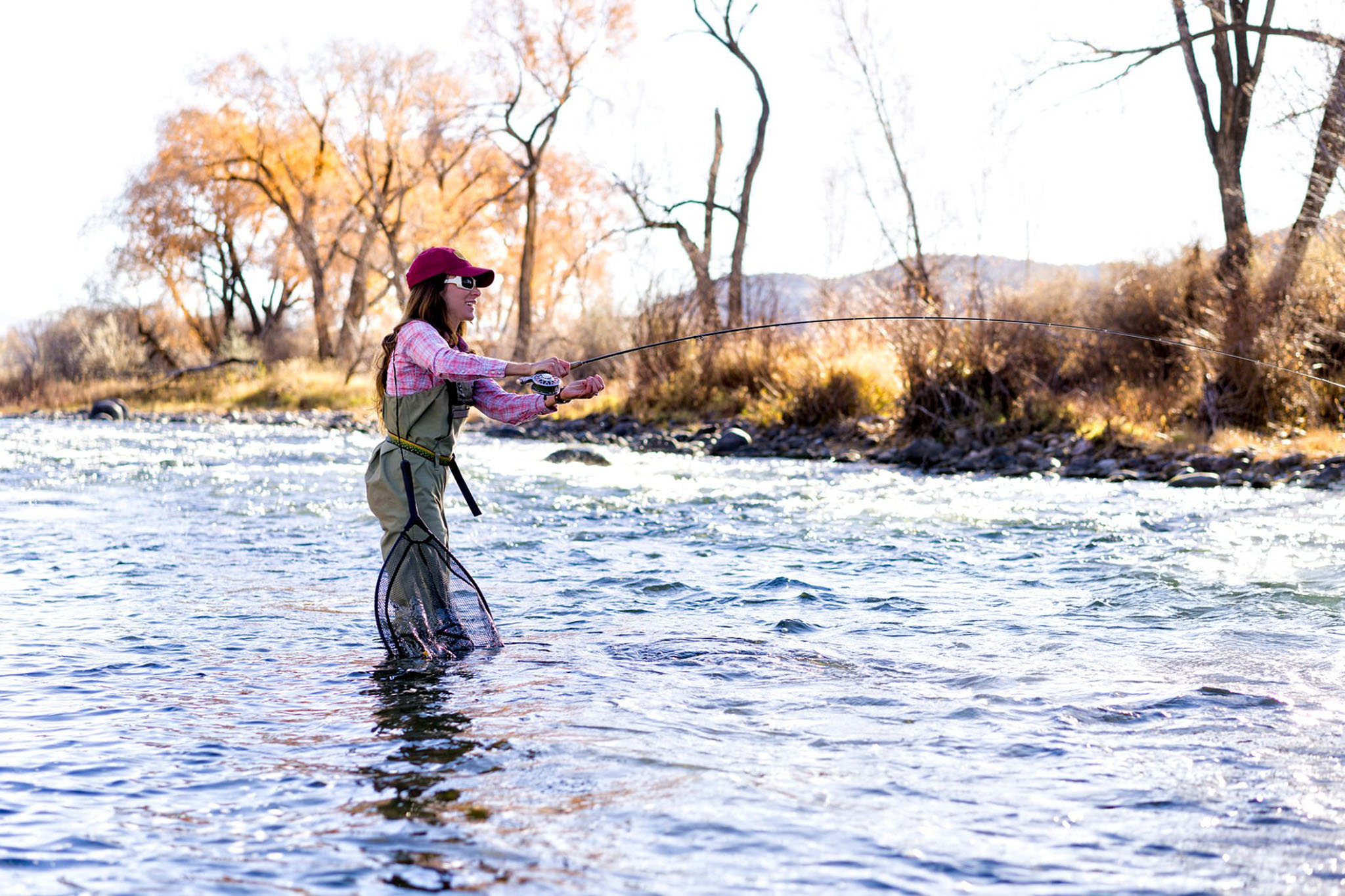
When the air turns crisp and the first hint of frost gathers on the boat ramp, anglers know that it’s time to readjust. Fall and early winter fishing isn’t just about braving the cold — it’s about understanding how fish respond when water temperatures begin to dip. Those degrees of change, even the smallest ones, can completely alter where fish live, how they feed, and what they’re willing to chase. Learning to “read the chill” is what separates a good day on the water from an empty cooler.
The Science Behind the Chill
Fish are cold-blooded creatures — their body temperature matches that of the water around them. As the temperature drops, so does their metabolism. That means slower digestion, less frequent feeding, and a narrower feeding window.
In the summer, warm water speeds up their systems, pushing them to burn energy and eat often. But by late fall, when the surface temps fall below 55°F, everything changes. Bass, crappie, and bluegill begin conserving energy, while species like trout and walleye become more active in the cooler layers where oxygen remains stable.
Understanding these shifts isn’t just about biology — it’s about prediction. If you know how temperature drives behavior, you can predict where fish will move next.
Thermocline Shifts and Depth Adjustments
During summer, the thermocline — the boundary layer between warm surface water and cold bottom water — creates clear temperature zones that fish orient around. When the air cools and the water begins to “turn over,” that thermocline disappears. Cold, oxygen-rich water mixes from top to bottom, scattering fish that had been locked into specific depth ranges.
This turnover can make fishing tough for a week or two. But once it stabilizes, you’ll find baitfish and predators repositioning. Bass often move deeper to follow shad schools, while walleye begin feeding along structure where currents funnel bait. Trout in rivers shift toward slightly warmer, slower-moving pockets — places where they can feed efficiently without burning energy in heavy flow.
Feeding Behavior: From Aggression to Precision
When water temperatures start dropping into the 40s and low 50s, fish stop chasing fast-moving prey. Their strikes become more deliberate, and feeding zones shrink. That’s when finesse becomes your best friend.
- Slow presentations win. A subtle jig, a drop-shot, or a slow-rolled spinnerbait often outperforms flashy cranks.
- Downsize your baits. Match smaller forage like young shad or dying minnows.
- Mind your pauses. Cold-water fish respond to hesitation; a longer pause between twitches can be the trigger.
Predator fish like bass and pike still feed, but their mindset changes — they want easy meals, not marathons. Think of it as the aquatic version of comfort food: small, slow, and easy to catch.
Following the Forage
Temperature drops also affect the food chain. As shallow water cools, baitfish move toward deeper, more stable environments — and predator fish follow. On lakes, this means main-lake points, ledges, and creek channels become highways for movement.
Use your electronics to locate dense bait balls. If you see arches near those schools, you’ve found your zone. Fish won’t stray far from their next meal this time of year, and once you locate the forage, you can work that area methodically to pick off feeding fish.
In rivers, look for current seams — those subtle lines between fast and slow water. They’re perfect ambush points where fish can conserve energy while waiting for bait to drift by.
Timing Is Everything
In fall and early winter, the bite window narrows. Instead of the early-morning frenzy of summer, you might find fish becoming more active around mid-morning or even early afternoon — when sunlight has warmed the water just enough to spark short feeding bursts.
A two-degree rise in temperature can be the difference between a slow day and a limit. Don’t rush off after dawn; instead, time your outings to hit those midday warm-ups when fish metabolism briefly kicks back up.
Gear Adjustments for Cold Conditions
Cold-weather fishing isn’t only about tactics — it’s about staying comfortable and adaptable.
- Use sensitive rods for detecting light bites — fish won’t always hit hard.
- Switch to fluorocarbon for its low visibility and added sensitivity.
- Keep reels lubricated with cold-resistant oil to prevent sluggish drags.
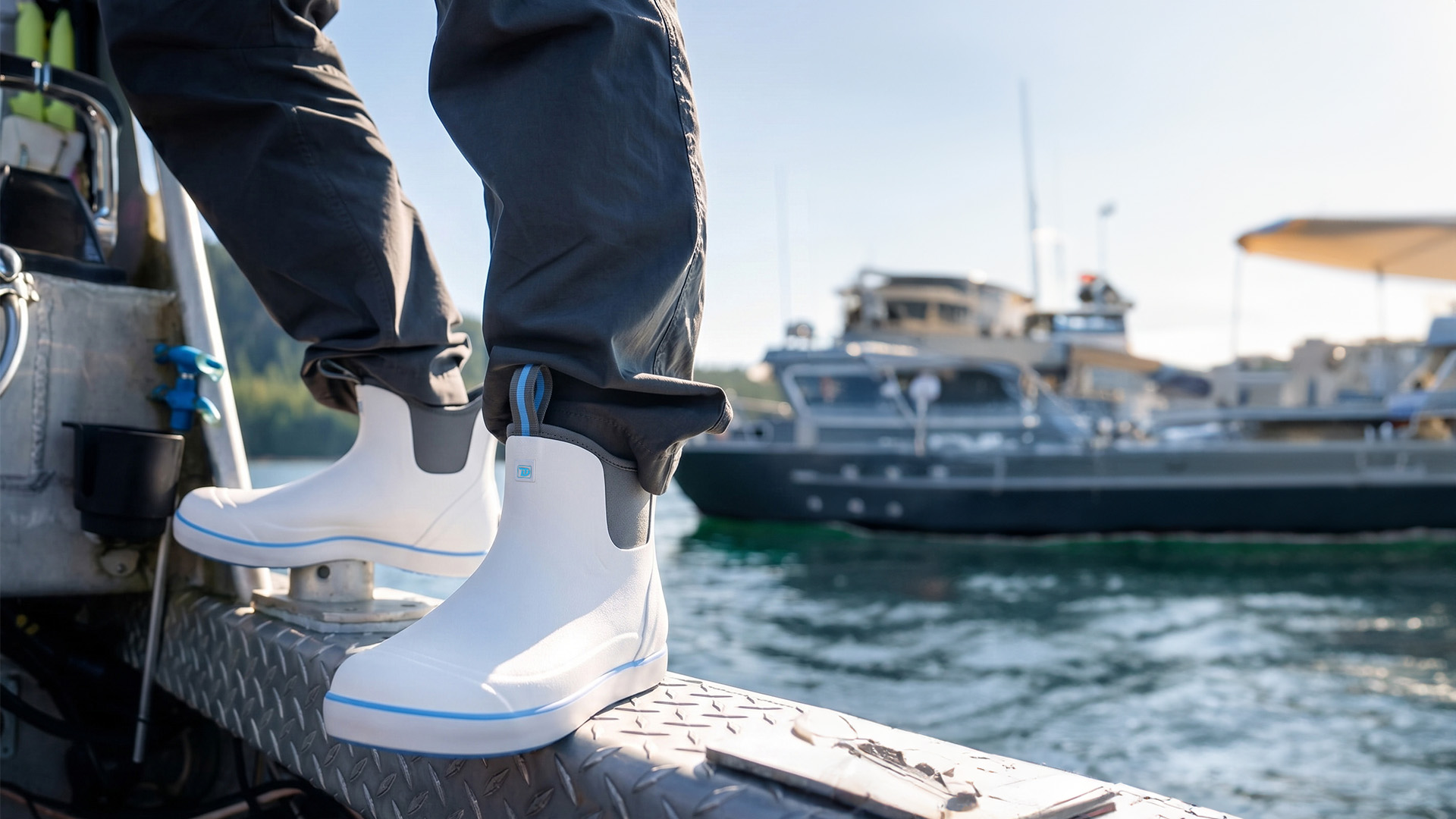
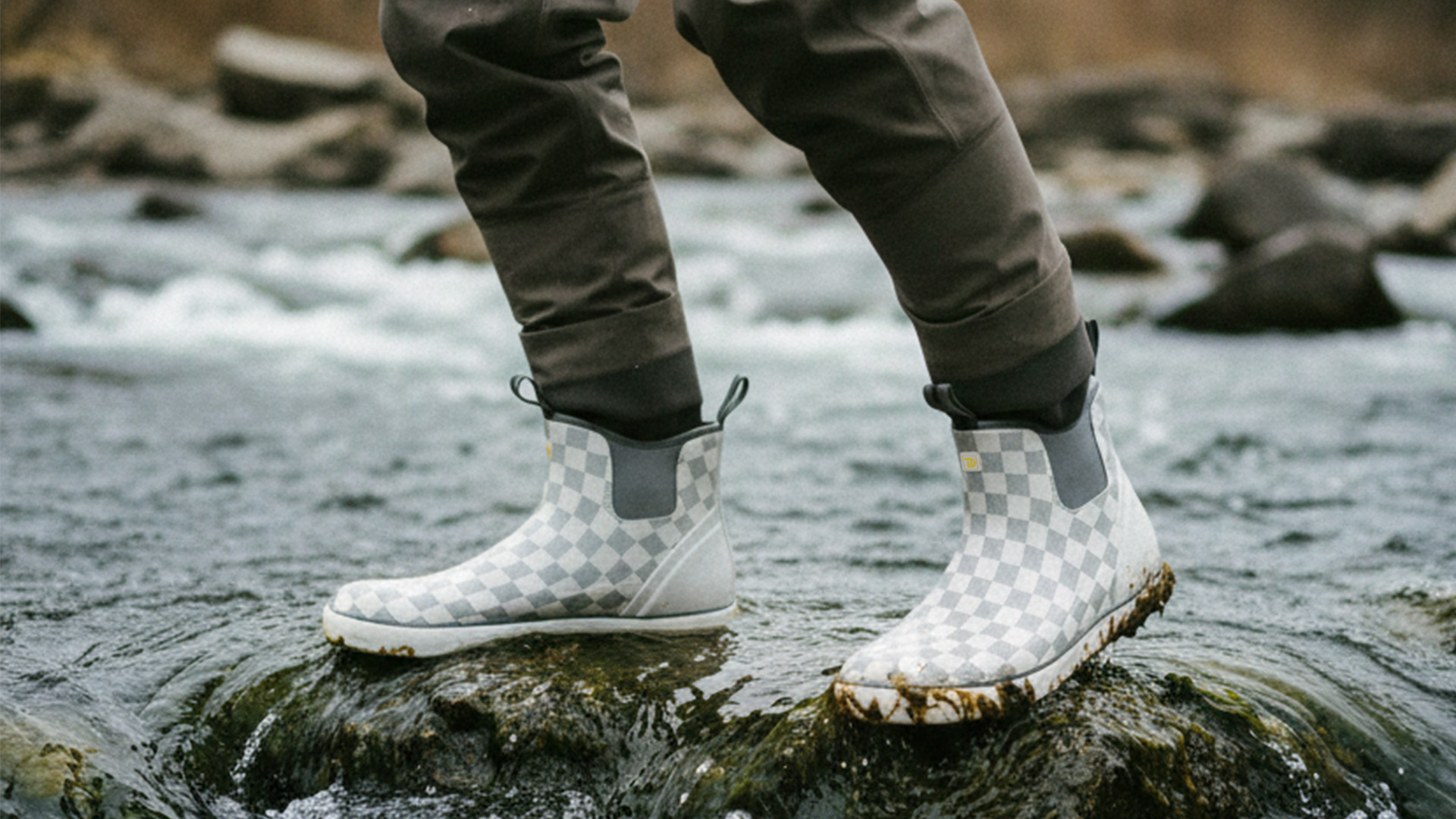
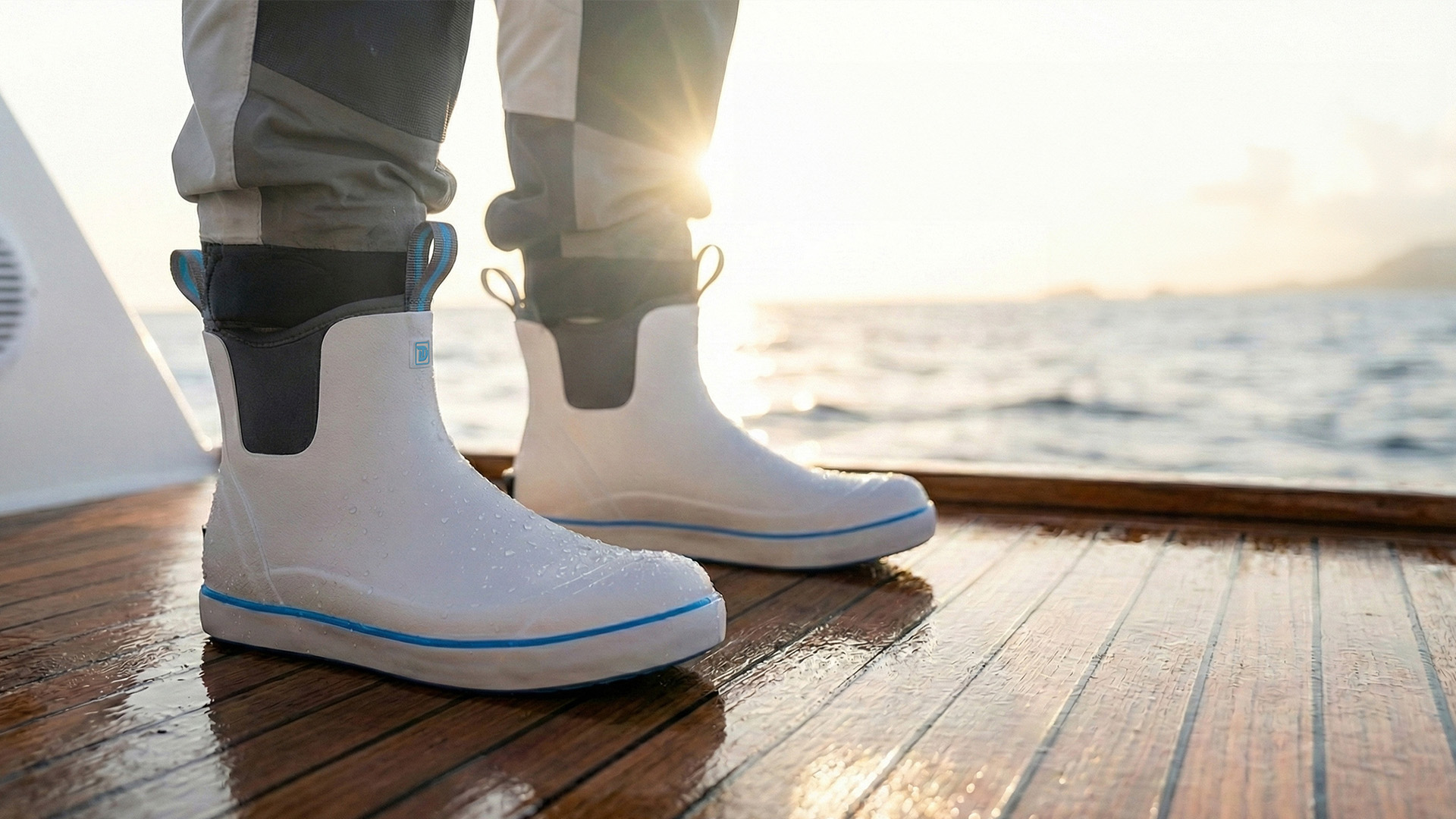
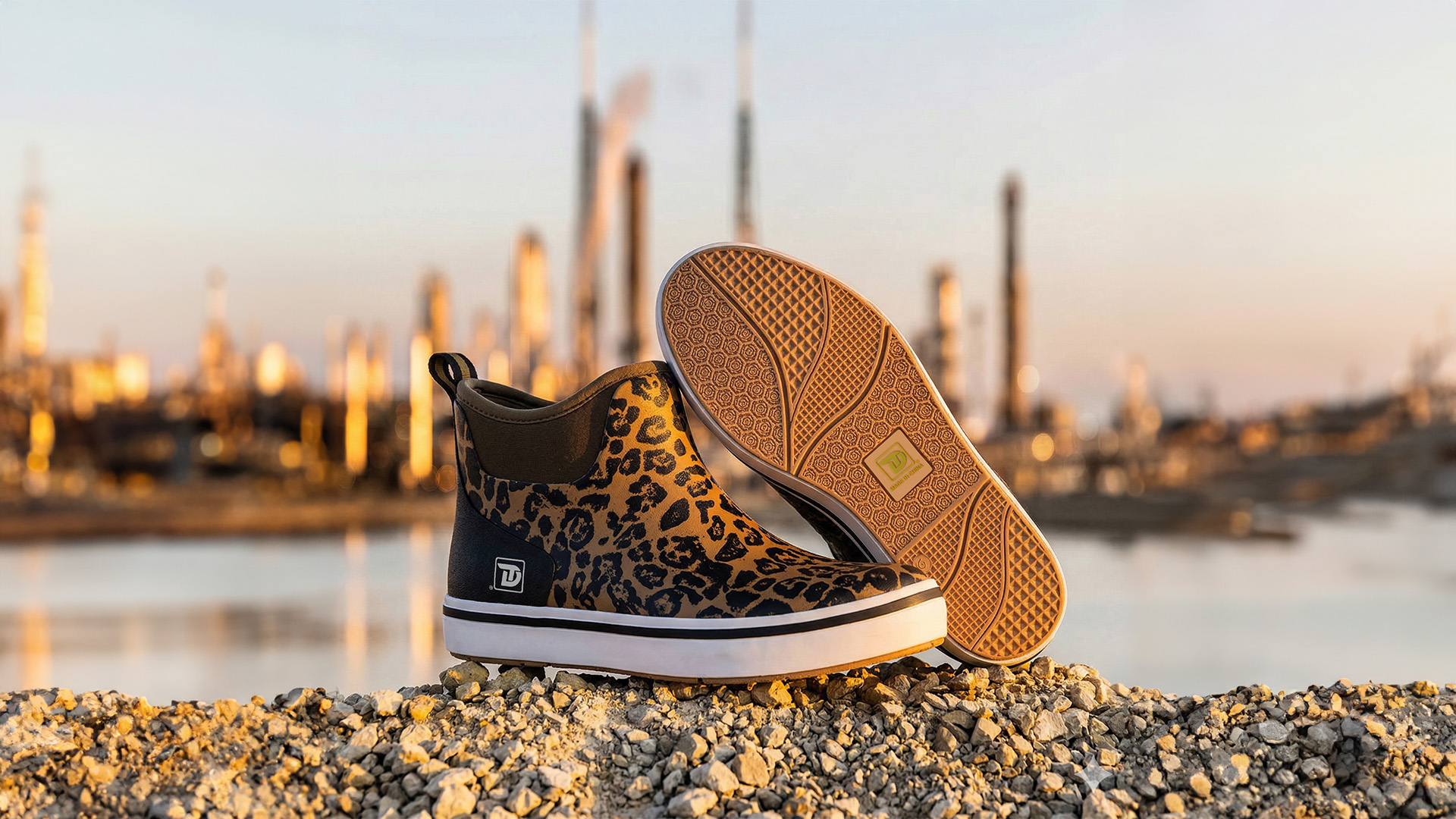
- Wear insulated, waterproof boots and gloves — numb hands miss strikes.
And don’t forget: your line, guides, and reel all behave differently in near-freezing air. Keeping gear dry and functional is as much a skill as choosing the right lure.
Reading the Chill for Success
Water temperature is a language — and experienced anglers learn to read it fluently. Every drop in degrees tells a story: where bait moves, how predators adapt, and when the next bite will come.
When the chill settles in and the fog hangs over the lake, that’s not the end of the fishing season — it’s a new chapter. The fish haven’t disappeared; they’ve simply changed their rhythm. Read the temperature, match their pace, and you’ll discover some of the most rewarding bites of the year waiting in the cold, still water.