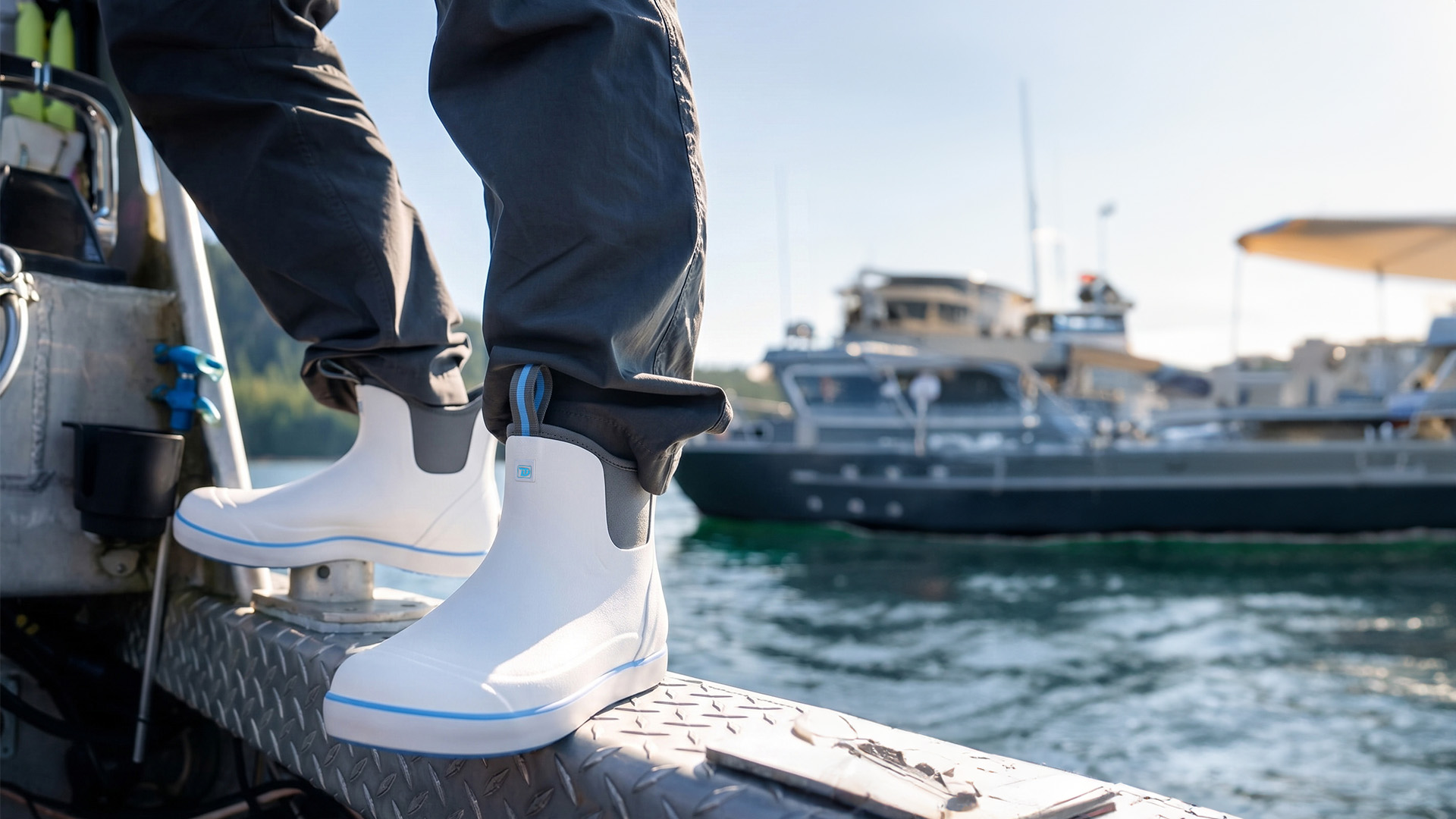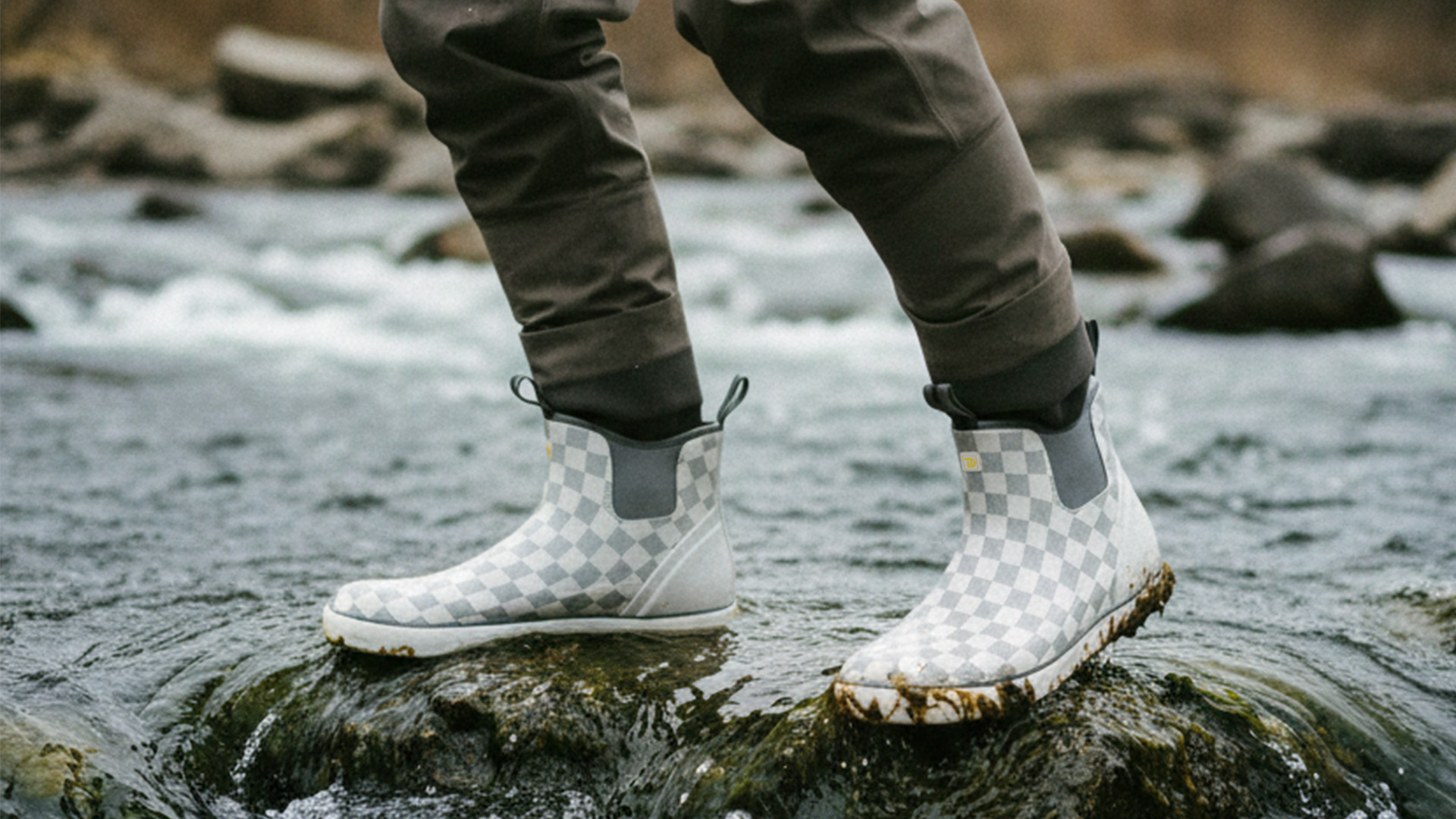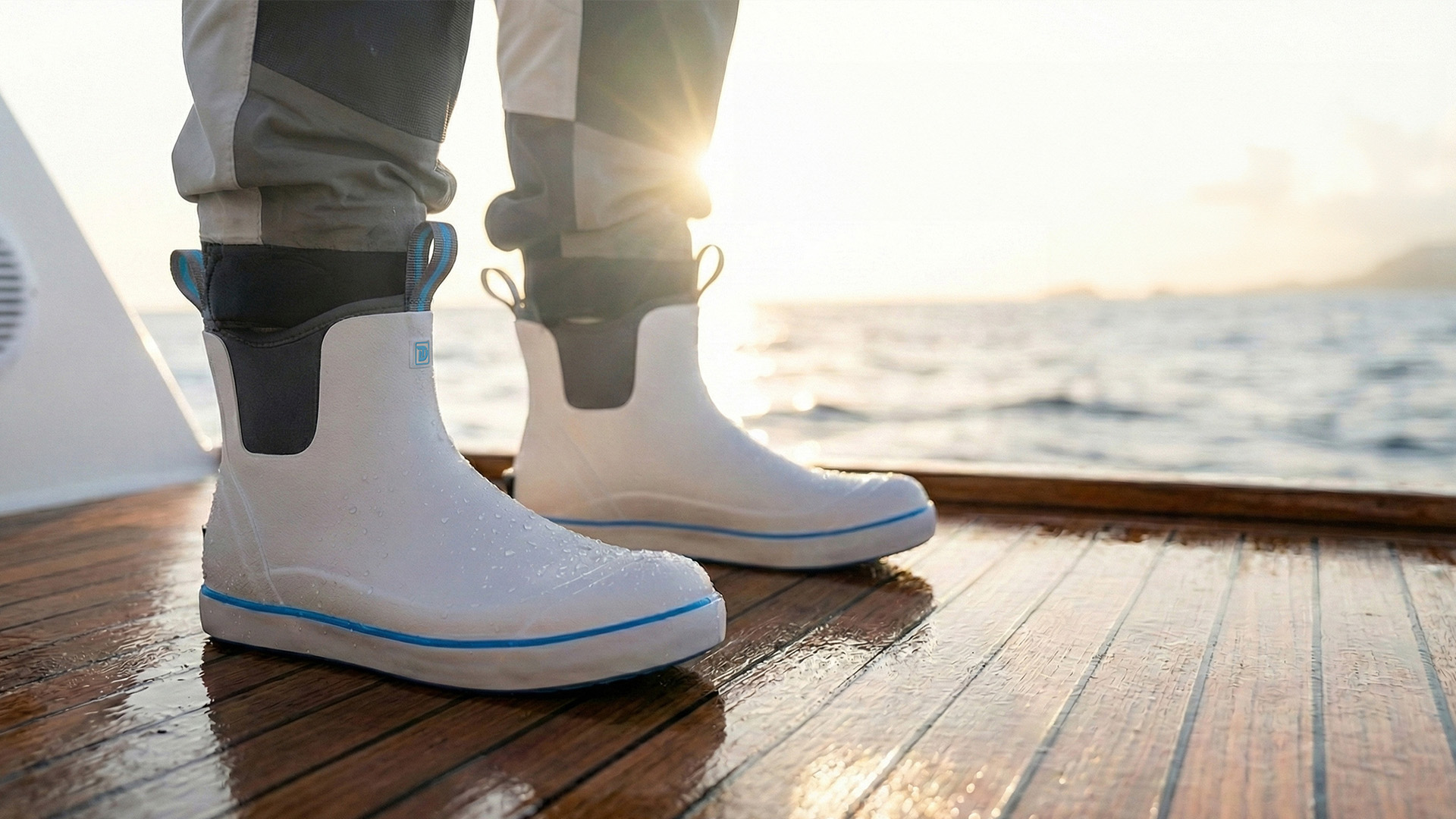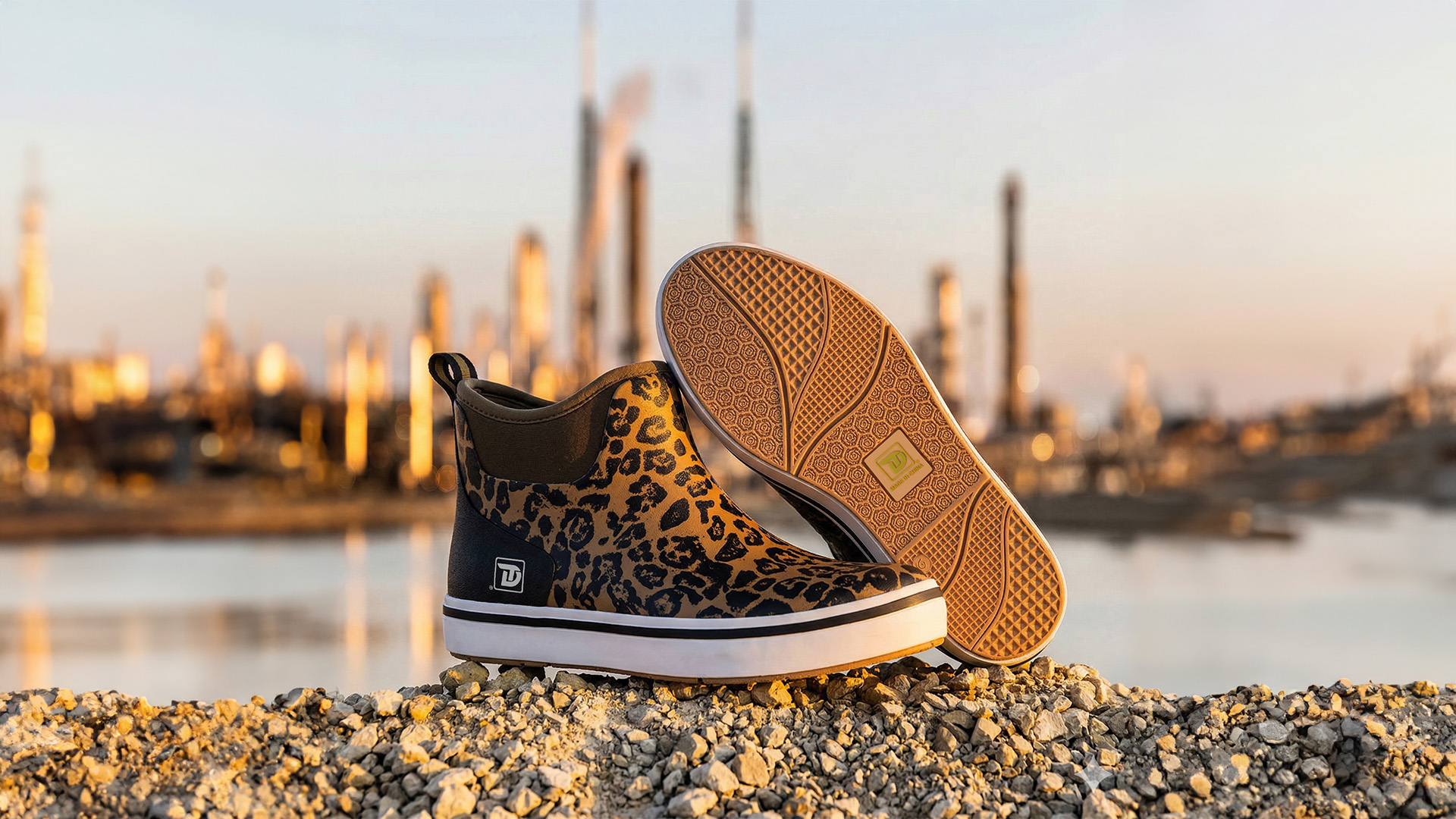



As November settles in, the mornings grow frosty, the sun lingers low, and most anglers are sipping coffee by the heater instead of launching their boats. But those who know the rhythm of late-season fishing understand one truth: the best bite of the day doesn’t always happen at dawn. When temperatures drop and daylight hours shorten, fish feed differently — and in November, midday often holds the magic window.
If you’ve ever wondered why your early starts turn into slow, chilly mornings, while that midday cast suddenly connects, this guide is for you.
The Science Behind the Midday Bite
During the warmer months, fish feed heavily in the early morning or late evening when light is low and water is cool. But as fall fades and winter looms, the pattern flips. In November, water temperatures drop overnight, often reaching their lowest point right after sunrise.
By late morning to early afternoon, the sun warms the shallows, raising temperatures even a few degrees — and that’s enough to wake up the food chain.
- Insects become more active.
- Baitfish move closer to shorelines or structure.
- Predators like bass, walleye, and trout follow suit.
It’s a short but reliable window when fish metabolism increases just enough to trigger feeding behavior. In other words: fish nap in the morning, brunch at noon.
Where to Find Fish During the Midday Window
As the sun rises higher and water warms, the locations that seemed lifeless in the morning suddenly come alive. Understanding where to position yourself during this window is key.
1. Sun-Warmed Shallows
On calm, clear days, gravel flats, riprap edges, and shallow coves can heat up by two to four degrees. Baitfish gather here first, and predator fish like largemouth bass and crappie follow soon after.
2. Mid-Depth Structure
Points, submerged logs, and rock piles near drop-offs serve as transition zones where fish can move up to feed and slide back down to rest. These spots are prime during the late-morning temperature climb.
3. Slow Current Zones in Rivers
In November, river fish like smallmouth and walleye seek slower-moving water. Look for eddies, current seams, and the backside of islands where sunlight penetrates longer and fish can conserve energy while waiting for an easy meal.
Adjusting Your Presentation for the Midday Bite
Fishing the midday window isn’t just about timing—it’s about how you present your bait when fish are cautiously active. Cold water slows everything down, and your retrieve should match that.
- Slow it Down: Fish are sluggish in cooler water, so steady, deliberate retrieves mimic natural prey.
- Use Natural Colors: Clear, late-fall water often calls for realistic shades—think shad, green pumpkin, or translucent hues.
- Go Subtle: Smaller profiles like finesse worms, Ned rigs, and small jigs get more bites than bulky baits this time of year.
- Mix Pauses and Twitches: Mimic dying baitfish by adding slight variations in movement—sometimes that hesitation seals the deal.
For fly anglers, lightly weighted nymphs or small streamers swung slowly through the current are deadly during this period.
Best Lures and Baits for November Midday Fishing
Different regions and species respond to different techniques, but here are some proven late-fall midday performers:
- Jigs: Crawl them slowly over rocks or brush for bass or walleye.
- Suspending Jerkbaits: Work them with long pauses—sometimes the strike comes when the bait just sits there.
- Small Swimbaits: Ideal for mimicking sluggish baitfish near shallow flats.
- Blade Baits: Vertical jigging in deeper holes can trigger cold-water reactions.
- Live Bait: Minnows, nightcrawlers, and leeches are unbeatable when fish are hesitant to chase artificials.
Remember: in November, precision beats power. The best anglers match their pace to the water’s mood.
Weather, Light, and the Perfect Timing
In late fall, the sun is your ally. On calm, sunny days, water temperatures peak between 11 a.m. and 3 p.m., offering the best bite window.
Here’s what to keep in mind:
- Sunny Days: Focus on shallow structure where warmth collects.
- Overcast Days: Target mid-depth or deeper cover—light penetration is weaker, so fish may suspend higher.
- Post-Front Days: Cold fronts can shut down early feeding but often reignite around midday as water stabilizes.
Pro tip: if the morning feels dead, don’t pack it up. The fish are waiting for the same warmth you are.
Staying Comfortable While You Wait
November fishing rewards those who stick it out through the chill. Dressing properly can mean the difference between quitting early and being there when the bite turns on.
- Layer Up: Base layers, waterproof shells, and insulated outerwear keep you dry and warm.
- Stay Mobile: Move every so often to maintain circulation, especially when fishing from shore.
- Pack Hot Drinks: A thermos of coffee or soup keeps morale high while you wait for the sun to do its work.
The midday bite might not be fast and furious, but it’s consistent — and worth the patience.
Species That Shine in the Midday Window
Different fish respond uniquely to November’s temperature swings, but several species show heightened activity during midday:
- Largemouth & Smallmouth Bass: Move shallow as the sun warms rock and gravel.
- Walleye: Often feed heavily along drop-offs and slow current edges after the morning chill lifts.
- Trout: Especially in creeks and small rivers, sunlight boosts insect drift and feeding response.
- Crappie: Schools move tighter and more predictable—midday warmth pulls them toward structure near the surface.
Each species follows the same principle: warmth equals motion, and motion equals opportunity.
Final Thoughts
The next time November’s cold air bites at your fingertips and you’re tempted to pack it in after a slow morning, remember — the day isn’t done yet.
The late bite belongs to those who understand the season’s rhythm. When the sun climbs, the water stirs, and the fish wake up, midday becomes magic.
So skip the pre-dawn frost, sleep an extra hour, and launch when the light hits the water. Because in November, patience and timing outfish hustle every time.