


There’s a certain magic to a crisp fall morning on the river — fog hanging low, the water clear as glass, and bronze-backed smallmouth feeding like there’s no tomorrow. When the days grow shorter and the nights cool, river smallmouth go into overdrive, feeding aggressively to bulk up before winter’s slowdown.
For anglers who know how to read current seams, temperature shifts, and seasonal structure, this is prime time. Fall river fishing for smallmouth isn’t just good — it’s legendary.
The Fall Trigger: Why Smallmouth Get Fired Up
As autumn settles in, water temperatures in rivers drop from the mid-70s to the mid-50s. This cooling signals a metabolic change in smallmouth bass. They sense the coming winter and instinctively feed harder and longer each day.
Unlike lake bass, river smallmouth rarely deal with turnover — moving current keeps oxygen levels consistent. Instead, their movements revolve around current speed, water depth, and bait availability.
When the water cools, smallmouth leave their summer haunts in fast runs and riffles, heading for deeper wintering holes — but not before a final, furious feeding spree.
Following the Migration: Where to Find Fall Smallmouth
Fall smallmouth movement follows a predictable progression. Understanding this pattern is the key to never getting skunked when the weather turns cold.
1. Mid-River Eddies
In early fall, as the water just begins to cool, smallmouth stack behind boulders, bridge pilings, and current breaks where baitfish drift past. These ambush zones let them feed with minimal effort.
Cast upstream and drift soft plastics or small crankbaits naturally with the current — strikes often come just as your bait clears the eddy.
2. Transitional Runs
By mid-fall, smallmouth move toward transitional areas — the deeper runs between summer riffles and winter holes. These 6–10-foot zones become feeding highways.
Spinnerbaits, jerkbaits, and flukes shine here, mimicking shad or minnows that sweep through with the current.
3. Deep Wintering Pools
As the season nears its end and temperatures dip below 55°F, smallmouth settle into slow, deep holes near sharp drops or confluences.
They feed less often, but when they do, it’s usually on crawfish and larger baitfish. This is when finesse jigs, tubes, or suspending jerkbaits work best.
Proven Lures and Presentations for Fall Rivers
Fall smallmouth demand versatility. The goal is to match both their feeding mood and the prevailing river conditions.
1. Jerkbaits — The Classic Fall Killer
Hard-jerkbaits with a natural shad profile are unbeatable when smallmouth are chasing bait. Use a “twitch-pause-twitch” cadence and longer pauses as the water cools.
2. Tubes and Ned Rigs — Cold Water Confidence Baits
In rocky rivers, a small tube jig or Ned rig fished slowly along bottom imitates both crawfish and dying baitfish. Go with green pumpkin, brown, or smoke hues for clear water.
3. Spinnerbaits and Underspins — For Aggressive Feeders
When the bite’s hot and current is moderate, moving baits rule. Slow-roll a white or chartreuse spinnerbait through eddies or current seams to trigger violent reaction strikes.
4. Topwater — Early Morning Excitement
On warmer October mornings, smallmouth still smash topwaters like walking baits and poppers. Focus on shallow flats near deep runs — explosive strikes are unforgettable.
Reading the River: Current, Clarity, and Cover
Success in river systems depends less on luck and more on observation.
Here’s what experienced fall anglers watch for:
- Current Speed: Smallmouth want energy efficiency — moderate flow, not raging current.
- Clarity: After rain, find clearer side channels or main runs where visibility improves first.
- Structure: Rocks, wood, and ledges that break current are feeding stations.
- Sunlight: Afternoon sun can raise water temperature a few degrees, triggering short feeding windows.
Pro tip: Polarized sunglasses are essential — they help spot submerged boulders and fish shadows in clear rivers.
Gear Up for Cold Water Comfort
River fishing in fall can be wet, chilly, and unpredictable. Staying dry and warm makes all the difference.
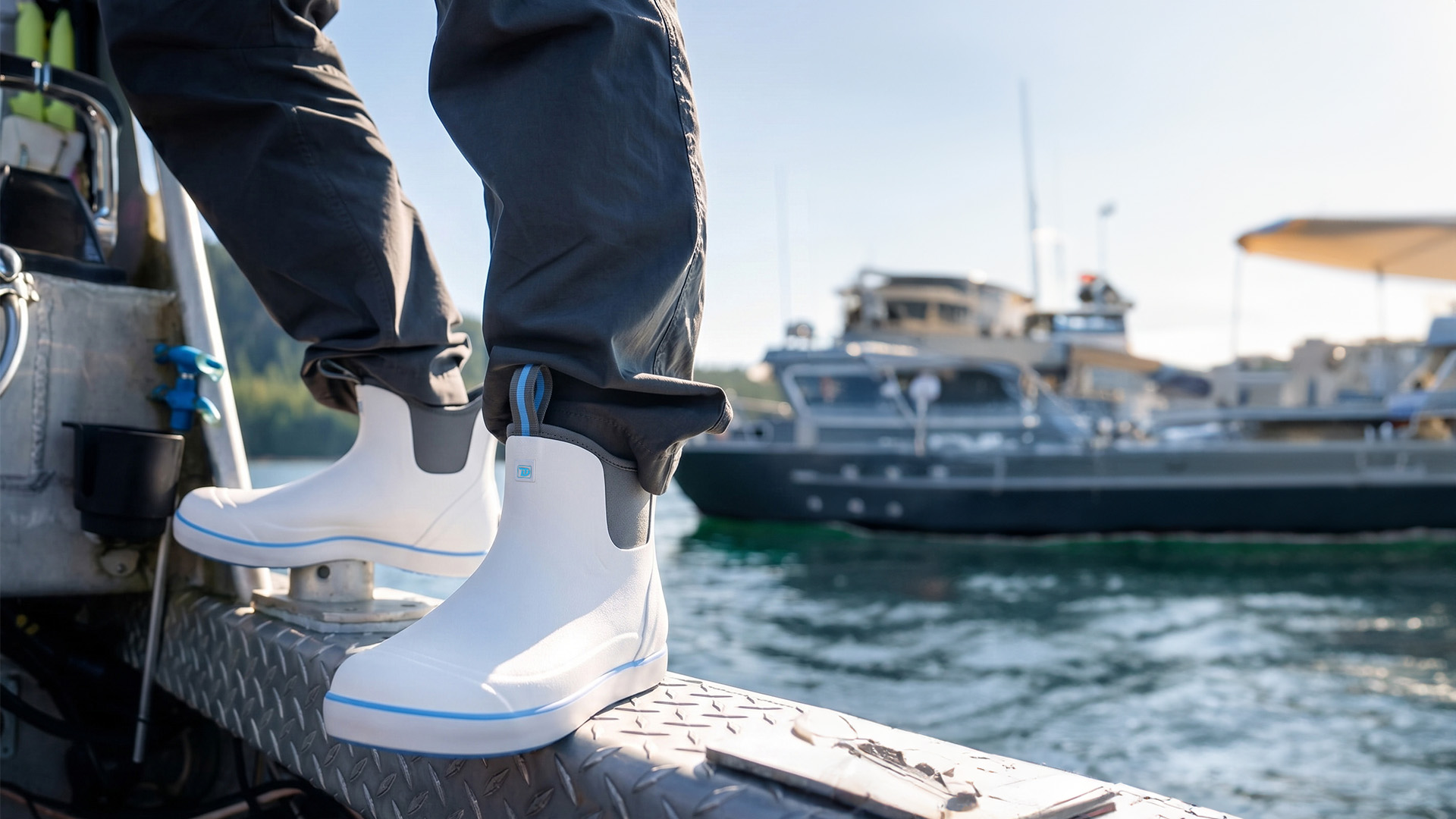
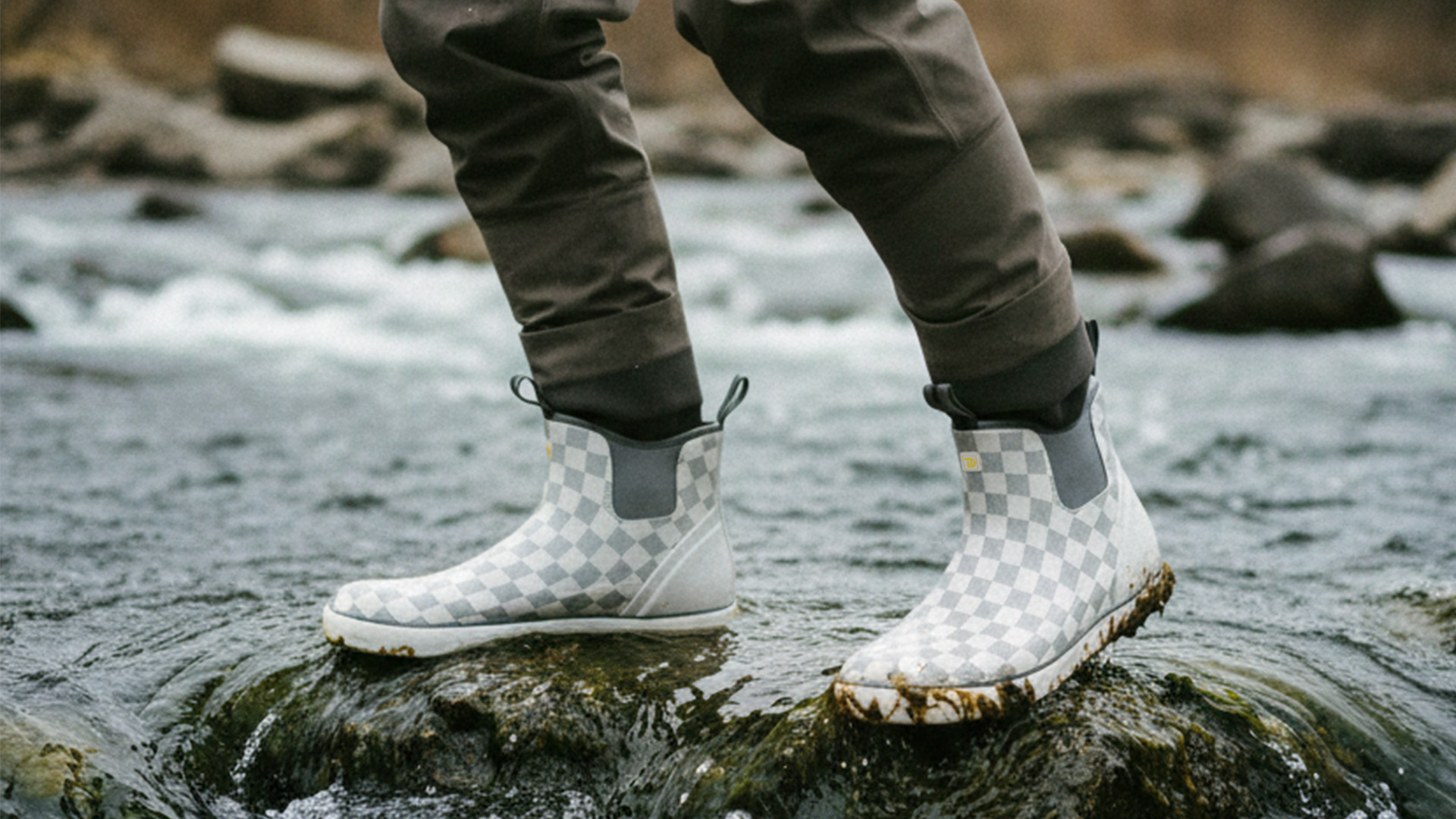
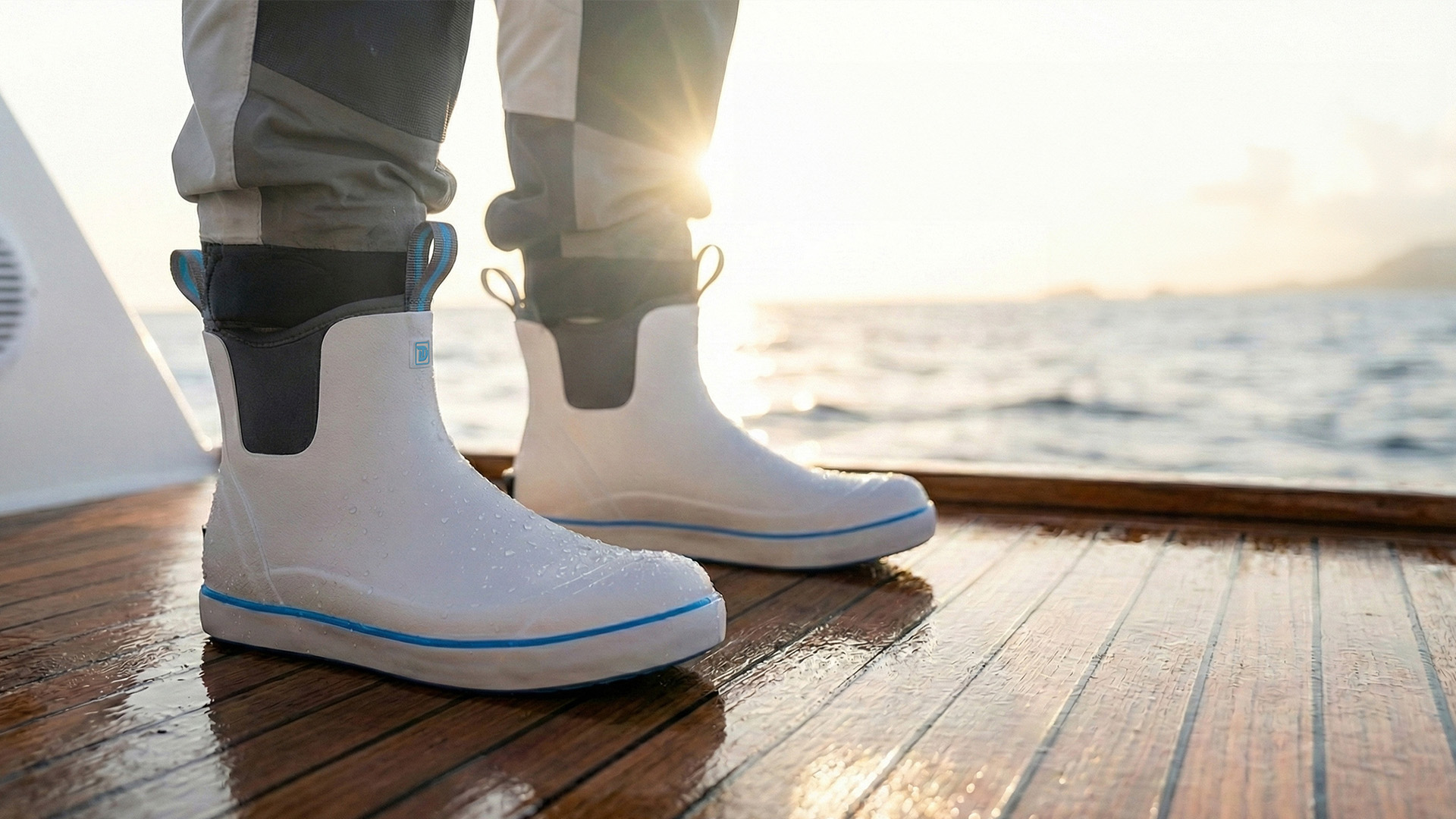
Waterproof, insulated wading gear — like Trudave or Hisea boots and waders — keeps you mobile and comfortable when stepping through cold shallows or slick rocks. Pair that with a breathable rain jacket and layered clothing for long days on the water.
Also, remember traction. Rubber-soled boots with good grip reduce slips on mossy stones and make for safer wading.
Timing the Bite: Best Conditions for Late-Season Success
- Temperature: 55–60°F is the magic zone — fish feed heavily before the real cold sets in.
- Weather: Overcast skies and slight drizzle often produce the best action.
- Tides (for coastal rivers): Incoming tides push bait upstream — perfect ambush timing.
- Time of Day: Late morning to early afternoon offers stable light and warmer water.
Persistence pays off — even a short 30-minute feeding window can turn an empty morning into a trophy session.
The Fall Reward: Hard Fights and Heavy Bronze
Smallmouth bass are known for their fight, but in fall, they seem to hit even harder. Their pre-winter aggression and increased muscle density make every hook-set feel like a freight train.
Each strike is a reminder of why anglers brave the chill: it’s not just about catching fish — it’s about connecting with the raw pulse of a river alive with movement, color, and energy.
Final Thoughts: The Never-Fail Fall Formula
If you want to catch consistent smallmouth this fall, follow three golden rules:
- Find moving water near structure.
- Match your bait to the forage and conditions.
- Fish slowly and precisely as the temperature drops.
Master these patterns, and you’ll turn unpredictable autumn days into some of the most productive fishing of your year.
Because when smallmouth fire up in the fall — they really fire up.