
As the leaves fade, the air turns crisp, and the last boats leave the docks, many anglers hang up their rods until spring. But the ones who stay — those who understand the rhythm of cold water and quiet mornings — know that late fall is when the biggest, smartest fish finally come into play. The secret? Slowing everything down.
Finesse fishing isn’t just a technique — it’s a mindset. When the temperatures drop and fish metabolism slows, subtle presentations and patient tactics become the difference between a skunked trip and a personal best.
Understanding the Late-Fall Slowdown
By late fall, most bodies of water are in transition. Baitfish are moving deeper, vegetation is dying off, and oxygen levels start to shift. As water temperatures fall below 55°F, most gamefish — whether bass, walleye, or trout — enter a conservation mode.
Their metabolism drops, meaning they don’t need to feed as often, and when they do, they prefer easy meals that require minimal effort. The same fish that smashed topwater lures in July now want slow-moving, natural presentations close to structure or along temperature-stable zones.
In other words, fall’s best anglers know how to read the chill.
Why Finesse Dominates When the Bite Fades
When conditions get tough, finesse techniques shine because they imitate natural movements and appeal to a fish’s instinct for low-risk feeding.
- Less commotion means less alarm. Cold-water fish are cautious; splashy casts and loud lures push them away.
- Longer pauses trigger reaction bites. In 45°F water, a bass may take five seconds to commit — finesse tactics allow that.
- Smaller baits match smaller appetites. Fish aren’t chasing large prey, so downsizing to subtle plastics or jigs becomes key.
Finesse isn’t just slower — it’s smarter.
Techniques That Win When the Water’s Cold
Here’s how seasoned anglers turn late-fall lethargy into consistent success.
1. The Drop Shot
The drop shot rig is a cold-water classic. It keeps your bait suspended just off the bottom — right where sluggish fish are holding. Use a small soft plastic minnow or worm, and keep your rod tip steady. Tiny shakes can be enough to draw attention without overworking the lure.
2. The Ned Rig
When fish hug the bottom and refuse to chase, the Ned Rig shines. Its subtle, upright posture mimics a feeding baitfish or crawdad. Use it on rocky points, ledges, or near drop-offs — anywhere fish bunker down when the freeze creeps in.
3. Slow-Rolled Swimbaits
Not every cold-water fish ignores motion. A slow, steady retrieve with a paddle-tail swimbait can imitate an easy meal. Focus on deep flats or channels where baitfish cluster before winter. The key is a crawl-speed retrieve — just fast enough for the tail to kick.
4. Hair Jigs
Old-school and often overlooked, hair jigs have a lifelike, breathing motion that works wonders in cold water. Their subtle movement looks real without effort — exactly what a lethargic fish wants to see.
Tuning Your Gear for Finesse Fishing
When fishing finesse, every piece of gear matters. You’re working light baits, thin lines, and delicate presentations — precision is everything.
- Rods: Medium-light or light power with fast action helps detect subtle bites.
- Reels: High-quality spinning reels with smooth drags prevent line breaks on thin fluorocarbon.
- Line: 6–8 lb fluorocarbon offers low visibility and better sensitivity.
- Hooks: Fine-wire hooks penetrate easily even with light pressure.
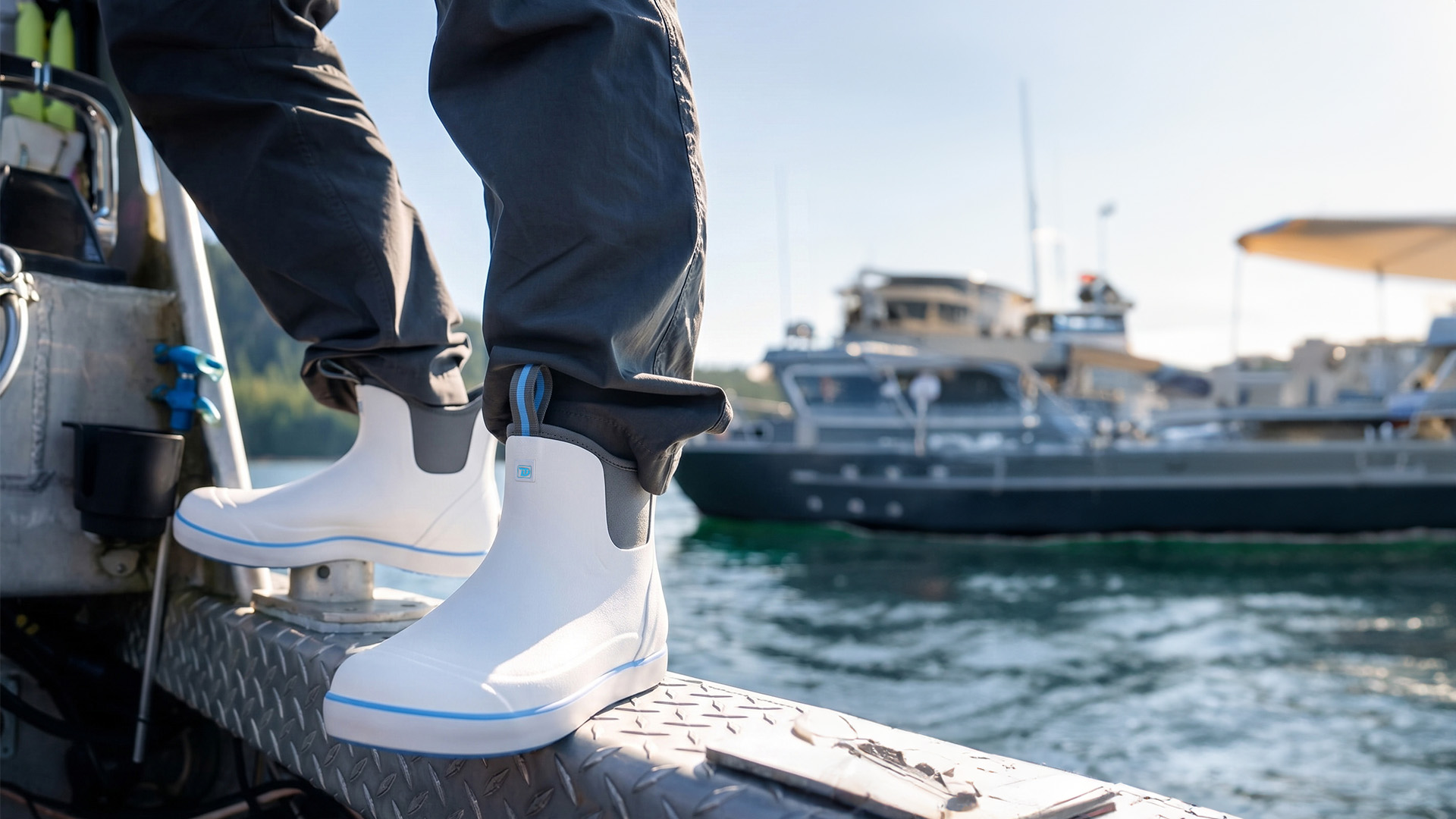
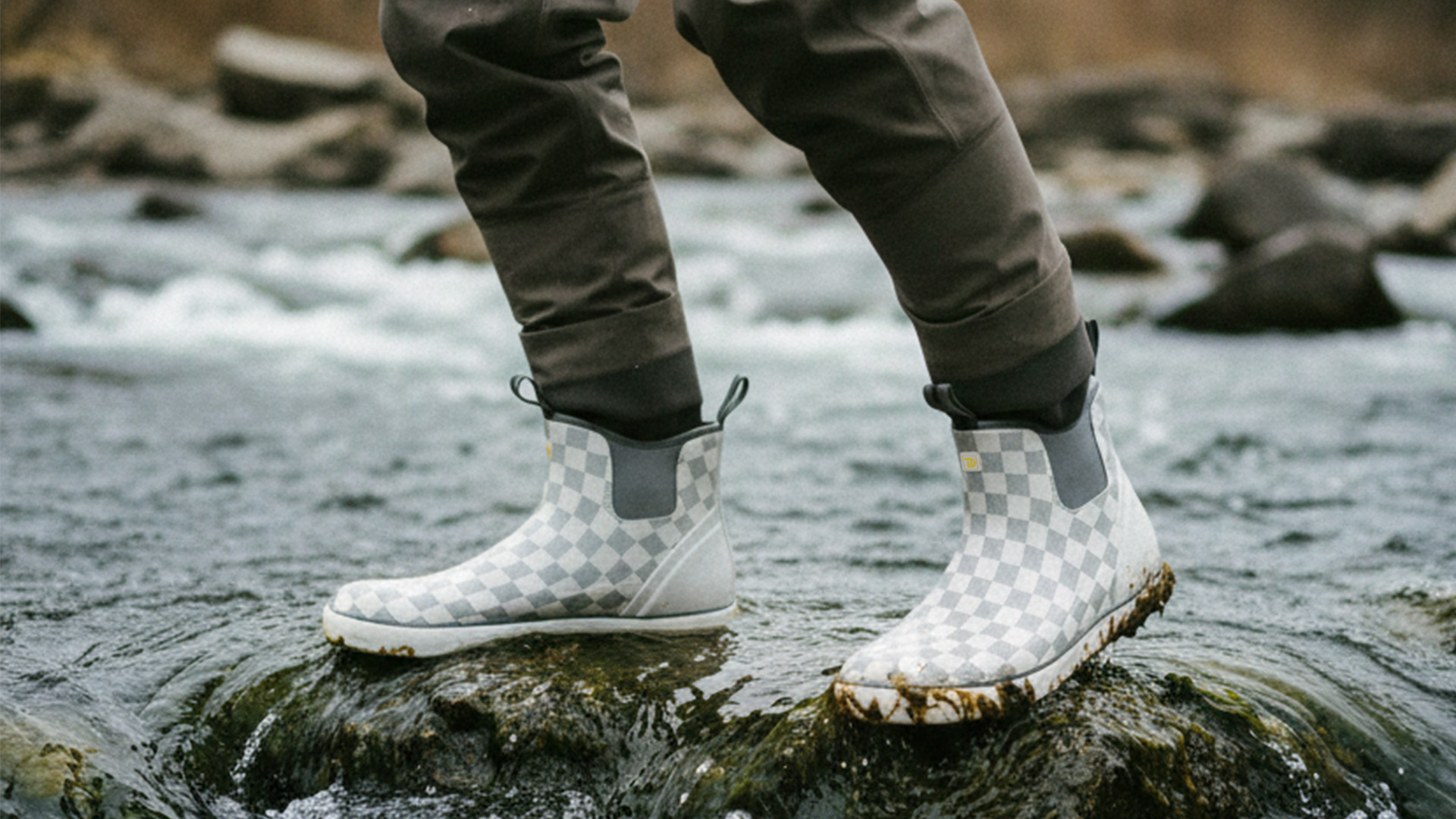
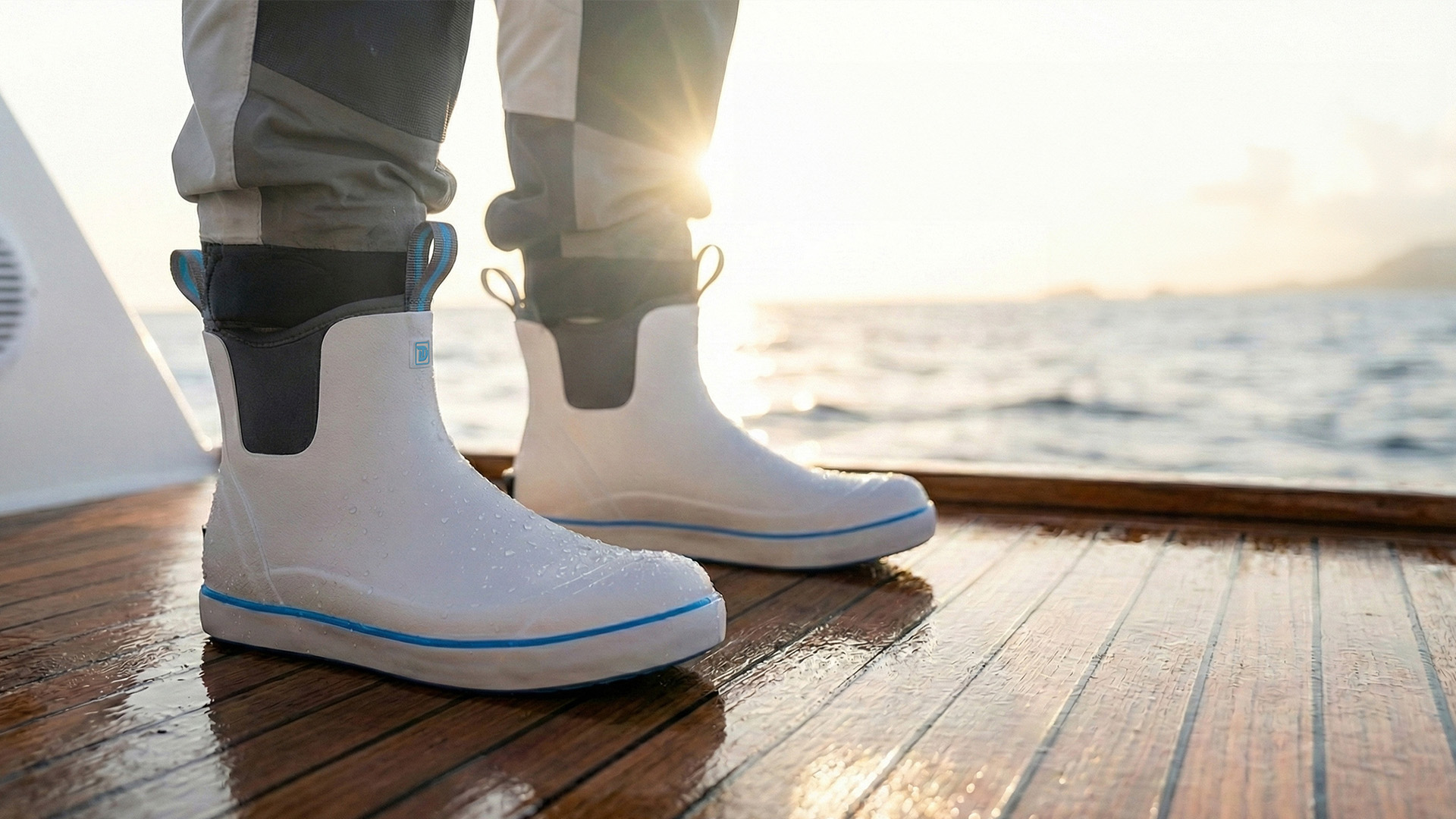
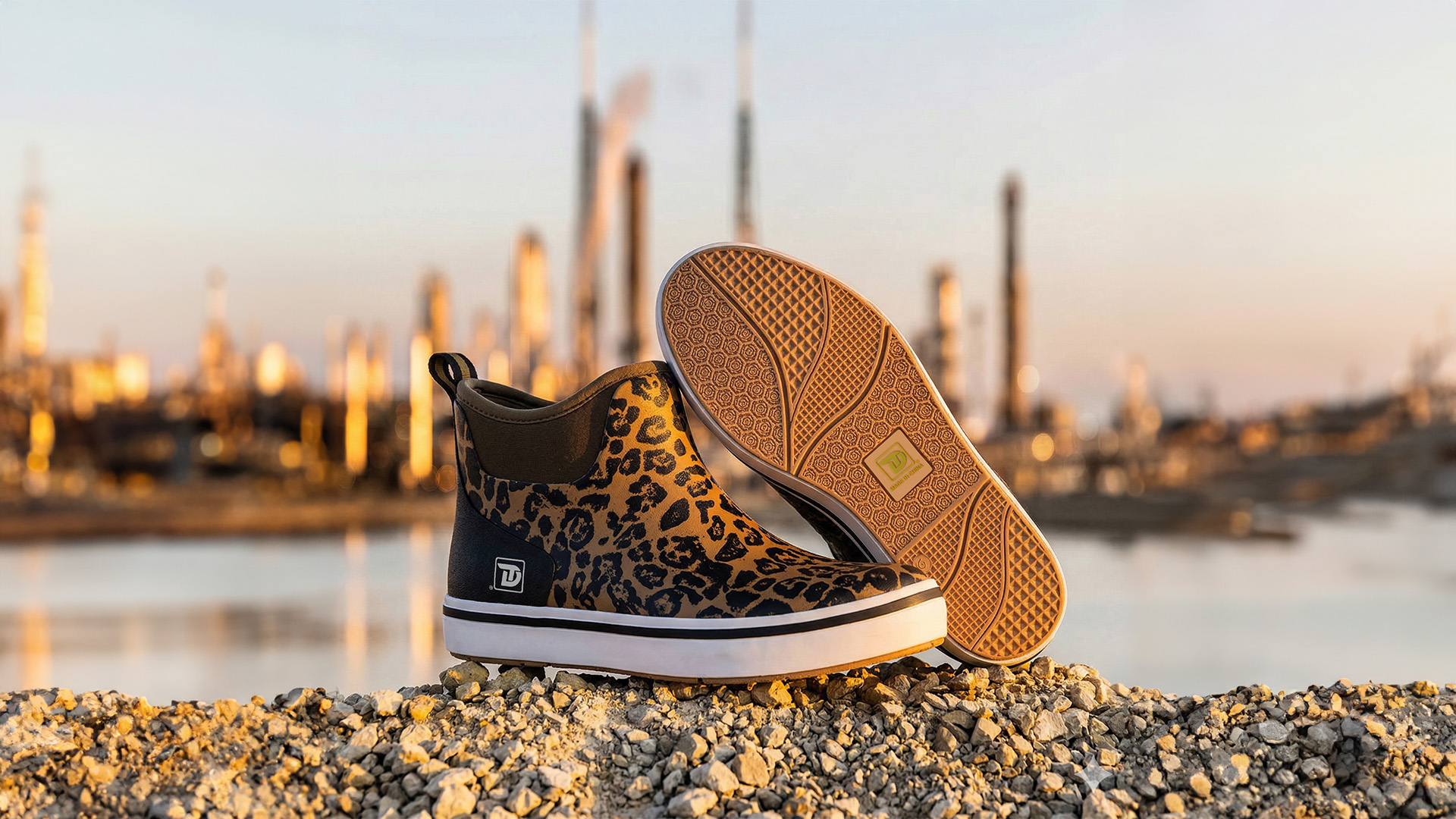
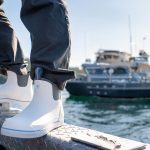
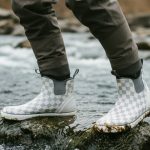
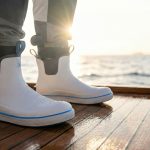
If you’re fishing from the bank or small boat in freezing temps, waterproof footwear like Trudave insulated deck boots can make long sessions comfortable and safe — because staying warm is part of fishing smart.
Finding the Right Spots
Fish don’t vanish in fall — they relocate. The trick is knowing where to look.
- Deep structure: Focus on drop-offs, ledges, and points that lead into deeper basins.
- Transition zones: Areas between shallow and deep water hold moving baitfish and resting predators.
- Hard-bottom areas: Gravel, rock, or shell bottoms retain warmth and attract life.
- Sun-facing shorelines: Even a few degrees of warmth can make a huge difference on sunny afternoons.
Late fall is less about chasing fish and more about intercepting them.
Patience: The Real Secret Weapon
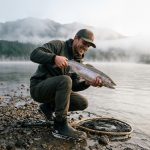
Late-fall fishing rewards discipline. You’re not casting for numbers — you’re hunting for one or two giants that make your whole season.
Slow down your casts, lengthen your pauses, and trust your gut. Don’t rush a retrieve because your hands are cold — let the lure do its job. Some of the best bites come when you’re barely moving your rod at all.
In cold water, confidence becomes your most valuable bait.
Timing the Bite
Cold-weather bites are often short and specific. Understanding seasonal timing can help you plan the best outings:
- Midday peaks: Sunlight raises water temps just enough to wake up fish.
- Stable weather: Avoid abrupt cold fronts — fish need consistency to stay active.
- Pre-storm windows: Pressure drops before a snow or rain system can spark brief feeding periods.
When you get that window, move slow — but move smart.
The Takeaway
Late fall isn’t about covering water — it’s about connecting with it. When everyone else packs it in for the season, the finesse angler steps forward, quiet and deliberate. Big fish aren’t gone — they’re simply waiting for the right touch.
By slowing down your approach, downsizing your tackle, and embracing patience, you turn cold-weather fishing into an art form — one where precision beats power every time.
So next time the frost coats your guides and your breath fogs the morning air, don’t rush the cast. Let the stillness work in your favor. Because when it comes to late-fall fishing, the slower you go, the bigger the reward.