
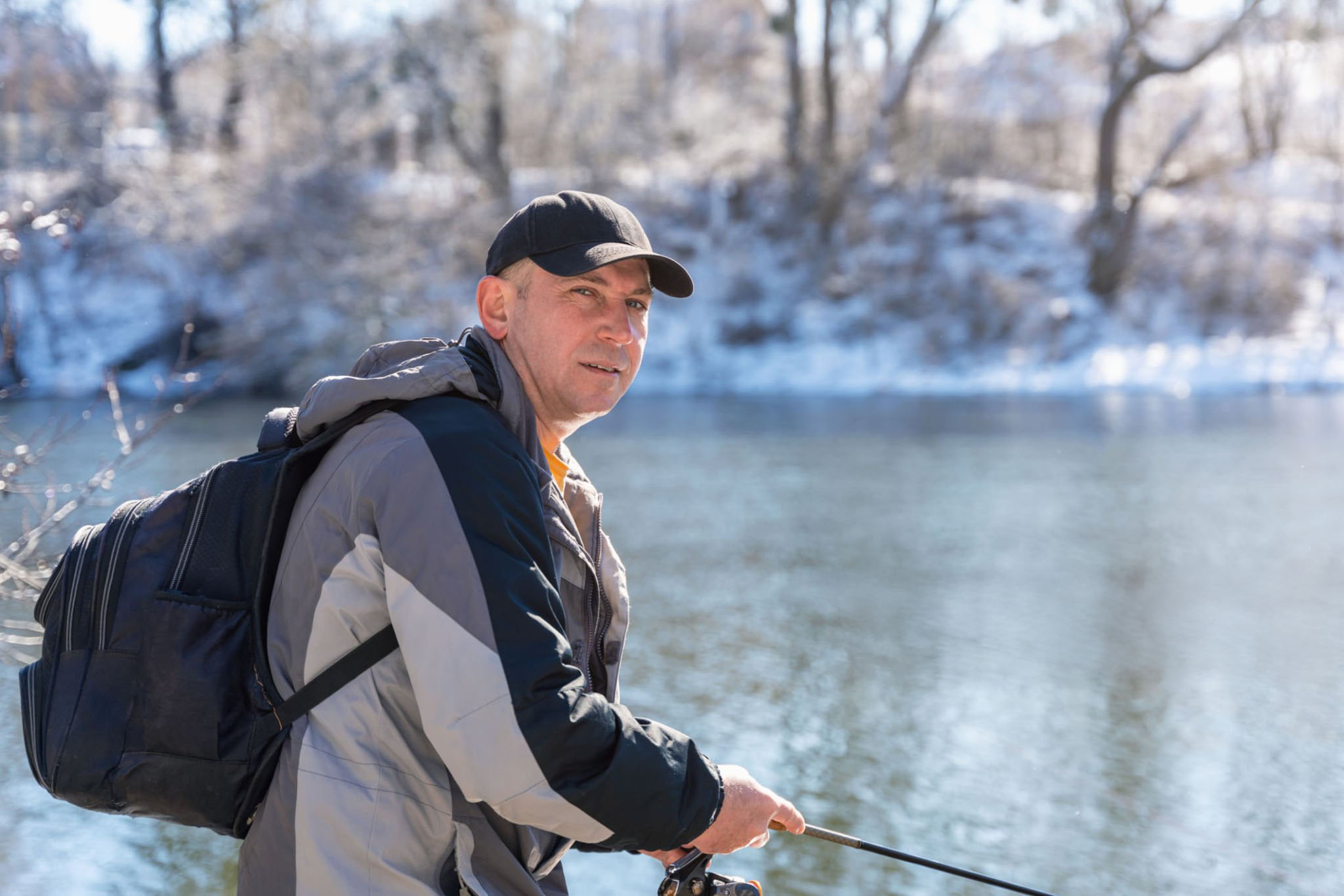
When the last leaves fall and most boats are pulled from the water, a special breed of fisherman remains. They’re the ones who thrive when the mornings are silent, the air is sharp, and frost rims the shoreline. To most, late fall and early winter mark the end of fishing season. But to true anglers, this is when the water — and the challenge — are at their best. The crowds are gone, the fish are feeding with intention, and every bite feels earned. This is the quiet season — and it’s where skill, patience, and passion take center stage.
1. Solitude on the Water: The Reward of the Off-Season
There’s something sacred about having a lake or river all to yourself. In summer, the water hums with boat traffic, jet skis, and chatter. But once the temperature drops, the chaos fades. The only sounds are the wind in the trees, the faint crackle of ice near shore, and the soft splash of a lure breaking still water.
For many anglers, the quiet is the draw itself. It’s not just about catching fish — it’s about the peace that comes with it. The stillness lets you reset, breathe, and focus. Without the pressure of competition or distraction, you connect more deeply with the water and your surroundings.
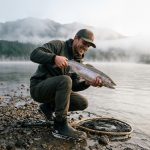
Those who fish through the cold know this feeling well: standing alone in the mist, watching your breath hang in the air as the sun slowly burns through the fog. It’s not comfort that drives them — it’s clarity.
2. The Science Behind the Stillness: Fish Behavior in Cold Water
When water temperatures drop, everything underwater slows down — metabolism, movement, and feeding patterns. But that doesn’t mean the fish stop biting. In fact, cold water can be one of the most predictable times to catch big fish, if you understand how to adapt.
- Bass and Walleye: Both species become more deliberate. They won’t chase fast-moving baits, but they’ll crush something that moves naturally and slowly along the bottom — like a jig, blade bait, or soft plastic on a light line.
- Trout: Cold water is their comfort zone. Stream trout and stocker rainbows stay active, especially on overcast days when the water stays cool and clear.
- Panfish: Crappie and bluegill school tighter in deep basins this time of year, making them easier to locate once you find their depth range.
The key is patience. The fish are there — you just have to slow your presentation, keep your confidence high, and wait for the subtle strike.
3. Gear Up for the Chill: Comfort Keeps You in the Game
Fishing in cold, calm weather isn’t about enduring pain — it’s about preparation. The right gear keeps you warm, focused, and on the water longer, which is often the difference between a skunk and a successful day.
- Clothing Layers: Start with moisture-wicking thermals, add an insulating mid-layer, and finish with a waterproof shell. Windproof gloves and a warm hat are musts.
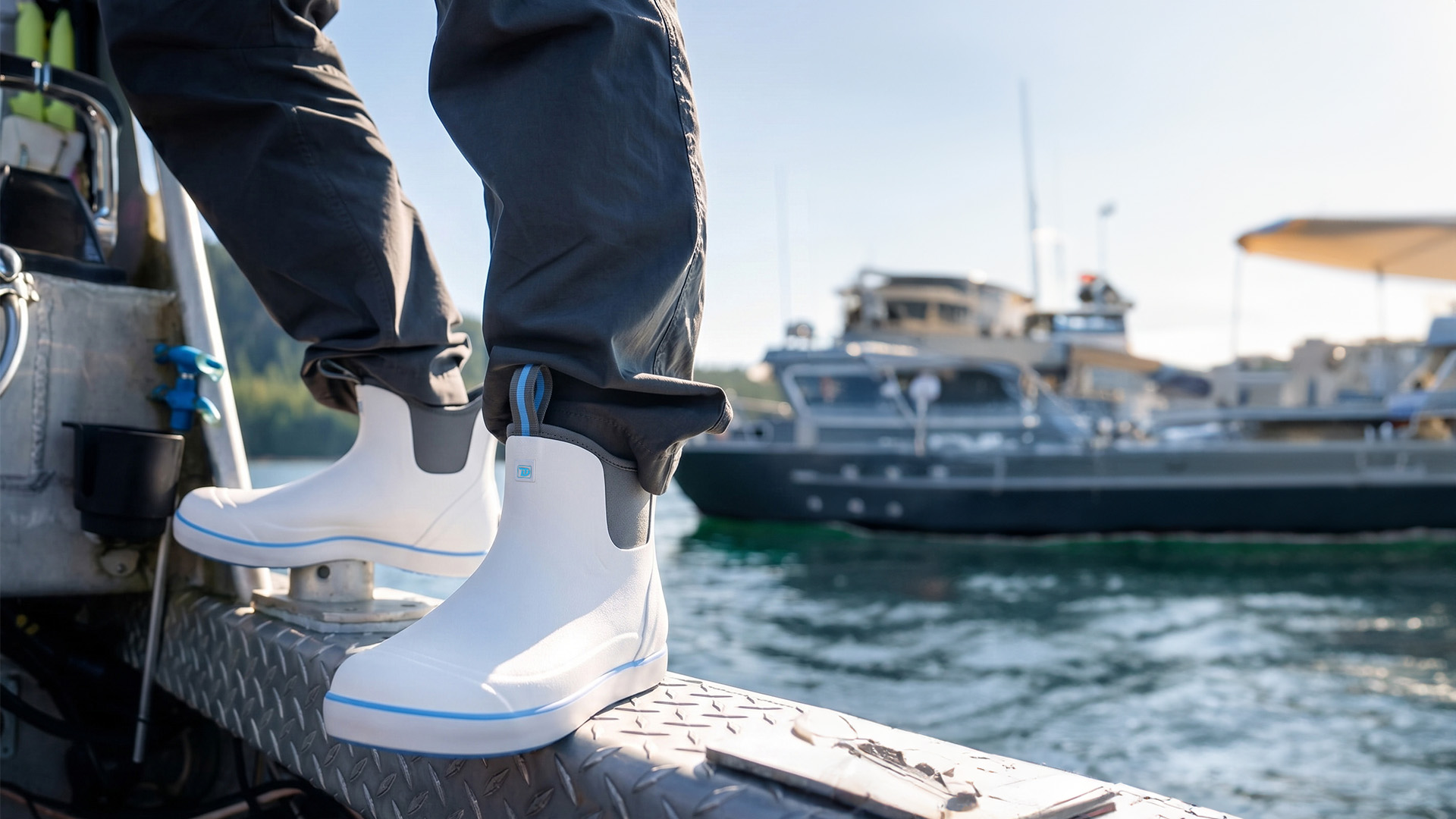
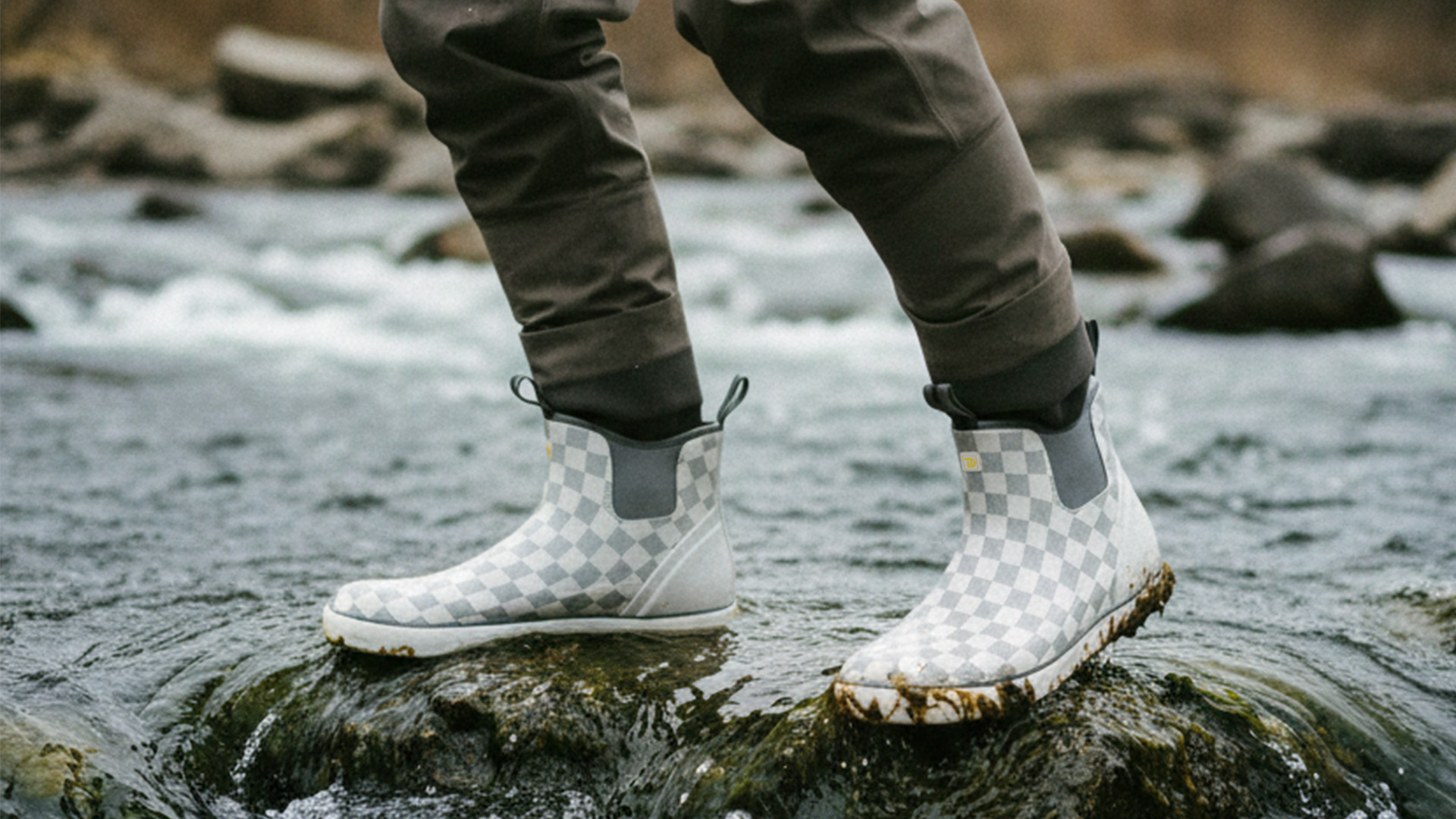
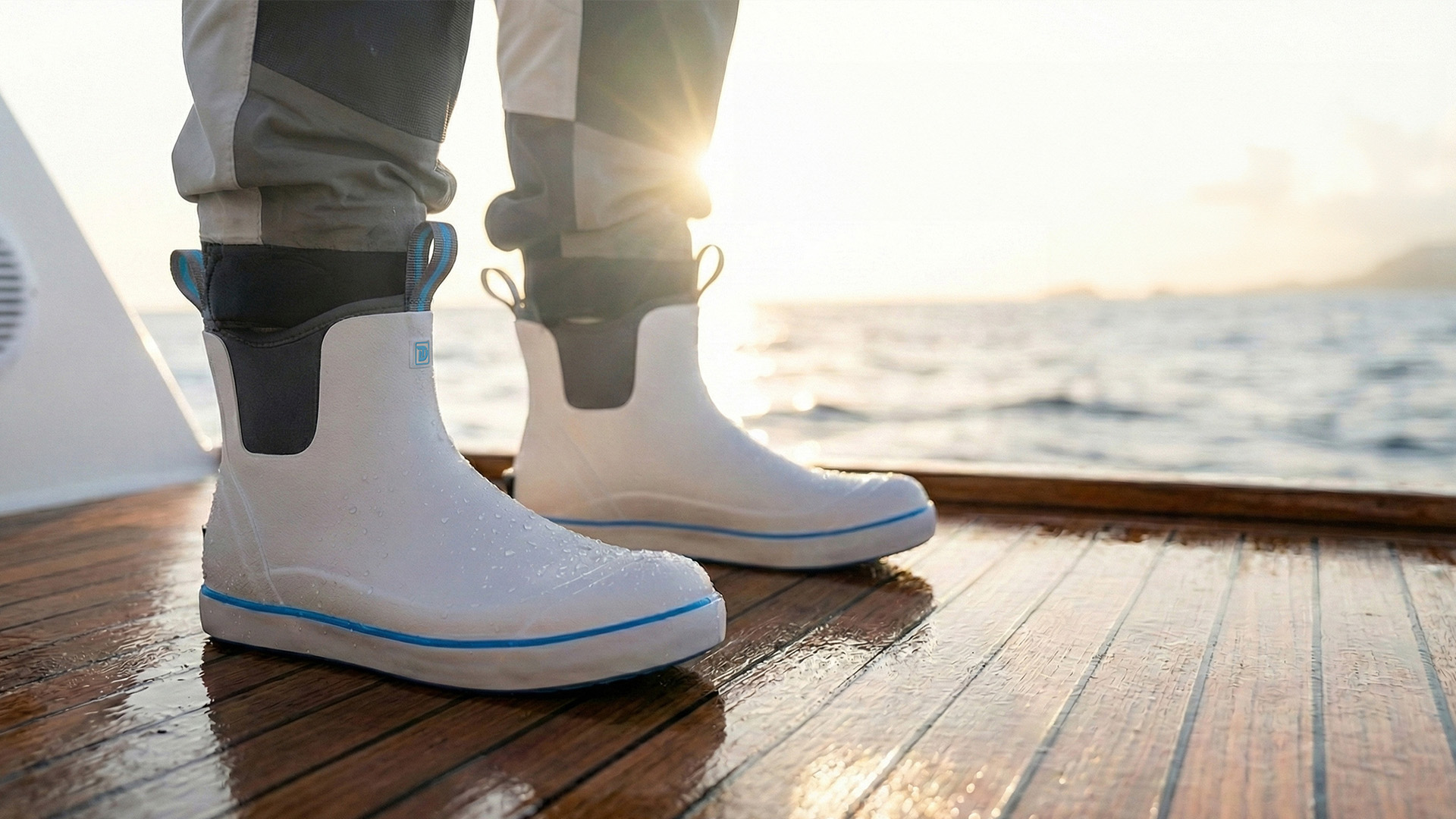
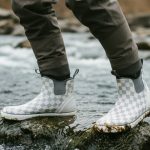
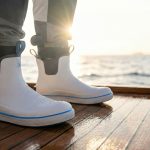
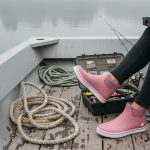
- Footwear: Insulated waterproof boots, like Trudave’s outdoor boots, are a game-changer for keeping toes warm when standing on cold decks or icy banks.
- Rod and Reel Maintenance: Use low-vis fluorocarbon for clear winter water, and lubricate reels with cold-weather oil to prevent stiffness.
- Bait Choices: Slow down your lure selection — finesse jigs, suspending jerkbaits, or small swimbaits mimic sluggish forage perfectly.
The anglers who stay longest often catch the most — and being comfortable makes that possible.
4. Mental Clarity: Why Stillness Sharpens Skill
Cold-weather fishing demands a calm, methodical mindset. Every cast matters. Every movement counts. With fewer fish feeding, the angler must rely on instinct, experience, and patience. This is where the quiet season becomes a teacher.
When you’re not distracted by noise or constant action, you start to notice the little things — subtle current shifts, temperature gradients, how the light hits the water, or the faint tap that signals a bite. You learn to read the lake differently.
It’s meditative. The world slows down to the rhythm of your retrieve. And when that one strike finally comes — after an hour of silence — it feels all the more rewarding.
5. The Edge of Endurance: Why True Anglers Stay
Fishing in the cold isn’t about toughness for toughness’ sake — it’s about love for the craft. The people who stay after the crowds leave aren’t doing it for glory or limits; they do it because something about the cold feels honest.
You can’t fake it in freezing weather. You can’t muscle your way through a tough bite. It’s about patience, resilience, and respect for nature’s rhythm. The reward isn’t just a full livewell — it’s the satisfaction of knowing you stayed when others didn’t.
And more often than not, the biggest fish of the year comes when the frost is thickest on the dock.
6. The Beauty of the Quiet Season
The quiet season reminds us that fishing isn’t only about the catch — it’s about the experience. The smell of wet leaves. The crunch of frozen grass. The first cast into misty water as dawn breaks. It’s the kind of beauty you only notice when everything else falls silent.
For the true angler, this is not the off-season — it’s the essence of why they fish. The cold strips away distractions and leaves only what matters: the water, the moment, and the connection between angler and nature.
Final Thoughts
When the lakes freeze at the edges and the days grow short, most people hang up their rods. But true anglers know — this is the time when fishing becomes pure again. No crowds. No noise. Just patience, precision, and peace.
So next time the air bites your cheeks and the water stands still, don’t stay home. Grab your thermos, lace up your boots, and embrace the quiet. Because for those who truly love the craft, the cold and the calm aren’t the end of the season — they’re the heart of it.