
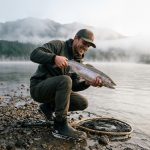
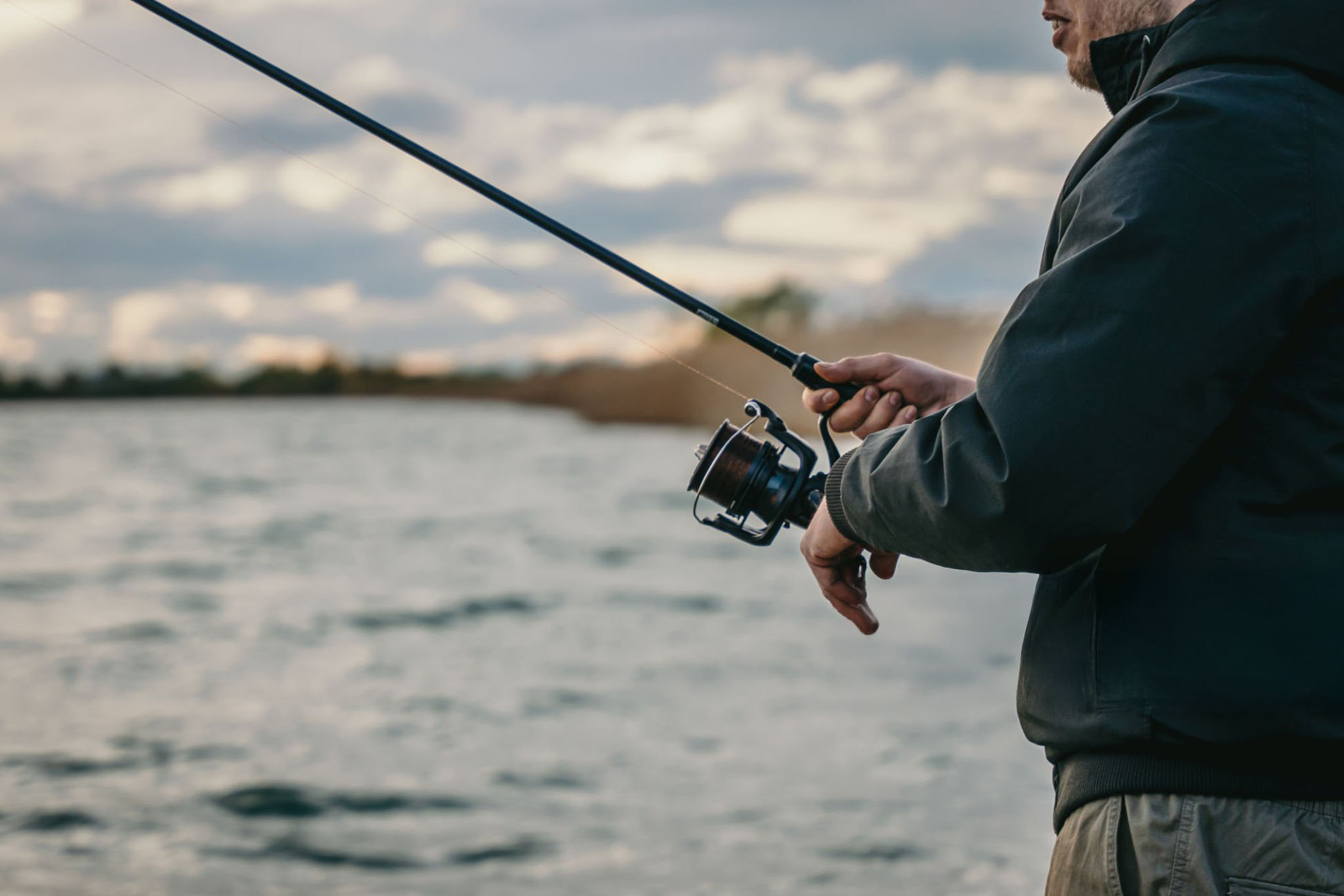
Fall is here — and with it comes the best shot of the year at breaking your personal best. As temperatures cool and fish feed aggressively before winter, this season offers a perfect mix of comfortable weather and high catch potential. Whether you’re after bass in the South, trout in the Rockies, or salmon in the Pacific Northwest, knowing where to fish and what to expect is key to landing your next record-breaking catch.
The Science Behind Fall Feeding Frenzy
As daylight shortens and water temperatures drop, many freshwater and saltwater species shift into overdrive. Fish feed heavily to build energy reserves for winter, making them more predictable and more willing to bite. Cooler water also increases oxygen levels, allowing larger fish to roam shallower areas in search of bait.
For anglers, this means aggressive strikes, extended bite windows, and the chance to connect with true trophy fish.
Northeast: Stripers, Smallmouth, and Steelhead Runs
Fall in the Northeast means one thing — migration.
- Striped Bass: From Maine to New Jersey, stripers push south, chasing schools of bunker and menhaden. Surfcasters should target inlets and beaches at dawn and dusk with topwater plugs or metal jigs.
- Smallmouth Bass: Inland waters like Lake Champlain and the Susquehanna River come alive as smallmouths feed up before winter. Try jerkbaits or soft plastics in rocky transitions.
- Steelhead: Great Lakes tributaries light up as steelhead move in from the lake. Egg sacs and bright yarn flies dominate as these silver torpedoes test every knot in your line.
Southeast: Fall Bass Madness and Redfish Fever
The Southeast is a bass angler’s paradise this time of year.
- Largemouth Bass: In states like Alabama, Georgia, and Florida, bass respond to cooling water by schooling and chasing shad into the backs of creeks. Lipless crankbaits and spinnerbaits mimic the frantic bait action perfectly.
- Redfish: Along the Gulf Coast, redfish gather in massive schools around flats and marshes. Look for tails pushing water in the early morning light and throw gold spoons or soft plastics.
Fall is also prime time for flounder in the Carolinas — target deeper drop-offs with live mullet or artificial shrimp.
Midwest: Walleyes on the Move
In the heartland, walleye anglers wait all year for this moment. As baitfish move shallow, so do the big eyes.
- Lakes Erie and Mille Lacs are famous for their fall walleye bite. Troll crankbaits along breaklines or cast jig-and-minnow combos at dusk.
- Northern Pike and muskies also go into feeding mode — large jerkbaits or glide baits are your ticket to a potential monster.
Pro tip: Cold fronts can stall the bite for a day or two, but once stable weather returns, the action rebounds quickly — often stronger than before.
Southwest: Reservoir Bass and Trout Revival
Out West, the fall transition breathes life back into desert waters.
- Lake Havasu and Mead: Smallmouth and largemouth bass start chasing shad near rocky points. Try topwater walkers early, then switch to dropshots once the sun rises.
- Mountain Streams: Cooler temps mean trout are active again. In Colorado, Utah, and northern Arizona, dry-dropper rigs or small streamers can produce nonstop action.
The key here is versatility — fish adjust fast to temperature swings, so keep both finesse and power setups ready.
Pacific Northwest: Salmon, Steelhead, and Sturgeon
For anglers in the Pacific Northwest, fall is pure magic.
- Chinook and Coho Salmon flood into rivers from Oregon to Washington. Spinners, spoons, and cured eggs are the go-to presentations.
- Steelhead follow behind, providing thrilling light-tackle action in fast water.
- Sturgeon, meanwhile, remain active in the Columbia River system — target deep channels with cut bait.
If you’re chasing your PB, this region’s combination of cold rivers and massive migratory fish offers your best odds of landing something truly unforgettable.
Gear and Strategy Tips for Fall Success
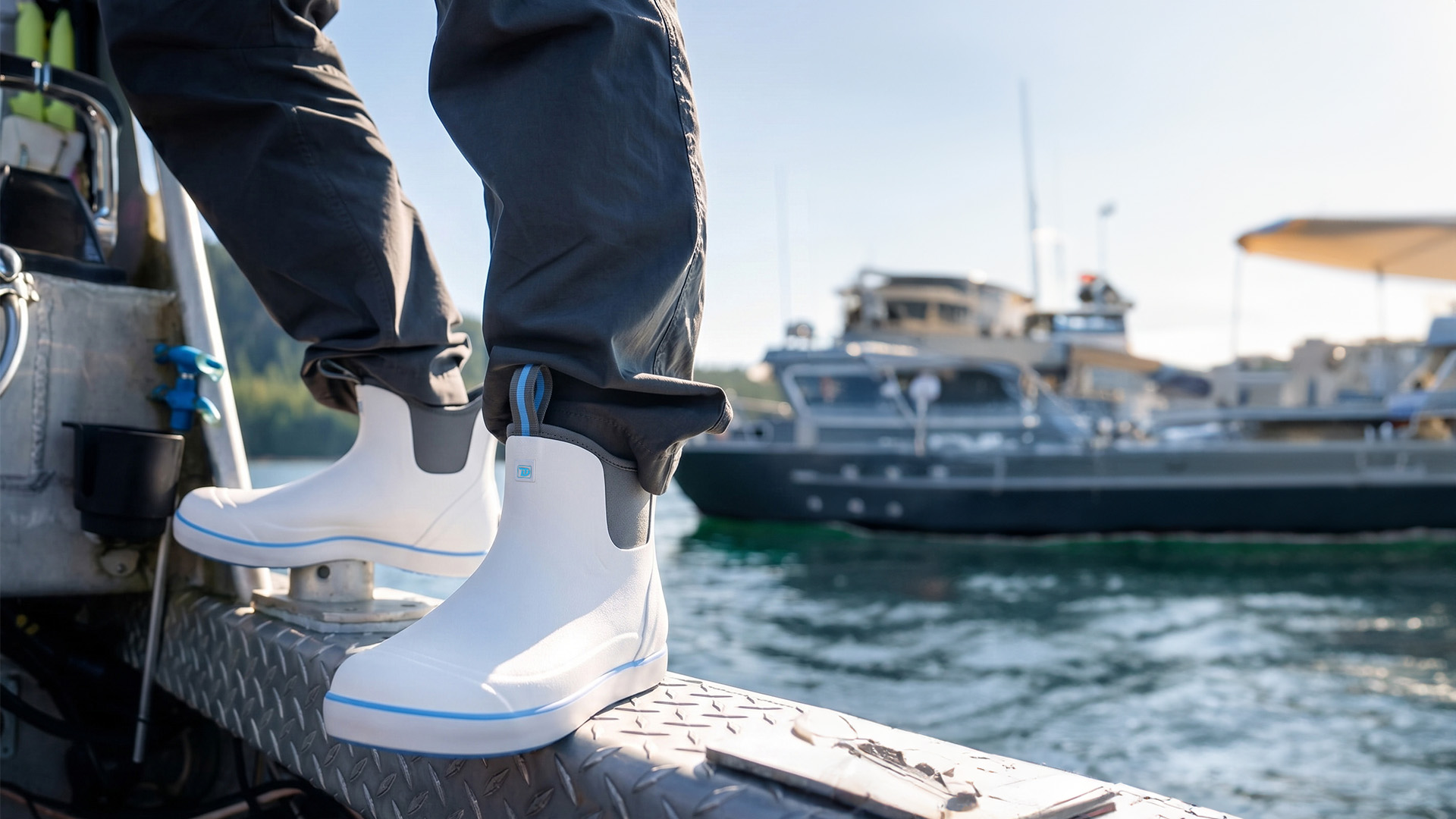
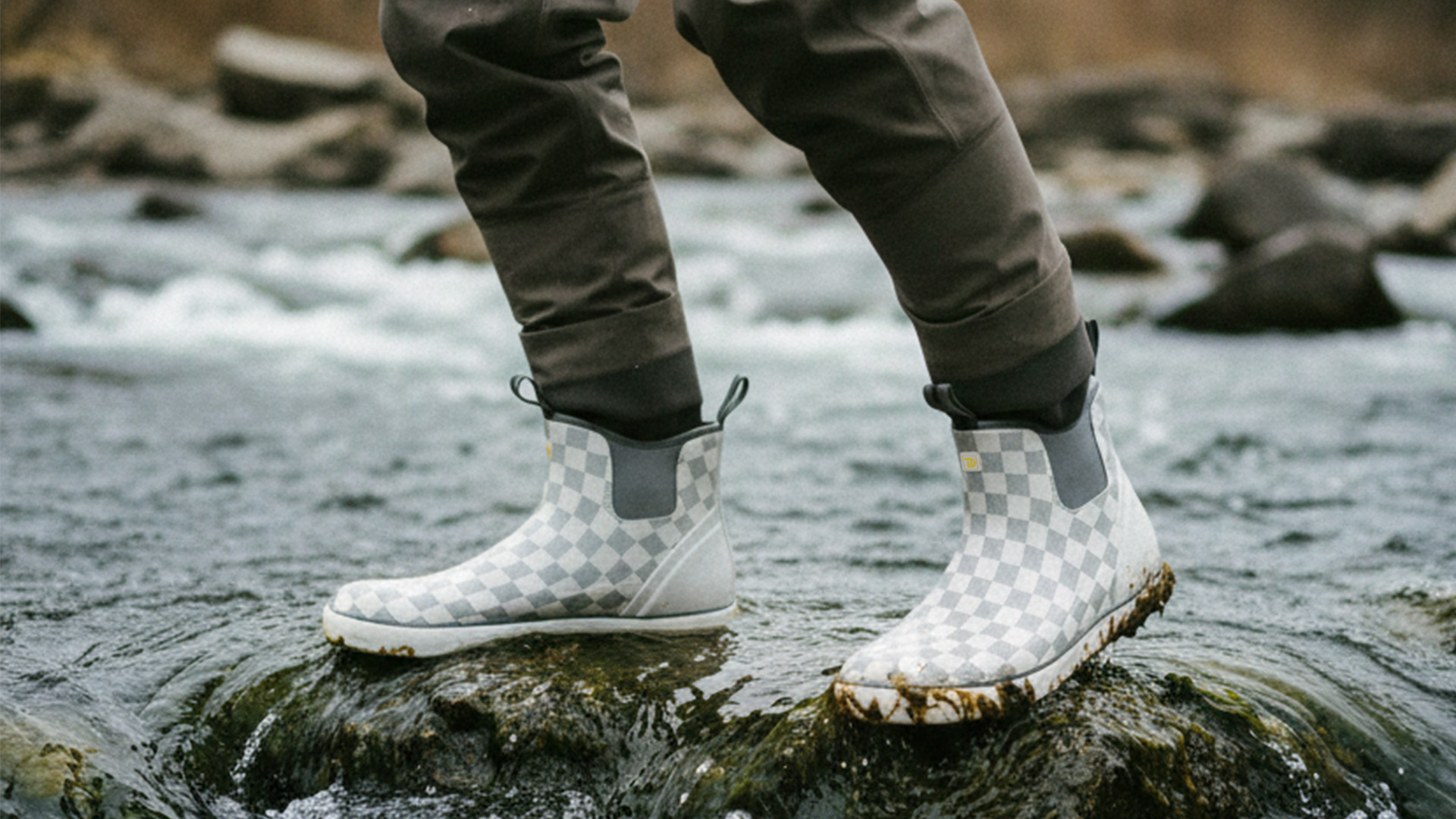
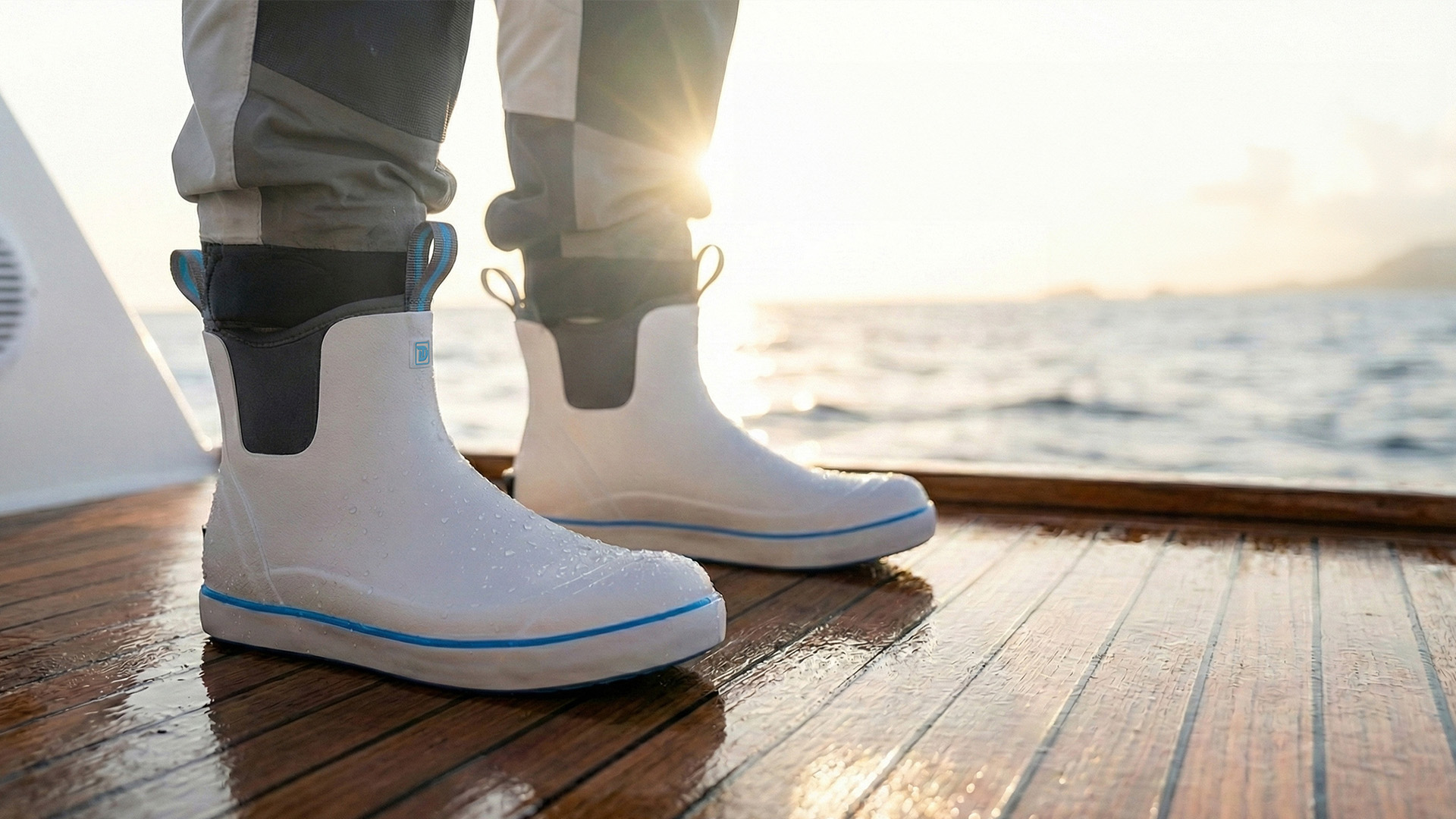
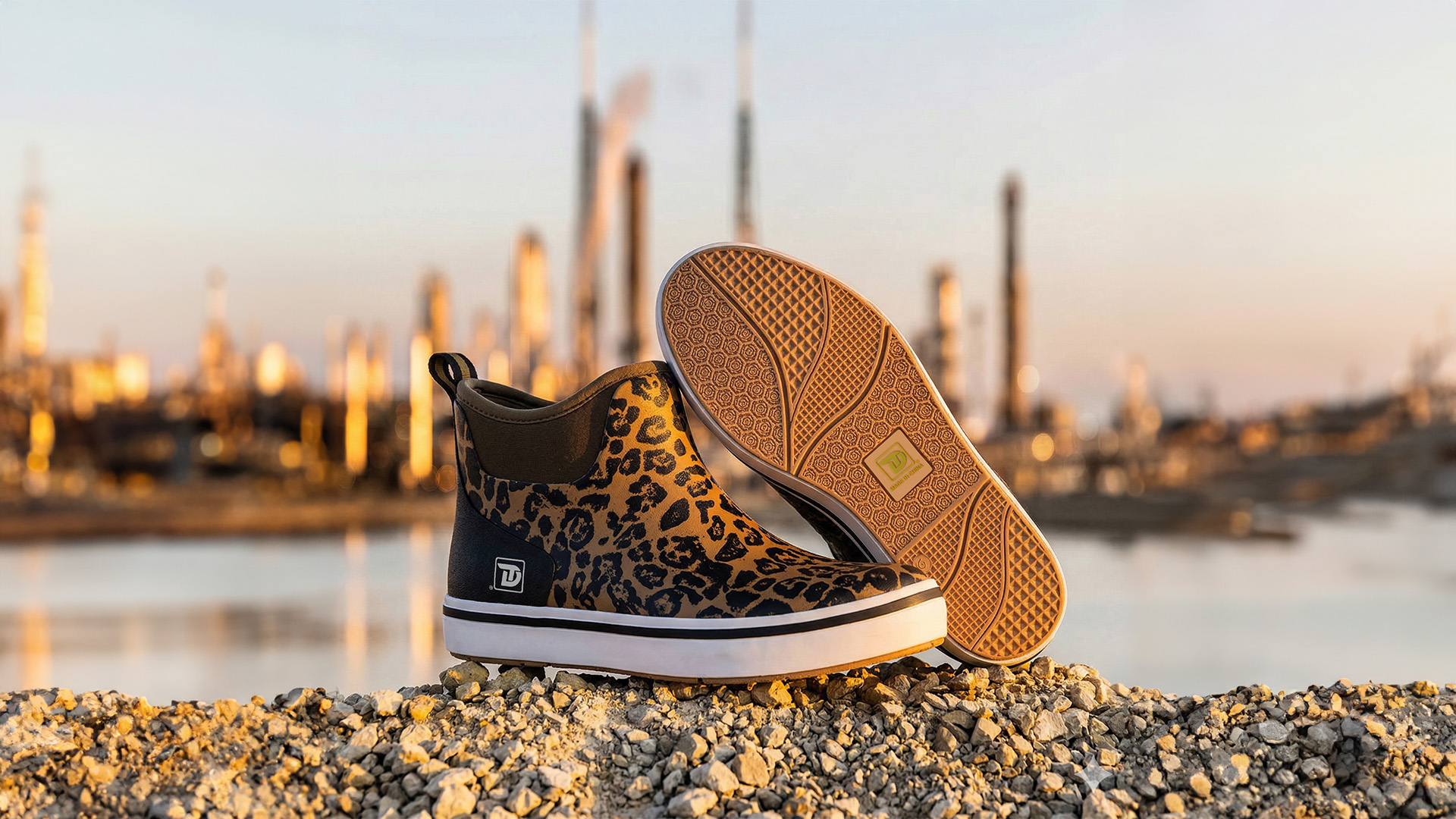
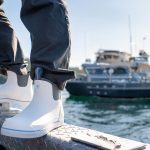
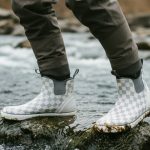
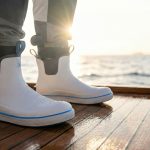
- Layer up: Fall mornings can be frigid, but midday can warm fast. Dress in layers and wear waterproof boots like Trudave’s deck boots or rain boots to handle dew, mud, and splash.
- Follow the bait: Wherever the bait goes, the big fish follow. Use sonar or visual cues like surface ripples or diving birds.
- Slow your presentation: As water cools, fish metabolism slows slightly. Pauses and subtle retrieves can trigger strikes from wary giants.
Final Thoughts: The Season of Second Chances
Fall fishing is more than just another season — it’s a reset button. The crowds thin, the air turns crisp, and the water comes alive with opportunity. Whether you’re in a misty morning fog casting for bass or standing in icy current waiting for a steelhead to strike, autumn gives every angler the chance to catch their personal best — and a story worth telling all winter long.