
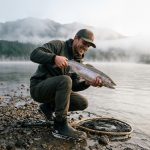
There’s a special kind of thrill in fall bass fishing — that explosive topwater strike that shatters the calm surface just as the morning fog lifts. But as the days shorten and the temperatures drop, those topwater bites become more fleeting. The window between steady fall action and winter shutdown is narrow, and timing it right can mean the difference between an unforgettable day and a skunked one. Understanding when and where those final topwater bites happen is the key to closing out your season strong.
Why Topwater Still Works in Late Fall
Many anglers hang up their poppers and buzzbaits once the water dips below 60°F, but that’s often premature. Bass are still actively feeding before winter sets in, especially when baitfish are moving shallow. As long as there’s surface activity — minnows flicking, shad schooling, or even frogs along the banks — topwater presentations can still trigger violent strikes.
The secret lies in energy conservation. During this transitional time, bass won’t chase fast-moving lures all day, but they will strike opportunistically when prey comes into range. Topwater baits that mimic wounded or struggling baitfish perfectly match that pattern.
Timing the Bite Window
In late fall, it’s not about fishing all day — it’s about fishing the right part of the day. Early mornings and late evenings lose some of their magic as temperatures plummet overnight. Instead, the best topwater action often comes in the late morning or early afternoon when the sun has warmed the shallows a few degrees.
Look for water temperatures in the mid-50s to low-60s. If you notice baitfish flickering on the surface or see the occasional swirl from a feeding bass, that’s your cue. On overcast days with light wind, bass are more likely to stay near the surface longer — making these ideal topwater conditions.
Choosing the Right Topwater Lures for the Season
As fall progresses, bass behavior shifts — and so should your lure selection. Here’s a quick breakdown of what works best as the season winds down:
- Poppers: Ideal for cooler water and calmer conditions. Their subtle “bloop” mimics dying baitfish, perfect for lethargic bass.
- Walking baits (like Spooks): Great for covering water when bass are still roaming flats or feeding along grass edges.
- Buzzbaits: Still effective on warmer afternoons, especially around wood or riprap where bass ambush prey.
- Prop baits: Work well when bass are suspended under docks or along shady banks. The sputtering action draws reaction strikes even from sluggish fish.
Tip: Downsize your bait slightly in late fall. A smaller profile often gets more strikes as bass become more selective and less aggressive.
Targeting the Right Water
When water temperatures start dropping, bass migrate from shallow feeding flats toward their wintering areas. Your goal is to intercept them along this transition. Focus on:
- Rocky banks and points: Rocks absorb heat, attracting both baitfish and bass.
- Remaining vegetation: Any patch of green weeds holds oxygen and warmth — prime habitat late into fall.
- Creek channel bends: Bass often suspend near these drop-offs, waiting to ambush prey moving out of the shallows.
- Wood cover: Fallen trees or submerged stumps retain warmth and attract baitfish.
Use electronics to locate bait schools, then position your casts just beyond the activity line. A well-placed topwater over active bait can trigger explosive reactions.
Weather and Wind: Your Fall Advantage
Cold fronts can kill surface activity, but the day before a front pushes through often delivers the best topwater bite of the season. Falling barometric pressure gets fish feeding aggressively in anticipation of colder water ahead.
Similarly, wind can help or hurt your presentation. A light ripple adds realism and masks your presence. But strong winds flatten your topwater action — when that happens, switch to subsurface presentations or find wind-protected coves.
Gear Up for the Late Season
Fishing topwater in cold weather requires patience and the right setup. Use:
- Rod: A medium to medium-heavy rod with a moderate-fast action for long casts and solid hooksets.
- Line: 30–50 lb braid (no stretch helps detect subtle hits), with a short mono leader if needed for shock absorption.
- Retrieve: Slow it down — longer pauses, subtle twitches, and shorter bursts often outperform steady retrieves.
And don’t forget to dress warm. Chilly winds and wet hands can cut a trip short if you’re unprepared.
Closing Out the Topwater Season
Every fall has that one magical week when the fish seem to erupt on every cast — and then, just as quickly, it ends. Recognizing the environmental cues, reading the bait movements, and understanding how bass adapt to dropping temperatures let you stretch that window as long as possible.
So before you pack away your topwater box for the winter, get out there. Watch the ripples, feel the chill in the air, and wait for that one last explosion on the surface — the kind that echoes across a quiet lake and reminds you why you love fall fishing.