
For decades, fall anglers have been told the same thing: follow the bait, find the fish. And while that advice holds some truth, it often leads fishermen in frustrating circles — chasing schools of shad that scatter and reform with every temperature shift or passing front. The result? More running than reeling.
If you want to catch more fish this fall, it’s time to stop chasing the bait and start reading what truly drives fish positioning — the wind.
Wind dictates water movement, temperature mixing, oxygen levels, and, yes, baitfish movement. But instead of following the bait itself, successful anglers focus on where the wind pushes them. Understanding this simple but powerful shift in strategy can turn a tough day into a full livewell.
1. Why Wind Beats Shad Watching
In fall, shad and other baitfish roam open water, driven by subtle temperature layers and plankton concentrations. To the naked eye, this migration seems random — but the real force behind it is wind.
Wind creates surface current that stacks warmer, oxygen-rich water and pushes both plankton and baitfish toward wind-blown banks, points, and pockets. Bass, stripers, and walleye know it — and they’re never far behind.
When you chase shad, you’re following the symptom. When you follow the wind, you’re tracking the cause.
The science behind the strategy
- Surface mixing: Wind stirs the top layer of water, redistributing oxygen and breaking up thermoclines.
- Bait concentration: Plankton drifts with the wind, pulling baitfish toward windward areas.
- Predator positioning: Gamefish stage along structure where wind-driven current funnels prey.
That’s why wind-blown shorelines or points often outproduce calm coves — even when the bait appears elsewhere.
2. Reading the Wind Like a Pro
Most anglers check the weather app for comfort, not strategy. But if you pay attention to wind direction, you can map your day for success before you even launch the boat.
Key observations to make:
- Wind direction: Always start on the side of the lake the wind is blowing toward, not away from.
- Speed: 5–15 mph is ideal. It creates water movement without making conditions unmanageable.
- Duration: The longer the wind has been blowing from the same direction, the more concentrated the fish will be.
If the wind’s been blowing from the north for two days straight, that southern shoreline is now a buffet line for feeding predators.
3. Target Zones: Where Wind Builds the Bite
Not every wind-blown spot is equal. You’re looking for structure that traps moving water and bait, creating a predictable ambush zone.
Top Wind-Focused Hotspots
- Wind-blown points: Bait piles up here, especially if there’s deep water access nearby.
- Riprap and rocky banks: These areas absorb heat and add oxygen through wave action — a perfect combo.
- Windward coves: When shad are pushed into pockets, they can’t escape easily. Bass love it.
- Main-lake humps or ledges: In bigger reservoirs, wind creates current around these structures, pulling big fish up to feed.
Avoid calm, protected areas unless you’re fishing finesse baits for inactive fish. Active fall bass and walleye are almost always where the wind hits hardest.
4. The Best Lures for Windy Conditions
When the surface is choppy, visibility drops, and fish rely more on vibration and flash to feed. That means you need lures that can stand out and cut through the turbulence.
Go-to Wind Baits
- Spinnerbaits: The flash and thump of dual willow blades make them deadly in rolling waves.
- Crankbaits: Medium-divers that bang into rocks and structure mimic injured baitfish perfectly.
- Chatterbaits: Ideal for stained, wind-stirred water — they send out vibration fish can feel from yards away.
- Swimbaits: Slow-roll them along windy banks for a subtle, lifelike presentation.
If the wind’s really howling, use heavier baits to maintain casting distance and control. And always cast into or across the wind, not with it — that’s how predators are positioned to strike.
5. Boat and Bank Positioning: Use the Wind, Don’t Fight It
Wind can be your ally or your enemy, depending on how you play it. Instead of fighting to stay stationary, use the wind to drift strategically across productive areas.
- Boat anglers: Use a drift sock or spot-lock trolling motor to slow your drift along windward banks. This keeps your bait in the strike zone longer.
- Bank anglers: Focus on corners or pinch points where wind-driven bait collects. Cast parallel to shorelines to cover more water efficiently.
- Kayak anglers: Paddle with the wind at your back, then work your way along the bank it’s blowing into.
Remember: the best bites often come right where the current hits structure and swirls — the underwater equivalent of a feeding station.
6. When Wind Direction Changes
A sudden shift in wind can make or break your pattern. But instead of panicking, see it as an opportunity.
- New wind direction: Fish will follow the new push, usually within a few hours.
- Slack periods: When the wind dies, switch to finesse tactics like drop shots or Ned rigs.
- Post-front bluebird days: Bass get lethargic — target deeper structure or shade lines where wind used to pile bait.
Adapting quickly separates good anglers from great ones. The fish are still there — they just reposition to follow the new energy flow in the lake.
7. Gear and Comfort for Windy Fishing Days
Fishing wind efficiently means being prepared for rougher conditions. Comfort and control are key.
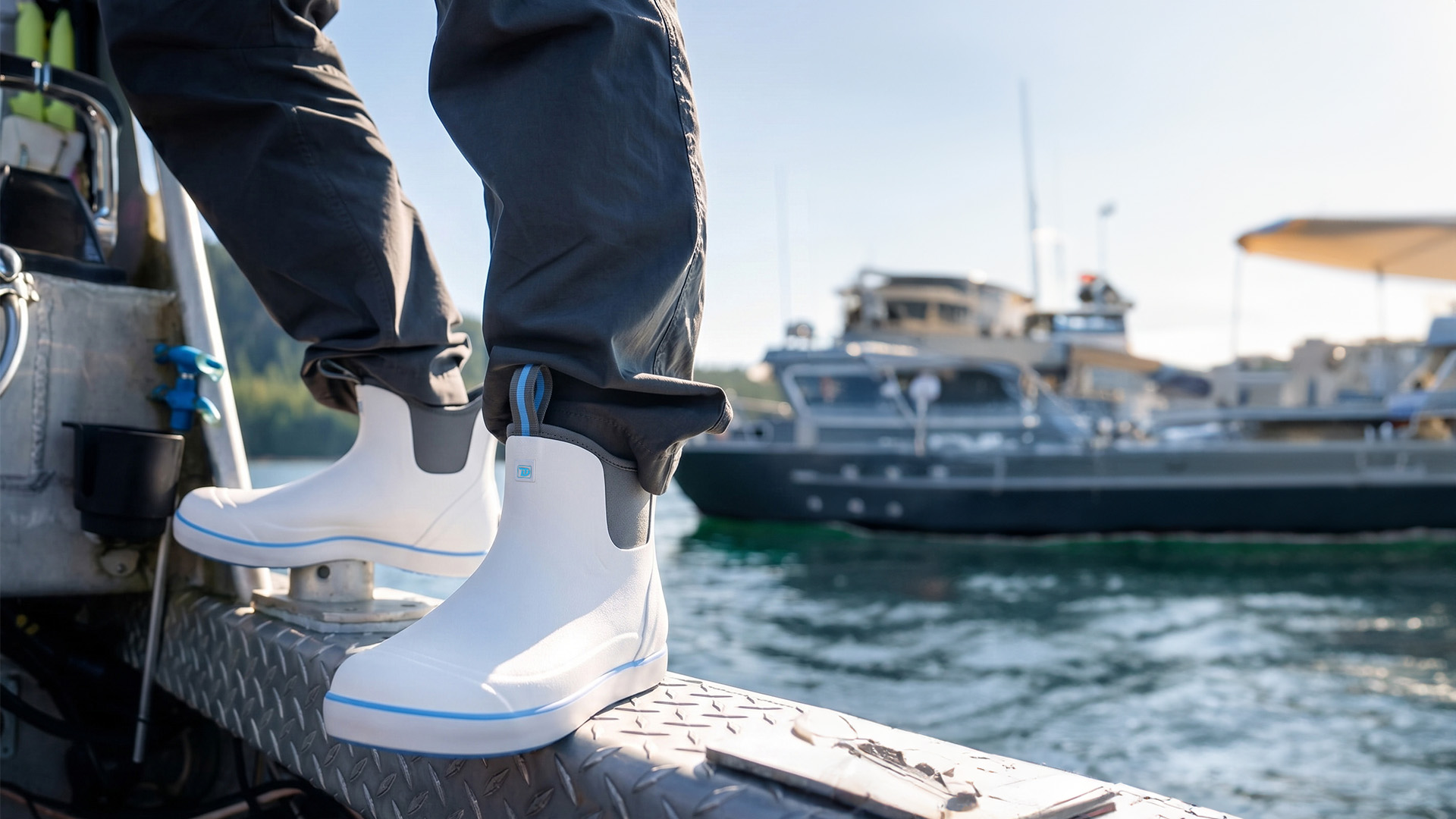
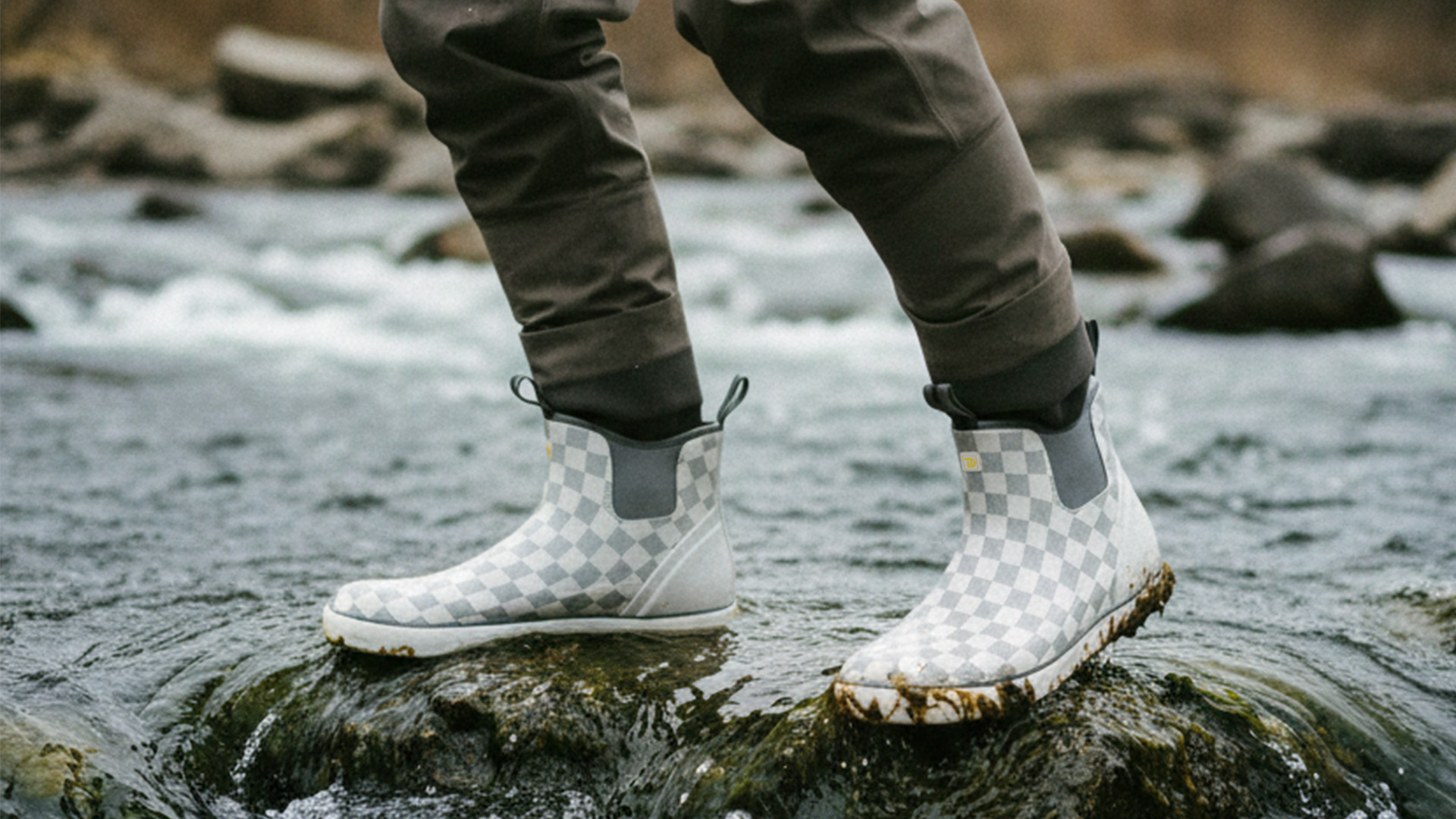
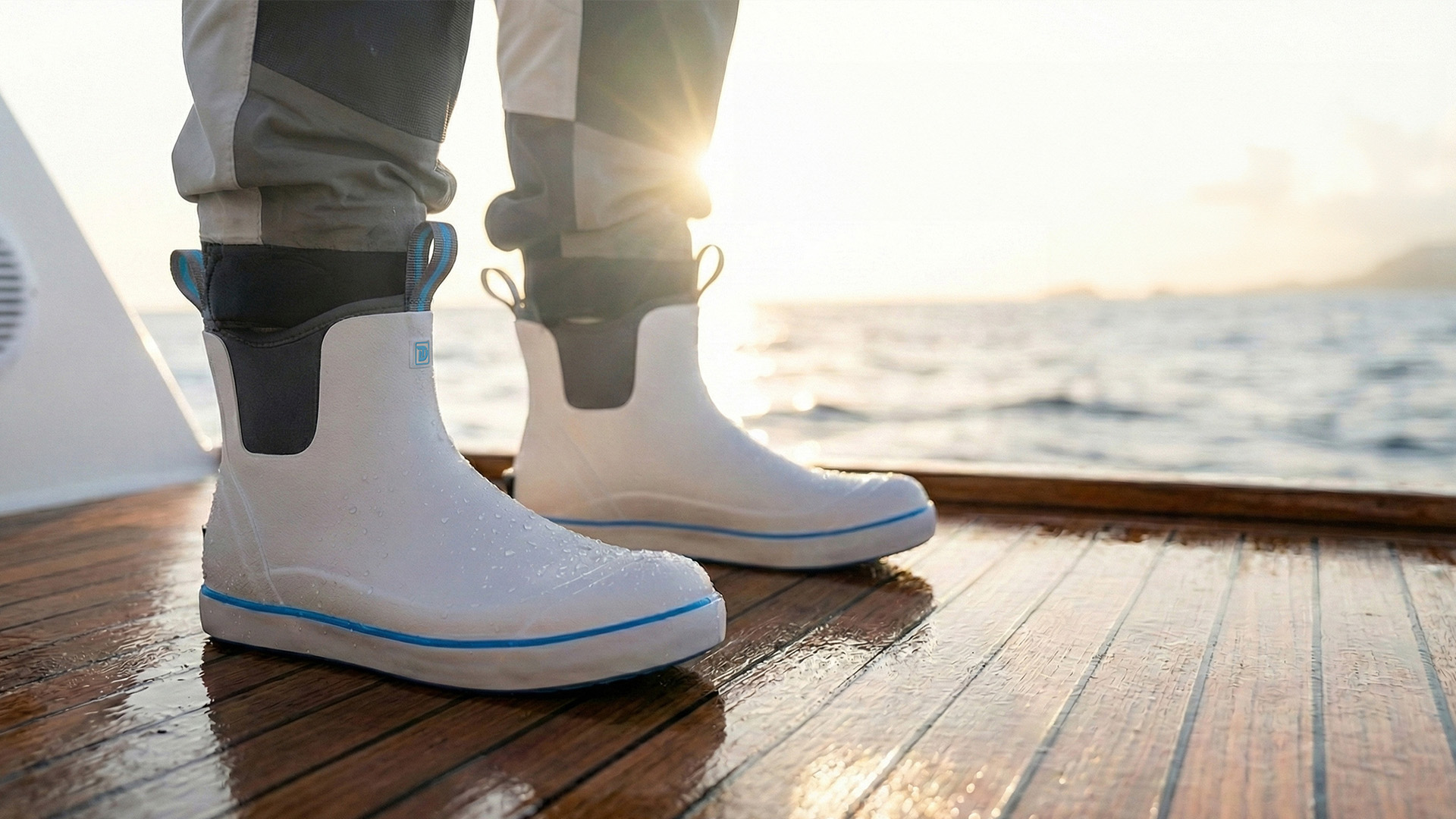
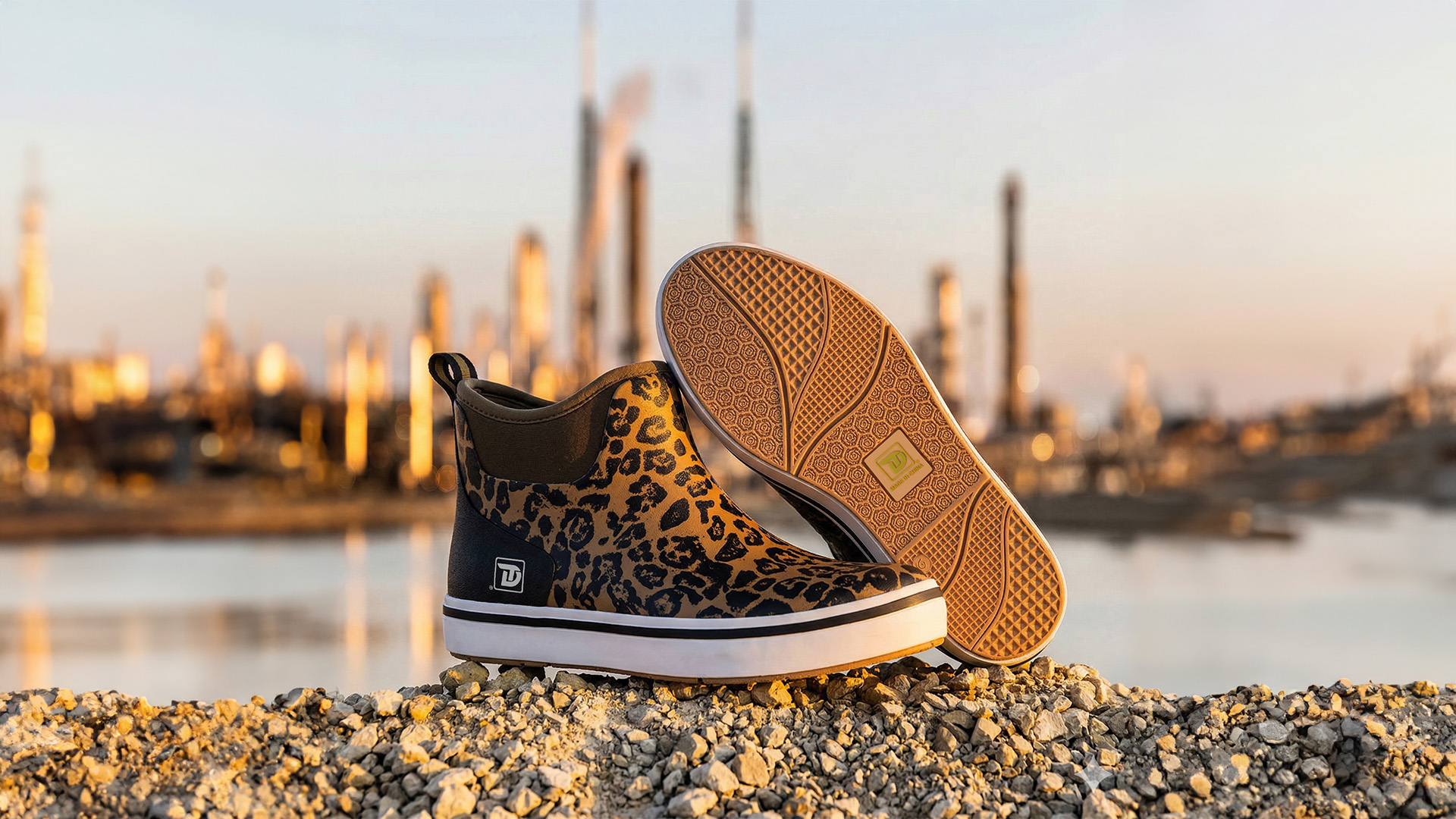
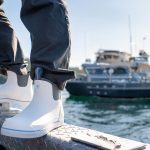
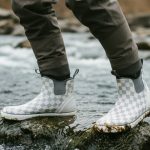
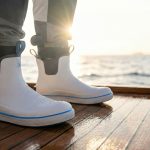
- Footwear: Waterproof, non-slip boots like Trudave deck boots keep you steady and dry when waves splash the deck.
- Clothing: Layer up with windproof outerwear — especially in late fall when wind chill bites hard.
- Rods: Choose a slightly stiffer rod to handle heavier baits and maintain accuracy in gusts.
Fishing into the wind isn’t always easy — but it’s where the action happens.
8. Why Wind Is the Fall Equalizer
While most anglers chase baitfish that scatter across the lake, wind is the constant. It dictates where food collects, how oxygen mixes, and where predators can feed efficiently.
Learning to “fish the wind” transforms your success rate. It simplifies decisions, narrows your focus, and helps you find active fish faster.
In fact, some of the best pros plan their entire day based on wind forecasts — not sonar, not temperature, not luck.
Final Thoughts
Fall is a season of motion — for weather, for bait, and for fish. But instead of chasing what you can’t control, learn to ride nature’s rhythm. The next time you’re tempted to fire up the trolling motor and chase fleeing shad, stop. Look up, feel the wind on your face, and let it guide your cast.
Because out on the water, the wind doesn’t just blow — it points the way to more strikes.