
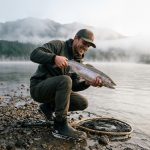
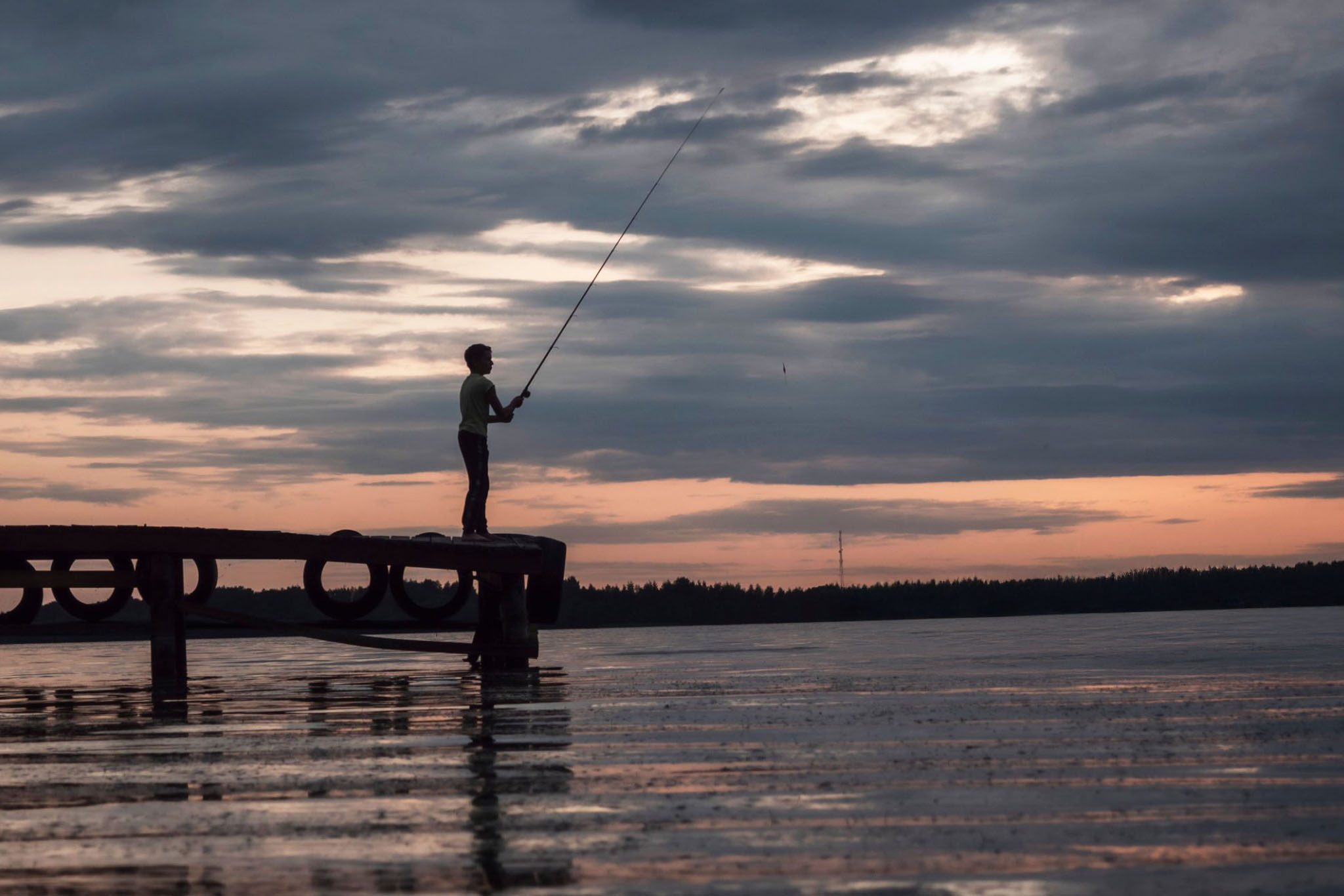
There’s something almost poetic about surfcasting in late fall — the sting of salt air, the rhythm of waves breaking under gray skies, and the quiet thrill of knowing that while most anglers have packed up for the year, you’re still out there chasing that one last run of fish. Late-season surfcasting isn’t for the faint of heart. The weather’s unpredictable, the wind can bite, and the fish are constantly on the move. But for those who know how to read the surf and follow the bait migrations, the rewards are often the biggest and strongest fish of the year.
In this guide, we’ll cover everything you need to know for late-season surfcasting success — from reading tides and wind to choosing the right gear and lures for cold, rough conditions.
1. The Late-Season Surf: Why It’s Worth It
By November, the beaches have quieted down. The summer crowds are gone, and only the dedicated few remain — those who understand that this is prime time for striped bass, bluefish, and even late red drum.
As ocean temperatures cool, baitfish like bunker, mullet, and sand eels begin their southern migrations. Predators follow close behind, using surf zones and troughs as ambush points. This creates a feeding frenzy along the beaches that savvy surfcasters can take full advantage of.
The key is persistence — being out there when those short, powerful feeding windows open up. It’s not about quantity this time of year; it’s about quality fish and timing.
2. Reading the Beach: Where Late-Season Fish Feed
Success in surfcasting always starts with reading the beach. The late season changes everything — shifting sandbars, deeper troughs, and stronger currents all influence where fish hold and feed.
Here’s what to look for:
- Cuts and Outflows: Openings in sandbars where water drains back into the ocean. These are bait highways — and ambush zones for stripers and blues.
- Deep Troughs: Fish use these as travel corridors, especially when the surf is heavy. Cast parallel to shore to work the length of the trough.
- Points and Jetties: These create current breaks where predators wait for disoriented baitfish.
- Foam Lines: Wherever you see steady foam, there’s likely structure beneath or mixing water — both attract feeding fish.
Late in the season, structure becomes even more critical. The fish aren’t chasing as aggressively; they’re looking for easy meals in energy-efficient feeding lanes.
3. Wind and Weather: The Surfcaster’s Advantage
Ask any seasoned surfcaster — wind direction can make or break your day. In fall and early winter, onshore winds stir up bait and create ideal feeding conditions, while offshore winds often flatten the surf but can make casting easier.
Here’s a breakdown:
- Northeast Wind: Rough surf, strong current, and dirty water — challenging but productive for big stripers.
- Northwest Wind: Clears the water and cools the surf — great for sight-fishing and casting distance.
- South Wind: Brings warmer water and can extend the bite for a few extra days.
Always monitor the barometer. Dropping pressure before a front moves in can trigger aggressive feeding — the perfect window for a quick surf mission.
4. Late-Season Gear: Built for the Elements
Fall surfcasting demands tougher gear. The salt spray, cold temperatures, and heavy fish will expose any weakness in your setup.
- Rod & Reel: A 10’–11’ medium-heavy surf rod paired with a sealed spinning reel (like a Van Staal or Penn Slammer) handles both the surf and large fish.
- Line: 30–40 lb braid with a 40–50 lb fluorocarbon leader for abrasion resistance.
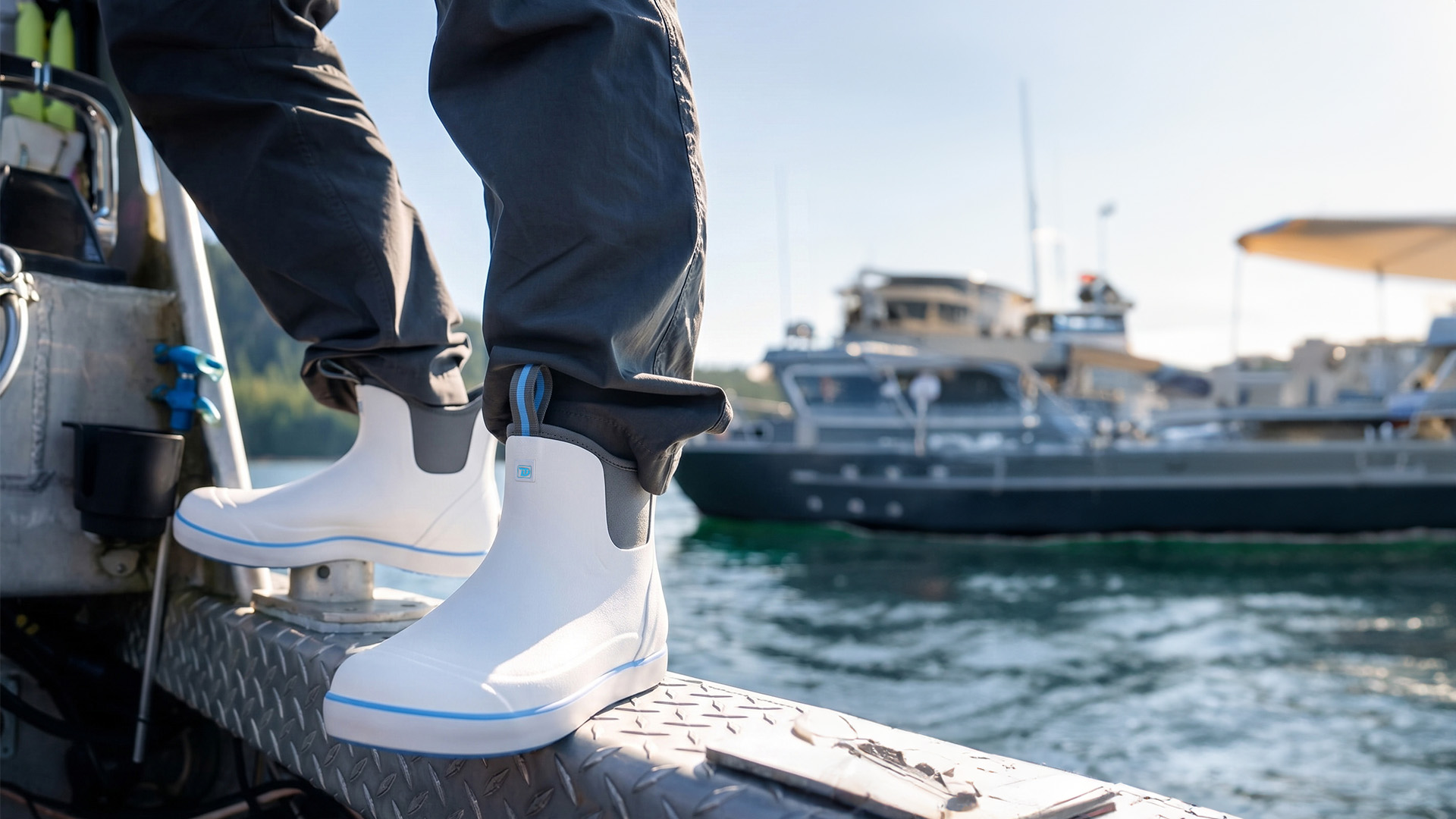
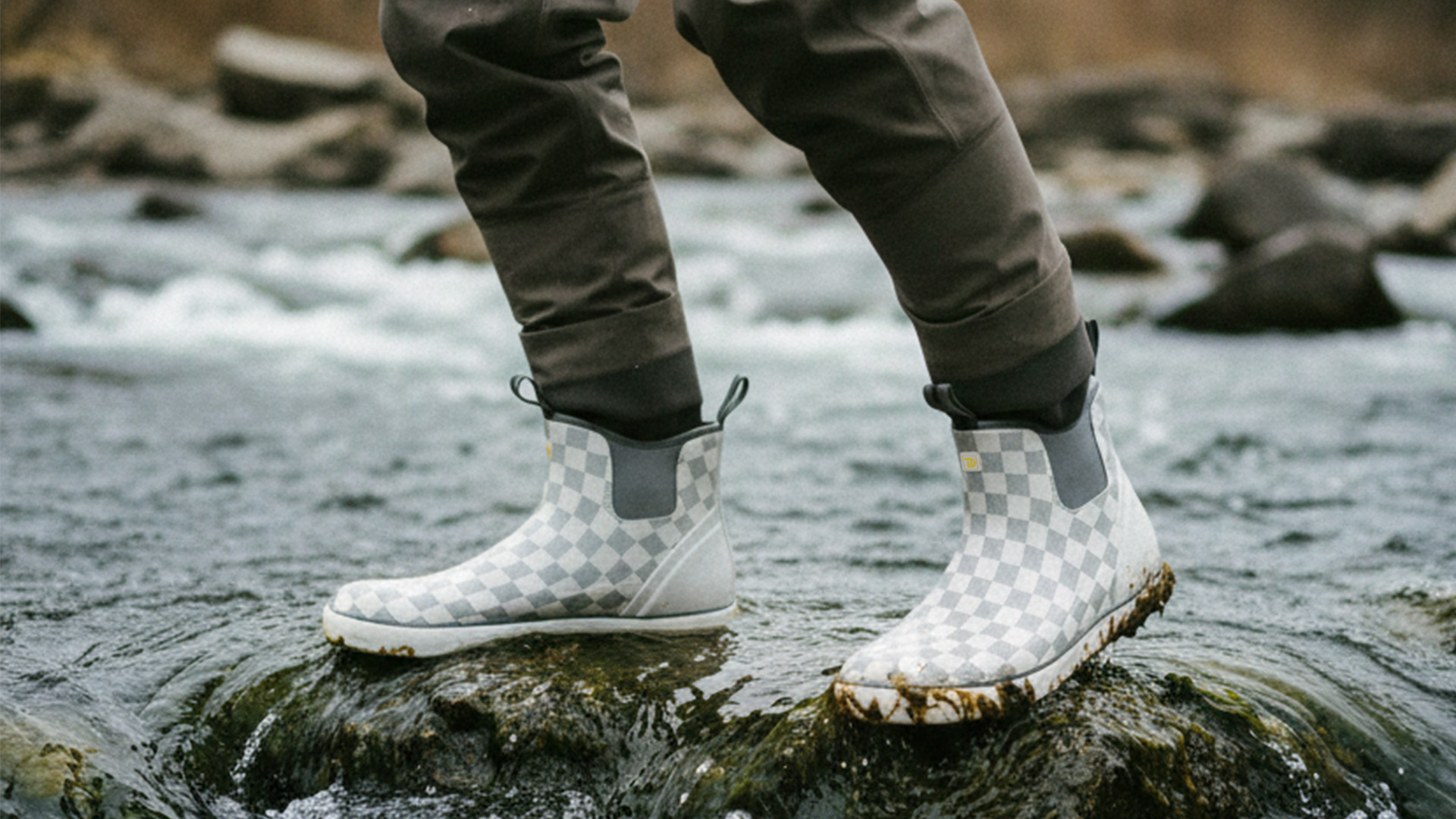
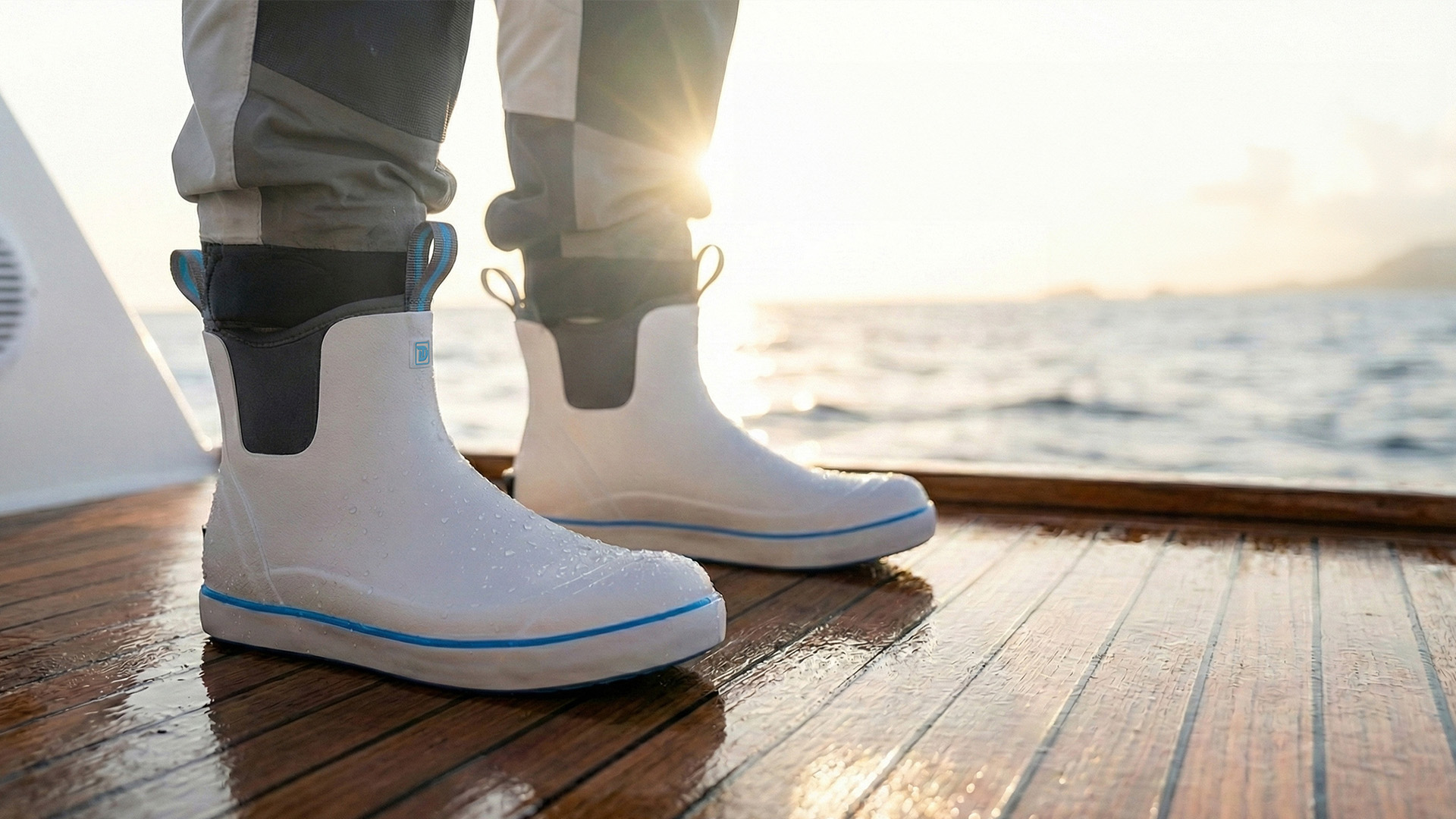
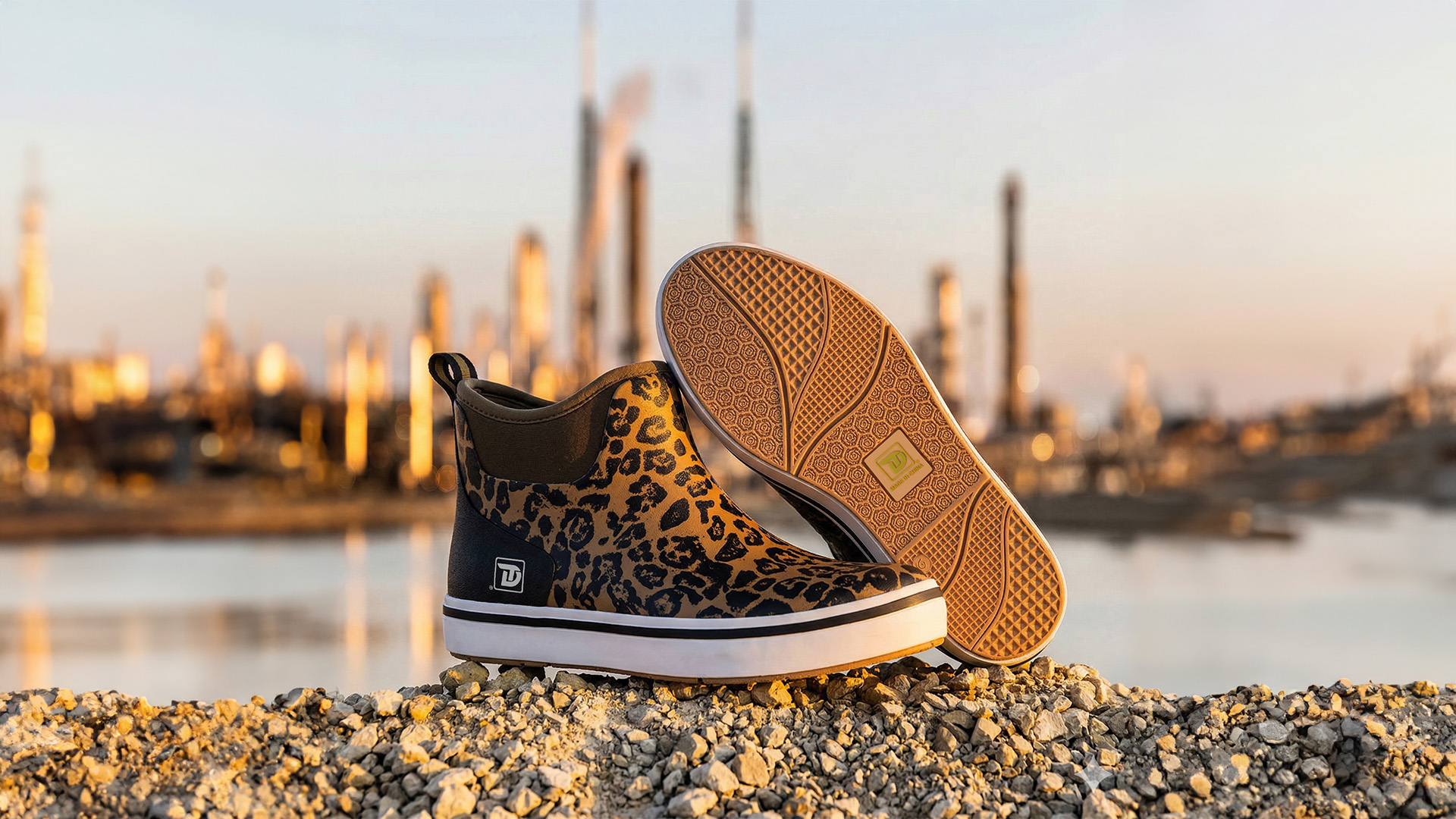
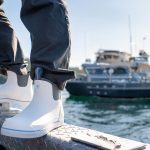
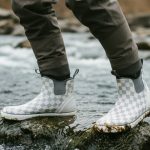
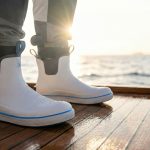
- Footwear: Waterproof deck boots or insulated waders are essential for cold surf conditions — staying dry is key to staying out longer.
- Clothing: Layer up with moisture-wicking base layers, windproof shells, and neoprene gloves that still allow fingertip dexterity.
Don’t underestimate the importance of comfort. The best surfcasters stay sharp because they can last in tough conditions without freezing or fatiguing.
5. The Late-Season Lure Lineup
Fish in cold, choppy water respond differently — they want slower, more natural presentations that match sluggish bait.
Top late-season lure picks include:
- Metal Jigs (like Hopkins or Ava): Perfect for long casts into the wind and mimicking sand eels.
- Bucktail Jigs: Timeless and effective; bounce them along troughs or jetties.
- Soft Plastics (on jig heads): Work slowly near the bottom where fish hug the sand.
- Swimbaits: Ideal for imitating mullet or bunker. Choose natural colors like olive, pearl, or black.
- Needlefish Plugs: Excellent for night fishing and calm surf conditions.
Pro Tip: When in doubt, downsize. Smaller baits often outfish big plugs in cold water when fish are more finicky.
6. Timing the Bite
In late fall, the bite is tied closely to tide movement and temperature swings.
- Incoming tides often bring warmer water and bait movement — ideal for evening sessions.
- Outgoing tides flush baitfish out of back bays and cuts, drawing predators in close.
- Dawn and dusk are still the golden hours, but don’t overlook midday sun warming shallow bars — especially after a cold night.
If the surf feels lifeless, wait it out. Many late-season bites happen in short, explosive windows lasting just 30 minutes.
7. Staying Safe on the Late-Season Surf
Cold surf fishing carries real risks — hypothermia, strong rip currents, and rogue waves. Safety is non-negotiable.
- Always fish with a buddy or let someone know your location.
- Use a wading belt with waders to prevent flooding in a fall.
- Avoid slick rocks and jetties during heavy surf.
- Keep a dry bag with a towel, gloves, and hand warmers in your vehicle.
A successful trip is one you come back from — every time.
8. The Late-Season Mindset
There’s a special satisfaction in feeling that late-fall wind whip across your face as the surf pounds behind you. You’re part of a rare breed — someone who doesn’t quit when the season turns.
Every cast in the late season carries more meaning. The ocean feels alive but quieter, the fish are fewer but stronger, and the moments between strikes stretch into meditative calm. Surfcasting in the late season isn’t just about catching fish — it’s about finishing strong.
So gear up, face the wind, and let the salt hit your skin. The fish are still out there — waiting for those who refuse to hang up their rods.