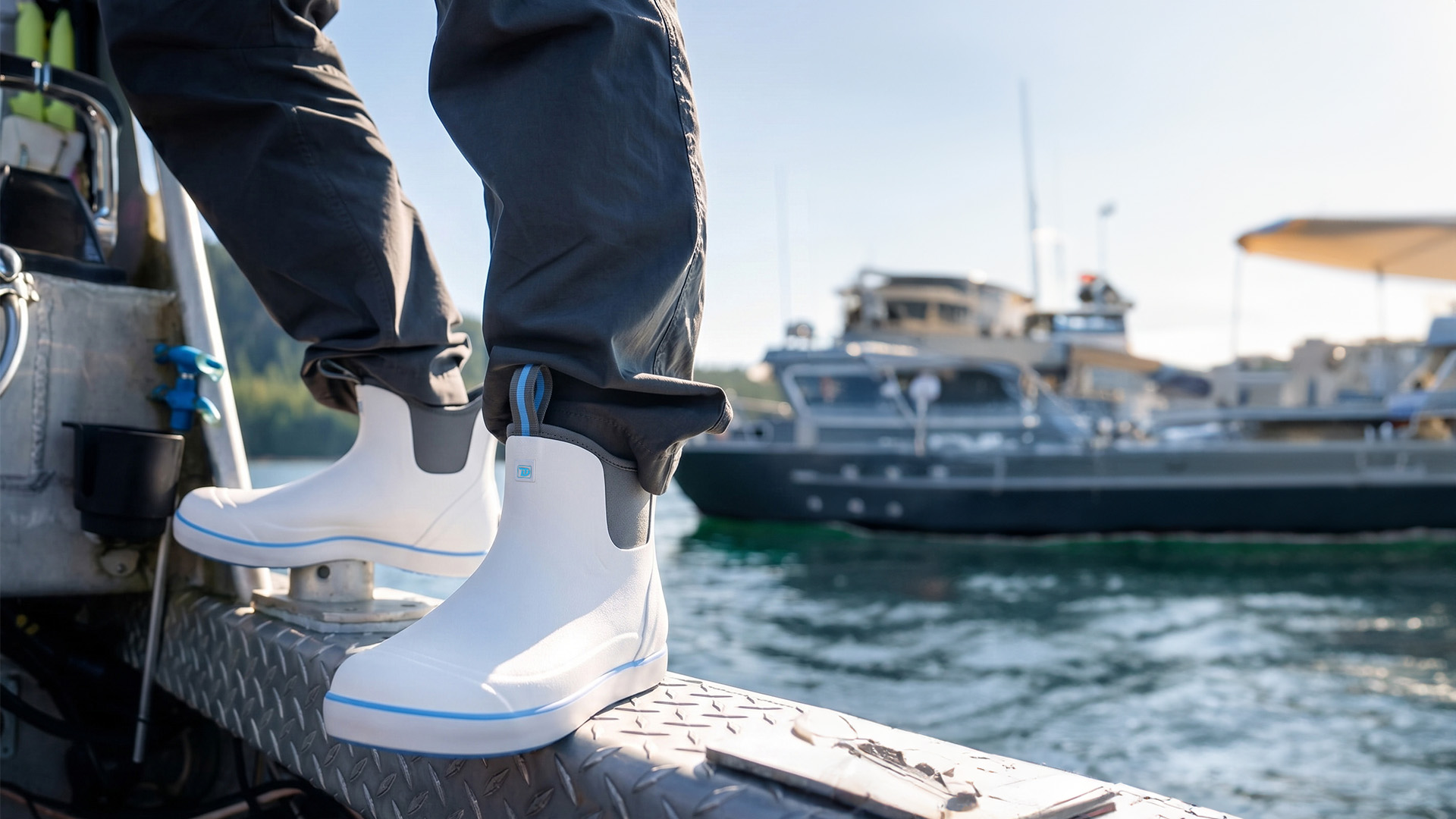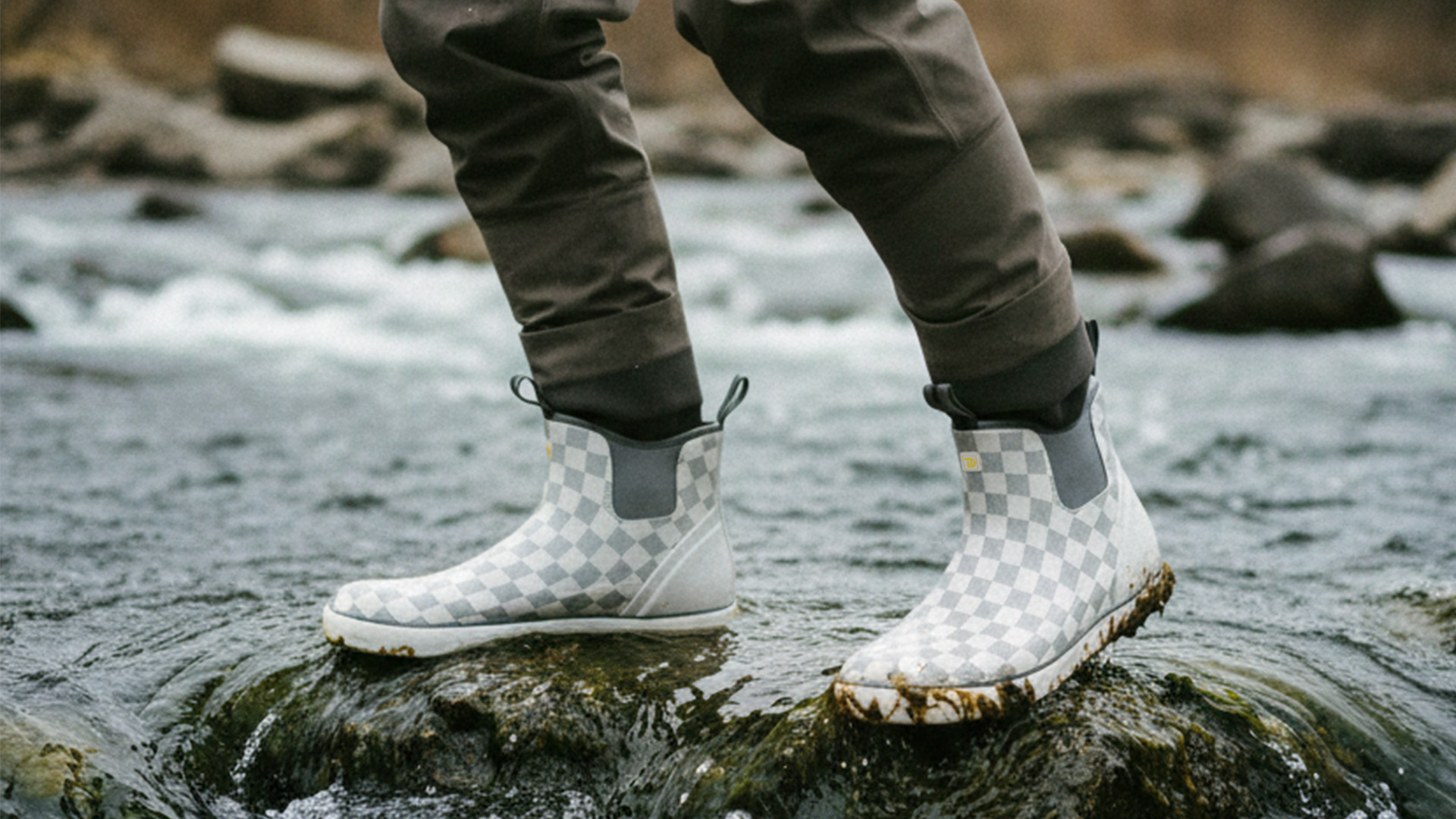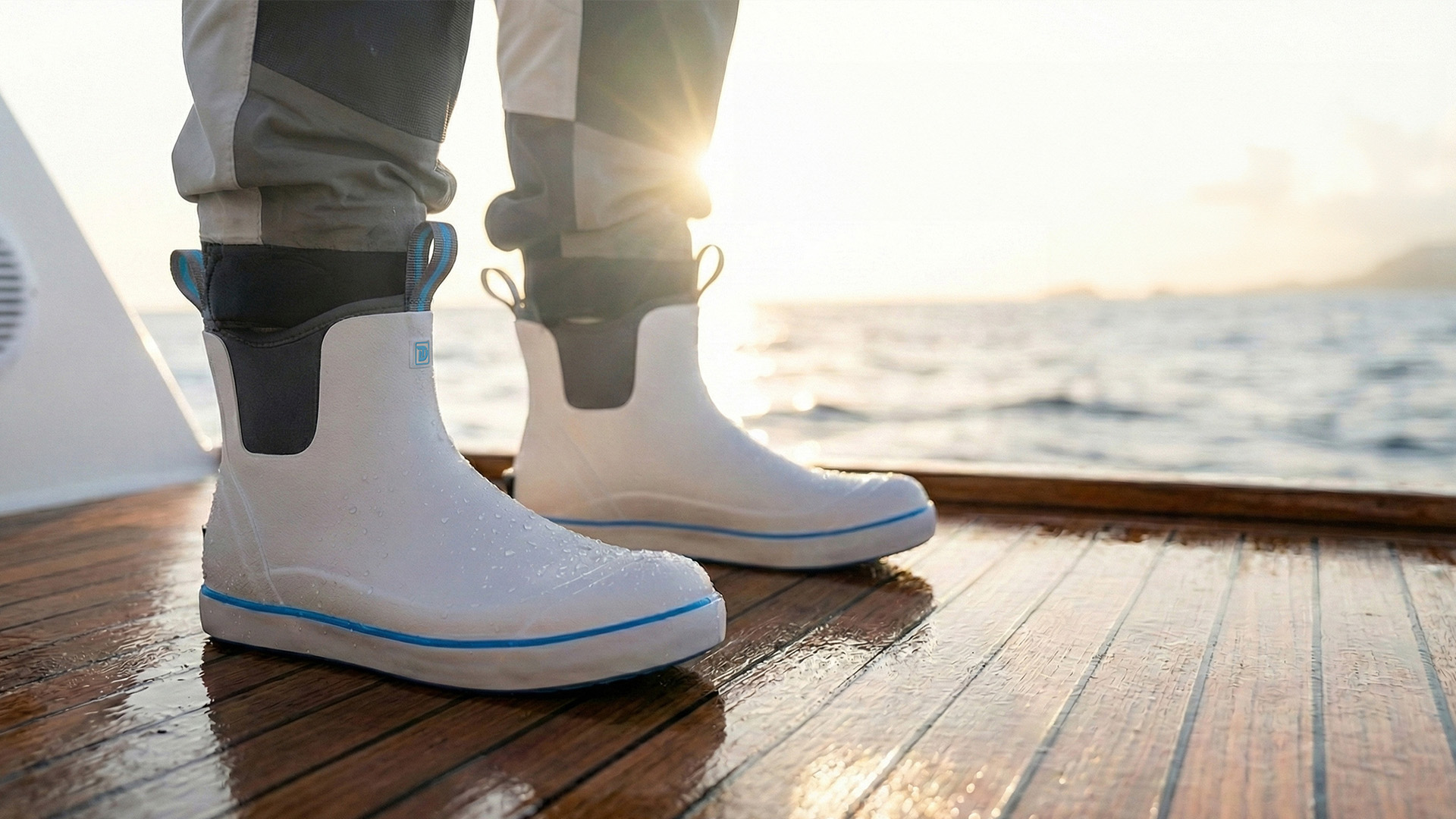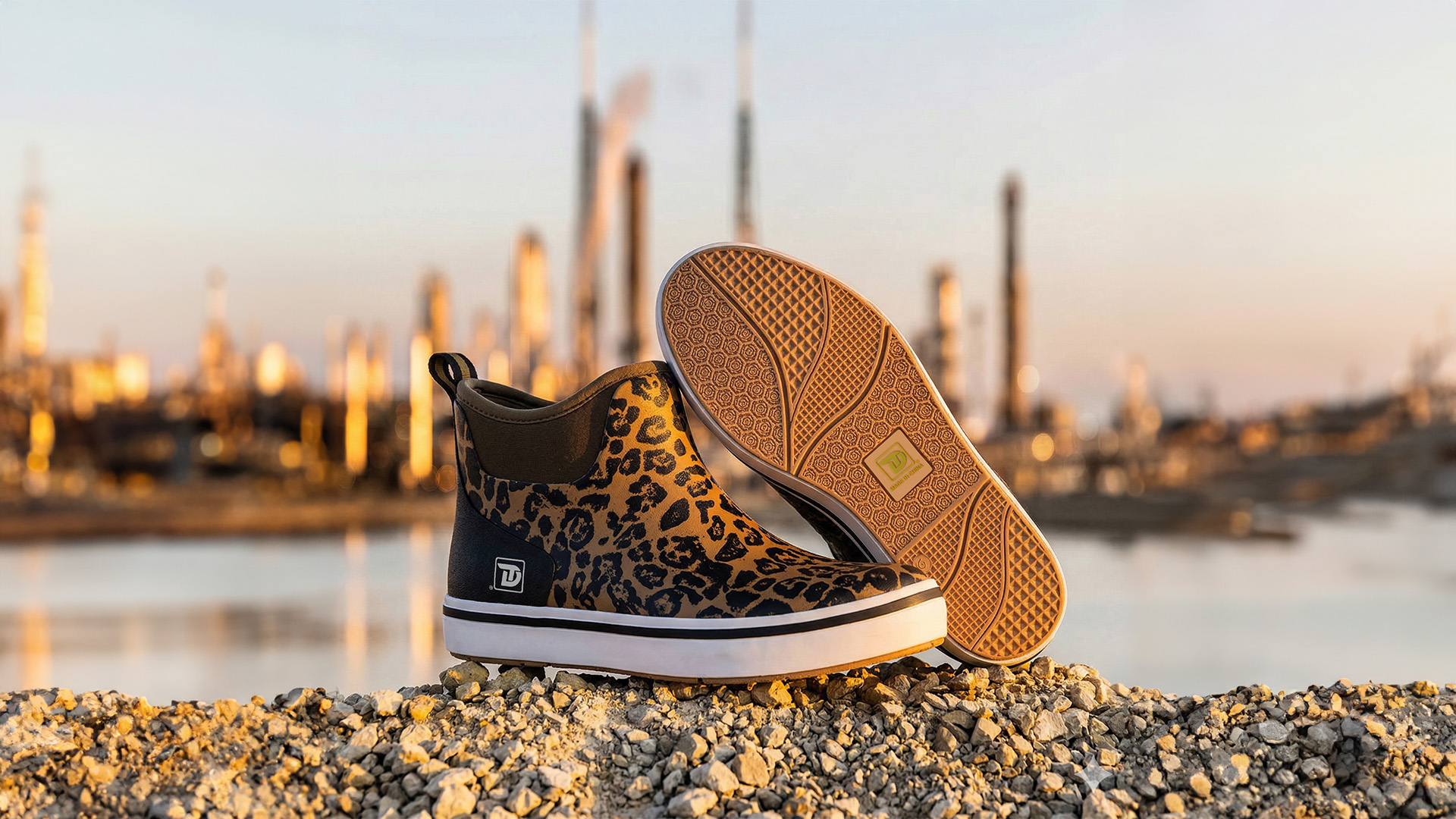



When the leaves begin to turn and the air grows crisp, most anglers see fall as prime time for trophy fish. But along with cooler temperatures comes a new challenge—the wind. Gusts that whip across lakes and rivers can turn a calm day into a tactical test. While many fishermen pack up and head home, the most skilled anglers know how to make wind their ally instead of their enemy. Understanding how gusts affect your cast, your lure, and fish behavior can completely change your fall fishing success.
The Science Behind the Wind
Wind is more than just an inconvenience—it’s a force that reshapes the entire ecosystem of a body of water. As the wind blows across the surface, it pushes plankton, baitfish, and debris toward the downwind side of the lake. Larger predators—like bass, walleye, or trout—follow this movement, stacking up along windblown banks, points, and coves.
So, when you feel that steady gust hitting your cheek, don’t curse it. Instead, read it. Wind direction tells you where the food chain is setting up, and where you should be casting.
Positioning: Working With the Wind, Not Against It
One of the biggest mistakes fall anglers make is trying to fight the wind. Casting directly into a strong headwind not only reduces accuracy but can also destroy your presentation. Instead:
- Cast with the wind whenever possible to increase distance and maintain a natural lure action.
- Position your boat or body upwind and cast toward the shallows, allowing the wind to drift your lure naturally toward the fish.
- On the bank, focus on windward shorelines—these areas are where baitfish get pushed and predators ambush.
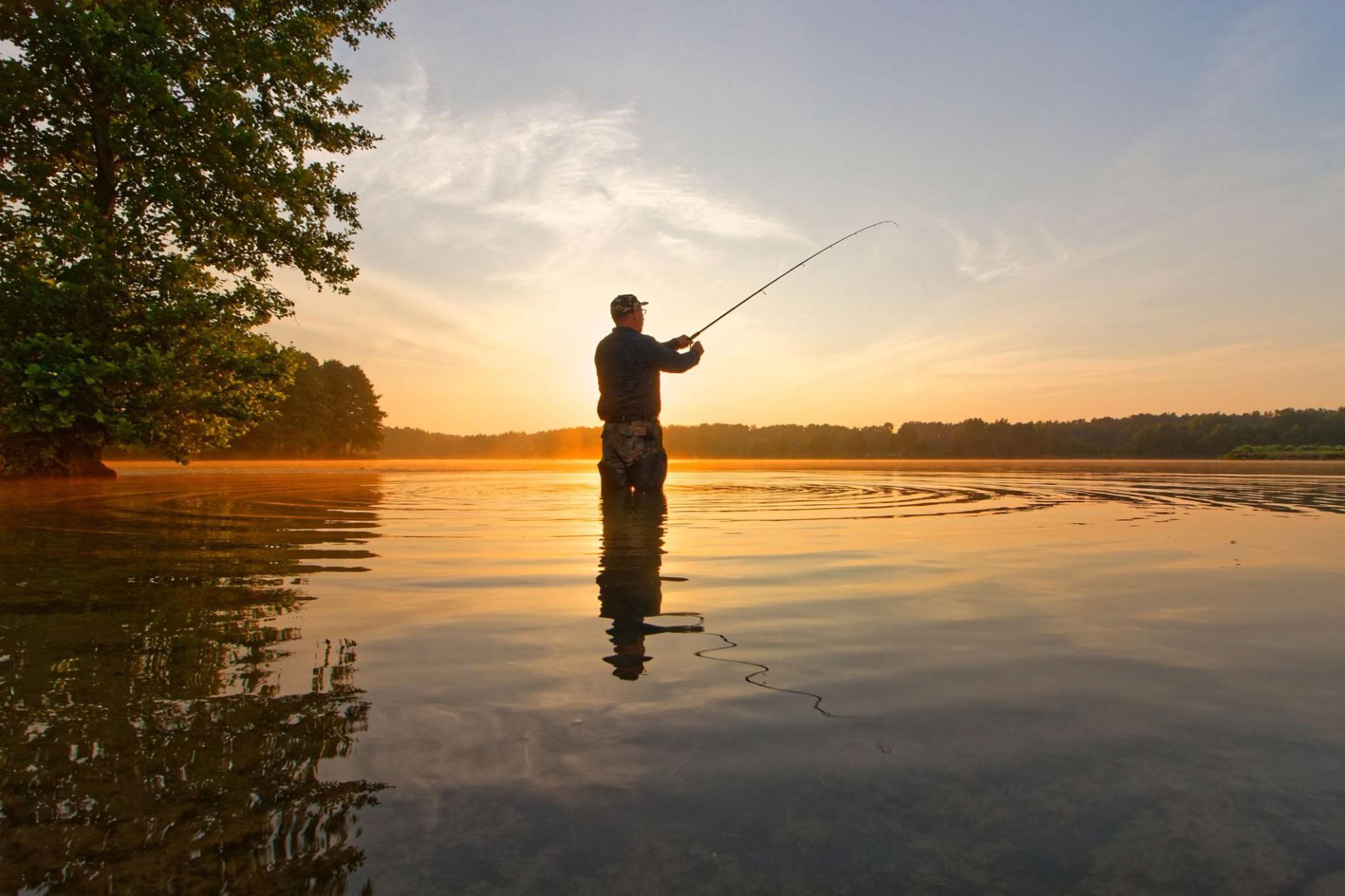
If you’re wade fishing or casting from a dock, use your stance and shoulder angle to control how the wind affects your line. Subtle body adjustments can make a huge difference when precision matters.
Choosing the Right Gear for Windy Days
When gusts pick up, the right setup can make or break your session. Start with a medium-heavy rod that provides better control against drag and backlash. Pair it with a reel featuring strong braking systems—especially if you’re using baitcasters.
As for line choice:
- Braid cuts through wind well and reduces slack.
- Fluorocarbon leaders help keep your lure down and maintain stealth in clear water.
For lure selection, think heavier. Spinnerbaits, lipless crankbaits, and swimbaits handle wind far better than light topwaters or finesse rigs. Their weight and vibration can cut through chop and stay in the strike zone longer.
Wind and Fish Behavior: Why It Matters
Wind doesn’t just affect your cast—it changes how fish behave. In fall, water temperature and oxygen levels shift rapidly, and wind accelerates that process by mixing surface water. This movement often wakes up lethargic fish, triggering aggressive feeding behavior.
Predators tend to position themselves facing the wind, waiting for bait to drift toward them. That’s why casting along the same line the wind is moving often results in more strikes. On the other hand, if you’re fishing calm coves or backwaters on windy days, fish there may be smaller or more passive.
Mastering the Cast in Challenging Conditions
Strong gusts demand technical casting adjustments. Here are a few pro-level tricks to keep control:
- Sidearm casts are your best friend—keeping your lure low helps it cut through wind with less lift.
- Shorten your line slightly to reduce slack and improve contact with your lure.
- If wind speed varies, wait for a brief lull between gusts before your cast. Timing can make a big difference in accuracy.
- For spinning setups, feather the line with your finger during the cast to manage how it releases.
When to Seek Shelter—and When Not To
It’s true that sometimes the wind wins. If whitecaps start forming and you can’t maintain control or balance, safety comes first. But moderate wind—10 to 20 mph—can actually be ideal. It adds cover noise, breaks up light penetration, and makes fish less wary.
On days like these, embrace the chaos. Focus on the edges of wind-blown points, submerged weed lines, or shallow flats. Fish there are usually feeding hard, using the wind to their advantage.
Final Thoughts: Turning Wind into an Opportunity
Fall fishing is about adaptation—and few elements test your adaptability like wind. Once you learn to interpret gusts, position yourself correctly, and match your gear to the conditions, you’ll find that some of your best catches come on blustery days.
So next time you feel that brisk wind pushing across the water, don’t pack it in. Instead, tighten your hood, adjust your stance, and make your cast count. Because the wind isn’t working against you—it’s working for you.