
When the chill of late fall and early winter grips the air, most anglers trade their rods for the fireplace. But for those who understand how fish behave in moving water, cold weather can be the best time to hook into some serious action. Rivers never fully sleep — and neither do the fish that live in them. The secret lies in knowing where the current slows, where oxygen levels stay high, and how to take advantage of those hidden eddies and deep holes where fish gather when the mercury drops.
🌊 Why Rivers Fish Differently in Cold Weather
Unlike lakes and ponds, rivers don’t stratify with temperature layers. Their constant flow keeps oxygen levels stable, even as water temperatures fall. This makes rivers one of the last reliable fishing options when everything else ices over.
However, the same current that keeps rivers alive also makes fish more conservative in cold water. Their metabolism slows, and they seek places where they can hold with minimal effort while still feeding. That’s why understanding river dynamics — holes, eddies, seams, and tailouts — becomes the real difference-maker.
🌀 Understanding the Magic of Eddies
An eddy is a pocket of slow-moving or reverse current that forms behind an obstruction, like a boulder, fallen log, or river bend. In winter, eddies act like rest stops for fish.
Fish such as trout, walleye, and smallmouth bass slide into these slower zones to conserve energy while waiting for food to drift by. The current naturally funnels insects, baitfish, and debris right into their reach — meaning you can often find multiple species stacked up in a single, well-formed eddy.
👉 Where to Find Productive Eddies:
- Below large rocks or fallen trees
- Inside sweeping river bends
- At the downstream edge of islands
- Behind bridge pilings or submerged debris
Pro tip: During cold mornings, focus on the inside seams of these eddies, where the current barely moves. As the day warms, fish may shift slightly closer to the faster edge where food flow increases.
🕳️ Deep Holes: The Cold-Water Sanctuary
When water temperatures plummet, depth equals warmth and security. Deep river holes offer both — stable temperatures, protection from predators, and a consistent flow of oxygenated water.
Fish often school up tightly in these holes, especially during long cold spells. You can think of them as winter apartments where fish rest between feeding spurts.
🎯 Target Deep Holes That Have:
- A gentle inflow and outflow (not too turbulent)
- Rocky or gravel bottoms for structure and food sources
- Access to shallower feeding areas nearby
To fish these spots effectively, position yourself upstream of the hole, and let your lure or bait drift naturally through it. The most bites happen near the tailout, where the hole shallows up and fish wait to intercept food.
🎣 Cold-Water Tactics That Deliver
Fishing moving water in winter requires subtlety. Fish are sluggish, and currents exaggerate lure movement. Here’s how to dial in your approach:
🪱 1. Go Small, Go Slow
Fish don’t want to chase. Downsized baits like 1/8–1/4 oz jigs, small soft plastics, and natural-colored minnows outperform big, flashy presentations. Keep your drift slow and natural.
🧊 2. Use the Current, Don’t Fight It
Cast upstream or cross-current, and let your bait drift along the bottom. The goal is to mimic food being carried by the flow, not something fighting against it.
🪶 3. Vertical Presentations for Deep Holes
For walleye or trout stacked deep, a vertical jigging approach with spoons or soft plastics keeps your lure in the strike zone longer. Lift gently, then let it flutter back down.
🪤 4. Float Rigs for Precise Control
For rivers with a mix of depths, float rigs allow controlled drifts through key current seams. Adjust your depth so your bait just ticks the bottom — that’s where most strikes happen.
🪙 5. Don’t Ignore Live Bait
Cold fish are scent-driven. Minnows, nightcrawlers, or wax worms presented slowly in eddies or tailouts can outperform artificials by a mile.
🐟 Species Breakdown: Who’s Biting in the Cold
🎣 Trout
- Seek slow seams and the edges of deep runs.
- Nymphs, small jigs, and soft plastics work best.
- Late morning and early afternoon (when water warms slightly) are prime times.
⚡ Smallmouth Bass
- Concentrate in deep rocky pools and eddies.
- Use tube baits, blade baits, or finesse jigs with subtle hops.
- Strike zone is small — make multiple drifts through the same lane.
🌙 Walleye
- Thrive in deep holes near current breaks.
- Night or dawn are the best feeding windows.
- Use jigs tipped with minnows, or slow-rolled swimbaits.
🔧 Gear Tips for Cold-Water River Fishing
Cold weather brings its own set of challenges — from iced-up guides to frozen fingers. Here’s how to stay efficient and comfortable:
- Use braided line with a fluorocarbon leader for sensitivity and abrasion resistance.
- Keep reels lightly lubricated with cold-weather oil to prevent freeze-ups.
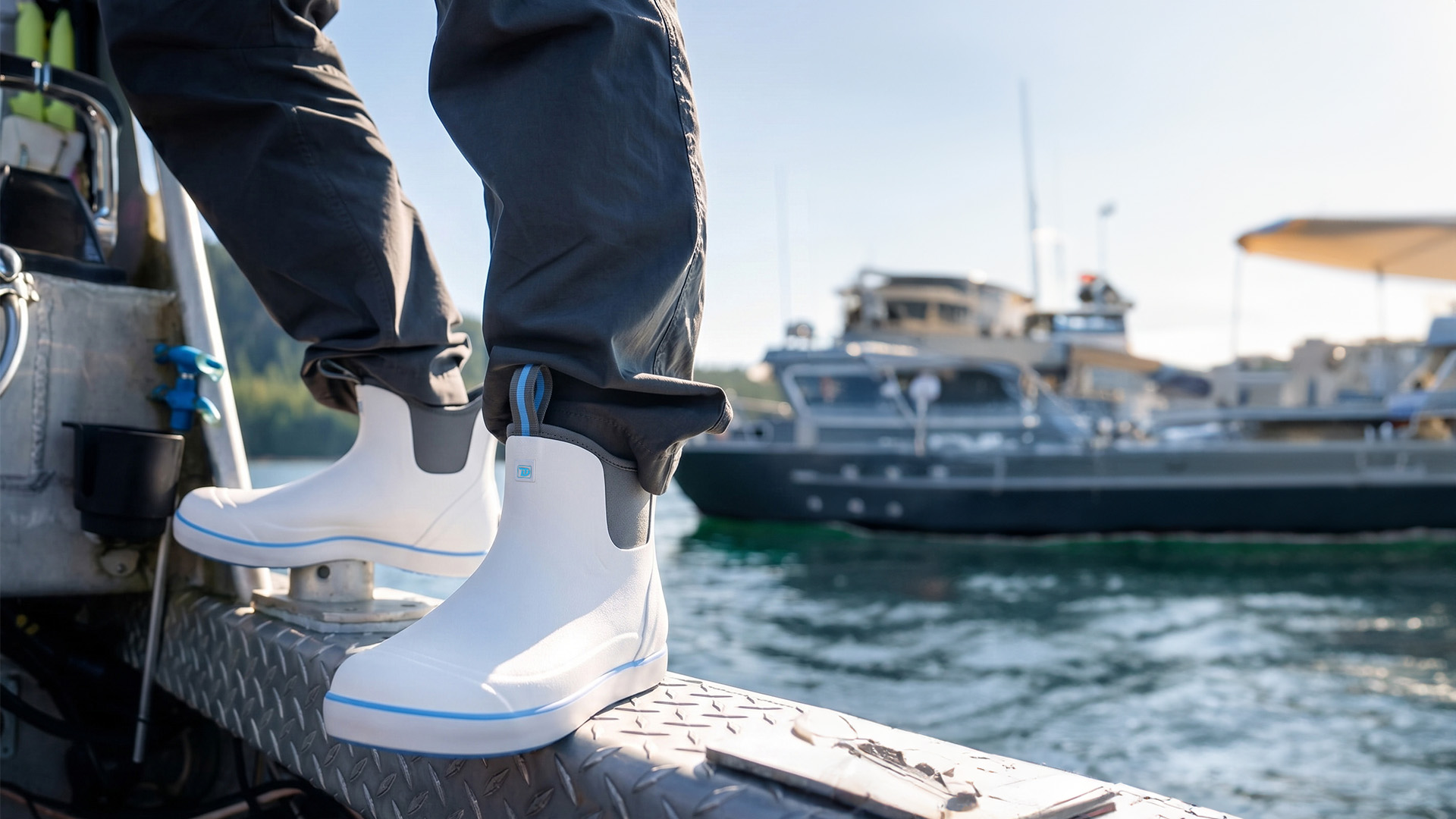
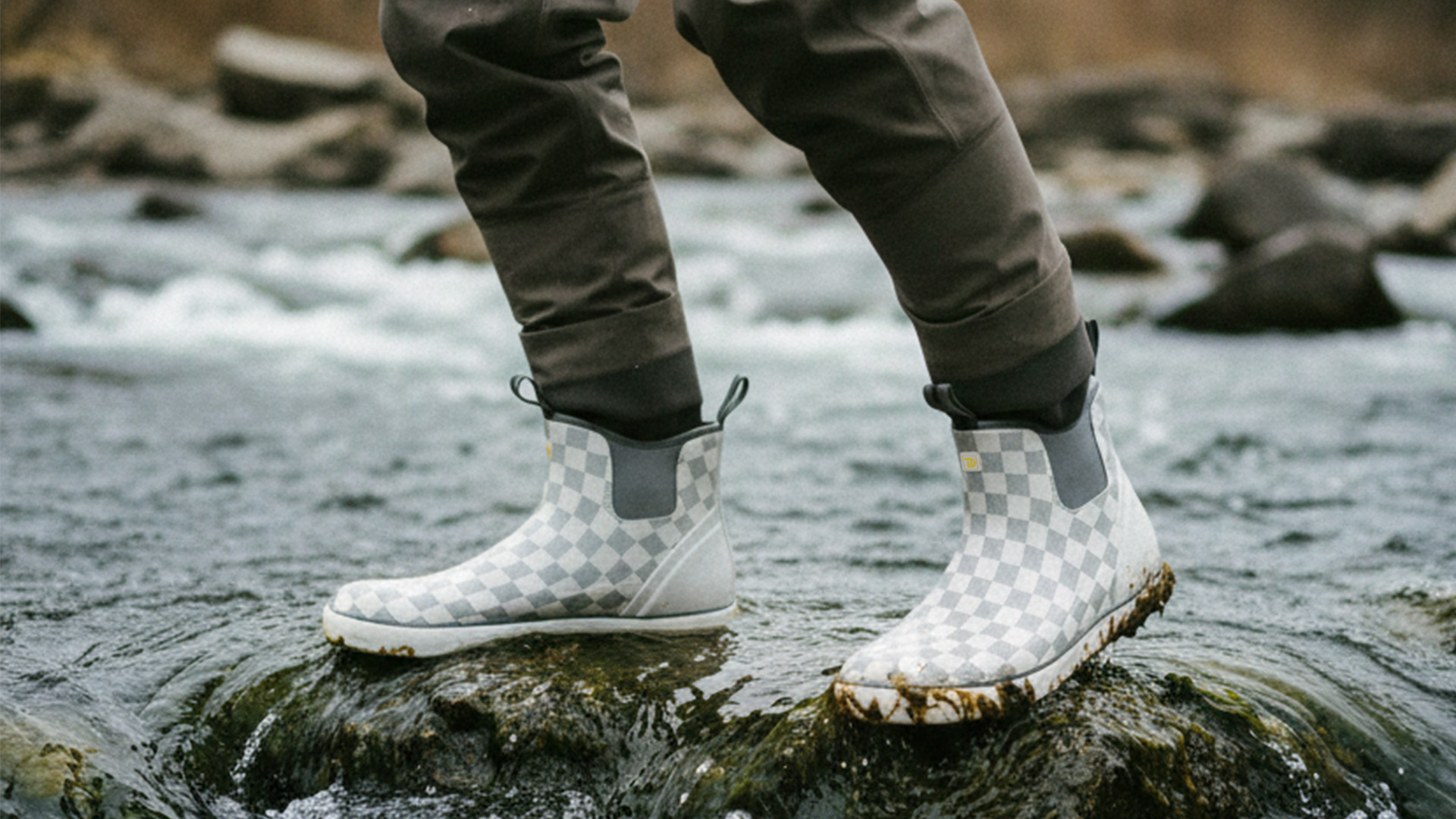
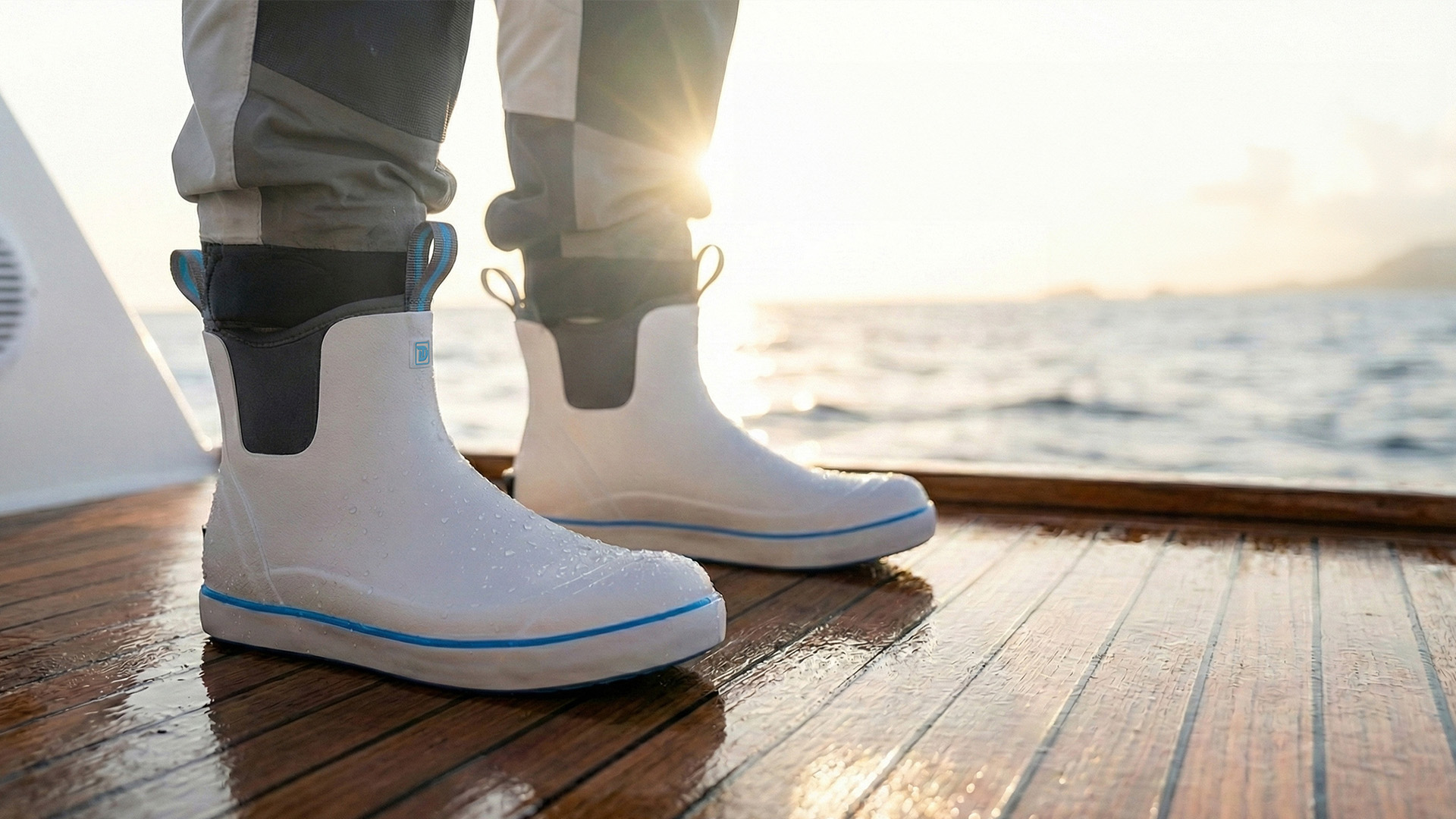
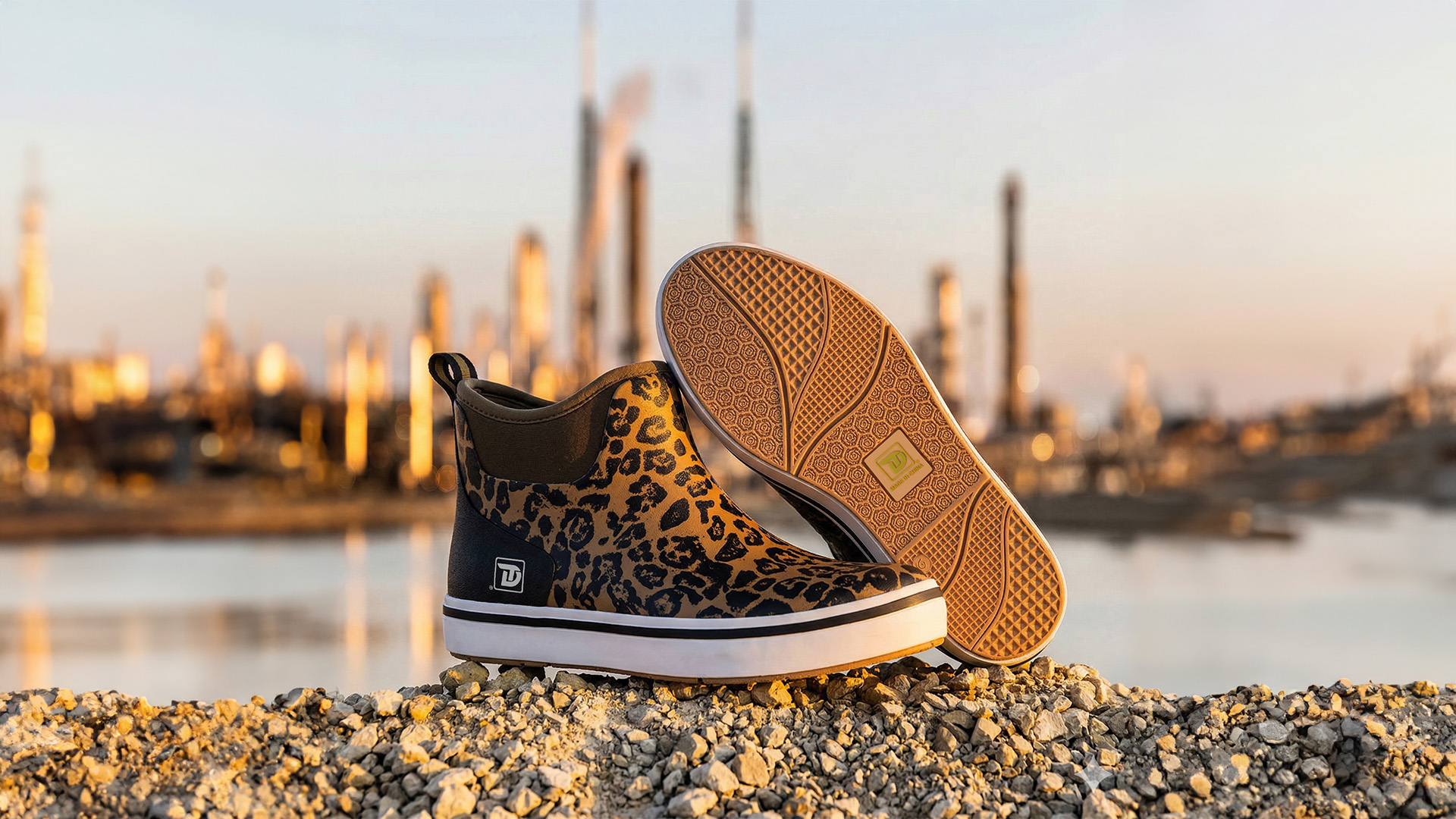
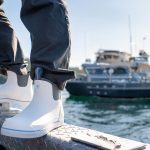
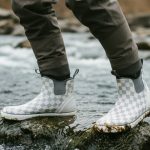
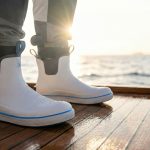
- Wear breathable waders and waterproof boots — like insulated deck boots or neoprene waders for all-day warmth.
- Use hand warmers and waterproof gloves so you can tie knots without going numb.
- Carry a thermos of hot coffee or broth — staying warm keeps your focus sharp.
🌤️ Timing and Weather Cues
In cold weather, timing is everything. Fish respond directly to temperature and light changes.
- Midday bite (10 a.m. – 2 p.m.) is often best as water slightly warms.
- Cloud cover can keep fish shallower and more active.
- Stable weather after a front usually means better action than right before it.
Avoid the temptation to rush — sometimes, one perfect cast drifting through an eddy is worth an hour of blind casting elsewhere.
🧭 Reading the River: The Angler’s Advantage
Each river has its own rhythm. Learn to recognize subtle shifts in the current — a swirl behind a rock, a darker patch that signals depth, or foam lines that trace feeding lanes. The most productive anglers aren’t guessing; they’re reading the water like a book.
Once you understand how holes, seams, and eddies interact, you’ll realize rivers in the cold are far from dead — they’re just waiting for the patient angler who knows where to look.
💬 Final Thoughts
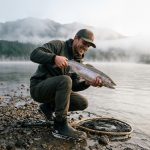
Fishing rivers in the cold isn’t about numbers — it’s about mastery. It’s about slowing down, tuning in, and trusting the quiet flow of moving water. When others stay home, you’ll find yourself knee-deep in solitude, casting into misty runs and watching the line twitch just enough to tell you: someone’s home.
There’s real magic in those eddies and deep holes — not just in the fish you catch, but in the calm rhythm of the current itself.