
Every angler knows the feeling — one day, the fish are smashing every lure you throw, and the next, after a cold front moves through, the lake feels lifeless. The bite shuts down, the water turns still, and frustration builds fast. But while most anglers pack up and head home, the best know how to adapt.
Cold fronts don’t mean the fish disappear; they just behave differently. Understanding how bass, crappie, walleye, and other freshwater species react to sudden weather shifts is the key to turning those slow days into productive ones. Let’s break down what happens during a cold front, how to read the water, and the proven tactics that keep you catching even when the air bites harder than the fish.
🌬️ What Happens to Fish During a Cold Front
When a cold front sweeps through, it brings a quick drop in air temperature, rising barometric pressure, and clear skies. For fish, these sudden changes cause stress and sluggishness. Here’s why:
- Barometric Pressure Rise: Fish have swim bladders that help control buoyancy. A rapid pressure increase compresses these bladders, making fish uncomfortable and less willing to move.
- Light Penetration: The front often clears the sky, increasing sunlight penetration. Fish retreat from shallow, exposed areas to deeper, darker cover.
- Temperature Shift: A few degrees of cooling can slow their metabolism, causing them to feed less frequently.
- Wind and Mixing: Winds can push cooler surface water into shallow zones, forcing fish to relocate to thermally stable areas.
The result? They don’t stop feeding completely — they just become selective, cautious, and slow.
🎯 The Mindset Shift: Slow Down Everything
After a front passes, success starts with your approach and patience. This isn’t the time to power fish. You need to slow down, downsize, and focus on precision presentations.
Ask yourself: “If I were a cold, stressed-out fish, where would I want to rest — and what would I be willing to eat?” That’s the mentality that wins post-front days.
🧭 Finding Fish After a Front
Location is half the battle. After a front, fish often relocate just slightly — not miles away, but a few feet deeper or closer to structure. Focus on areas that offer protection and stability.
✅ Key Cold-Front Locations:
- Deep Points and Drop-Offs: Bass and walleye slide off shallow ledges into 10–20 feet of water where temperatures stabilize.
- Rocky Banks and Riprap: Rocks hold heat and offer baitfish refuge.
- Timber and Brush Piles: Crappie, especially, stack up tightly around heavy cover after a front.
- Mouths of Creeks: These transition zones provide both oxygen and protection.
- Submerged Vegetation Edges: Fish will tuck into remaining green weeds for warmth and ambush potential.
Pro tip: Use your electronics to locate suspended fish or bait balls — fish often bunch up tighter after fronts.
🎣 Lure Adjustments That Make the Difference
Cold-front fishing isn’t about changing everything — it’s about refining your presentation. Here’s how to dial in:
🪱 1. Downsize Your Baits
Small, natural-looking profiles trigger more bites from finicky fish. Replace big crankbaits with finesse jigs, small plastics, or drop-shot rigs.
🧊 2. Slow Your Retrieve
Use the slowest retrieve you can stand — then slow it even more. Fish may only strike when the lure lingers in their face.
🎯 3. Go Vertical
Vertical presentations like jigging spoons or blade baits keep your lure in the strike zone longer. Perfect for deep, suspended fish.
🌾 4. Use Natural Colors
Under bright post-front skies, muted tones like green pumpkin, shad, or smoke mimic real prey better than flashier colors.
🪶 5. Try Live Bait
When artificials fail, minnows, worms, or leeches can turn the tide. The scent and natural movement help coax neutral fish.
🧠 Cold-Front Species Tactics
Different fish respond uniquely to fronts — here’s a breakdown of how to handle the main targets:
🐟 Bass:
- Focus on deep structure near channels.
- Use jerkbaits with long pauses (5–10 seconds).
- Finesse jigs, Ned rigs, and shaky heads excel when retrieved painfully slow.
🐠 Crappie:
- Tighten your presentation — vertical jigging over brush or docks is deadly.
- Downsize to 1/32 or 1/16 oz jigs.
- If you find one, you’ll usually find a pile.
🐡 Walleye:
- Move to the first deep breakline near feeding flats.
- Use slow-trolled live bait rigs or jigging spoons.
- Keep baits near the bottom and maintain subtle movement.
🕶️ Gear and Presentation Tips
Cold-front conditions can make finesse presentations tricky. Here’s how to keep things working in your favor:
- Light Line: 6–8 lb fluorocarbon or braid with a fluoro leader increases sensitivity.
- Sensitive Rods: Feel matters — even the lightest post-front bite can be a gentle tap.
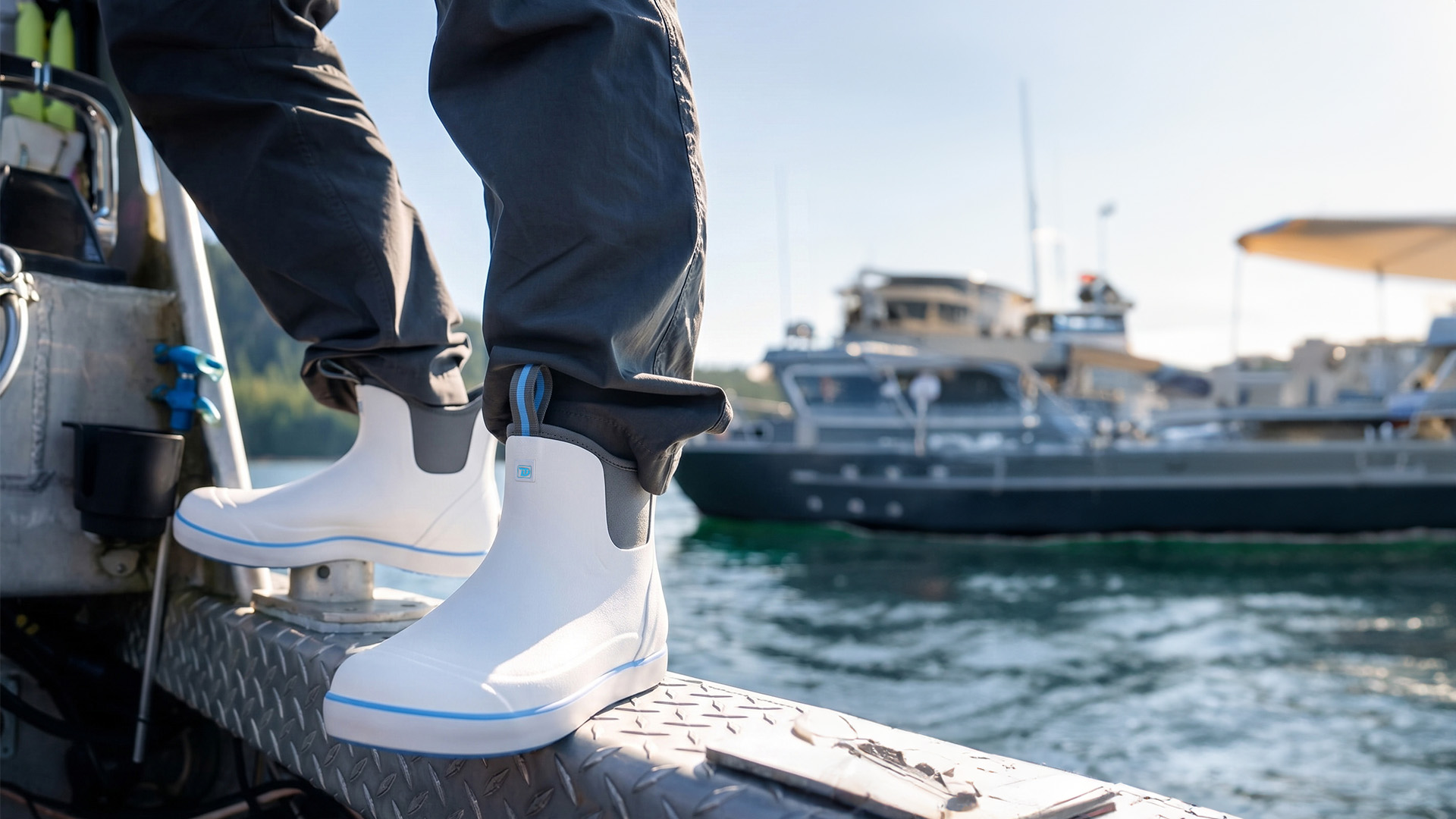
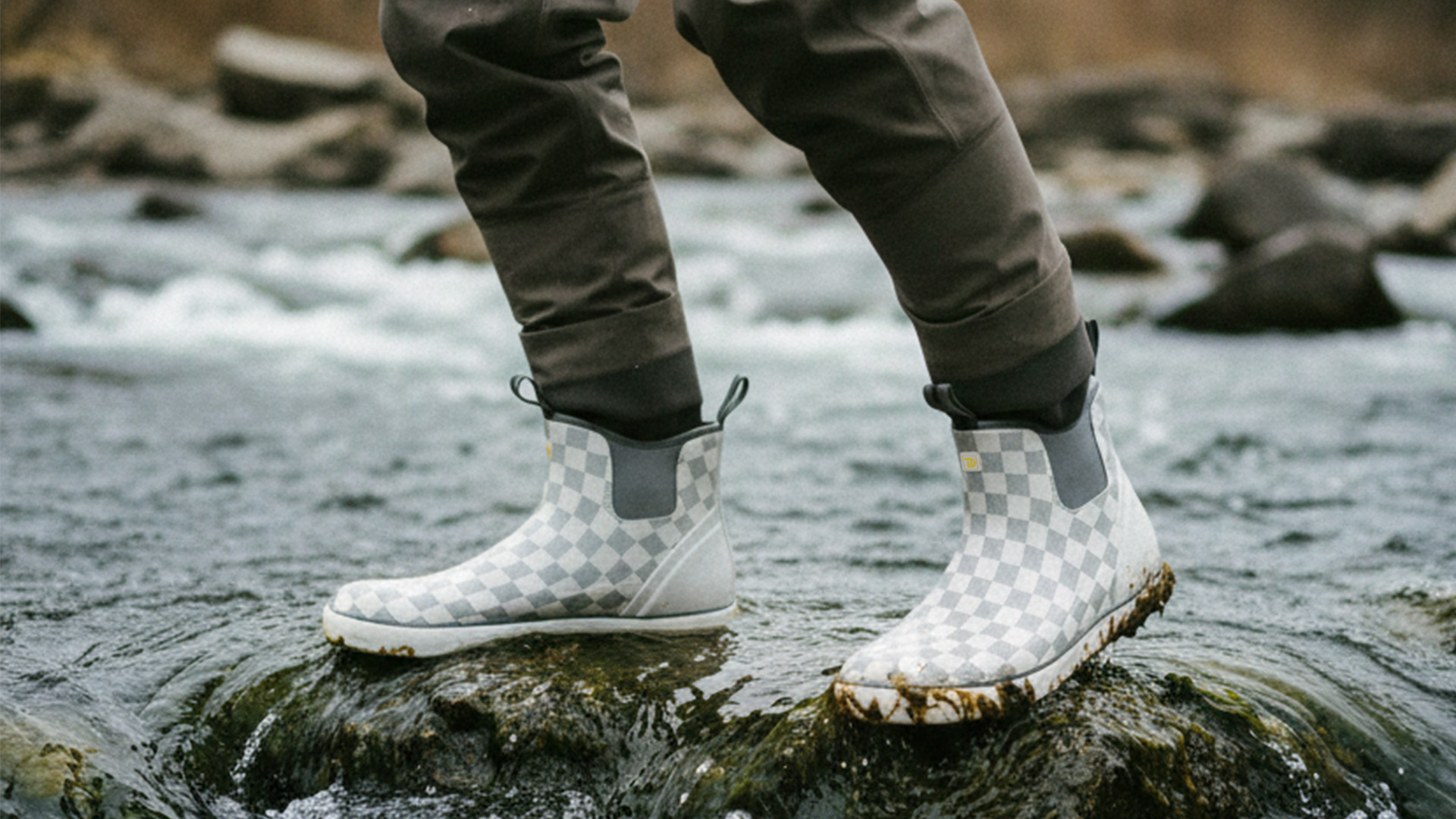
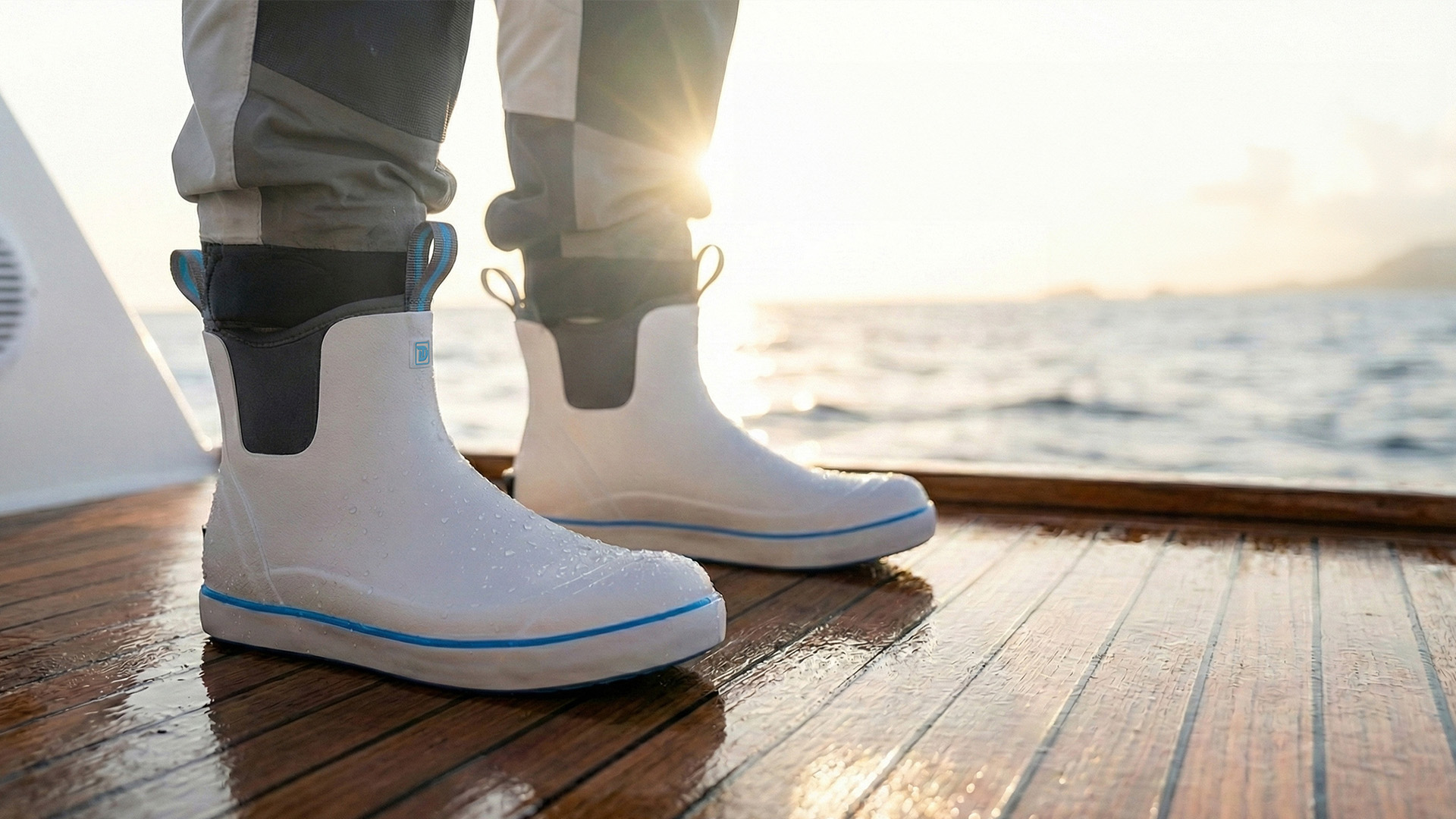
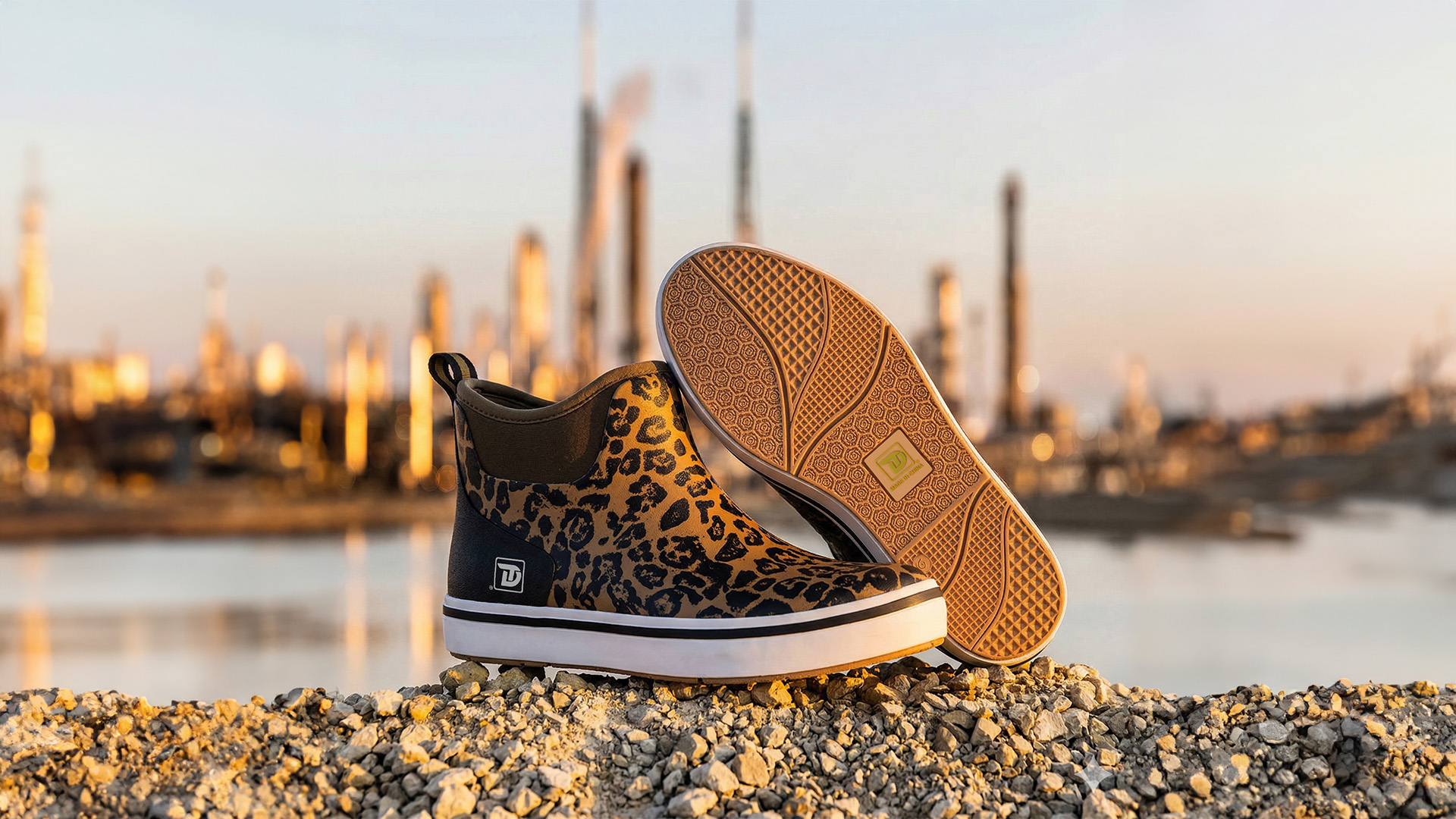
- Weather Gear: Staying dry and warm keeps you focused. Waterproof boots and layered outerwear are essentials.
- Polarized Glasses: Even on bright days, they help read subtle surface signs and bait movement.
⏰ Timing Your Trips
Fish activity usually dips for 24–48 hours after a cold front, then gradually rebounds. Plan your trips accordingly:
- Before the Front: Fish aggressively — they feed heavily before pressure rises.
- During the Front: Expect tough conditions, especially under bluebird skies.
- After the Front (Day 2–3): Fish regain appetite slowly — focus on midday warmth for the best shot.
Patience is key. If you can find stable conditions after the initial shock, the bite often returns stronger than before.
💬 Final Thoughts
Cold fronts separate casual anglers from true fishermen. While most give up, the persistent learn how to adjust — slowing down, thinking deeper, and trusting small details.
Fishing after a cold front isn’t about luck. It’s about reading conditions, adapting gear and tactics, and keeping confidence when the bite feels dead. The fish are still there — you just have to fish smarter, not harder.
So next time the sky clears and the wind turns bitter, don’t pack it in. That’s your chance to outsmart pressured fish and catch something that others missed.