
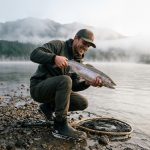
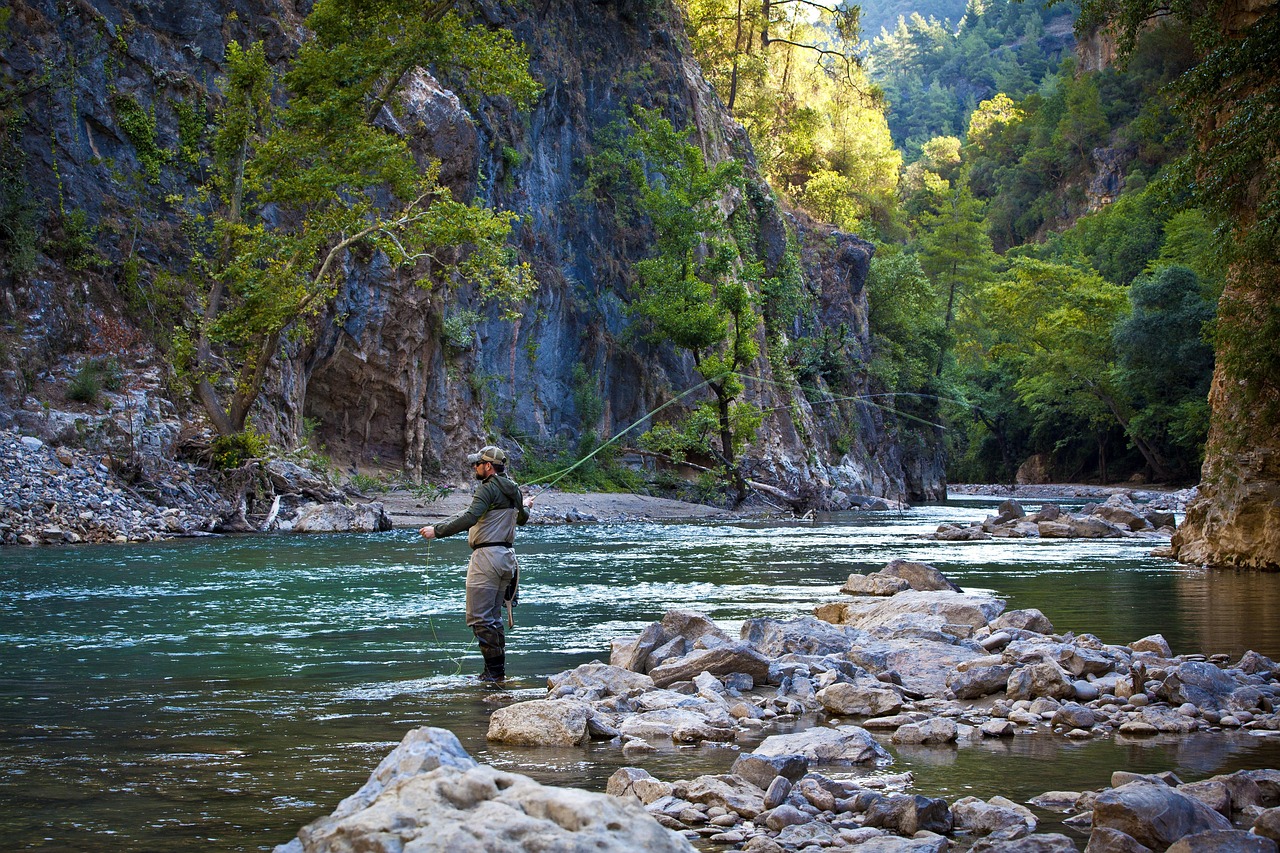
As the crisp chill of late fall settles over the lakes, many anglers hang up their rods and retreat indoors. But for those who stay out there — bundled up and ready for a challenge — this season offers some of the best opportunities to catch big, hungry bass. The key? Knowing where to find the warm water pockets that hold active fish when the temperatures drop.
Below, we’ll dive into why these micro-climates matter, how to locate them, and what tactics help you turn cold days into hot fishing action.
🎣 Understanding Bass Behavior in Late Fall
When water temperatures fall below 55°F, bass metabolism slows down. They feed less often, but they still need to eat — especially before the long winter ahead. As surface temps cool, bass migrate from shallow flats toward deeper, more stable zones where water temperatures fluctuate less dramatically.
However, not all areas cool at the same rate. Pockets of slightly warmer water — even just two or three degrees higher — can make a huge difference. These areas become feeding stations, where bass stack up and ambush baitfish seeking the same warmth.
🌡️ Why Warm Water Pockets Matter
Late-fall bass fishing is about temperature variance, not absolute warmth. Bass are drawn to areas where they can conserve energy yet still find prey. Warm water pockets are often rich with oxygen, baitfish, and cover — a perfect trifecta for late-season success.
Some of the most common warm-water locations include:
- Sun-Exposed Bays: South-facing coves receive the most sunlight, retaining heat longer than shaded areas.
- Rocky Banks: Rocks absorb solar warmth during the day and release it slowly into the water overnight.
- Creek Inflows: Feeder creeks can carry slightly warmer water from upstream or groundwater sources.
- Man-Made Structures: Bridges, riprap, and marina walls radiate heat and attract both bait and bass.
- Power Plant Lakes: If you live near one, these discharge zones stay warm year-round — a bass angler’s dream.
🧭 How to Locate Warm Pockets
Finding warm zones isn’t about guesswork — it’s about reading conditions and using your tools.
- Use a Temperature Gauge or Fish Finder: Modern sonar units show water temp gradients. Pay attention to even a 1–2°F change.
- Watch Wind Direction: North winds push cooler water into southern shores, while calm, sunny days allow warmth to settle in protected pockets.
- Observe Wildlife Activity: Birds diving or minnows flicking on the surface can indicate baitfish congregations in warmer zones.
- Follow the Sun: Fish areas that get direct light through the morning and early afternoon. Bass often move in to feed when light peaks.
🪱 Late-Fall Tactics That Work
Bass in late fall aren’t chasing aggressively, so your presentation should reflect that slower metabolism. Try these proven techniques:
- Jigs and Trailers: Crawfish-style jigs dragged slowly along rocky bottoms mimic cold-water prey.
- Blade Baits: Perfect for vertical jigging in deeper warm pockets; the flash triggers reaction bites.
- Slow-Rolled Spinnerbaits: A steady, lazy retrieve over submerged cover keeps you in the strike zone longer.
- Suspending Jerkbaits: Pauses between twitches can tempt lethargic bass to strike.
- Lipless Crankbaits: When bass are schooling near warmer edges, a lift-and-drop retrieve can be deadly.
Pro tip: Downsize your line and bait. Smaller, natural presentations are more appealing to sluggish bass.
🧤 Gear and Comfort for Cold Conditions
Fishing late into fall means dealing with cold mornings and stiff hands, so gear up smart:
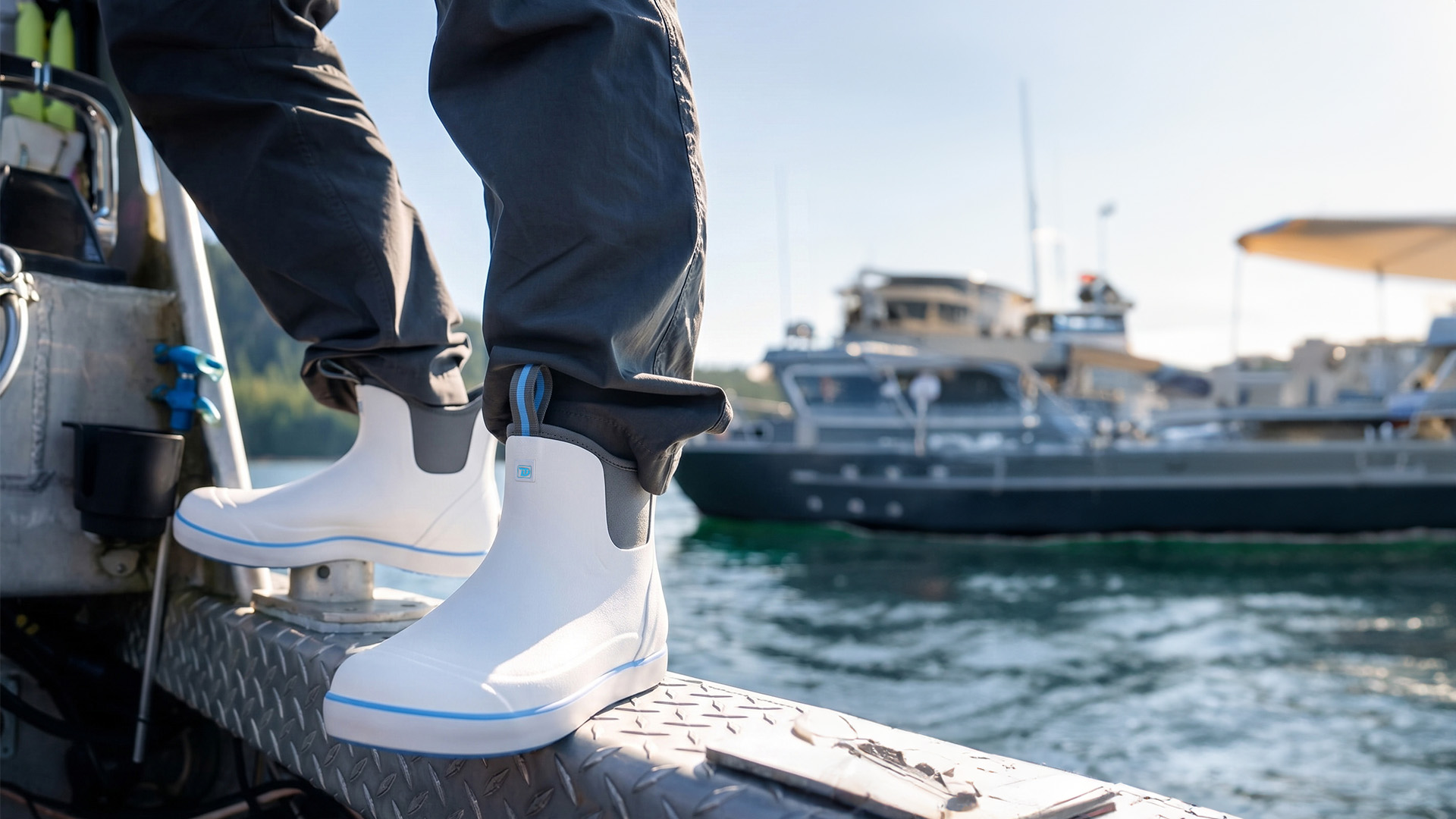
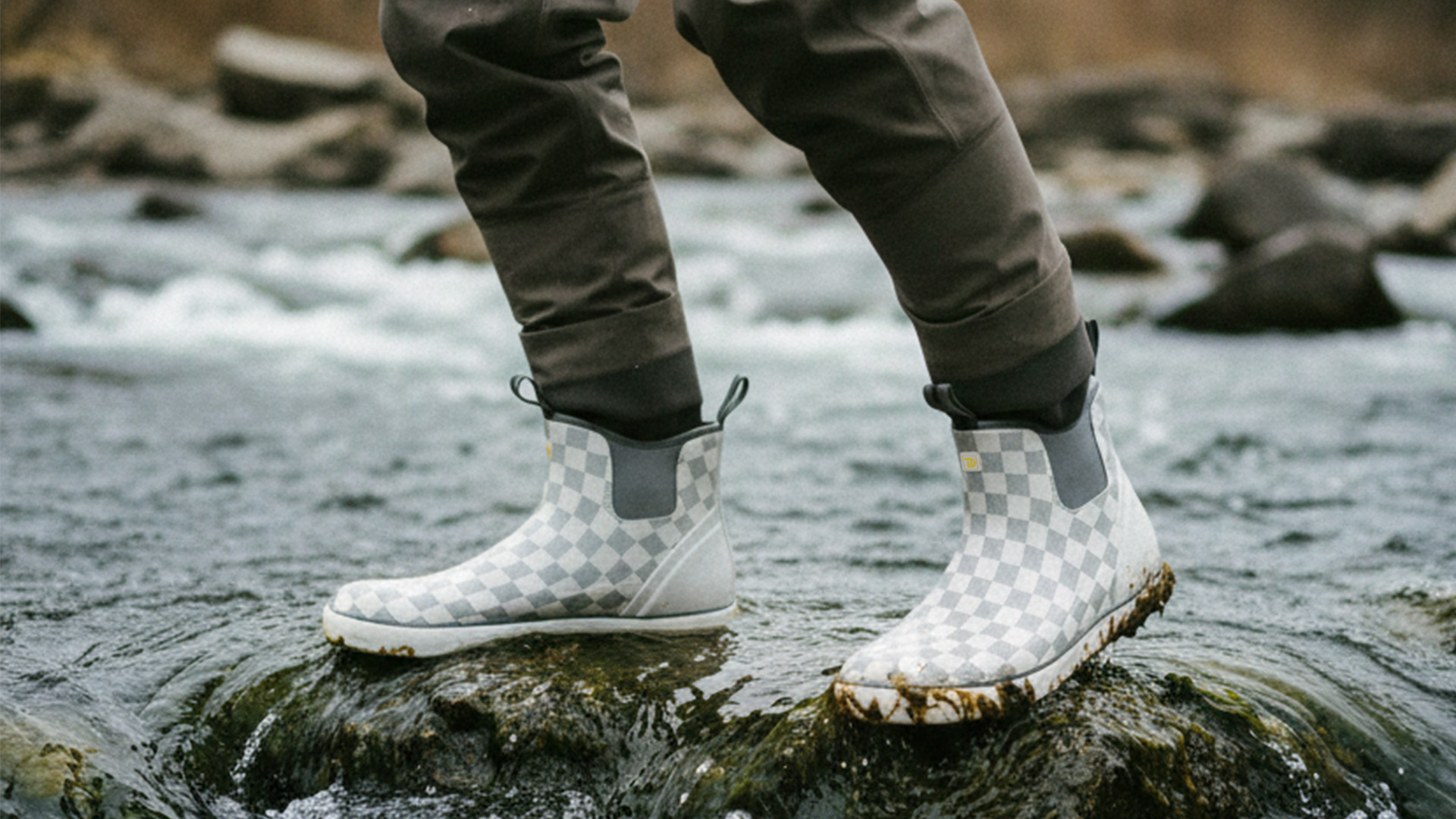
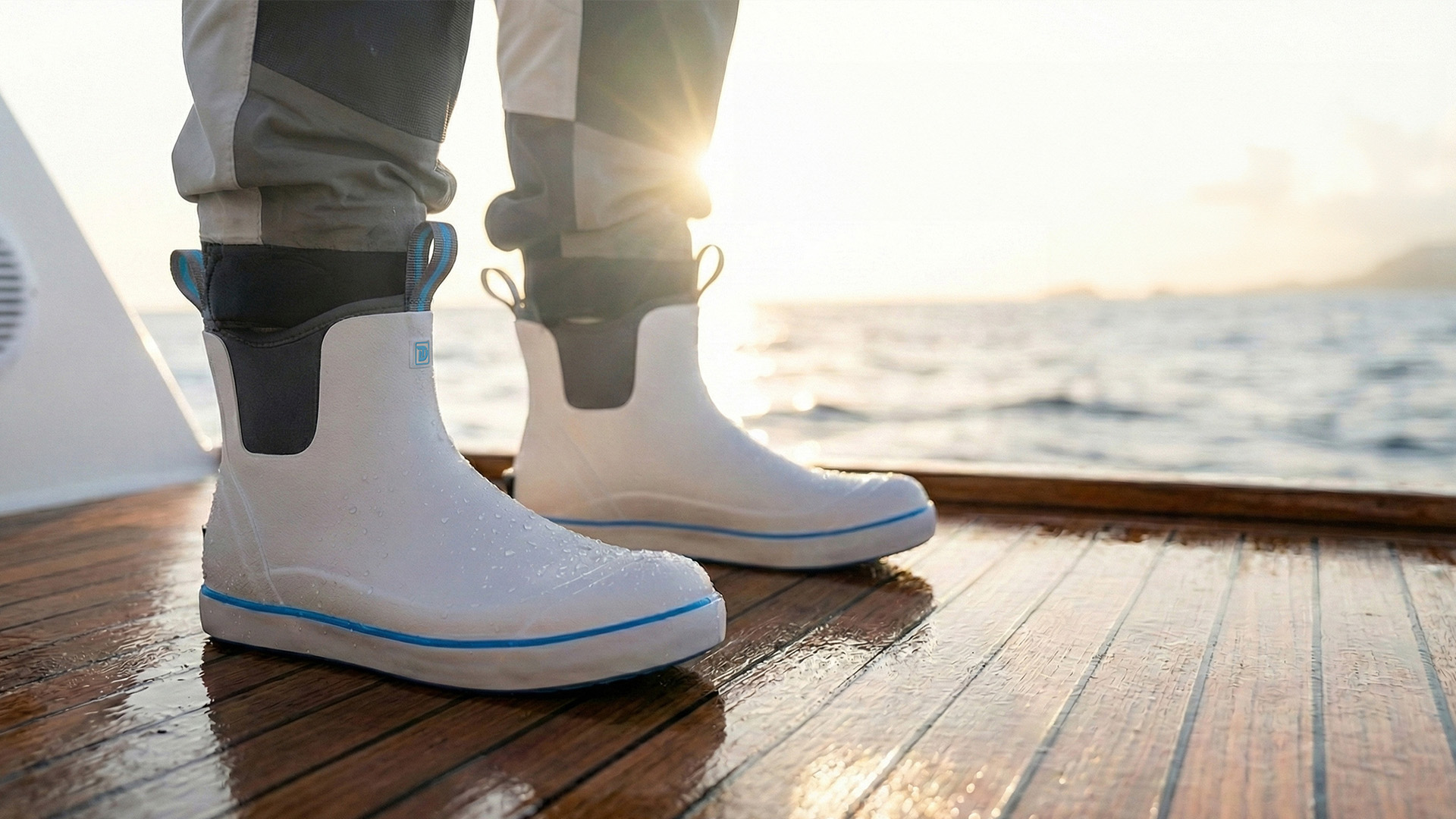
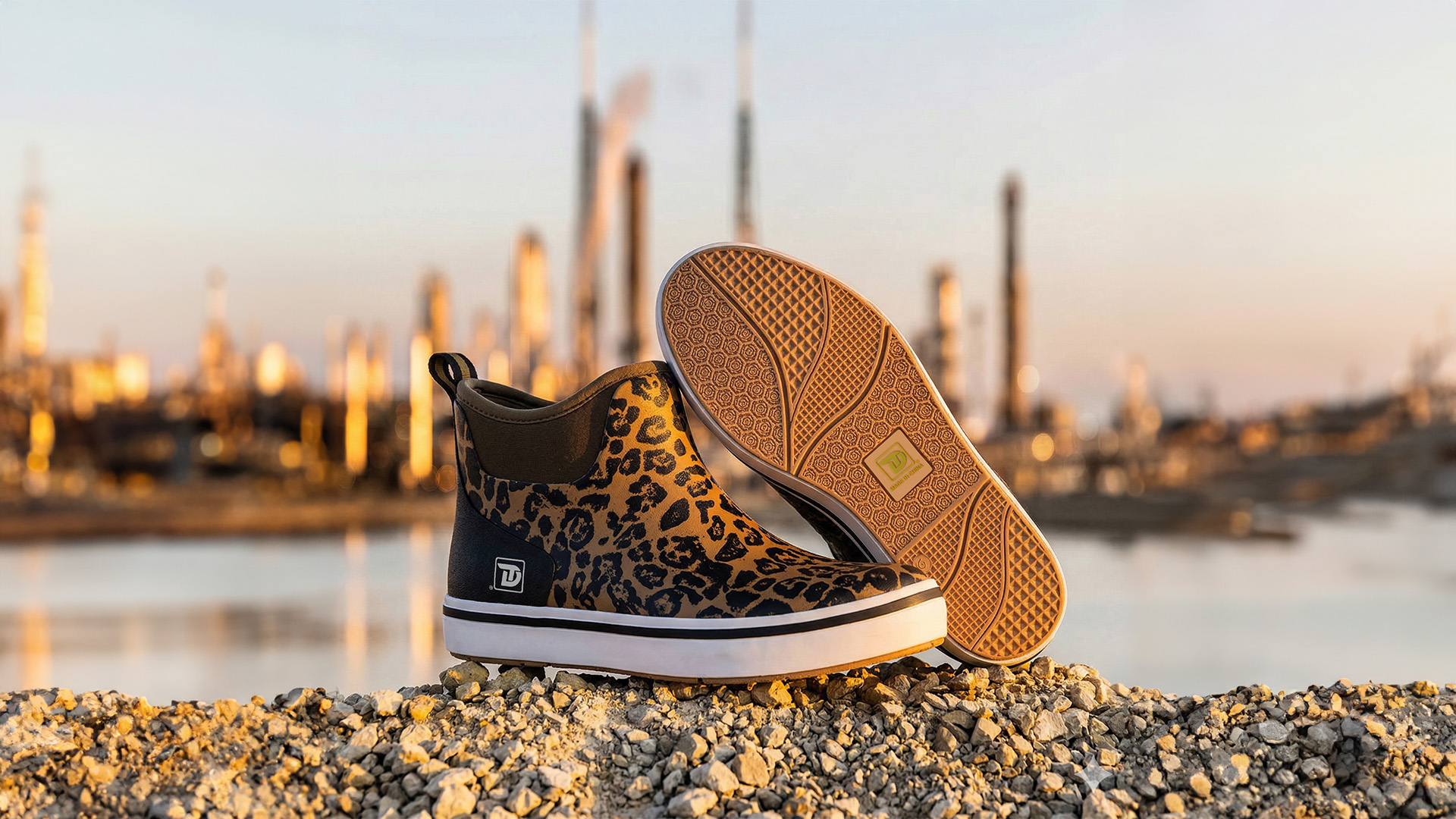
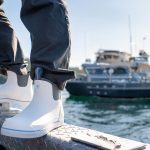
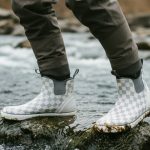
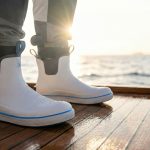
- Insulated, Waterproof Boots: Keep your feet warm when launching or wading.
- Layering System: Base layer for moisture control, mid-layer for insulation, and windproof outer shell.
- Hand Warmers and Gloves: Essential for dexterity during long casts.
- Polarized Glasses: Low-angle sunlight still glares off the water — you’ll spot subtle surface activity better.
Stay comfortable, and you’ll fish longer — which means more time to find those feeding bass.
🌅 Best Times to Fish
The most productive windows often occur when water temps rise slightly during midday. Late-morning to early-afternoon sessions, especially after a sunny stretch, can make the difference between skunked and successful.
Also, don’t overlook pre-frontal conditions. When a cold front approaches, bass often feed heavily to prepare for the pressure drop.
🧠 Final Thoughts
Late-fall bass fishing is not for the impatient. It’s about slowing down, studying the water, and using subtle differences — temperature, sunlight, structure — to your advantage.
When most anglers pack it in for the year, you’ll be out there finding those warm water sanctuaries where big bass still feed. Because in the chill of November, a few degrees of warmth can mean the difference between an empty livewell and a day you’ll never forget.