
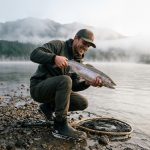
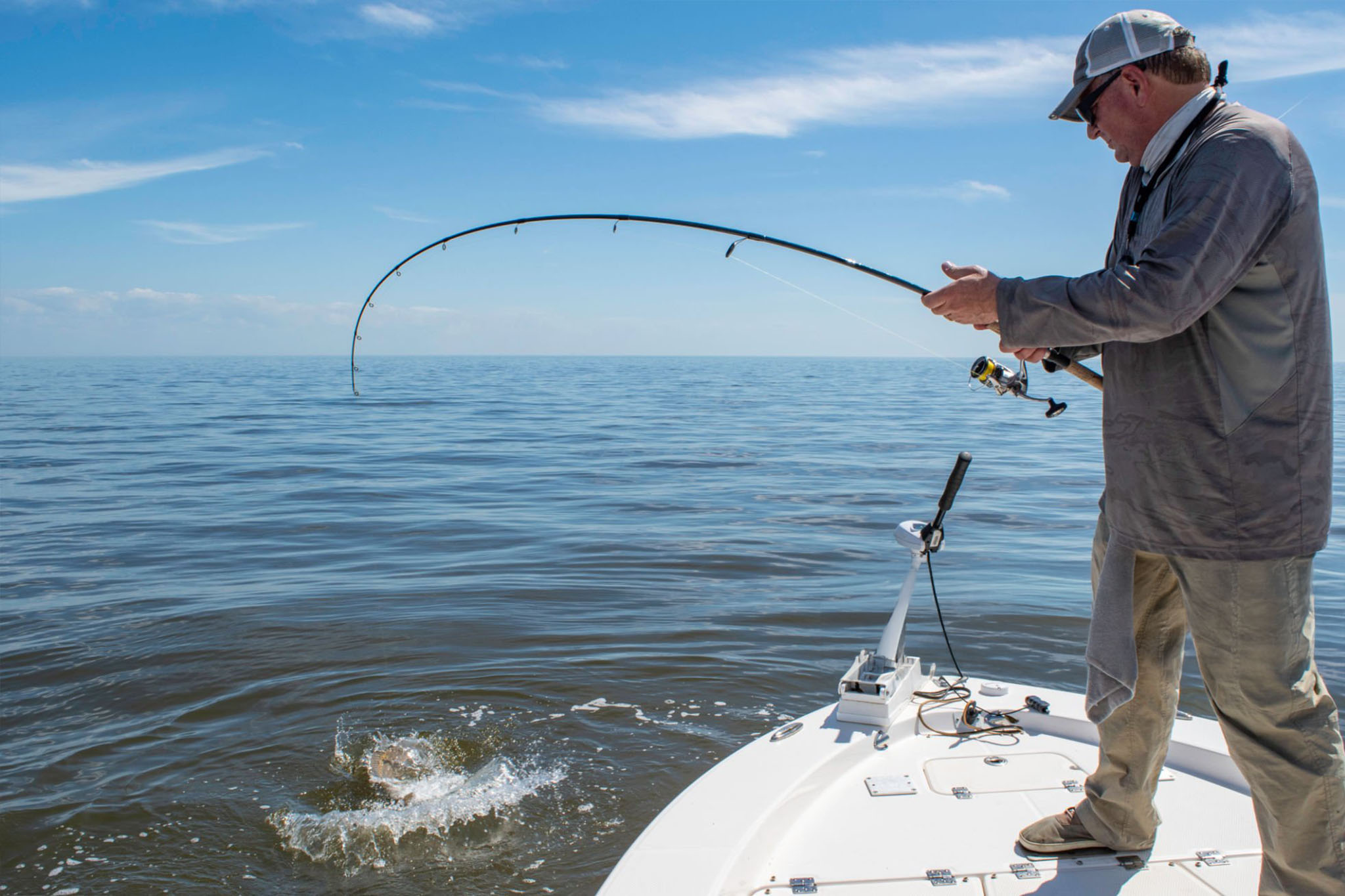
When the crisp chill of late fall sets in, many anglers pack up their gear and wait for ice fishing season to arrive. But for those willing to adapt, late-fall walleye fishing can be one of the most rewarding times of the year. The key lies in understanding walleye behavior as water temperatures drop and dialing in on deep jigging techniques that match their patterns.
Why Late Fall is Prime Time for Walleye
As autumn transitions into early winter, walleye shift their feeding patterns. Shorter days and dropping water temps push baitfish into deeper basins, and walleye follow. Unlike the aggressive strikes of summer, these fish become more deliberate, conserving energy in colder conditions. For anglers, this means slower presentations, more precision, and a focus on depth.
Late fall also reduces fishing pressure, since many anglers have shifted their focus to hunting or indoor activities. With fewer boats on the water, walleyes often roam freely, providing dedicated fishermen with a chance at trophy-class fish.
Locating Late-Fall Walleye
Finding walleye in late fall starts with depth. Look for:
- Main lake basins and deep holes: Walleyes settle into deeper water, often 20–40 feet or more, where bait congregates.
- Sharp breaks and drop-offs: Edges near river channels, submerged humps, or points with quick access to deep water hold consistent fish.
- Rock piles and structure: Hard-bottom areas attract baitfish, making them prime walleye feeding grounds.
Modern electronics are invaluable during this season. Use sonar to identify bait balls and mark arcs below them—those are likely walleye hanging tight to the food source.
Jigging Techniques That Work
Jigging deep isn’t about flashy movements. It’s about finesse and control. Here are some proven approaches:
1. Vertical Jigging
Position your boat directly over the fish, using your electronics to stay locked in. Drop your jig straight down and work it with short lifts and subtle shakes. Walleyes often strike on the fall, so be ready to detect soft pickups.
2. Blade Baits and Jigging Spoons
In late fall, metal baits shine. Blade baits and jigging spoons mimic dying baitfish, a natural draw in cold water. A slow lift followed by a controlled fall triggers reaction bites. The vibration and flash can call fish in from a distance.
3. Live Bait Pairings
Walleyes in cold water can be finicky, and tipping jigs with minnows often seals the deal. Use a smaller, subtle jig head paired with a fathead or shiner. Keep movements minimal—just enough to let the bait quiver naturally.
4. Slow and Steady
The biggest mistake late-fall anglers make is working too fast. Walleyes want an easy meal. Think small lifts, pauses, and controlled drops instead of aggressive snaps.
Gear Tips for Success
- Rod: A medium-light, fast-action rod offers sensitivity for detecting subtle strikes.
- Line: Use braid (8–10 lb) for sensitivity, with a fluorocarbon leader to stay invisible in clear water.
- Jigs: Go-to sizes range from 1/4 to 3/8 oz for deeper water, adjusting based on wind and current.
- Electronics: A good sonar or forward-facing sonar gives you the edge in staying on active schools.
Weather and Timing
Late-fall walleye fishing is often best on calm, overcast days. Cloud cover encourages walleyes to feed longer, while high-pressure bluebird skies can slow activity. Early mornings and evenings remain prime windows, but in late fall, midday bites can also be productive.
Safety on the Water
Fishing late in the season comes with risks. Cold water temperatures mean reduced survival times if you go overboard. Always wear a life jacket, let someone know your plans, and keep safety gear onboard. Layer up with insulated waterproof gear to stay comfortable and focused.
Final Thoughts
Late fall walleye fishing rewards patience and precision. By jigging deep, matching the slowed-down feeding habits of these predators, and staying locked in with good electronics, you can turn chilly November days into some of your most memorable fishing experiences. Don’t hang up your rods too early—this is the season when trophy fish are waiting just below the surface.