



Autumn is one of the most exciting seasons for river smallmouth bass. As temperatures drop and days shorten, smallmouth leave their lazy summer haunts and respond aggressively to the changing currents and shifting forage base. For anglers who love fishing moving water, fall brings a unique opportunity: strong, healthy bronzebacks feeding heavily before winter sets in.
Why Fall Currents Matter
Rivers are in constant motion, and when fall arrives, current becomes the key to finding smallmouth. Cooler water temperatures—typically in the mid-50s to low 60s—trigger bass to feed more often and in more predictable spots. Current serves as a conveyor belt of food, funneling minnows, crayfish, and insects directly to waiting fish.
Unlike still-water bass, river smallmouth rarely chase bait across wide-open spaces. Instead, they conserve energy, holding in strategic positions where current does the work for them. This makes them more targetable in the fall than at any other time of year.
Prime Holding Areas in Fall Rivers
If you want to consistently find smallmouth during autumn, focus on these current-driven structures:
- Eddy Pockets: Areas behind rocks or bends where current slackens, giving bass a place to ambush bait with minimal effort.
- Current Seams: Where fast and slow water meet, smallmouth position themselves to dart out for passing prey.
- Riffles and Runs: These shallow, oxygen-rich zones often concentrate baitfish in fall, making them prime feeding grounds.
- Deep Pools: As water cools, smallmouth transition from summer shallows into deeper pools, especially during colder mornings.
- Undercut Banks and Fallen Timber: Cover combined with moving water offers ambush points for larger, more cautious fish.
Best Times of Day
Fall river smallmouth follow light and temperature cycles more closely than in summer.
- Morning: As the sun warms the shallows, bass often move up into riffles and runs to feed.
- Midday: Fish slide into deeper current breaks or eddies where forage concentrates.
- Evening: Low-light conditions spark feeding frenzies, especially near rocky points or seams.
Cloudy, drizzly days often keep fish active longer, making them some of the best times to be on the river.
Tackle and Presentation Tips
Targeting smallmouth in fall currents means matching your presentation to both the conditions and the forage.
- Jigs and Soft Plastics: A 1/8–1/4 oz jig tipped with a craw or minnow-style soft plastic remains a fall favorite. Bounce it along the bottom where current slows.
- Crankbaits: Medium-diving baits in shad, perch, or crayfish colors mimic seasonal forage perfectly. Retrieve across seams or parallel to rocky banks.
- Spinnerbaits: In slightly stained water, spinnerbaits excel at drawing reaction strikes from aggressive fish.
- Topwater: On warmer fall days, smallmouth will still crush poppers or walking baits in riffle zones.
- Fly Fishing: Streamers stripped across current seams can be deadly on bronzebacks.
Pro Tip: Use braided line with a fluorocarbon leader for sensitivity and abrasion resistance around rocks and timber.
Reading the Current
One of the biggest fall fishing mistakes is ignoring how current speed influences fish position. Fast-moving stretches often push bass into the nearest slack water. Conversely, moderate flows keep fish actively feeding in seams. If flows spike after rain, expect smallmouth to tuck into eddies or behind boulders until current stabilizes.
Seasonal Behavior Shift
As October progresses into November, smallmouth begin transitioning toward deeper wintering holes. While they remain catchable, their strikes become less frequent. Early to mid-fall is the sweet spot for aggressive, hard-hitting fish. Planning your trips around this window maximizes success.
Gear and Safety Considerations
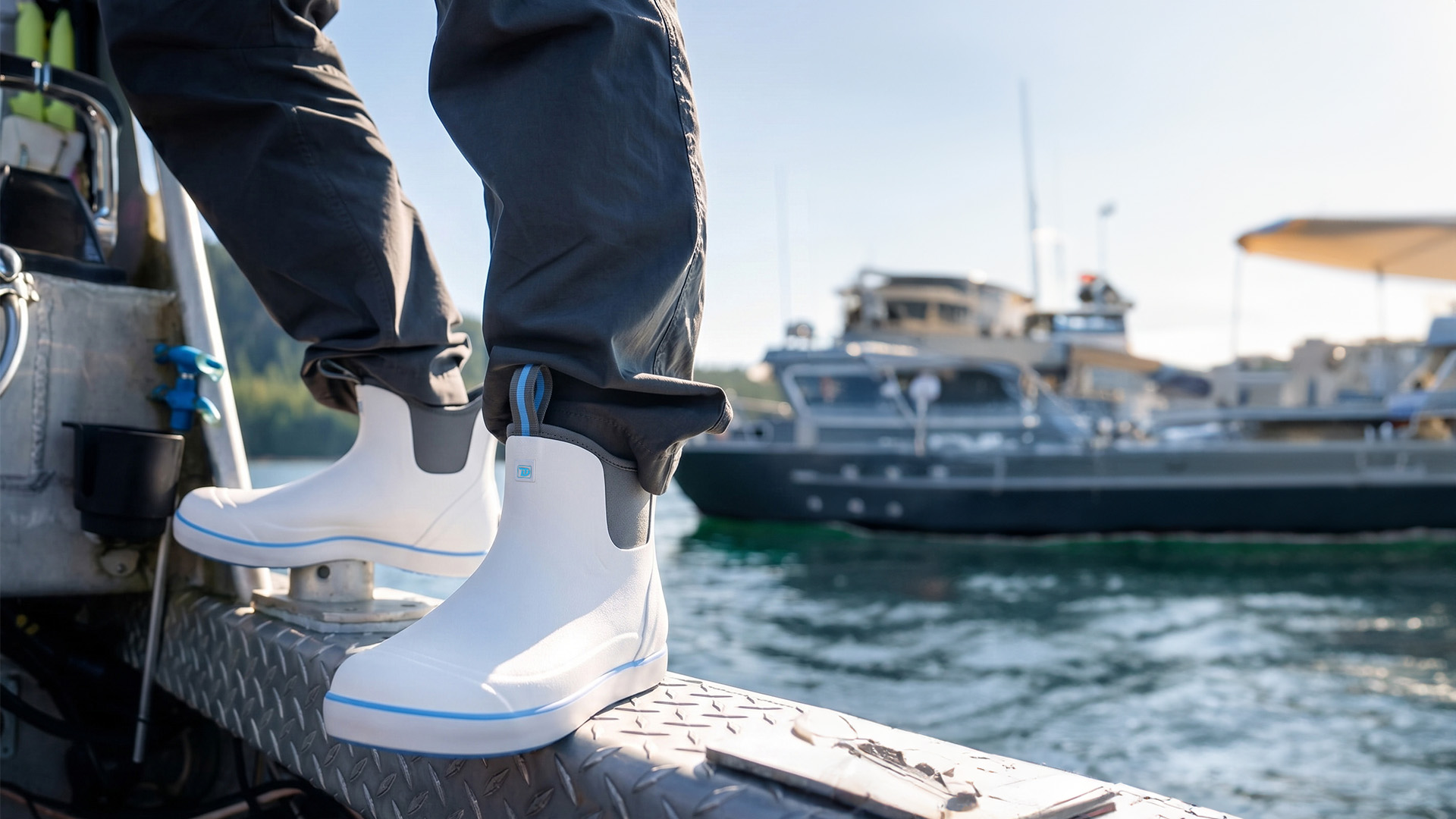
Fall river fishing often means colder mornings and fluctuating water levels. Breathable waders with layered clothing are essential for comfort. Non-slip boots and a wading staff improve stability in stronger flows. Always check river conditions after heavy rains and wear a PFD if fishing from a boat or kayak.
Conservation and Respect for the Resource
River smallmouth are resilient but also vulnerable to overharvest. Practice catch-and-release when possible, especially on larger trophy fish. Handle bass quickly with wet hands and release them into calm water away from strong current. Maintaining healthy populations ensures this thrilling fall fishery for generations to come.
Final Thoughts
Fishing for smallmouth in fall rivers is about reading the current, understanding seasonal transitions, and matching tactics to forage and conditions. The rewards? Hard-fighting bass that smash lures and provide some of the most memorable catches of the year. Pack your gear, dress for the season, and embrace the moving water—because autumn is prime time to chase bronzebacks.