
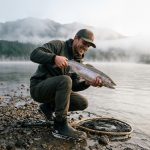
As fall deepens and the water cools, walleye behavior changes dramatically. Gone are the days of chasing shallow baitfish in weedy bays. Instead, late-season walleye gravitate toward sharp drops, ledges, and deep-water transitions where structure meets open water. For anglers willing to adjust their tactics, these drop-offs become prime ambush zones where big strikes happen.
Why Ledges Matter for Late-Season Walleye
Walleye are opportunistic predators, and structure dictates where they feed in fall. Ledges are especially productive for three reasons:
- Baitfish Concentration – As temperatures drop, bait schools move to deeper, stable water. Ledges act like highways for these migrations.
- Natural Ambush Points – Walleye use sharp drops to pin baitfish against vertical structure.
- Temperature Stability – Deeper water provides more consistent temperatures, keeping walleye active even as surface temps cool.
In short, if you’re not fishing ledges in late fall, you’re missing where most of the action happens.
Finding the Right Ledges
Not all drop-offs are equal. Here’s what to look for when scouting:
- Depth Changes of 8–20 Feet: Sharp transitions from shallow flats into deeper basins often hold the most fish.
- Rocky or Gravel Bottoms: These areas attract baitfish and crayfish, drawing hungry walleye.
- Current-Influenced Ledges: On rivers, look for sharp bends or channel edges where current sweeps food across the drop.
- Electronics Advantage: Use sonar to find schools of baitfish stacked along ledges. Where bait is present, walleye are usually close by.
Tactics for Working Ledges
1. Jigging the Drop
Vertical jigging shines in late fall. Drop a 3/8–1/2 oz jig tipped with a minnow, soft plastic, or blade bait directly down the ledge. Slowly hop or lift it to mimic distressed baitfish.
2. Live Bait Rigs
Rigging a lively minnow or chub on a slip-sinker setup can be deadly. Position your bait just off the drop and let it swim naturally along the transition.
3. Crankbaits and Blade Baits
Cast crankbaits that dive into the strike zone and run them parallel to the ledge. Blade baits excel when fish are aggressive, producing reaction strikes on sharp lifts and drops.
4. Slip Bobber Systems
When walleye are holding tight to ledge edges, suspend live bait just above their level with a slip bobber. This keeps your presentation in the strike zone longer.
Timing Your Approach
- Early Morning & Late Afternoon – Walleye move shallower to feed before sliding back down the ledge.
- Cloudy Days – Extended feeding windows, with fish staying active longer near the drops.
- Night Fishing – Big walleyes often cruise the tops of ledges under the cover of darkness.
Key Gear for Success
- Medium-Light Spinning Rod with sensitive tip for jigging.
- Braid Mainline with Fluorocarbon Leader for better feel and stealth.
- Electronics (Sonar + GPS Mapping) to pinpoint ledge structure and mark fish.
- Cold-Weather Apparel – Staying comfortable ensures you can stick it out when bites are best.
Common Mistakes to Avoid
- Fishing Only the Deepest Water – Walleyes often sit on the edge, not in the basin.
- Ignoring Wind and Current – Both push baitfish, which dictate walleye location.
- Moving Too Quickly – Work ledges thoroughly. Big fish may need multiple presentations before striking.
Final Thoughts
Late-season walleye fishing is all about understanding how structure drives fish movement. By focusing on sharp drops and ledges, anglers can consistently locate hungry fish and trigger big strikes. Whether you’re jigging vertically, running crankbaits, or soaking live bait, working these transitions puts you in the best position to land trophy walleyes before the ice sets in.