
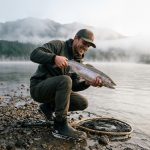
Fall brings dramatic changes to fishing. Dropping temperatures, shorter days, and shifting forage patterns all play a role, but one of the most overlooked factors is the wind. In autumn, wind direction and strength often dictate where baitfish gather and, in turn, where predator fish stack up. Learning to read fall winds not only helps you locate fish faster but also gives you a major advantage when other anglers are left scratching their heads.
Why Wind Matters in Fall
Wind is more than just a weather inconvenience—it’s a natural fish-positioning tool. Here’s why it’s so important in the fall:
- Pushes Baitfish: Wind drives plankton and small forage into certain shorelines or coves, concentrating bait schools.
- Oxygenates Water: Waves stir oxygen into shallows, making them more appealing to both bait and predators.
- Creates Ambush Zones: Predator fish like bass, walleye, and pike use wind-blown banks to corner and feed on baitfish.
- Extends Feeding Windows: Breezy conditions reduce light penetration, making fish feel secure and more willing to feed longer.
How Different Wind Directions Affect Fishing
North Winds: Cooling Effect
When a cold north wind sweeps in, expect water temperatures to drop quickly. Fish often slide deeper and slow their activity. However, this also positions them in predictable areas—deeper points, ledges, and drop-offs. Slower presentations with jigs or finesse rigs tend to work best.
South Winds: Warm and Active
Southerly winds often bring warmer air and stable conditions. This can trigger a strong shallow bite, especially for bass and panfish. Work wind-blown banks, flats, and shoreline vegetation with moving baits like spinnerbaits or crankbaits.
East Winds: The “Tough Bite” Myth
Many anglers swear by the old saying, “Wind from the east, fish bite least.” While there’s some truth—east winds often follow unstable weather—fish don’t stop eating. They simply reposition. Look for them in sheltered coves or near deeper cover. Slower, more subtle presentations can save the day.
West Winds: Feeding Frenzy
West winds are typically associated with stable, productive weather. In fall, they create some of the best fishing conditions. Baitfish are pushed against western-facing shorelines, and predator fish follow in numbers. This is prime time for aggressive tactics like topwater baits or jerkbaits.
Locating Fish by Wind-Blown Structure
- Points and Humps: Wind pushes bait across these high spots, attracting predators.
- Wind-Blown Shorelines: Active fish will cruise just off the bank, using the chop as cover.
- Weedlines: Breeze-driven currents funnel bait along vegetation edges.
- Backside of Islands: Eddies form on the lee side, creating holding areas for fish waiting to ambush.
Adjusting Tactics to Wind Conditions
- Boat Positioning: Anchor or use a trolling motor to fish into the wind. This gives you better lure control.
- Casting Angle: Cast with the wind at your back for distance, or across the wind for natural lure drift.
- Lure Choice: In choppy water, use louder, flashier baits (spinnerbaits, rattle cranks). In calm areas, finesse presentations shine.
- Safety First: Strong winds can make boat handling tricky—always wear a life jacket and be mindful of changing conditions.
Seasonal Considerations
- Early Fall: Fish still relate to shallow cover, so focus on wind-blown weed edges and flats.
- Mid-Fall: As water cools, baitfish move deeper. Wind helps identify which points and channels hold the heaviest concentrations.
- Late Fall: Cold north winds drive fish to wintering holes. Follow wind-influenced current breaks leading to these deeper spots.
Final Thoughts
Fall fishing is often a game of adaptation, and wind is one of the most reliable guides you can use. By understanding how direction changes fish location, you can consistently put yourself where the action is hottest. Whether it’s a west wind pushing bait onto rocky banks, or a cold north breeze driving fish into deeper water, the key is to let the wind tell you where to cast.
The next time you hit the water, don’t just check the temperature or barometer—check the wind. Because in the fall, it may be the single most important factor separating an empty livewell from a day you’ll remember.